Quick Guide Highlights
- Why Even Bother? The Lure of the Great Outdoors
- Understanding the Feline Mind: Are Cats Even Built for This?
- The Step-by-Step Reality: How You Might Train a Cat to Pee and Poop Outside
- The Risks and Downsides: What Nobody Talks About Enough
- Who Should NEVER Try This?
- Frequently Asked Questions (The Real Stuff People Worry About)
- The Verdict: To Train or Not to Train?
You're staring at the litter box, scoop in hand, for what feels like the thousandth time this month. The smell, the dust, the cost of litter... it's enough to make anyone wonder: is there another way? What if my cat could just... go outside like a dog? The question "Can you train a cat to pee and poop outside?" pops into your head. It sounds like a dream, right? Freedom from the litter box forever.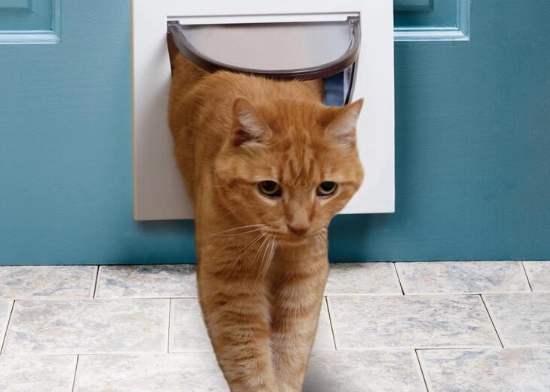
Well, I've been there. I've had cats my whole life, and I've actually tried this with a few of them. The short, honest answer is: yes, it is possible, but it's not a magic trick, and it's absolutely not for every cat or every situation. It's more about managing expectations and understanding your feline's personality than following a strict training manual. Anyone who tells you it's easy is probably selling something. Sometimes it works like a charm, other times it's a complete disaster that leaves you cleaning up worse messes than before.
This guide isn't here to sell you a fantasy. We're going to dig into the gritty details of what it really takes to train a cat to go to the bathroom outdoors. We'll cover the why, the how, the big "what-ifs," and the serious risks. By the end, you'll have a clear picture of whether attempting to train your cat to pee and poop outside is a brilliant idea or a potential headache waiting to happen.
Why Even Bother? The Lure of the Great Outdoors
Let's be real, the desire to train a cat to do its business outside usually stems from a few common frustrations. I get it completely.
- The Nose Knows: Even the best litter and diligent scooping can't always mask that distinctive litter box odor, especially in small apartments.
- Litter, Litter Everywhere: Tracking. It's the eternal struggle. Those tiny granules seem to have a mind of their own, migrating from the box to every corner of your home.
- The Cost of Cleanliness: Good-quality clumping litter isn't cheap, and it adds up to a recurring monthly expense.
- Environmental Guilt: All that used, non-biodegradable clay litter has to go somewhere. It feels wasteful.
- The Cat's Preference: Some cats are just obsessed with going outside. They scratch at the door, meow at windows, and seem to view the whole world as their personal litter box. You figure, maybe they're trying to tell you something.
These are all valid reasons. The dream of a litter-free home is powerful. But before you prop open the cat flap with grand expectations, you need to look at the other side of the coin.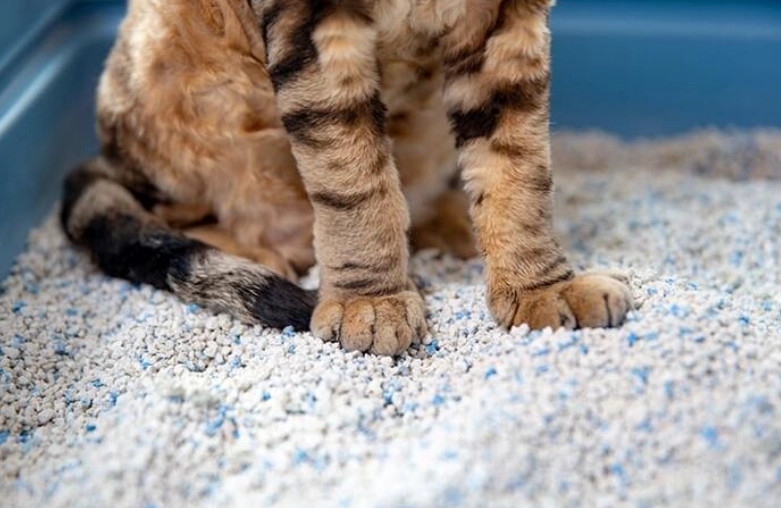
Understanding the Feline Mind: Are Cats Even Built for This?
Cats aren't small dogs. This is the most important thing to remember. Dogs are pack animals, eager to please. Cats are solitary hunters and creatures of habit with a strong sense of territory. Their bathroom habits are deeply tied to security and routine.
In the wild, cats bury their waste to hide their scent from predators and rivals. The domestic litter box taps directly into this instinct. It's a controlled, safe, private spot. Asking a cat to suddenly abandon that security for a big, scary, unpredictable outdoors is a big ask. Organizations like the International Cat Care stress that providing a consistent, acceptable toileting area is a fundamental part of meeting a cat's welfare needs.
That said, many cats who have safe outdoor access do choose to go outside. They often have a favorite garden bed or soft patch of dirt. So the instinct to go in loose, diggable material is there. The challenge is convincing an indoor-only cat that this new, vast bathroom is better than their familiar, cozy box.
The Step-by-Step Reality: How You Might Train a Cat to Pee and Poop Outside
If you've weighed the pros and cons and your situation seems right (safe, enclosed outdoor space, confident cat), here's a realistic approach. Forget strict timelines. This goes at your cat's pace, or it doesn't go at all.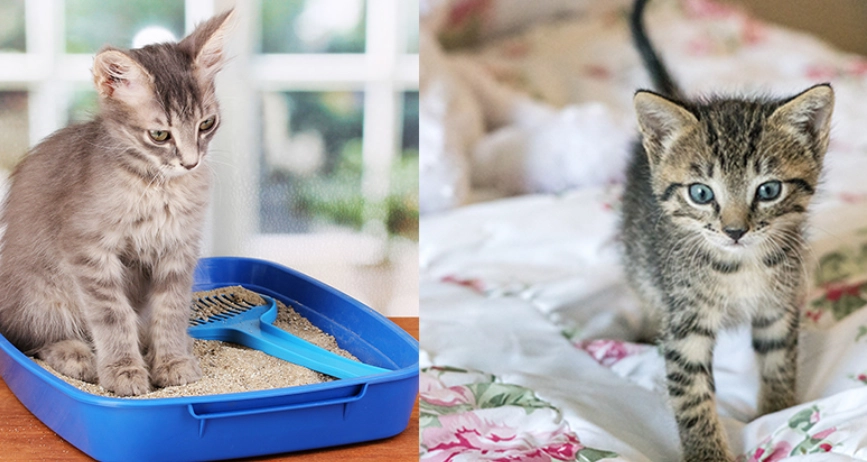
Step 1: The Pre-Game Assessment
This isn't a step you skip. You need to be brutally honest about your cat.
- Personality: Is your cat bold, curious, and confident? Or shy, skittish, and nervous? The former is the only candidate.
- History: Did your cat ever go outside before? Former strays or barn cats often take to it more easily.
- Age & Health: Kittens and young, adaptable cats are better candidates. Older cats or those with medical issues (arthritis, kidney disease) need the easy access of an indoor box.
- Your Environment: Do you live on a busy street? Do you have a secure garden or catio? If the answer is no, stop right here. The risks outweigh any benefit.
Step 2: Creating the Outdoor "Litter Box"
You can't just shove the cat outside and hope. You need to create an attractive alternative.
- Pick the Spot: Choose a quiet, sheltered corner of your yard, away from foot traffic and noise. It should feel private.
- Prepare the Ground: Loosen the soil or sand in a area about the size of two litter boxes. Cats like to dig. You can even mix in a handful of their old, unused litter to make it smell familiar.
- The Transition Box: This is a key trick. Take an old, low-sided litter box (or buy a cheap plastic tray) and fill it with soil or sand. Place it outside, in your chosen spot. This bridges the gap between the indoor box and the bare earth.
Step 3: The Supervised Training Sessions
This is where patience is everything. You're not training; you're facilitating a new habit.
After a meal or a play session—times when a cat is likely to need to go—put a harness and leash on your cat (if they're not used to it, you'll need to train them to that first, which is a whole other project) or carry them to the outdoor spot. Let them sniff and explore the transition box. Keep these sessions positive, short, and stress-free. If they go, throw a huge party—verbal praise, their favorite treat. If they don't, just calmly take them back inside. Never force it or punish them.
Step 4: The Slow Move and the Big Question
Once your cat is reliably using the transition box outside, you can start to make the indoor box less appealing. Move it gradually closer to the door, then just outside the door. You can also try changing the litter in the indoor box to a type they like less, while keeping the outdoor box filled with their preferred material (soil/sand).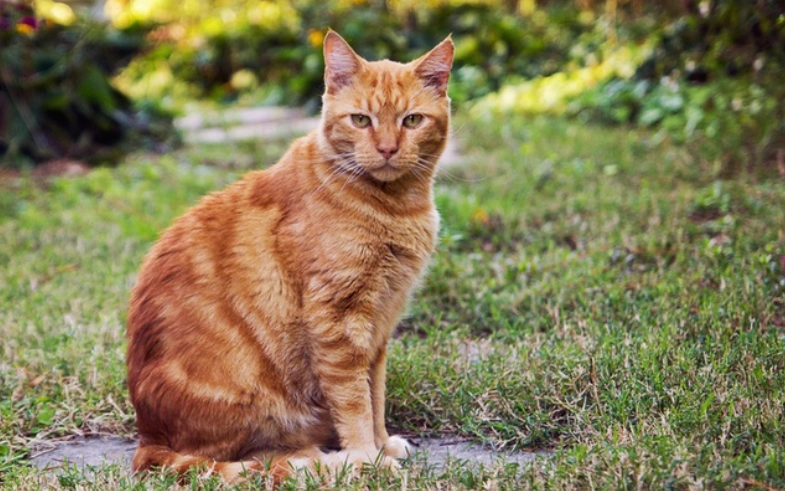
Eventually, you remove the indoor box entirely. This is the moment of truth. Can you train a cat to pee and poop outside exclusively now? Maybe. But you must provide constant, safe access. This means a secure cat flap if you're not home all day. And you must be prepared for regression, especially in bad weather.
The Risks and Downsides: What Nobody Talks About Enough
This is the part most blog posts gloss over. Training a cat to go outside isn't just about convenience; it's a major lifestyle change with real consequences.
| Risk Category | Specific Dangers | Why It Matters |
|---|---|---|
| Safety Risks | Cars, predators (coyotes, birds of prey), aggressive dogs, cruel people. | Outdoor cats have significantly shorter lifespans. Letting them out unsupervised, even to toilet, exposes them to these constant threats. |
| Health Risks | Parasites (fleas, ticks, worms), exposure to diseases (FIV, FeLV), toxic plants/chemicals, fights with other cats. | Vet bills can skyrocket. You lose control over their environment and what they're exposed to. |
| Behavioral Problems | Marking territory (spraying) on your doors/outside walls, refusing to come back inside, becoming more aloof. | Solving one problem (litter box) can create another (spraying on your patio furniture). |
| Environmental & Neighbor Issues | Using neighbor's prized flower beds as a toilet, hunting local wildlife (birds, rodents). | This can lead to serious disputes with neighbors and negatively impact local ecosystems. |
| The Inconvenience Factor | Mewing to be let out at 3 AM, standing by the door in a blizzard, tracking in mud. | You trade scooping litter for being a 24/7 doorman. In bad weather, they'll likely demand an indoor box anyway. |
I tried this with a wonderfully confident cat named Jasper. He took to the garden like a pro. But then winter came. He'd stand at the door, look at the rain, look at me, and meow in protest. He'd then promptly pee on the doormat. So much for being litter-box free. I had to reintroduce an indoor box for the wet months, which completely defeated the original purpose.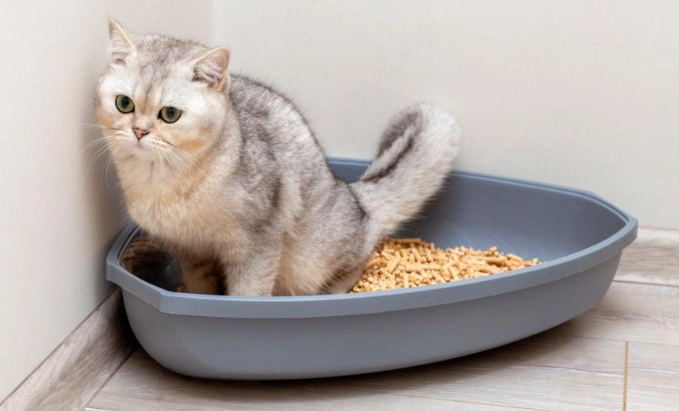
Who Should NEVER Try This?
Let's be clear. For some cats, even asking the question "can you train a cat to pee and poop outside?" is irrelevant because the answer is a hard no.
- Cats in apartments or urban areas with no safe, enclosed outdoor space.
- Elderly cats or kittens (too vulnerable).
- Cats with disabilities (blind, deaf, mobility issues).
- Nervous, fearful, or skittish cats. The stress could cause them to stop eliminating altogether.
- Cats with a history of urinary issues (FLUTD, crystals). Consistent, easy access to a litter box is medically crucial.
- Purebred cats that are valuable or not street-savvy.
Frequently Asked Questions (The Real Stuff People Worry About)
The Verdict: To Train or Not to Train?
So, can you train a cat to pee and poop outside? The technical answer is yes, some cats can learn. But the more important question is: should you?
For a small subset of cats and owners, it can work well. The perfect candidate is a confident, healthy cat living in a home with a safe, enclosed garden (like a cat-proofed yard or a large catio), with an owner who is patient, observant, and willing to maintain an indoor box as a backup. In this case, training a cat to go outside can supplement their routine and give them more choice.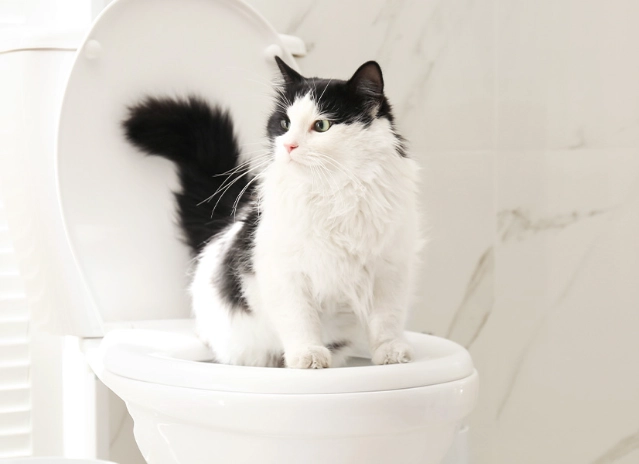
For the vast majority of people, especially those in typical urban or suburban settings, the risks and challenges far outweigh the benefits. The dream of a completely litter-free life is often just that—a dream. The potential dangers to your cat's health and safety are serious and real.
My personal take? After trying it, failing with one cat, and having partial success with another (who still demands a box in January), I don't recommend it as a primary goal. Focus on creating the best possible indoor litter experience. If your cat has safe outdoor access and chooses to go out sometimes, consider it a bonus, not the objective.
The bond with your cat is built on trust and meeting their needs for safety and consistency. Sometimes, the scoop is a small price to pay for their well-being. Before you decide, honestly assess your cat, your environment, and your own patience. The answer might just be waiting in a better brand of litter, not in your backyard.




Join the Conversation