Quick Navigation
Let's be honest. The question "how do I get my cat litter box trained?" pops into your head at the most inconvenient times. Maybe you just found a "surprise" behind the couch. Maybe you're bringing home a new kitten and the anxiety is real. I've been there. My first cat, a scrappy little rescue named Bella, decided the corner of my brand-new rug was a far superior toilet to the fancy litter box I bought her. It was a frustrating, smelly mess that made me question everything.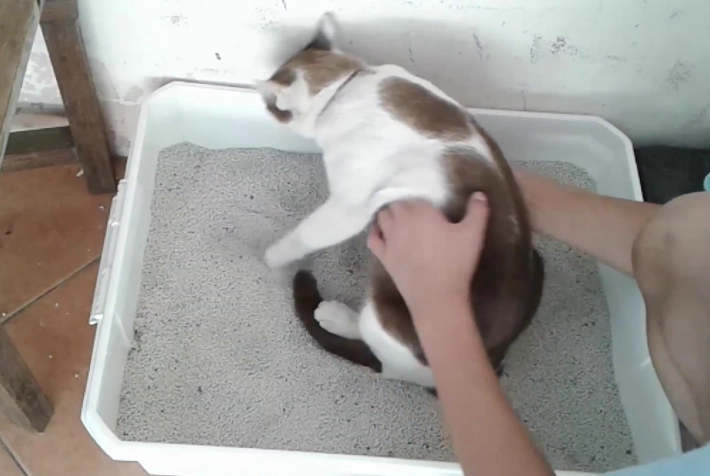
But here's the good news: cats are practically born with the software for this. They have a natural instinct to bury their waste. Our job isn't to install new hardware, but to simply make sure the user interface (the litter box) is so appealing and obvious that they can't imagine using anything else. This guide isn't about forcing your cat to do something. It's about setting up an environment where litter box training feels like their own brilliant idea.
The Core Idea You Must Internalize: Successful litter training is about management, not coercion. You're creating a setup that aligns with your cat's instincts. When it fails, it's almost always a problem with the setup or a health issue, not the cat being "spiteful" or "stupid." Throw that idea out the window first.
Before You Begin: The Foundation of Success
Jumping straight into how to train a cat to use litter box methods is like trying to build a house without a foundation. You need the right tools and environment. Skipping this step is the number one reason people struggle.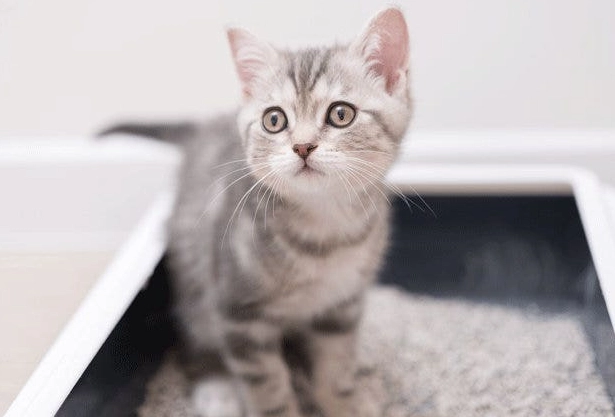
The Litter Box Itself: Size, Style, and Number Matter
This is where most first-timers go wrong. That cute, tiny, enclosed box with the flap door? Many cats hate it. Think about it from their perspective. It's dark, cramped, traps odors, and that flapping door can be scary. The general rule is simple: bigger is almost always better.
The box should be at least 1.5 times the length of your cat from nose to tail base. For most adult cats, that means ditching the standard pet store box for a large storage tub. Seriously. I switched to a large, shallow Sterilite tub for my cat and the difference was immediate. No lid, just lots of room.
My mistake with Bella was the hooded box. I thought it was neater. She thought it was a scary, smelly cave. The day I took the hood off was the day the accidents on the rug stopped. Sometimes the solution is just that simple.
And the "number" rule? It's not a suggestion. You need one more litter box than the number of cats you have. So, one cat = two boxes. Two cats = three boxes. This prevents resource guarding, gives choices, and is crucial in multi-story homes. Place them in quiet, low-traffic areas with easy escape routes. Not next to the loud washing machine or the dog's bed.
The Great Litter Debate: Clumping, Silica, Pine, or...?
The litter market is overwhelming. My advice? Start simple and unscented. Most cats prefer a fine-grained, sand-like texture that's soft on their paws. Heavy perfumes designed for us are often overpowering and offensive to their sensitive noses.
Unscented, clumping clay litter is a safe, popular starting point. But be open to experimentation. Some cats love the feel of recycled paper pellets, others prefer silica crystals. If you're wondering how do I get my cat litter box trained and they're still avoiding it, the litter is the first thing to experiment with.
Cats with dust allergies or eco-conscious owners.
Kittens (safe if ingested) or cats with respiratory issues.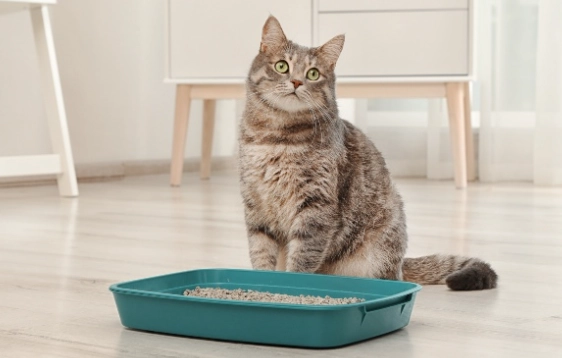
| Litter Type | Pros | Cons | Best For... |
|---|---|---|---|
| Clumping Clay | Excellent odor control, easy scooping, familiar texture for cats. | Dusty, heavy, not biodegradable. | Most cats, especially as a starting point. |
| Silica Gel Crystals | Superior odor control & moisture absorption, long-lasting, low dust. | Gritty feel some cats dislike, can be expensive. | Owners seeking low-maintenance and strong odor control. |
| Natural/Plant-Based (Pine, Wheat, Corn) | Biodegradable, low dust, often lighter weight. | Odor control varies, some textures are unfamiliar, can track differently. | Cats with sensitivities or eco-friendly households. |
| Recycled Paper Pellets | Highly absorbent, virtually dust-free, good for post-surgery. | Poor odor control, doesn't clump, needs frequent full changes. | Kittens or cats with health issues. |
Offer a "litter buffet" if you're unsure. Place two or three shallow boxes with different litter types side-by-side in a quiet room and see which one your cat consistently chooses to use. Let the cat decide.
Pro Tip: Depth matters. Most cats like 2-3 inches of litter. Too shallow and they can't dig properly. Too deep and it's awkward to walk in, especially for kittens or older cats.
The Step-by-Step Training Process: From Kitten to Adult Cat
Okay, you've got the right gear. Now, let's get into the actual process of cat litter training. The approach differs slightly if you're starting with a blank-slate kitten versus an adult cat with habits (good or bad).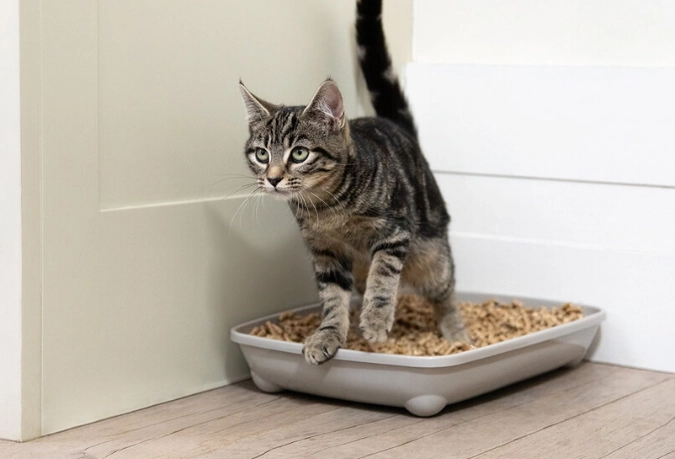
Training a Kitten: It's Usually Easier Than You Think
Kittens often learn from their mother. If you have a very young orphan kitten (under 4 weeks), you'll need to stimulate them to go with a warm, damp cloth after each feeding, then place them gently in the litter box. It mimics the mother's cleaning. For most kittens coming home at 8-12 weeks, the process is more about guidance.
- The Introduction: As soon as you bring the kitten home, place them gently in the litter box. Don't force them. Just let them sniff and explore. Do this after waking up, after playing, and about 20 minutes after eating or drinking. These are their most likely times to need to go.
- The Digging Instinct: Take their front paw and gently make a scratching motion in the litter. This often triggers that innate burying instinct. It's like showing them the "on" switch.
- Positive Association: Never, ever scold or punish a kitten for an accident. If you catch them in the act, calmly pick them up and place them in the box. If you find a mess after the fact, just clean it up thoroughly with an enzymatic cleaner (regular cleaners leave a scent that says "bathroom here"). Praise them softly and give a tiny treat when they use the box correctly.
- Containment is Key: For the first few days, keep the kitten in a small, easy-to-clean room (like a bathroom) with their bed, food/water, and litter box at opposite ends. This makes the box the obvious and only choice. Gradually give them more space as they prove reliable.
Really, that's most of it. Consistency and patience are everything.
Training an Adult Cat or Retraining a Problem Cat
This is where the question "how do I get my cat litter box trained?" feels more urgent. Maybe it's a new rescue who lived outdoors, or a cat who has suddenly started avoiding the box. The principles are similar, but require more detective work.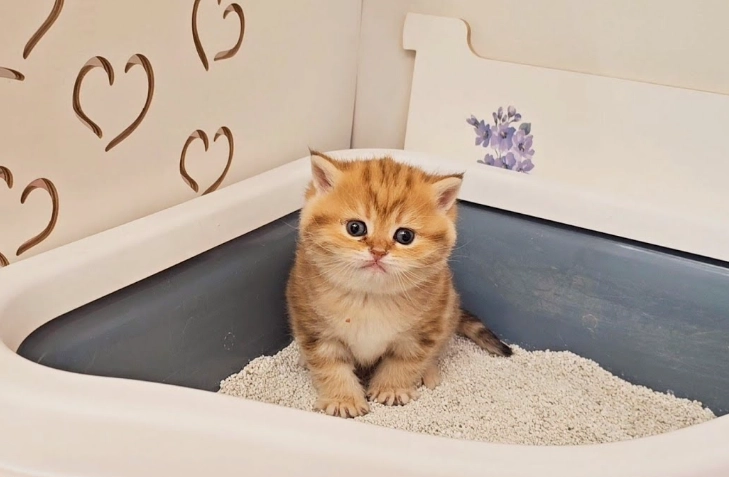
First and Non-Negotiable Step: Rule Out Medical Issues. A sudden change in litter box habits is very often the first sign of a health problem. Urinary tract infections (UTIs), bladder stones, arthritis, diabetes, and kidney issues can all make using the box painful or increase urgency. Before you try any behavioral fix, take your cat to the vet. This isn't optional. Organizations like the ASPCA and veterinary colleges consistently stress this point. A study cited by the Cornell Feline Health Center confirms that medical causes are a primary driver of litter box avoidance.
Once you have a clean bill of health, it's time for a reset.
- The Deep Clean & Fresh Start: Dump all old litter. Scrub the box itself with warm water and a mild, unscented soap (no ammonia or strong citrus smells). Rinse incredibly thoroughly. Any residual smell can offend them. Start with a fresh layer of a neutral, unscented litter.
- Observe and Confine: Just like with a kitten, you may need to temporarily restrict your cat's access. Confine them to a base camp room with all their essentials and a pristine litter box. This removes other options and re-establishes the box as the bathroom.
- Address the Accident Zones: Clean any soiled areas outside the box with a proper enzymatic cleaner like Nature's Miracle or Rocco & Roxie. These break down the proteins in urine and feces that signal "toilet" to a cat. Regular cleaners don't do this.
- Make the Box Irresistible: Ensure it's in a perfect location (quiet, private, accessible). Try a different style of box (switch from covered to uncovered, or get a much larger one). Experiment with a different litter type using the "buffet" method.
Sometimes, for a cat that's really nervous, using a pheromone diffuser like Feliway near the box area can help create a calming association.
Solving Common Litter Box Problems: Your Troubleshooting Guide
Things don't always go smoothly. Here's how to decode and fix the most common issues. Think of this as your diagnostic checklist.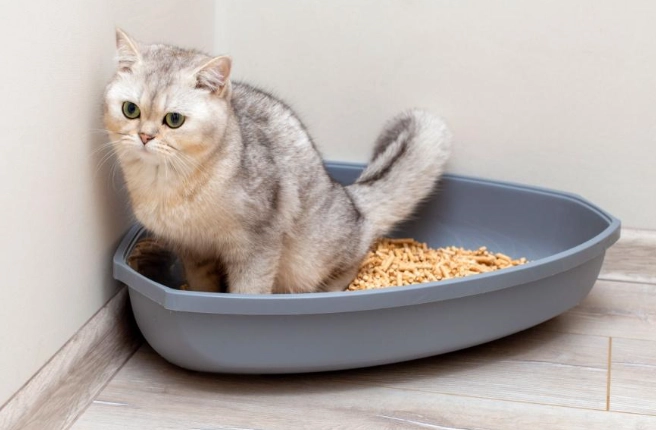
"My cat is peeing/pooping right next to the box."
This is often a complaint about the box itself. It's too small, it's too dirty, the hood is on and they feel trapped, the litter is painful (if they have a UTI), or the sides are too high for them to enter comfortably (common with older, arthritic cats). Try a larger, low-entry, uncovered box and keep it impeccably clean.
"My cat uses the box for pee but not for poop (or vice versa)."
This is strange but happens. Sometimes it indicates they want separate boxes for separate functions (another reason for the N+1 rule!). Try providing an additional, identical box in a different location. It can also be a sign of constipation (making pooping painful) or other gastrointestinal issues, so a vet check is wise.
"My cat suddenly stopped using the box after years."
This is a red flag. Sudden changes in adult cats are almost always medical first, behavioral second. Vet. Now. After that, think about environmental changes: a new pet, a new person, a new noisy appliance near the box, a change in litter brand, a traumatic event at the box (like being ambushed by another pet).
"My cat kicks litter everywhere and makes a huge mess."
This is usually normal digging behavior, just... enthusiastic. Solutions include a top-entry box (though some cats dislike it), a very large high-sided box, or placing the box inside a larger, shallow container (like a under-the-bed storage tray) to catch the scatter. A litter mat helps, but it's a band-aid, not a cure.
The Multi-Cat Household Dynamic
This adds a whole layer of complexity. The golden rule of one box per cat plus one is non-negotiable here. Place boxes in different territories, not all lined up in the basement. This prevents a more dominant cat from blocking access to all boxes. You might even need to use different litter types in different boxes to suit different preferences.
Bullying is a real cause of litter box avoidance. Watch for subtle signs: one cat lurking near boxes, another cat seeming anxious to enter or exit, or one cat only using a box when the other is asleep. Providing multiple escape routes from box areas and using vertical space (like a shelf leading to a box) can help a timid cat feel safer.
Beyond the Basics: Advanced Tips and Your Lingering Questions
You've got the fundamentals down. But you might still have some specific scenarios in mind. Let's tackle them.
How do I litter box train an outdoor cat that's coming indoors? Patience is paramount. They've spent a life going on dirt, grass, or concrete. A very fine, sandy, unscented litter will feel most familiar. The confinement method in a small room is absolutely critical here. They need to learn that this new "dirt" is the only available option. It might take longer, but it works.
Can you train an older cat to use the litter box? Absolutely. The process is the same as for any adult cat. However, you must be hyper-aware of age-related issues. Arthritis makes high-sided boxes painful. Consider a low-entry box or even cutting a low doorway in the side of a storage tub. Place boxes on every floor of the house so they don't have to navigate stairs in a hurry. Kidney issues can increase frequency, so more boxes in more places is key.
What about automatic litter boxes? I have mixed feelings. For some cats and owners, they're a game-changer. For others, they're a disaster. The noise and motion of the cleaning cycle can terrify a skittish cat, leading them to avoid the box entirely. If you want to try one, introduce it as an additional option alongside their trusted old box. Never just replace their familiar box with a scary robot. Let them get used to it while it's turned off for a week or two.
How often should I really scoop? The official answer is at least once a day, preferably twice. My real-world answer? As often as needed so that a fastidious cat is never faced with a dirty box. For one cat, once a day might be fine. For two cats using one box, that might mean three times a day. Completely change the litter and wash the box every 2-4 weeks, depending on the type. If you can smell it, it's way past due for your cat, whose nose is far more sensitive.
I learned the hard way that being lazy about scooping is an invitation for problems. It's the easiest part of cat care to let slide, but it's the one thing that has the most direct impact on whether your litter box training sticks. Set a phone reminder if you have to. Just do it.
Final Thoughts: It's a Partnership, Not a Command
When you break it down, the answer to "how do I get my cat litter box trained?" isn't a secret trick. It's a combination of understanding feline nature, providing the right tools in the right places, and maintaining a clean, appealing environment. It's about listening to your cat when they tell you something is wrong (through their actions, not their words) and responding with a vet visit or an environmental tweak, not frustration.
The process of how to train a cat to use litter box successfully is one of the first and most important ways you communicate and build trust with your cat. Do it with patience and empathy, and you'll set the stage for a long, happy, and accident-free life together. Well, mostly accident-free. They're cats, after all. There's always a chance of a hairball on the rug.
Start with the basics: the right box, the right litter, the right number, the right place. Be clean, be consistent, and be patient. You and your cat will get there.




Join the Conversation