Bearded dragons are fantastic pets, but let's be honest—they're masters at hiding when something's wrong. One day they're basking and chasing crickets, the next they're lethargic and refusing food. The difference between a minor hiccup and a serious bearded dragon health problem often comes down to how quickly you spot the signs. I've seen too many owners wait until their dragon is visibly emaciated or unable to move before seeking help. This guide cuts through the clutter. We'll go beyond the basic lists and dive into the specific, often-missed symptoms, the underlying causes most care sheets ignore, and the actionable steps you can take right now. Whether you're dealing with a soft jaw, runny stools, or just a gut feeling that something's off, you're in the right place.
What You'll Find in This Guide
- How to Spot a Sick Bearded Dragon
- The Top 5 Bearded Dragon Health Problems
- Metabolic Bone Disease: The Silent Crippler
- Internal Parasites: The Unseen Enemy
- Dealing with Diarrhea and Impaction
- Respiratory Infections (URI)
- Your Ultimate Prevention Plan
- When to Call the Reptile Vet
- Your Questions, Answered
How to Identify a Sick Bearded Dragon: The 5 Key Signs
Forget the textbook definitions for a second. A healthy bearded dragon has a certain presence. They're alert, their eyes are bright, and they're interested in their world. Sickness often shows up as a loss of that spark. Here’s what to watch for, in order of importance.
Lethargy and Lack of Appetite: This is the big one. A dragon that's not interested in food for more than two days, or one that sleeps constantly and doesn't bask, is sending a major distress signal. It's not just "being lazy."
Changes in Posture and Movement: Are their back legs dragging? Is their spine curved? Do they struggle to lift their body off the ground? Any stiffness, tremors, or reluctance to move points directly to potential Metabolic Bone Disease or injury.
Abnormal Feces and Urates: Your dragon's waste is a health report card. Watery, foul-smelling diarrhea, undigested food, or blood are red flags. So are hard, chalky, or discolored urates (the white part).
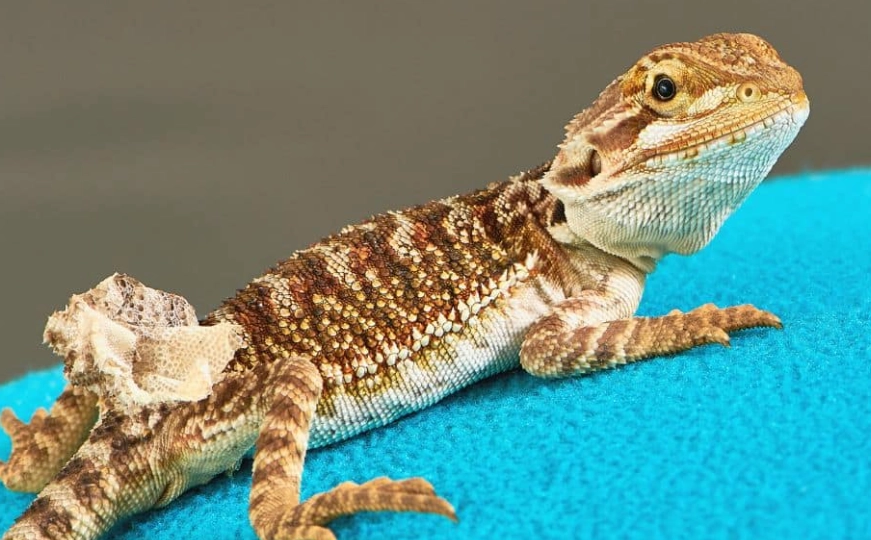
Physical Changes: Run your fingers gently along their jaw. Does it feel soft or rubbery? Check their toes for retained shed that can constrict blood flow. Look for sunken eyes or wrinkled skin, which indicate dehydration.
Breathing Abnormalities: Listen. Wheezing, clicking sounds, mucus bubbles from the nose, or open-mouth breathing (when not thermoregulating) are classic signs of a respiratory infection. Don't ignore a persistent cough.
Pro Tip from Experience: Keep a simple weekly log. Note their weight (a kitchen scale works), appetite, and poop quality. A sudden drop in weight, even with normal eating, is one of the earliest and most reliable indicators of parasites or other internal issues. Most owners never think to weigh their pet until it's visibly thin.
The Top 5 Bearded Dragon Health Problems (And Exactly What to Do)
Based on veterinary case reports from sources like the Association of Reptilian and Amphibian Veterinarians (ARAV) and the Merck Veterinary Manual, these are the issues you're most likely to face. The table below gives you a snapshot, but we'll dig into the nuances next.
| Health Problem | Primary Symptoms | Main Causes | Immediate Action |
|---|---|---|---|
| Metabolic Bone Disease (MBD) | Soft/rubbery jaw, swollen limbs, tremors, curved spine, difficulty walking. | Insufficient UVB light, low dietary calcium, incorrect calcium-to-phosphorus ratio. | Verify UVB tube is correct type/age, dust food with calcium, schedule vet visit for possible injections. |
| Internal Parasites | Lethargy, weight loss despite eating, smelly/runny diarrhea, sometimes no symptoms. | Pinworms, coccidia, flagellates from contaminated food or environment. | Collect fresh fecal sample for vet analysis. Improve enclosure hygiene. |
| Impaction & Diarrhea | No bowel movements, bloated abdomen, straining. Or: watery, frequent stools. | Loose substrate ingestion, oversized feeders, dehydration, parasites, poor diet. | Warm baths, abdominal massage. Switch to solid substrate. For diarrhea, vet check for parasites. |
| Respiratory Infection (URI) | Wheezing, mucus from nose/mouth, open-mouth breathing, lethargy, loss of appetite. | Low temperatures, high humidity, poor ventilation, stress. | Increase basking temp, ensure low humidity, remove drafts. Vet needed for antibiotics. |
| Adenovirus & Atadenovirus | "Wasting away," severe lethargy, neurological issues (star-gazing), chronic infections. | Viral infection, often transmitted from other dragons or parent. | Supportive care, quarantine from other reptiles, vet diagnosis. Focus on stress reduction and nutrition. |
Metabolic Bone Disease: More Than Just "Need Calcium"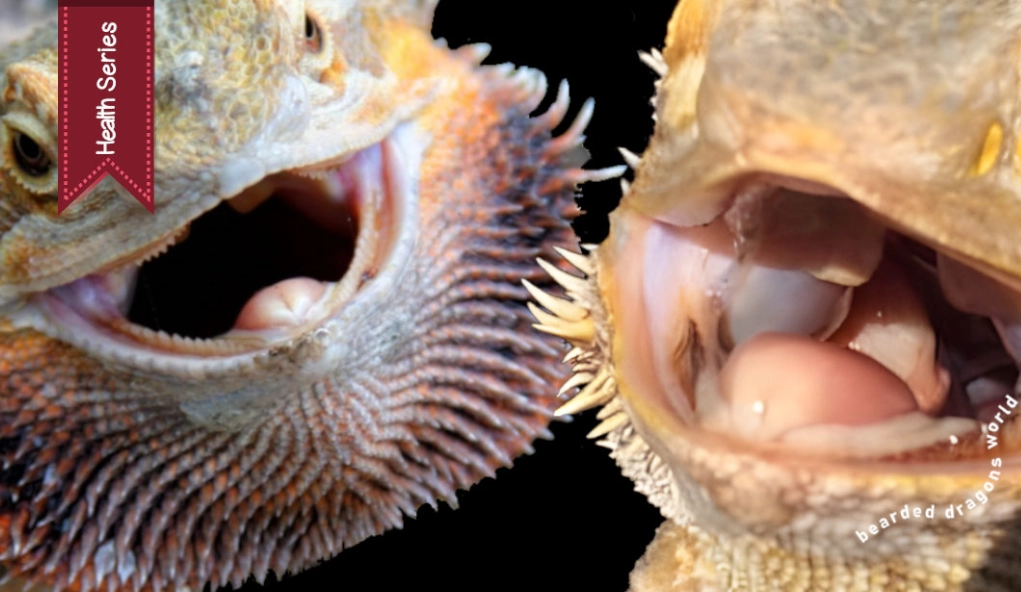
Everyone knows MBD is about calcium. But the biggest mistake I see? Owners think a bowl of calcium powder is the fix. It's not. Without proper UVB lighting, your dragon cannot synthesize vitamin D3 to absorb that calcium. It's like filling a gas tank with a locked cap.
The UVB Light is Non-Negotiable: You need a linear fluorescent tube (like ReptiSun 10.0 or Arcadia 12%) that covers at least 2/3 of the enclosure. It must be mounted inside the screen (mesh blocks 40% of UVB) and replaced every 6-12 months, even if it still lights up. A coil bulb won't cut it for an adult dragon.
Treatment for early-stage MBD involves correcting the environment: proper UVB, correct temperatures (basking spot of 100-110°F for adults), and calcium supplementation. Advanced cases require veterinary intervention, often with calcium injections and specialized care. The bone deformities may not fully reverse, but progression can be halted.
The Parasite Problem: Not All Are Bad
Here's a nuanced view: many bearded dragons have low levels of parasites like pinworms naturally. Problems arise when their immune system is stressed—by poor diet, incorrect temps, or cohabitation—allowing parasites to overpopulate. The symptom is often just "failure to thrive." The dragon eats but doesn't gain weight, or even loses it.
Diagnosis is straightforward: a fresh fecal exam by your vet. Treatment is usually oral dewormers. The real work is prevention: quarantine new reptiles for 90 days, disinfect decor regularly, and avoid feeding wild-caught insects that can carry parasites.
Diarrhea and Impaction: Two Sides of the Gut Coin
Runny stools aren't just messy; they lead to dehydration and nutrient loss. Causes range from parasites to feeding too much watery veg (like iceberg lettuce or watermelon).
Impaction—a blockage in the gut—is often a husbandry error. Feeding crickets or mealworms that are too large, using loose sand/gravel substrate, or having a basking spot that's too cool for proper digestion are the usual suspects. If your dragon hasn't pooped but is still eating, check the basking temp first. If they've stopped eating and look bloated, it's a potential emergency.
A warm bath (95-100°F) with gentle belly massage can help mild cases. For substrate, switch to tile, paper towel, or a non-particulate liner. It's less "natural" but far safer.
Respiratory Infections: It's Usually Too Cold and Damp
Bearded dragons get colds, sort of. But their respiratory infections are almost always environmental. Nighttime temperatures dipping below 70°F (21°C) coupled with high humidity is a common recipe. So is a water bowl that's too large, evaporating and raising humidity.
Listen at night when it's quiet. A faint popping or crackling sound is an early sign. Increase the basking temperature slightly, ensure the cool end is still warm enough (above 75°F), and remove any water bowl at night if humidity is high. If symptoms persist beyond 24-48 hours of correcting the environment, a vet visit is crucial. Bacterial infections require prescribed antibiotics.
Your Ultimate Prevention Plan: It's Cheaper Than the Vet
Most bearded dragon health problems are preventable. This isn't just theory; it's a daily checklist.
- Lighting & Heating: UVB tube replaced on schedule. Basking surface temp (measured with a digital temp gun) at 100-110°F. Cool end around 80°F. Night drop okay, but not below 70°F.
- Diet & Supplementation: Balanced salad daily (collard, mustard, dandelion greens, squash). Appropriate insects (dusted with calcium powder 5x a week, multivitamin 2x a week). No spinach, lettuce, or avocado.
- Hydration: Offer water via misting greens, a shallow bath 2-3 times a week, or a dropper. Many dragons won't drink from a bowl.
- Hygiene: Spot clean feces daily. Deep clean enclosure with reptile-safe disinfectant monthly. Quarantine new animals.
- Stress Reduction: Provide adequate hides. No cohabitation (they are solitary). Handle gently and minimally if they seem stressed.
When to Call the Reptile Vet: No Guilt, Just Action
Don't play doctor. If you see any of the following, it's time to find a qualified reptile vet (search the Association of Reptilian and Amphibian Veterinarians directory):
No eating for more than 3-4 days.
Visible injury, bleeding, or prolapse (tissue coming out of the vent).
Severe lethargy, inability to move limbs, or obvious pain.
Wheezing, bubbly mucus, or labored breathing.
Suspected impaction with bloating and no bowel movement for over a week.
Go in prepared. Bring photos of your setup, a list of their diet, and if possible, a very fresh fecal sample (less than 2 hours old, kept cool). This can save you a trip and get diagnostics started immediately.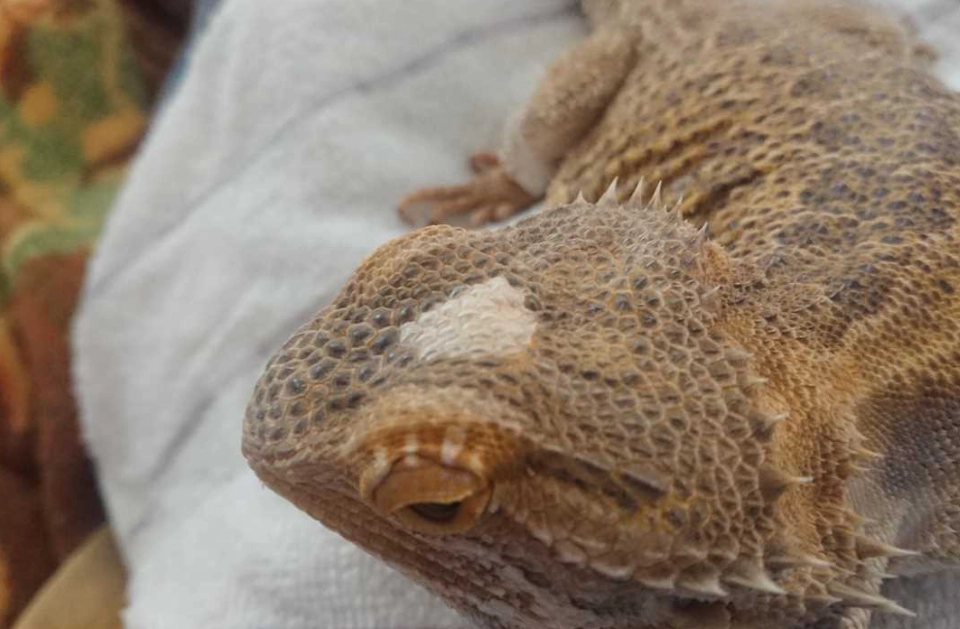
Your Questions, Answered
My bearded dragon hasn't pooped in a week but is still eating. Is this normal?
Not normal, and it's the classic early sign of impaction or low temperatures. First, check your basking surface temperature with a temp gun—it needs to be hot enough for digestion (105-110°F for juveniles). If temps are correct, offer a 20-minute warm bath and gently massage the lower abdomen from side to side. If no results in 24 hours, or if they stop eating, a vet visit is needed to rule out a blockage.
I use a UVB bulb and calcium powder, but my dragon's jaw still feels soft. What am I missing?
You're likely facing one of two common issues. First, the UVB bulb might be the wrong type (coil/compact bulbs are notoriously ineffective for dragons) or it's old and needs replacing, even if it still emits light. Second, you might be over-supplementing with phosphorus. Check your feeder insects—mealworms and superworms are high in phosphorus, which binds calcium. Gut-load your insects with nutritious greens and lean more on dubia roaches or black soldier fly larvae, which have a better calcium-to-phosphorus ratio.
 How can I tell if my bearded dragon is dehydrated?
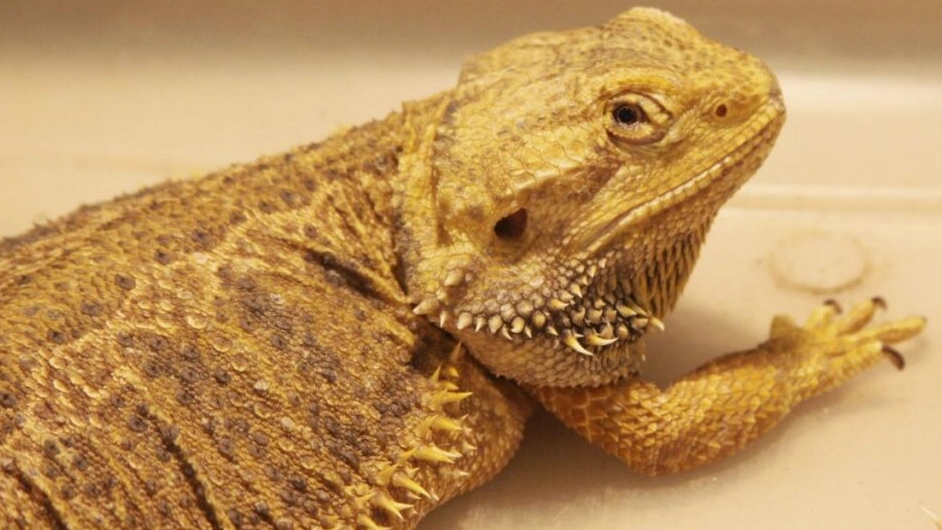
Sunken eyes are a late sign. Check the skin elasticity by gently pinching a fold of skin on their side. In a well-hydrated dragon, it will snap back immediately. If it retracts slowly or stays tented, they're dehydrated. Also, look at their urates—they should be soft and white, not hard, chalky, or yellow. For mild dehydration, offer water via a dropper on their snout or give them a bath they can drink from. Severe dehydration requires veterinary subcutaneous or intravenous fluids.
Are there any "natural" remedies for parasites before going to the vet?
I'm wary of this approach. While some keepers suggest pumpkin seed or papaya, there's no solid evidence they eliminate specific reptile parasites like coccidia or pinworms. What these "remedies" often do is cause a bowel movement, which might flush out some worms, but it doesn't address the infestation. You risk the parasites worsening while you experiment. A vet-prescribed medication like fenbendazole is targeted, effective, and safe when dosed correctly. The fecal exam ($30-$50) tells you exactly what you're dealing with, which is worth every penny.
My dragon's tail is dark and the tip looks shriveled. What is this?
That sounds like tail rot, which is a medical emergency. It's often caused by retained shed constricting blood flow, an injury, or a bite from a cage mate. The tissue is dying. This is not something baths or ointments will cure. It requires immediate veterinary attention, usually with antibiotic treatment and often amputation of the necrotic section to prevent the infection from spreading up the tail and into the body.


Join the Conversation