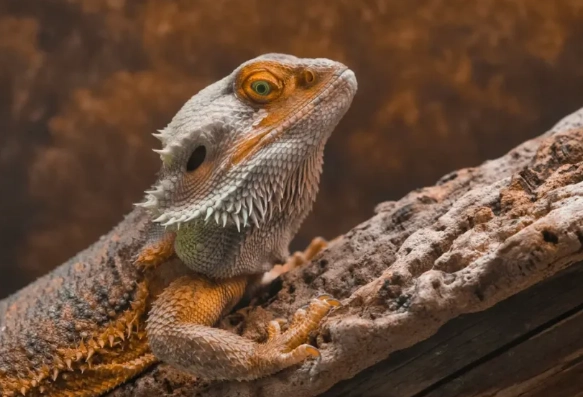
You're watching your bearded dragon, and something feels off. Maybe their walk seems a bit wobbly, or their jaw looks softer than it should. A nagging thought creeps in: could it be a lack of calcium? You're right to be concerned. Calcium deficiency, often leading to Metabolic Bone Disease (MBD), is one of the most common and serious health issues in captive bearded dragons. Spotting it early can mean the difference between a full recovery and permanent disability. Let's break down exactly what you're looking for, why it happens, and most importantly, what you can do about it.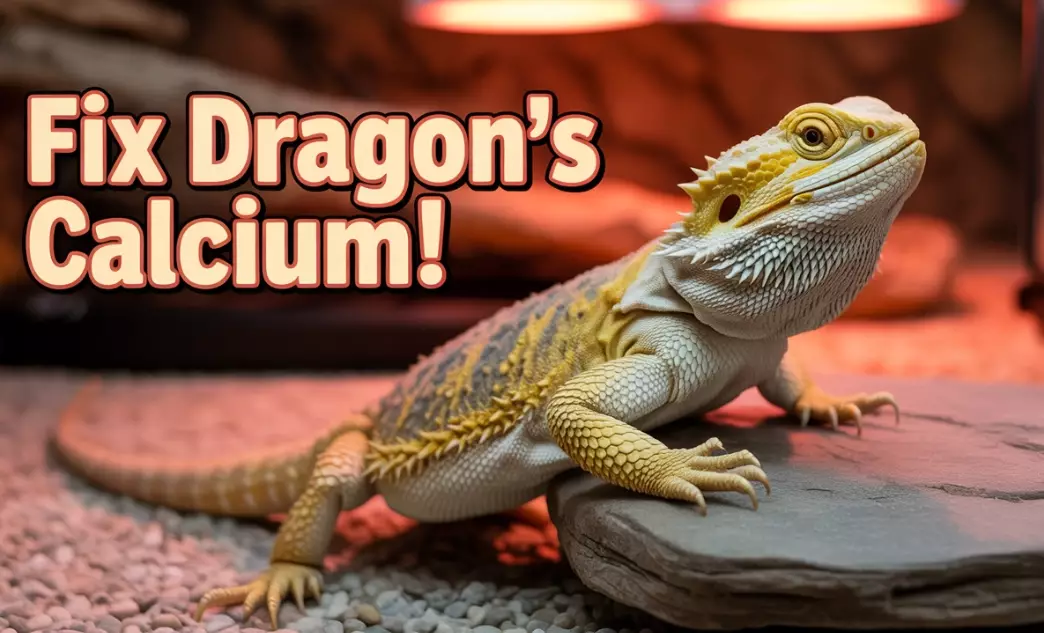
Quick Guide: Navigating Bearded Dragon Calcium Issues
The Symptoms Checklist: From Early Warnings to Severe Signs
Calcium deficiency doesn't appear overnight. It's a slow creep. The early signs are easy to miss, often written off as "just being lazy." But catching them is crucial. Here’s what to monitor, ordered from subtle hints to glaring red flags.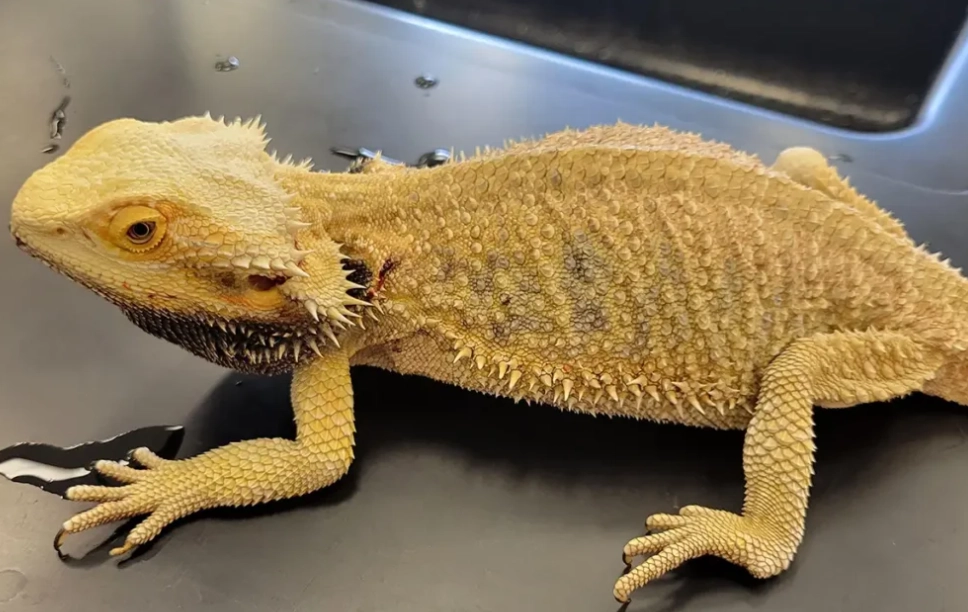
Early-Stage Symptoms (Easy to Miss)
- Lethargy and Reduced Appetite: This is the biggest trickster. Your dragon seems less interested in food, especially calcium-rich greens like collards or dandelion greens. They bask more but move less. Many owners think, "Oh, it's just a slow day." When it becomes a pattern, it's a signal.
- Subtle Tremors or Twitching: Watch their toes and the tips of their tails when they're at rest. Do you see fine, almost imperceptible shaking? This muscle tremoring is an early neurological sign of low blood calcium.
- Softer Jaw: Gently feel the lower jaw (mandible). It should be firm and bony. In early deficiency, it can start to feel slightly spongy or flexible – vets sometimes call this "rubber jaw." Don't force it, just a gentle check.
Mid-Stage Symptoms (Now You're Worried)
If the early signs go unchecked, things get more physical. The body, desperate for calcium, starts leaching it from the bones.
- Swollen or Bowed Limbs: The long bones in the legs may look thickened or have subtle curves. Your dragon might seem "knock-kneed" or have an unusual gait.
- Difficulty Walking or Climbing: They struggle to lift their body off the ground. You might see them dragging their belly or slipping off their usual basking rock. Their coordination is off.
- Constipation or Trouble Passing Urates: Calcium plays a role in muscle contraction, including the muscles that help defecate. You might notice straining or unusually dry, chalky urates.
Here's a mistake I see constantly: People notice their dragon isn't climbing and think, "They're just getting old" or "They're not in the mood." A healthy adult bearded dragon should be able to climb and move with purpose unless they're in brumation. Assume it's a health issue first, not a personality quirk.
Severe Symptoms (Metabolic Bone Disease - A Veterinary Emergency)
This is full-blown Metabolic Bone Disease. The skeleton is critically weak.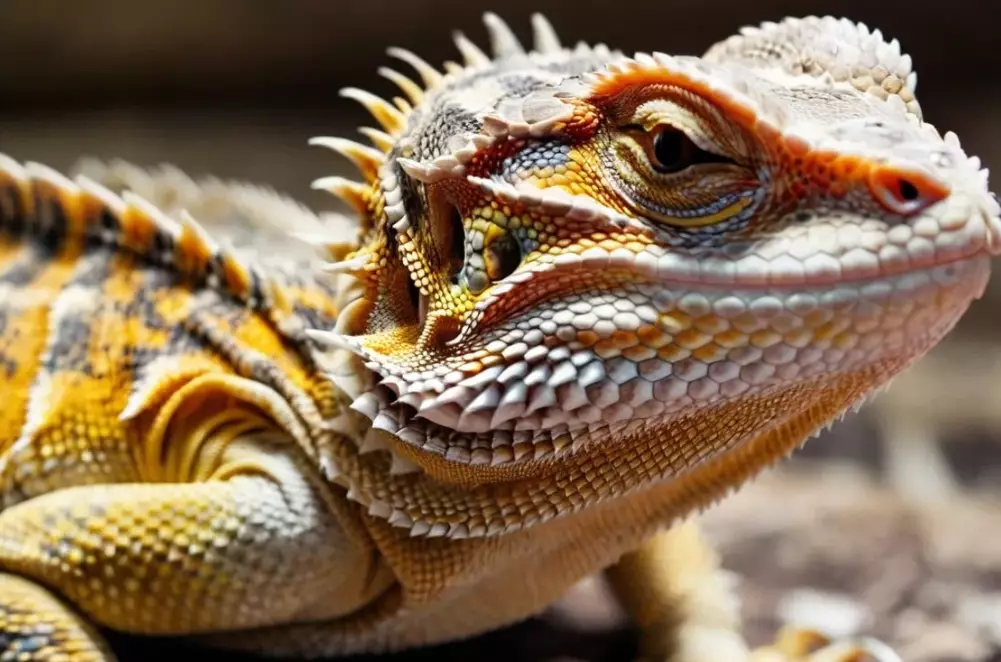
- Visible Bowing or Fractures: Legs are clearly bent or deformed. They may have spontaneous fractures from simple movements.
- Spinal Curvature or Kinks: The tail or spine may have permanent bends or bumps. The classic "jellybean" look on an X-ray shows bones with no density.
- Paralysis or Complete Inability to Move: The rear legs may become completely non-functional. The jaw may be so soft the dragon can't chew.
- Facial Swelling and Seizures: In extreme cases, calcium levels are so low the nervous system goes haywire.
If you see any mid or late-stage signs, your next step isn't online research—it's an immediate vet visit. A reptile veterinarian will need X-rays and likely blood tests to confirm the severity.
Why It Happens: The Three-Legged Stool of Calcium Deficiency
It's rarely just one thing. Think of proper calcium metabolism as a stool that needs three solid legs to stand: Dietary Intake, Proper Absorption, and Correct Excretion. Knock out any one, and the stool falls.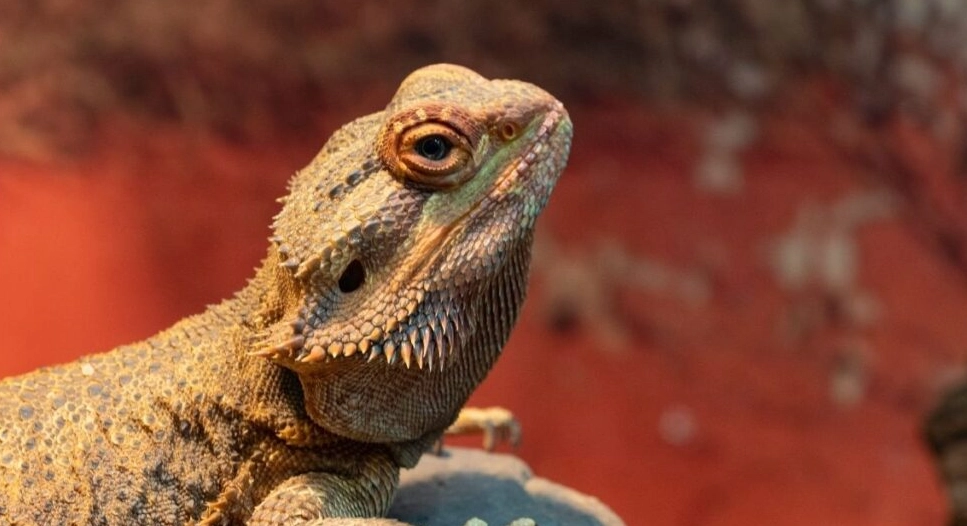
1. Dietary Deficiency: The Most Common Culprit
This isn't just "not enough calcium." It's more nuanced.
- Wrong Calcium Powder: Using a powder without Vitamin D3 for dragons without proper UVB lighting, or using one with D3 alongside a very strong UVB light, can throw the balance off.
- Phosphorus Imbalance: Insects like crickets and mealworms are high in phosphorus, which binds to calcium and prevents absorption. If you're not dusting prey with calcium, you're feeding a calcium-blocking diet.
- Feeding Iceberg Lettuce or Spinach: Iceberg is mostly water with no nutrients. Spinach contains oxalates that bind calcium. Both are terrible staples.
2. Absorption Failure: The UVB Light Problem
This is the leg most hobbyists get wrong. Bearded dragons cannot absorb dietary calcium without Vitamin D3. In the wild, they synthesize D3 from sunlight. In captivity, they need a specific type of UVB light.
The Non-Consensus View: The biggest mistake isn't having no UVB light—it's using an old one or the wrong type. A compact coil UVB bulb is practically useless for a bearded dragon. You need a linear fluorescent tube (like ReptiSun 10.0 or Arcadia 12%) that covers at least half the enclosure and is mounted inside the screen (mesh blocks ~40% of UVB). These bulbs degrade in output long before they burn out. Replace them every 6-12 months, even if they still light up.
3. Underlying Health Issues
Sometimes, the body is the problem. Kidney disease can cause excessive calcium loss. Parasitic infections can damage the gut lining, preventing nutrient absorption. This is why a vet check is vital for chronic cases—you might be doing everything right on the surface, but an internal issue is sabotaging you.
Your Action Plan: Treating a Calcium Deficiency
Treatment depends entirely on severity. Let's walk through the steps.
Step 1: Veterinary Diagnosis and Immediate Care
For anything beyond the faintest early signs, see a vet. They may prescribe:
- Oral or Injectable Calcium: For severe deficiencies, a vet-administered calcium gluconate injection can stabilize blood levels quickly to prevent seizures.
- Calcitonin or Other Medications: In advanced MBD, drugs may be needed to help bones remodel.
- Pain Management: Fractures and bone pain are real. Don't let your dragon suffer.
Ask for a copy of the X-rays. Seeing the difference between healthy, dense bone and the ghostly, thin bones of MBD is a powerful motivator to never let it happen again.
Step 2: The Home Rehabilitation Protocol
After vet stabilization, the real work begins at home. This is a marathon, not a sprint.
- Aggressive, Correct Supplementation: Dust every insect feeding with a phosphorus-free calcium powder (with D3 if your UVB is suboptimal, without D3 if your UVB is perfect). For a recovering dragon, some vets recommend a light dusting on salads too for a period.
- UVB Overhaul: Install a brand new, high-quality linear UVB tube as described above. Ensure basking spots are within the proper distance (check the bulb's spec sheet).
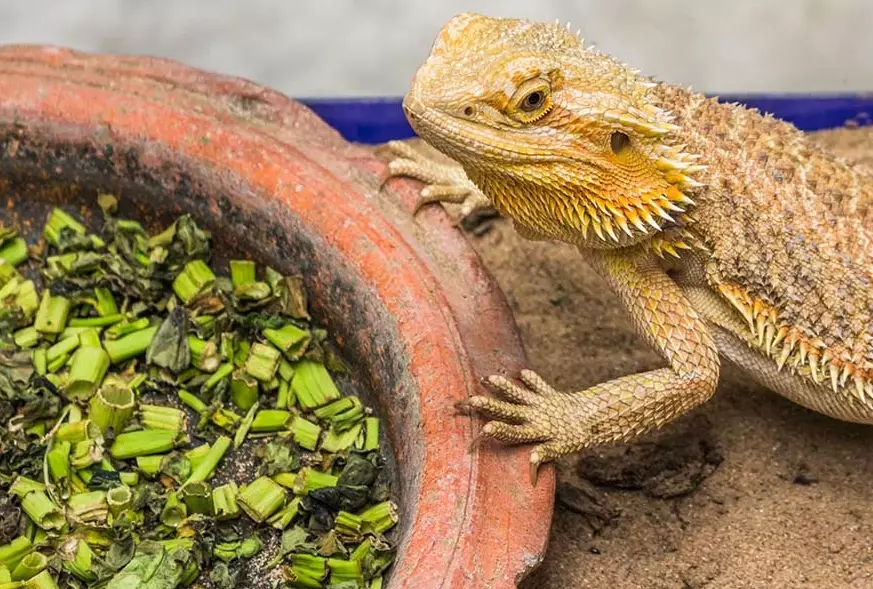
- Diet Reformation: Offer calcium-rich greens daily: collard greens, turnip greens, mustard greens, dandelion greens. Gut-load feeder insects with nutritious veggies for 24+ hours before feeding.
- Environment Safety: Remove all climbing obstacles. Provide low, easy access to basking and food. Use a soft substrate like paper towels to prevent joint stress and allow for easy cleaning.
Building a Bulletproof Prevention Strategy
Prevention is simple, but it requires consistency. Here’s the regimen that works.
- Supplementation Schedule: For juveniles (under 18 months), dust insects with calcium (with D3) 5 times a week and a multivitamin 2 times a week. For adults, calcium on 3-4 insect feedings per week, multivitamin once a week. Adjust D3 based on your UVB confidence.
- The UVB Commandments: Linear tube. Covers 1/2 to 2/3 of enclosure. Mounted inside. Replaced every 10-12 months (mark the date on the fixture!). Basking spot 10-12 inches away for T5 high-output bulbs.
- Smart Feeding: Prioritize gut-loaded insects and nutrient-dense greens. Avoid calcium-poor or oxalate-rich foods as staples. I use a mix of dubia roaches, black soldier fly larvae, and the greens listed above.
- Annual Vet Check: A yearly wellness exam can catch subtle issues before they become deficiencies.
My own dragon, Smaug, had a minor scare years ago with subtle tremors. It turned out my "year-old" UVB bulb was putting out barely any UV. I replaced it on a strict schedule now, and he's been rock-solid ever since. It was a cheap lesson learned the hard way.
Your Questions, Answered
Can I just give my bearded dragon more calcium powder if I think they're deficient?
No, this is dangerous without knowing the cause. If the problem is a lack of Vitamin D3 (from poor UVB), the extra calcium won't be absorbed and can build up in the bloodstream or organs, leading to other issues like hypercalcemia. Always address the UVB and diet first, and see a vet for a proper diagnosis before mega-dosing supplements.
My dragon eats mostly greens, aren't they getting enough calcium from that?
Good greens are a solid source, but insects have a terrible calcium-to-phosphorus ratio. If you're feeding any insects at all (and you should for protein), you're introducing a lot of phosphorus that needs to be balanced with supplemental calcium. A purely vegetarian dragon would still need careful monitoring and likely some supplementation, especially during growth or egg-laying.
 How long does it take to see improvement after starting treatment?
Behavioral improvements—more energy, better appetite—can be seen within days to a week if the underlying cause (like UVB) is fixed. However, bone remodeling and healing fractures is a slow process. It can take months of consistent, correct care to see significant structural improvement. Patience and consistency are non-negotiable.
Are some bearded dragon breeds more prone to calcium deficiency?
No, all bearded dragons (Pogona vitticeps) have the same physiological requirements. However, morphs like Silkbacks or Leatherbacks, which have reduced scales, may have slightly different basking needs to avoid burns, but their calcium needs are identical. Fast-growing juveniles and egg-laying females have the highest demand and are therefore at greatest risk if care is suboptimal.
What's the single most effective change I can make to prevent MBD?
Invest in and maintain a high-quality linear UVB lighting system. It's the cornerstone of calcium metabolism. You can have the perfect diet, but without the UVB to utilize it, the calcium is just passing through. This one piece of equipment does more to prevent metabolic bone disease than any other single factor in captive care.

Join the Conversation