Let's be honest. You've probably watched a video of a dog perfectly heeling through a crowded market and thought, "How?" The secret isn't magic. It's a clear, consistent set of dog training commands and an understanding of how dogs learn. Forget the intimidating jargon. Effective training is about communication, not domination. It starts with a few foundational words and gestures that build a common language between you and your dog. This guide strips away the fluff and gives you the actionable steps, the common pitfalls (I've made most of them), and the subtle tweaks that turn a confused puppy into a responsive companion.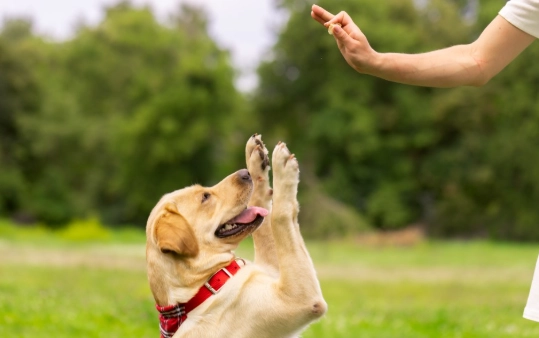
What's Inside This Guide
The 5 Non-Negotiable Basic Dog Training Commands
These aren't just party tricks. These are the building blocks of safety, manners, and mental stimulation. Master these, and you've built 80% of the framework for a well-behaved dog.
1. Sit
The universal "pause" button. Use it at curbs, before meals, when guests arrive. The classic lure method works: hold a treat at your dog's nose, then slowly move it up and back over their head. Their butt will naturally hit the floor. Say "sit" the moment it does, then treat. The rookie mistake? Repeating "sit, sit, sit" as they jump. Say it once, wait, lure if needed.
2. Down
More challenging than sit because it's a more vulnerable position. Start with your dog in a sit. Lure a treat from their nose straight down to the floor between their paws, then slowly pull it forward along the ground. If they pop up, reset. Be patient. This one can take time. A solid "down" is golden for calming an excited dog or keeping them settled at a cafe.
3. Stay
This is really an exercise in impulse control. Start easy. Ask for a sit, say "stay," take one half-step back, immediately step forward, and reward. Duration, distance, and distraction are the three variables. Increase only one at a time. Going too fast is the most common failure point. If they break, just calmly reset. No drama.
4. Come (Recall)
The most important safety command. And the one most people ruin by using it for negative things (like bath time). Make coming to you the best party ever. Use a happy voice, run away a few steps to encourage chasing, and offer high-value treats. Never, ever scold a dog when they finally come, even if it took ten minutes. You'll just teach them that coming ends the fun.
5. Leave It
This command can save your dog's life. It means "don't touch that." Start with a boring treat in your closed fist. Let your dog sniff and paw. The second they back off, even accidentally, click or say "yes!" and reward from your OTHER hand with a better treat. They learn that ignoring the first thing gets them something better. Gradually move to treats on the floor covered by your hand, then not covered.
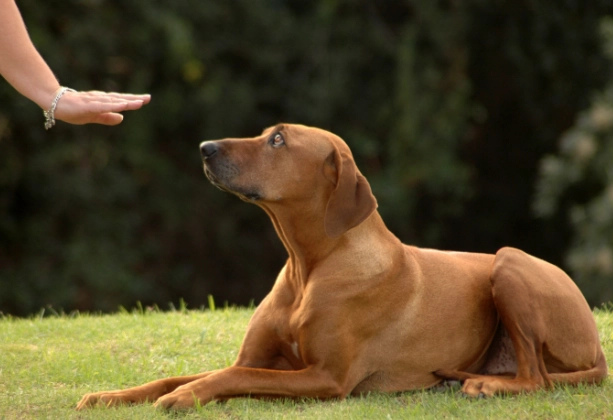
Level Up: Useful Advanced & Safety Commands
Once the basics are solid, these commands add polish, convenience, and an extra layer of safety. They also give your dog's brain a great workout.
Heel vs. Loose Leash Walking: People get these confused. "Heel" is a strict, focused position at your left side. Useful for navigating crowds. "Loose leash walking" simply means no pulling. It's more relaxed. For most owners, nailing loose leash walking is the real game-changer. Stop moving the instant the leash tightens. Only move forward when there's slack. It's tedious but works.
Place" or "Mat: Teaching your dog to go to a specific bed or mat and settle there is a lifesaver during meals, when the doorbell rings, or when you need a break. You can shape this by rewarding any interaction with the mat, then rewarding for sitting on it, then lying down, then staying for longer periods.
Drop It: Different from "Leave It." "Drop It" is for when they already have something in their mouth. Trading is key here. Offer a high-value treat or toy in exchange for what they have. Don't just grab—that can trigger resource guarding.
Here’s a quick look at how these commands stack up in terms of priority and difficulty for the average owner.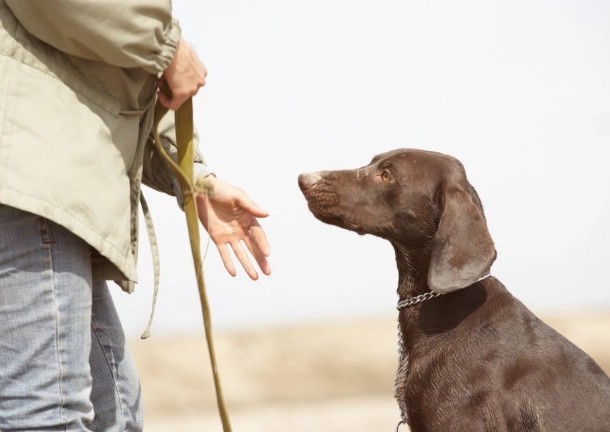
| Command | Primary Use | Difficulty (1-5) | Best Time to Start |
|---|---|---|---|
| Sit | Control, Manners | 1 | Day 1 (Puppy or Adult) |
| Come | Safety | 4 | After bonding, in low-distraction areas |
| Leave It | Safety | 3 | Once dog understands treat-luring |
| Place | Calmness, Management | 3 | After 'Sit' & 'Down' are reliable |
| Heel | Precision Control | 5 | After mastering loose leash walking |
Beyond the Treat Bag: Expert Training Tactics
Anyone can follow a step-by-step guide. The nuance is what separates okay training from great training. Here are insights you won't find in every beginner's pamphlet.
The Timing Trap. Your reward must come within one second of the desired behavior. Mark it with a clicker or a sharp "yes!" to bridge the gap. Rewarding three seconds after they've sat and started looking away teaches them that looking away is what earned the treat.
Variable Reinforcement is Your Friend. Once a behavior is learned, switch from rewarding every time to rewarding randomly. This is the slot machine principle—it makes the behavior more persistent. Ask for three sits in a row, but only treat the first and third. It keeps them guessing and engaged.
The Environment is Part of the Command. A dog that sits perfectly in your kitchen may act deaf in the park. This isn't disobedience; it's a failure to generalize. You have to proof commands by practicing in increasingly distracting environments, lowering your criteria each time you change locations. Don't expect park-level performance if you've only trained in the living room.
It's also worth looking at the science behind modern methods. Organizations like the American Kennel Club (AKC) emphasize force-free, positive reinforcement training as the most effective and humane standard. This isn't just being nice; it's based on how canine brains associate actions with outcomes.
My own turning point came with a stubborn terrier mix who would "down" but then immediately pop up. I was getting frustrated. A mentor watched me and said, "You're asking for a 30-second down but only ever practiced 2-second downs. You're not training the 'stay' part." We broke it down. One second. Reward. Three seconds. Reward. Five seconds. Suddenly, he got it. I was skipping steps.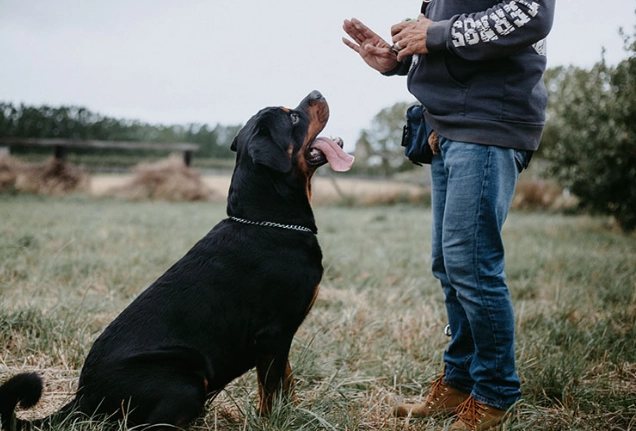
Your Top Training Questions, Answered
The journey of teaching your dog commands is really the journey of building a dialogue. It's messy, it requires patience, and you will have days where you feel like you're speaking different languages. But when your dog glances at a squirrel, feels the tension on the leash, and then looks back at you and chooses to sit—that's the moment it all clicks. That's the partnership you're building, one clear, consistent command at a time.



Join the Conversation