You've brought home this incredible, intelligent creature with bright eyes and curious glances. The excitement is real. But then, maybe an hour later, a quiet panic sets in. Now what? I've been there. My first parrot, a green-cheeked conure named Mango, spent his first week with me mostly staring from a corner of his too-small cage because I had no clue. Caring for a parrot isn't like getting a hamster. It's a 15 to 80-year commitment to a toddler with bolt cutters for a face and the emotional intelligence of a three-year-old. This guide cuts through the overwhelming info and gives you the actionable, foundational steps to not just keep your parrot alive, but to help it truly thrive.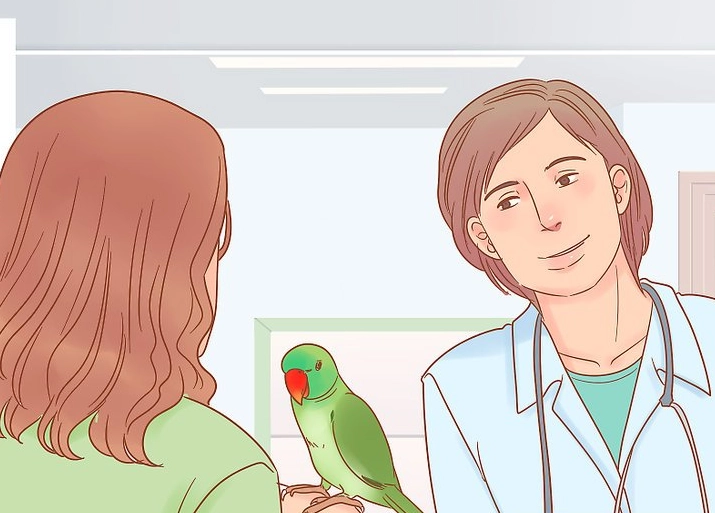
Your Quick Start Guide
Choosing Your First Parrot: It's More Than Just Color
This is the most critical decision, and most beginners get it wrong. You fall in love with a stunning Scarlet Macaw's photo online, but the reality of a 40-inch bird that screams at 105 decibels is a fast track to rehoming. Match the bird to your lifestyle, not your Pinterest board.
Think about it this way:
- Your Daily Schedule: Are you gone 10 hours a day? A highly social African Grey will develop severe psychological issues. A pair of quieter budgies might be okay with each other for company.
- Your Noise Tolerance: All parrots make noise. Some, like cockatoos and conures, are famously loud and frequent vocalizers. Others, like Pionus or Meyers parrots, are known as the "quieter" species (which is still not quiet).
- Your Budget: The bird is the cheapest part. A proper cage, vet fund, high-quality food, and endless toys will cost multiples of the purchase price.
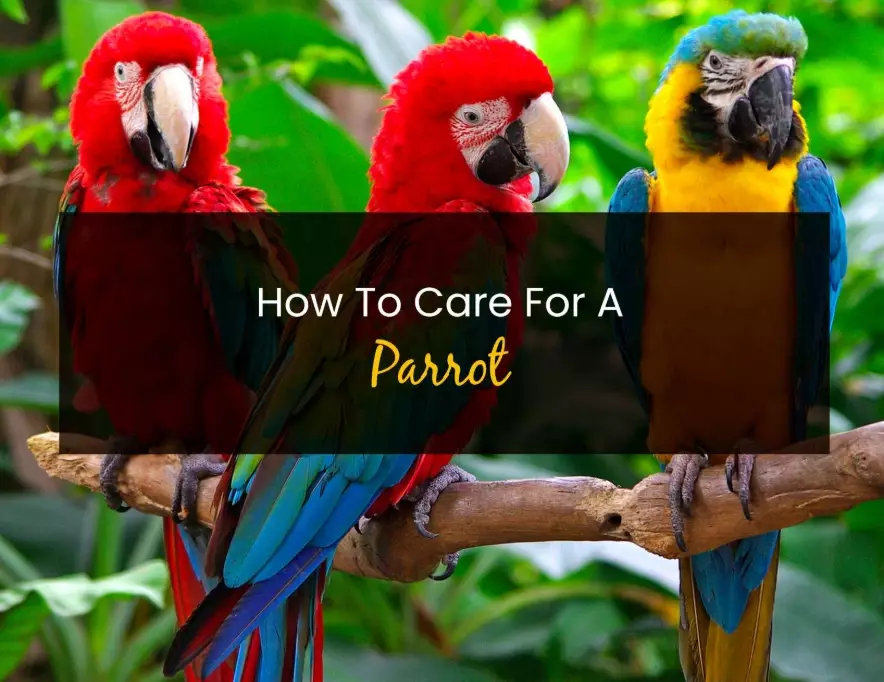
Here’s a blunt comparison of common beginner-friendly species. "Beginner-friendly" here means relatively more forgiving, not easy.
| Species | Size | Average Lifespan | Noise Level | Talking Ability | Key Consideration |
|---|---|---|---|---|---|
| Budgie (Parakeet) | Small | 7-15 years | Low-Medium (chatter) | Good (males) | Needs a friend, surprisingly intelligent. Often underestimated. |
| Cockatiel | Small-Medium | 15-25 years | Low-Medium (whistles) | Fair (whistles tunes) | Gentle, affectionate. Prone to night frights. Dusty. |
| Green-Cheeked Conure | Small-Medium | 25-30 years | Medium (shrieks, chatter) | Fair | Clownish, cuddly. Can be nippy if bored. High energy. |
| African Grey | Medium | 40-60 years | Medium (talk, mimicry) | Exceptional | Extremely intelligent & sensitive. Not for busy homes. Prone to plucking. |
My non-consensus advice? Seriously consider adopting a rehomed adult bird. Their personality is fully formed, so there are fewer surprises. You're also giving a home to a bird that needs one. Rescues like the World Parrot Trust often have birds looking for forever homes.
The Parrot's Home: Setting Up the Perfect Cage
You think a big cage is a luxury. It's not. It's a mental health necessity. A cramped cage leads to boredom, frustration, screaming, and feather-destructive behaviors.
Cage Size: Go Bigger Than You Think
The minimum rule is the bird should be able to fully stretch its wings and flap without hitting the sides. That's the minimum. For a cockatiel, that's about 24"W x 24"D x 30"H. I'd recommend 30"W or more. For a conure, start at 32"W. Width is more important than height because they fly horizontally. The bar spacing is critical—too wide, and they can get their head stuck. For small birds (budgies, cockatiels), 1/2" to 5/8". For medium (conures), 3/4" is safe.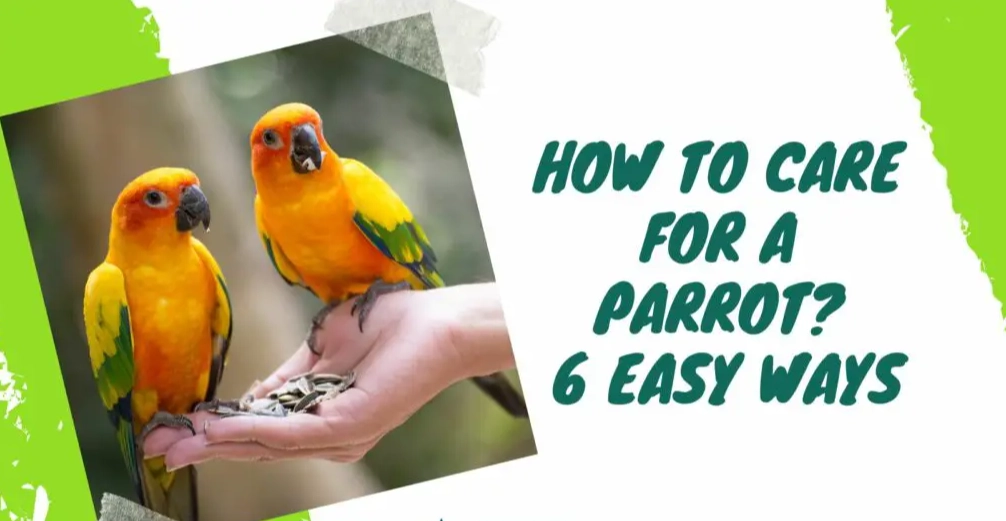
What Goes Inside the Cage
This is where most cages fail.
- Perches: Ditch the uniform, sand-covered dowel perches that come with the cage. They cause foot sores. Provide a variety: natural wood branches (manzanita, dragonwood), rope perches for comfort, and a cement perch near the food area to help with nail filing. Place them at different heights and away from food/water bowls to avoid contamination.
- Toys: Parrots are destructive. If they aren't destroying their toys, they'll destroy your furniture. Provide foraging toys (puzzles they have to solve to get a treat), shredding toys (made of cardboard, sola wood, balsa), and foot toys. Rotate them weekly to prevent boredom.
- Placement: Put the cage in a corner against two walls for security, but in a socially active part of the home (like the living room). Never in the kitchen (fumes from Teflon are fatal) or a dark, lonely hallway. Avoid direct drafts and direct sunlight through a window.
What Do Parrots Eat? Beyond Seeds and Pellets
An all-seed diet is like feeding a child nothing but french fries. It's fatty, deficient in vitamins, and leads to liver disease and a shortened lifespan. The foundation of a modern parrot diet is high-quality, formulated pellets (like Harrisons, Roudybush, or TOP's). These are nutritionally complete.
But pellets are just the base. The real health and happiness come from fresh foods. Aim for about 60% pellets, 40% fresh veggies, fruits, and healthy grains.
Daily Fresh Food Mix Ideas:
- Vegetables (the bulk): Chopped kale, spinach, bell peppers (all colors), sweet potato (cooked), broccoli, carrots, sugar snap peas.
- Fruits (in moderation, high sugar): Berries, apple (no seeds), mango, papaya.
- Grains/Legumes: Cooked quinoa, brown rice, whole wheat pasta, cooked beans (no salt).
Introduce new foods patiently. It can take 20 presentations before a suspicious parrot tries something. Eat the food yourself in front of them—they are flock eaters and learn by mimicking.
Avoid like the plague: Avocado, chocolate, caffeine, alcohol, onion, garlic, fruit pits/seeds (like apple seeds), salty/sugary foods. Also, non-stick cookware fumes (Teflon) are instantly lethal to birds.
Building Trust: How to Tame and Bond With Your Parrot
Forget "taming." Think of it as building trust. This isn't a weekend project. It can take weeks or months. The bird is prey; you are a giant predator. You need to prove you're safe.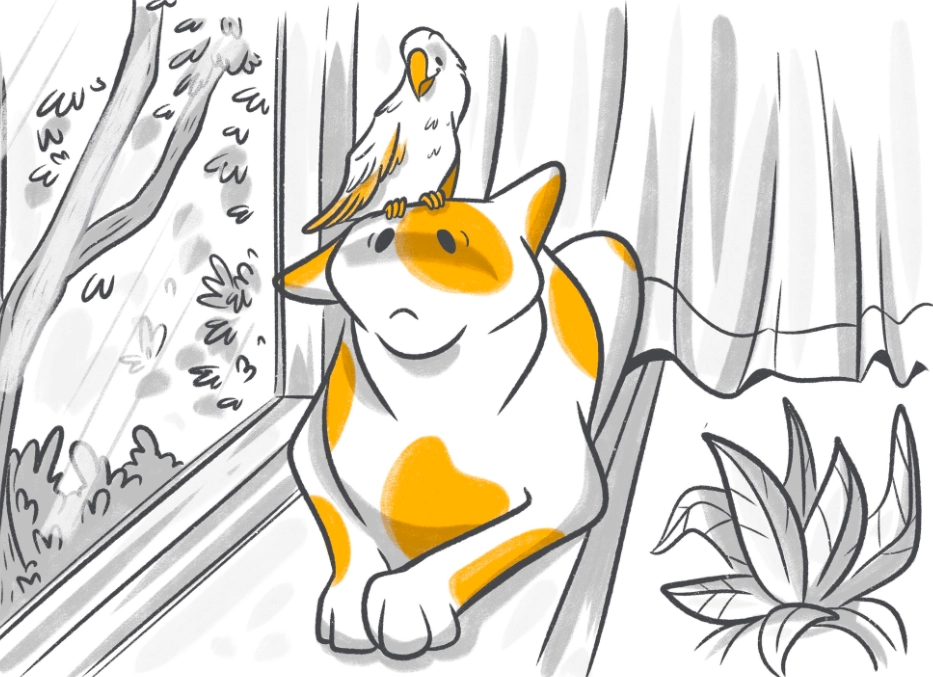
The First Week: The Quiet Observer
Let the bird settle in. Speak softly to it, but don't force interaction. Just sit near the cage, read a book, watch TV. Let it get used to your presence and voice as non-threatening background noise.
Step-Up Training: The Foundation Command
This is teaching your bird to step onto your finger on cue. It's essential for handling.
- Start with the bird in the cage. Present a treat (a piece of walnut, a millet sprig) through the bars.
- Once it takes it reliably, place the treat just out of reach so it must lean toward your hand.
- Next, place your finger like a perch between the bird and the treat, saying "Step up" in a calm, consistent tone.
- When it puts a foot on your finger to reach the treat, praise and give the treat.
Go at the bird's pace. If it backs away, you moved too fast. End each session on a positive note.
Bonding happens through predictable, positive interactions. Set a routine for feeding, playtime, and training. Talk to your bird throughout the day. Scratch its head (only if it solicits it by bowing—never force a pet).
Keeping Your Parrot Healthy: Common Issues to Watch For
Birds hide illness until they are very sick (a prey animal survival instinct). You must become a detective.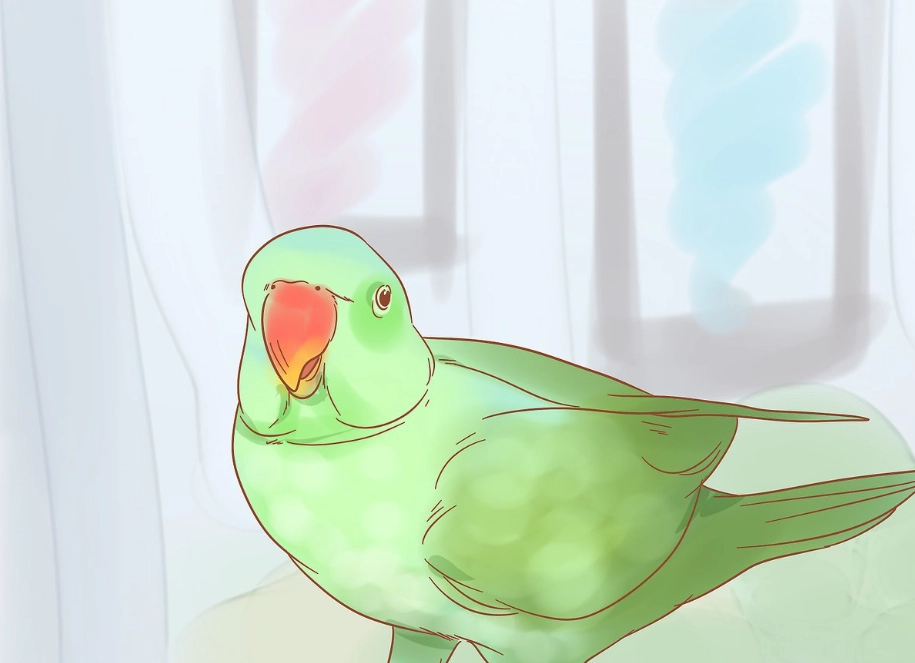
Signs of a Sick Parrot (Require an Avian Vet Immediately):
- Fluffed up feathers for prolonged periods (trying to stay warm).
- Sitting on the cage floor when they normally perch.
- Wheezing, tail bobbing with each breath, or breathing with an open beak.
- Changes in droppings (color, consistency, frequency).
- Discharge from eyes or nostrils.
- Sudden loss of appetite or weight.
Find an Association of Avian Veterinarians (AAV) certified vet before you have an emergency. Regular check-ups (annual) are crucial.
Common beginner-caused health problems include obesity (from seed diets), vitamin A deficiency (from no fresh veggies), and psittacosis. Keep the cage clean, provide a shallow dish for bathing (most love it!), and ensure 10-12 hours of uninterrupted sleep in a dark, quiet place (cover the cage if needed).
The Parrot Owner's Mindset: Patience and Consistency
You will get bitten. You will have a favorite shirt destroyed. There will be mornings with ear-piercing screams. This is par for the course. Reacting with anger or punishment destroys trust. Parrots don't understand punishment; they just learn you are scary.
Instead, manage the environment. If screaming is an issue, figure out the trigger (boredom, attention-seeking, fear). Reward quiet behavior with attention. Provide more foraging toys.
This is a decades-long journey with a creature capable of deep affection and complex communication. The work you put in during these first months sets the tone for your entire relationship. It's challenging, messy, and incredibly rewarding.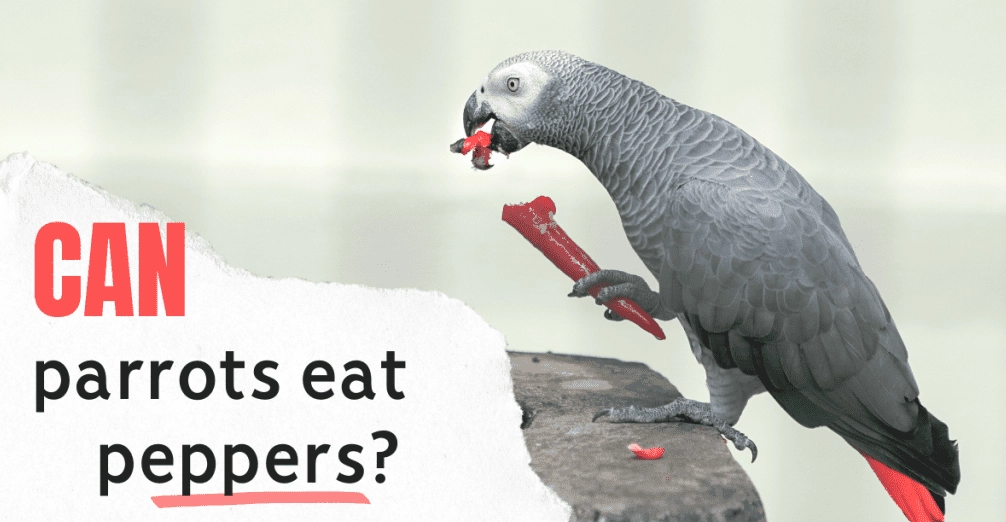
Your Questions Answered
 My parrot screams constantly for attention. What can I do besides yelling back?


Join the Conversation