Getting your parrot's diet wrong is one of the fastest ways to shorten its life. I've seen it too many times—birds brought in with fatty liver disease, vitamin deficiencies, or worse, all because their owners, with the best intentions, fed them like tiny, feathered humans. The truth is, a parrot's digestive system is wildly different from ours. What's healthy for you can be deadly for them. This guide cuts through the confusion and gives you a clear, actionable plan to build a diet that supports a long, vibrant, and squawk-filled life.
Your Quick Guide to Parrot Nutrition
What Constitutes a Healthy Parrot Diet?
Forget the old image of a parrot eating nothing but seeds from a little dish. In the wild, parrots are foragers. They eat a huge variety of foods: nuts, berries, blossoms, leaves, insects, and even clay from riverbanks. Our job is to mimic that diversity and balance in captivity.
The foundation of modern avian nutrition is a high-quality, formulated pellet. Think of pellets as a daily multivitamin that's also food. Brands like Harrison's, Roudybush, and TOP's are often recommended by avian vets because they're designed to provide complete nutrition, eliminating the guesswork. Pellets should make up the majority (60-70%) of your parrot's daily intake.
The next biggest chunk is fresh vegetables (20-30%). These provide essential vitamins, minerals, and fiber. Then, a smaller portion for fruits, healthy grains, and the occasional treat (5-10%).
Here’s a visual breakdown of the ideal daily plate:
| Food Type | Percentage of Diet | Primary Role | Examples |
|---|---|---|---|
| Formulated Pellets | 60-70% | Complete, balanced base nutrition | Harrison's, Roudybush, TOP's |
| Fresh Vegetables | 20-30% | Vitamins, minerals, fiber | Broccoli, kale, sweet potato, bell peppers |
| Fruits & Healthy Extras | 5-10% | Variety, enrichment, treats | Berries, apple, cooked quinoa, sprouted seeds |
The Seed-Only Trap: A diet of only sunflower seeds and peanuts is like feeding a child nothing but french fries and candy. It's high in fat, deficient in almost everything else (like vitamin A and calcium), and a direct path to obesity, liver disease, and a lifespan cut in half. Seeds are treats, not staples.
The Safe Foods List: What You Can Feed
Variety is not just the spice of life; it's a nutritional requirement. Rotate these options to keep your bird interested and healthy.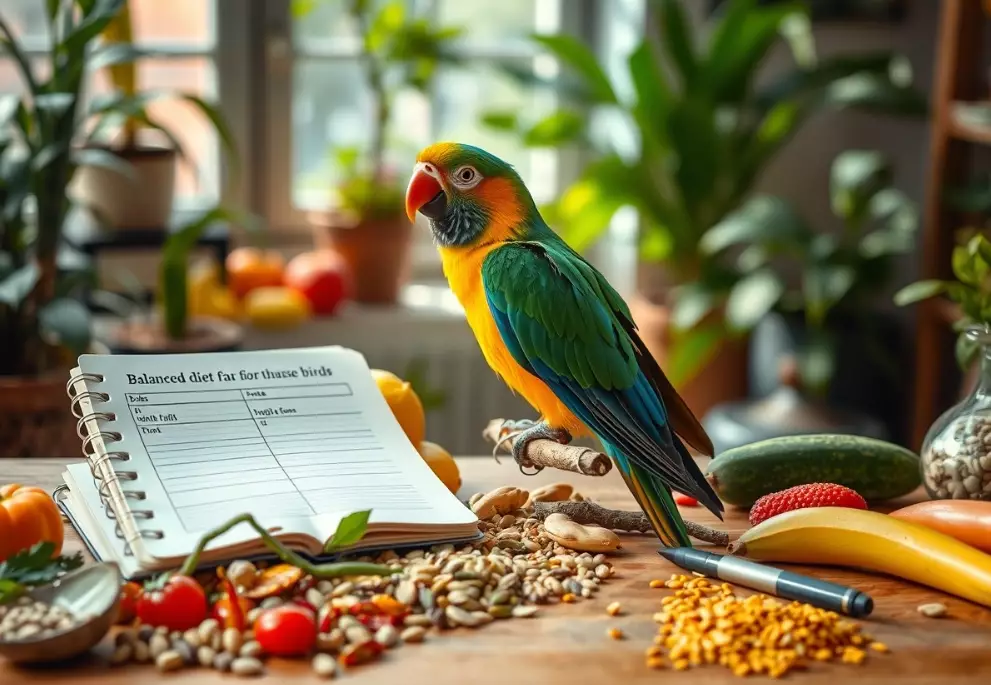
Vegetables (The Powerhouse)
Offer these daily, raw or lightly steamed. Dark, leafy greens are especially important.
- Leafy Greens: Kale, Swiss chard, collard greens, dandelion greens, romaine lettuce.
- Cruciferous Veggies: Broccoli (florets and stems), cauliflower.
- Colorful Veggies: Red, yellow, orange bell peppers (seeds are fine), carrots, sweet potato (cooked), pumpkin.
- Others: Zucchini, cucumber, snap peas, cooked beans (like kidney or black beans—never raw).
An Expert Tip Most Guides Miss: We all say "feed veggies," but few mention antinutrients. Spinach and beet greens contain oxalates, which can bind to calcium. They're fine in moderation but shouldn't be the only green you offer. Rotate them with low-oxalate greens like kale or bok choy.
Fruits (The Occasional Treat)
Fruits are high in natural sugars. Think of them as dessert.
- Berries: Blueberries, raspberries, strawberries (excellent antioxidants).
- Other Fruits: Apple (remove seeds), pear, mango, papaya, melon, peeled orange.
Grains, Legumes & Healthy Proteins
Cooked and unsalted is the rule here.
- Grains: Cooked brown rice, quinoa, barley, oatmeal.
- Legumes: Cooked lentils, chickpeas, black beans.
- Protein: A tiny amount of cooked egg or chicken can be offered rarely for molting or breeding birds. For most pet birds, it's not necessary.
The Danger List: Foods to Avoid at All Costs
Some common human foods are toxic to parrots. This list is non-negotiable.
Immediate Toxins:
- Avocado: Contains persin, causing heart failure and respiratory distress.
- Chocolate & Caffeine: Contains theobromine and caffeine, toxic to their nervous system.
- Onions & Garlic: Can cause anemia by destroying red blood cells.
- Alcohol: Obviously, but even small amounts are dangerous.
- Fruit Pits & Apple Seeds: Contain cyanide. Remove pits from peaches, plums, cherries, and apricots, and core apples.
Other Serious Hazards:
- High-Fat/Salt/Sugar Foods: Fried food, chips, processed meats, candy. Leads to obesity and organ damage.
- Dairy: Parrots are lactose intolerant. Small bits of hard cheese are sometimes tolerated, but it's best avoided.
- Raw Rhubarb, Mushrooms: Toxic.
- Xylitol: This artificial sweetener, found in sugar-free products, is highly toxic.
How to Transition Your Parrot to a Healthier Diet
If your bird is a seed addict, switching cold turkey can backfire—they might starve themselves. You need a slow, smart strategy.
Step 1: The Introduction. Place a small bowl of pellets next to the familiar seed bowl. Let your bird see, ignore, and eventually investigate them. You can put a few pellets in the seed dish so they get mixed in.
Step 2: The Slow Shift. Over 2-3 weeks, very gradually reduce the amount of seed in the main dish while increasing the pellets. A 10% change every few days is a good pace. Always ensure your bird is still eating.
Step 3: The Vegetable Hustle. While transitioning pellets, start offering fresh veggies separately, in the morning when your bird is hungriest. Make it fun! Skewer chunks of pepper and carrot on a stainless-steel kabob. Hang a big leaf of kale from the cage top. Eat some yourself in front of them—parrots are curious and love to share.
Step 4: The Final Mix. Once pellets are accepted, you can move to the recommended ratio: mostly pellets, with daily veggies and occasional fruits/grains.
Dealing with a Picky Eater: My cockatoo, Charlie, used to throw every vegetable out of his bowl. I started making a "chop"—finely chopping his favorite pellets into a mix of grated carrot, minced broccoli, and cooked quinoa. He couldn't pick out the good bits, so he had to eat it all. Now he loves his veggies. Chopping or making birdie bread are great tricks for stubborn parrots.
Your Parrot Diet FAQs Answered
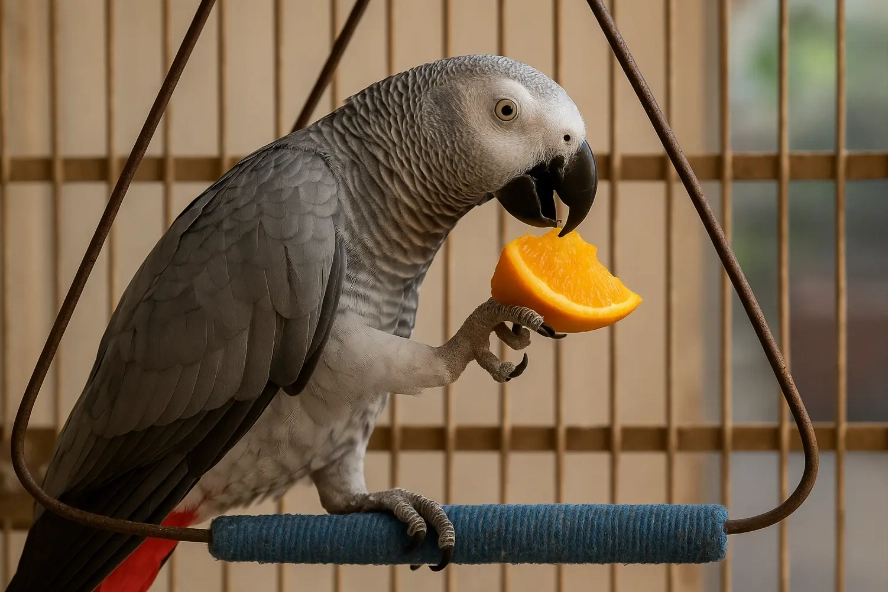 Feeding your parrot well is one of the most profound acts of care you can provide. It directly impacts their energy, feather quality, immune system, and lifespan. Start with a good pellet base, pile on the colorful veggies, and keep the treats smart and sparse. Don't get discouraged by picky habits—persistence and creativity pay off. A healthy diet is the foundation for a decades-long friendship with your brilliant, feathered companion.
Join the Conversation