Quick Guide
Let's be real. The idea of giving your dog a professional-grade grooming session at home can feel pretty daunting. You picture a calm, fluffy dog in a fancy salon video, then look at your own wiggly, dirt-loving buddy and think, "Yeah, right." I've been there. The first time I tried to trim my Labrador's nails, it was a two-person job involving treats, a towel, and a lot of deep breathing (from me, not the dog). But here's the thing – learning professional dog grooming tips for beginners at home isn't just about saving money on salon visits (though that's a nice bonus). It's about bonding with your pet, monitoring their health up close, and making sure they're comfortable. You can absolutely do this.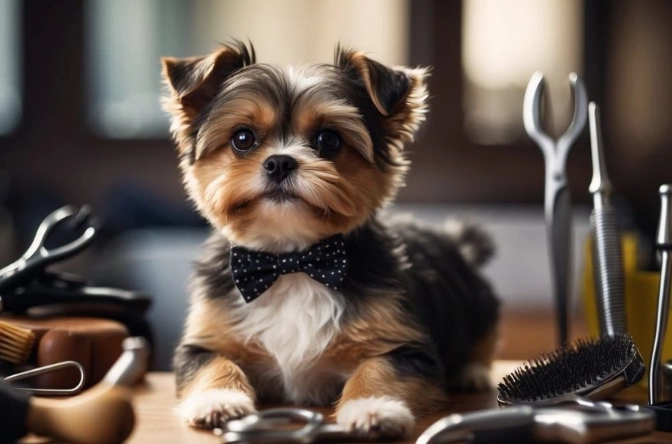
This guide isn't about turning you into an overnight expert. It's about giving you the clear, step-by-step, tried-and-tested methods that actually work in a real home, with a real dog who might not want to sit still. We'll ditch the confusing jargon and focus on what you need to know, what tools you actually need to buy, and how to avoid the common pitfalls that make the process stressful.
Why Bother with Home Grooming Anyway?
Before we dive into the how, let's talk about the why. Sure, the pros are great, but there are some solid reasons to learn how to groom your dog at home.
For one, it builds massive trust. Your dog learns to accept your touch everywhere – paws, ears, face. That trust translates to easier vet visits and handling. You also become the first line of defense for their health. While brushing, you might find a hidden tick, a weird skin lump, or a patch of dry skin you'd never see otherwise. Catching things early is a big deal.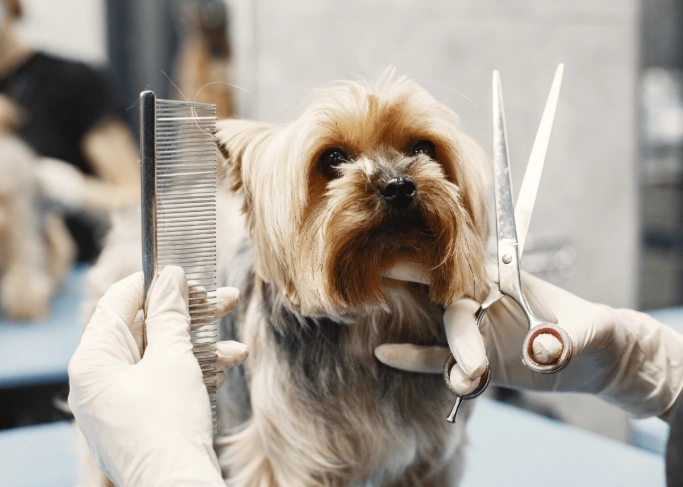
Then there's the stress factor. Some dogs are terrified of the car ride, the strange smells, and the other animals at the groomer's. Your home is their safe space. Doing it there, with your familiar voice and hands, can be a much calmer experience for an anxious pup. And let's not forget the cost. Regular professional grooming adds up fast. Mastering the basics at home means you can stretch the time between professional visits or just handle the maintenance yourself.
But the biggest reason? It's a bonding activity. It's quiet, focused time with your pet. When done right (and we'll get to that), it's a calm, positive experience for both of you.
The Non-Negotiable Toolkit: What You Really Need to Start
You don't need a salon's worth of equipment. In fact, buying too much at once is overwhelming. Focus on these core items, tailored to your dog's coat type. A common mistake beginners make is using the wrong brush, which does nothing or even hurts the dog.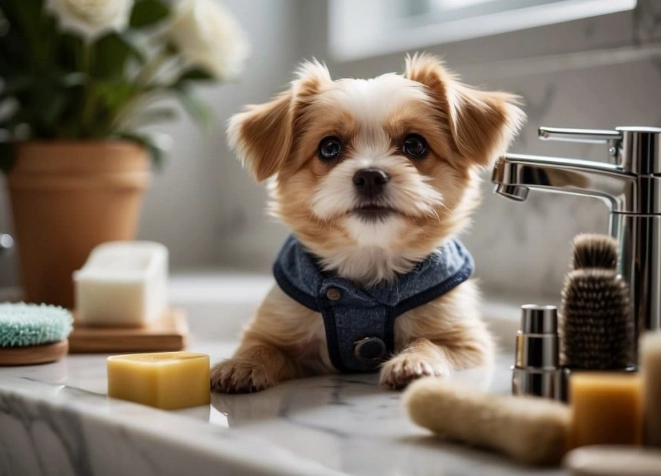
Here’s a breakdown of the essentials. I've split them into what you must have, what's nice to have later, and what to avoid unless you're trained.
| Tool Category | Specific Tools & Their Purpose | Best For Coat Type |
|---|---|---|
| The Brushing Essentials | Slicker Brush: Removes mats, tangles, and dead undercoat. The workhorse. Undercoat Rake (for double coats): Gets the thick, soft undercoat that sheds. Bristle Brush or Rubber Curry: For short-haired dogs to distribute oils and grab loose hair. Metal Comb: The final check. If it glides through the coat after brushing, you're done. |
Slicker/Comb: All coats. Rake: Huskies, Shepherds, Retrievers. Curry: Boxers, Pugs, Bulldogs. |
| Bath Time Must-Haves | Dog-Specific Shampoo & Conditioner: Human pH is wrong for dogs. Get a gentle, moisturizing one. Non-Slip Mat: Safety first. A scared dog on a slippery surface is an accident waiting to happen. Handheld Sprayer or Pitcher: For thorough, controlled rinsing. A detachable showerhead is perfect. Multiple Towels: Microfiber towels are super absorbent. Have more than you think you'll need. |
Every single dog, regardless of size or coat. |
| Drying & Finishing | High-Velocity Pet Dryer (or powerful human hair dryer): Cuts drying time drastically and helps blow out loose undercoat. Never use high heat. Nail Clippers or Grinder: Guillotine or scissor-style clippers. Grinders are great for dogs scared of the clip sound. Ear Cleanser & Cotton Balls: For routine cleaning, not Q-tips which can damage the ear. |
Dryer: Especially for thick/long coats. Nail tools: All dogs. Ear care: All dogs, especially floppy-eared ones. |
| Advanced (Use with Caution) | Thinning Shears: To blend and soften scissor lines without creating harsh steps. Chunkers or Blending Shears: Remove bulk more softly than regular shears. Electric Clippers: For all-over trims or sanitary areas. Requires practice to avoid clipper burn and lines. |
Owners ready to move beyond basic maintenance after mastering brushing/bathing/nails. |
Okay, you've got your gear. Now, let's talk about the single most important factor for success: your dog's state of mind. You can't force a terrified dog to accept grooming. The goal is to make it a positive, or at least neutral, experience.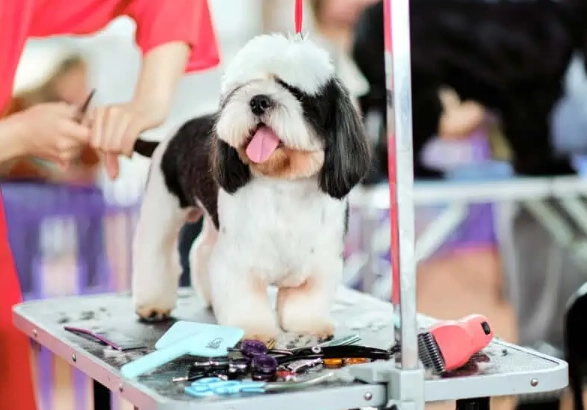
The Mindset & Prep Work: Making Grooming a Positive Experience
This is the part most guides gloss over, but it's everything. If your dog fights you every step of the way, you'll both hate it. The key is to break everything down into tiny, rewardable steps. This is where professional dog grooming tips for beginners at home truly shine – it's about technique and psychology.
Start by just getting your dog used to being handled. When you're watching TV, gently hold a paw for a few seconds, then give a treat. Touch their ears. Lift their chin. Make it boring and rewarding, not something that only happens when the scary tools come out.
Introduce tools slowly. Let them sniff the brush, then treat. Turn the nail grinder on from across the room, treat. Pair the sight and sound of the tool with something amazing (like chicken or cheese). This process, called desensitization, takes patience but pays off forever.
Choose your time wisely. Don't try to groom a dog right after they've eaten or when they're full of energy. A slightly tired, post-walk dog is often more cooperative. Have all your tools, treats, and towels set up before you bring the dog in. Fumbling for something while trying to hold a leash is a recipe for chaos.
Now, let's get into the meat of it – the actual step-by-step process.
The Step-by-Step Home Grooming Routine
Think of this as a recipe. Follow the order, and things tend to go smoother.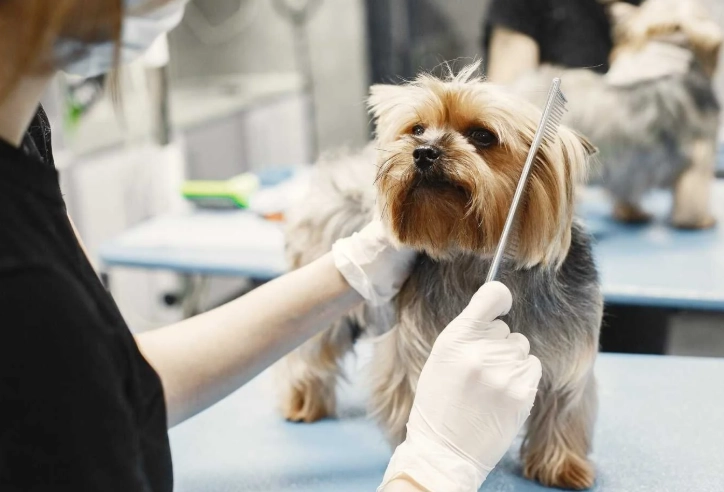
Step 1: The Pre-Bath Brush-Out
Never, and I mean never, bathe a matted dog. Water will tighten mats into impossible, painful solid clumps. Your first job is a thorough brush-out.
Start with the slicker brush. Work in sections, holding the hair at the base near the skin to avoid pulling on the skin itself. Brush in the direction of hair growth, lifting the coat layer by layer. Pay special attention to high-friction areas: behind the ears, under the collar, the armpits, and the back of the hind legs. These are matting hotspots.
Follow up with the metal comb. After you think you're done brushing, take the comb and try to run it from the skin all the way to the tip of the hair. If it gets stuck, you've found a tangle or mat you missed. Go back with the slicker brush or, for stubborn mats, carefully work them apart with your fingers and the comb from the tips inward. For severe pelt-like mats, it's safer to consult a professional groomer to shave them out. Cutting mats with scissors is incredibly dangerous as you can easily cut the skin trapped inside the knot.
Honestly, this is the most time-consuming part, but it's non-negotiable. A good brush-out can take 15-30 minutes for a long-haired dog. Put on some music, be patient.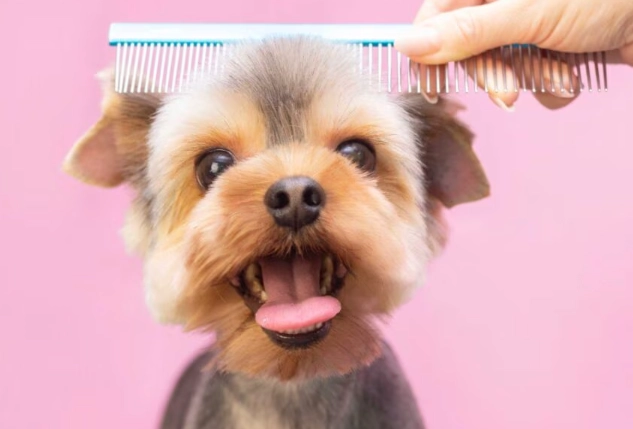
Step 2: The Bath – It's Not Just Sudsing Up
Place your non-slip mat in the tub or shower. For small dogs, a sink with a sprayer might be easier. Use lukewarm water – test it on your inner wrist like a baby's bottle. Water that's too hot is painful for their skin.
Completely wet your dog down to the skin. This is where a good sprayer is key. Then, apply shampoo diluted with a bit of water (it spreads easier). Start at the neck and work back, avoiding the eyes and ears directly. Lather the body, legs, belly, and tail. Don't forget between the toes!
Now, the most important part: rinse, rinse, and rinse again. Shampoo residue is the number one cause of itchy skin after a bath. Rinse until the water runs completely clear and you can't feel any slickness on the coat. Lift the fur to rinse the undercoat.
If using conditioner, apply it now, let it sit for a few minutes as directed, and then perform another ultra-thorough rinse.
Step 3: The Dry – Patience is a Virtue
First, towel dry vigorously. Squeeze and press, don't rub in circles which can tangle the hair. Use multiple towels. For dogs that tolerate it, a high-velocity dryer is a game-changer. It blows water out of the coat and, more importantly, blows out a ton of loose undercoat you missed during brushing.
Keep the dryer on a warm or cool setting, never hot. Keep it moving constantly and at a bit of a distance. Use your hand to feel the skin temperature to make sure it's not getting too warm. Direct the airflow with the lay of the hair to smooth it. This process can be loud, so go slow and offer treats.
For dogs terrified of dryers, you'll have to rely on towels and air drying in a warm, draft-free room. Just know that air-drying a thick coat can take hours and can sometimes lead to mildew smell or matting if the dog isn't brushed as it dries.
Once the coat is about 90% dry, give it one more light brush-through with a slicker or pin brush to fluff it up and check for any new tangles that formed during washing.
Step 4: The Finishing Touches – Nails, Ears, Paws
This is where those professional dog grooming tips for beginners at home really add polish.
Nails: The goal is to trim the clear tip, avoiding the "quick" – the pink, blood-filled nerve inside the nail. In light nails, it's visible. In black nails, it's hidden. For black nails, trim tiny slivers at a time and look at the cross-section. When you see a black dot surrounded by a white/grayish ring, you're nearing the quick. Stop. If you accidentally cut the quick, it will bleed. Have styptic powder (like Kwik Stop) on hand to immediately press on the nail to stop the bleeding. It's not the end of the world, but it's stressful. A grinder lets you slowly wear down the nail without the risk of a major clip, though it can be a slower process.
Ears: Squeeze a vet-recommended ear cleaner into the ear canal (don't stick the bottle tip in!). Gently massage the base of the ear for 20 seconds – you'll hear a squishing sound. Let your dog shake their head (this is the messy part). Then, use a cotton ball to wipe out the visible part of the outer ear canal and the inner ear flap. Never go digging deeper than you can see. For reliable guidance on safe ear cleaning, the American Veterinary Medical Association (AVMA) provides a clear overview.
Paw Pads: Use blunt-tipped scissors to carefully trim any long hair growing between the paw pads. This hair can mat, collect ice balls in winter, and cause slipping on smooth floors.
Tackling Specific Coat Types & Common Challenges
A one-size-fits-all approach doesn't work. Here’s a quick look at different needs:
- Double-Coated Breeds (Huskies, Golden Retrievers, German Shepherds): Your main enemy is the undercoat. The undercoat rake is your best friend, especially during shedding season. Never shave a double-coated dog. It ruins their natural insulation and temperature regulation. Your job is to brush out the dead undercoat, not remove the protective topcoat. The American Kennel Club (AKC) has excellent resources on why shaving these breeds is harmful.
- Curly/Wool Coats (Poodles, Bichons, Doodles): These coats mat if you look at them wrong. Daily or every-other-day brushing with a slicker and comb is mandatory. They often benefit from professional clipping every 4-8 weeks, but your home maintenance prevents painful matting between visits.
- Short, Smooth Coats (Dobermans, Beagles, Dachshunds): Low maintenance for brushing, but they shed a lot of fine hair. A rubber curry brush or a grooming mitt during bath time will grab that loose hair beautifully. They still need all the other care (nails, ears, etc.).
- Long, Silky Coats (Yorkshire Terriers, Maltese, Afghan Hounds): This is high-commitment grooming. Keeping the hair in a protective top knot to prevent eye irritation, daily full-length brushing to prevent tangles, and often keeping the body coat clipped short for practicality are all considerations.
Answering Your Big Questions (FAQ)
You won't be perfect the first time. You might cut a nail too short or miss a bunch of undercoat. That's okay. The goal is progress, not perfection. Each session, you and your dog learn a little more. You'll figure out what works for your unique buddy.
Remember, the core of these professional dog grooming tips for beginners at home is about care, not just cosmetics. It's about the health check, the bonding, and the comfort of your pet. Start slow, be patient with yourself and your dog, and celebrate the small wins. Before you know it, you'll have a routine that keeps your dog looking great, feeling healthy, and strengthening that unbreakable bond between you.
Join the Conversation