Quick Guide
- It All Starts in the Wild: Understanding the Bunny Gut
- The Core Four: Building the Perfect Rabbit Diet
- The "Drink" Part of the Equation: Water is Non-Negotiable
- Foods That Are a Hard "NO" – The Danger List
- Tailoring the Diet: Life Stages & Special Situations
- Answering Your Burning Questions
- Putting It All Together: A Sample Daily Routine
If you've just brought home a fluffy bundle of joy or you're looking to up your bunny care game, you've probably typed that exact question into Google. "What is a rabbits diet and drink?" seems simple, right? But then you start digging, and you get a hundred different answers. Some say just pellets, others scream about unlimited hay, and don't get me started on the veggie debate. It's enough to make your head spin.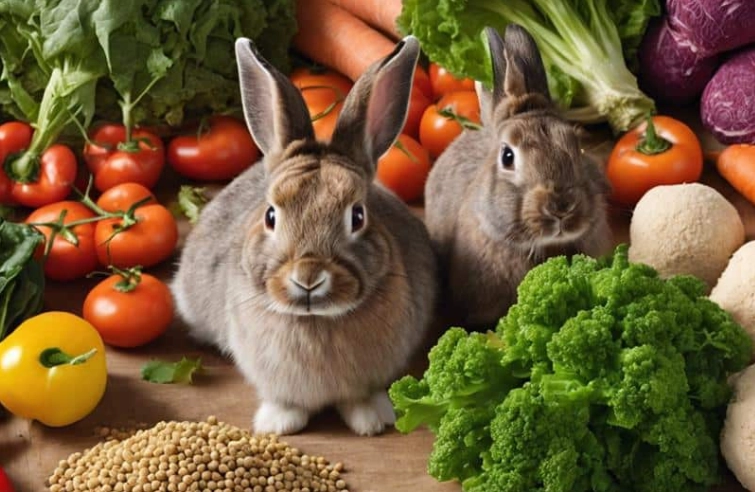
I remember when I got my first rabbit, Thumper. I thought I was doing great with a bowl of colorful pellets and the occasional carrot treat. Boy, was I wrong. A quick, worried trip to a rabbit-savvy vet (which is crucial, by the way – not all vets know bunnies) set me straight. That experience taught me that getting a rabbit's diet and drink right isn't just about keeping them full; it's the absolute cornerstone of their health, happiness, and longevity. A messed-up diet leads to a world of problems – dental disease, painful gut stasis, obesity. It's serious stuff.
So, let's cut through the noise. This isn't a dry, textbook list. Think of it as a chat from one rabbit owner to another, pulling together what actually works, what the experts say, and the little details that make all the difference.
It All Starts in the Wild: Understanding the Bunny Gut
To really grasp what is a rabbits diet and drink, you need to think like a rabbit. And in the wild, rabbits aren't snacking on bread crusts or yogurt drops. They're foraging machines. Their natural diet is overwhelmingly made up of one thing: fibrous, abrasive, low-calorie grasses and plants.
Their digestive system is a finely tuned fermentation vat. They eat a lot of roughage, which wears down their constantly growing teeth and gets fermented in a large organ called the cecum. Here's the quirky part – they then produce special droppings called cecotropes (or "night feces") which they re-ingest directly from their, well, bottom. Sounds gross, but it's vital! This process lets them absorb essential nutrients and vitamins, like B vitamins, produced by the gut bacteria during that second pass.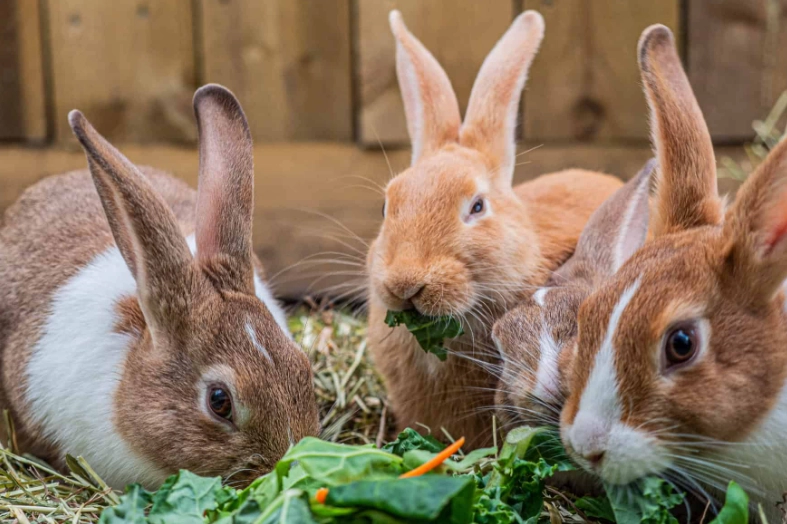
The Core Four: Building the Perfect Rabbit Diet
Translating that wild diet to your living room means focusing on four key components. Getting the balance right is everything.
Unlimited Grass Hay: The 80% Foundation
This isn't just food; it's bedding, dental care, and gut motility all in one. Hay should make up about 80% of everything your rabbit eats. It's that important.
Timothy hay is the gold standard for adult rabbits. It's perfectly balanced in fiber, protein, and calcium. Orchard grass and meadow hay are excellent alternatives and sometimes preferred by pickier eaters. For young bunnies (under 7 months), alfalfa hay is recommended because of its higher protein and calcium for growth, but you must switch adults off it – it's too rich and can cause urinary and weight issues.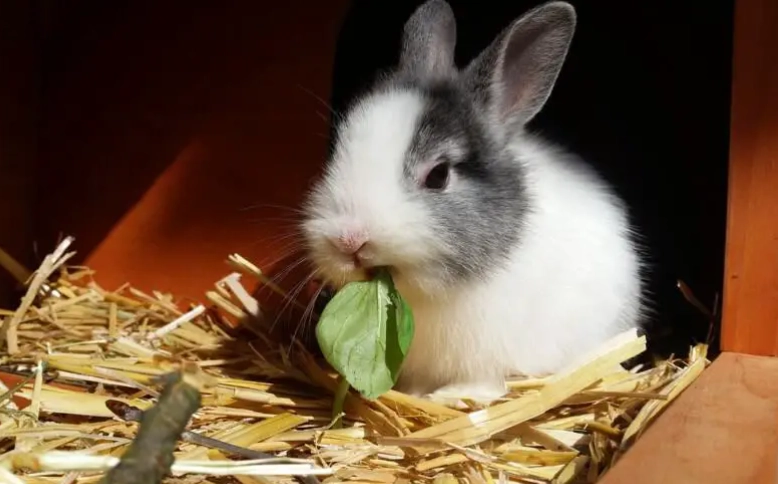
The hay must be fresh, sweet-smelling, and greenish. Dusty, brown, or moldy hay is a big no-no and can cause respiratory and digestive problems. I buy from a local farm now; the difference in smell and quality from some big-box store bags is night and day.
Fresh, Leafy Greens: The Daily Veggie Boost
This is where variety and moderation come in. Think dark, leafy greens. A good rule of thumb is about 1 packed cup of greens per 2 lbs of body weight daily. Introduce new greens one at a time and in small amounts to watch for soft stools.
Top Picks: Romaine lettuce, green/red leaf lettuce, cilantro, parsley, dill, mint, carrot tops (the greens, not the carrot yet!), bok choy, basil, and arugula. Kale and spinach are okay but should be fed sparingly due to higher oxalates which can interfere with calcium absorption.
High-Quality Pellets: The Vitamin Top-Up (Not the Main Course!)
This is where many people go wrong. Pellets are a concentrated supplement, not the staple. Look for plain, green pellets made from timothy hay for adults (alfalfa-based for kits). Avoid the colorful mixes with seeds, corn, and dried fruit – those are junk food that promote selective, unhealthy eating.
Quantity is critical. For an average 5-6 lb adult rabbit, you're looking at only 1/4 to 1/2 cup per day. Yes, that's it. Overfeeding pellets is a direct path to an obese rabbit who ignores their hay.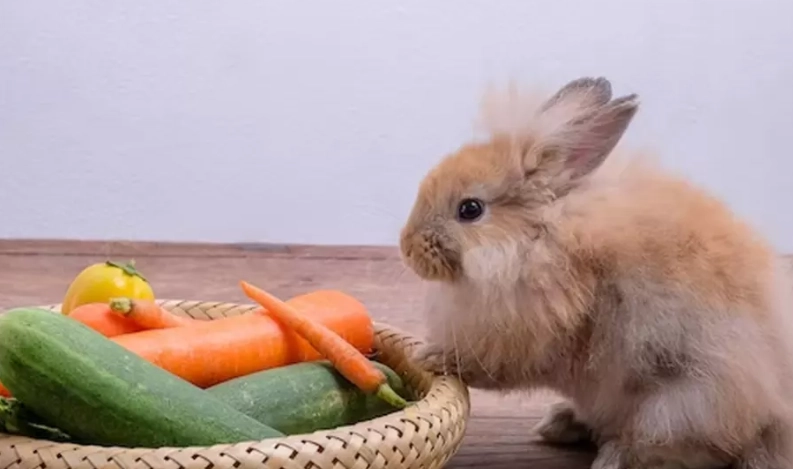
Treats: Fruits and Non-Leafy Veggies
Fruits and starchy veggies (like carrots) are the candy of the rabbit world. High in sugar. They should be given in tiny amounts, as occasional treats – think a thumbnail-sized piece of apple, a blueberry or two, a one-inch slice of banana. Maybe a few times a week at most.
I made the carrot mistake early on. Thumper loved them, so I thought, "Why not?" Cue a slightly chonky bunny and a vet reminding me carrots are for Bugs Bunny cartoons, not daily reality.
| Food Type | Primary Role | Key Examples | How Much & How Often? |
|---|---|---|---|
| Grass Hay | Essential Fiber, Gut & Dental Health | Timothy, Orchard, Meadow, Oat | UNLIMITED. Always available, 24/7. |
| Fresh Greens | Vitamins, Minerals, Hydration | Romaine, Cilantro, Parsley, Bok Choy | ~1 packed cup per 2 lbs body weight, daily. |
| Pellets | Concentrated Nutrients & Calories | Plain Timothy-based Pellets | 1/4 to 1/2 cup daily for a 5-6 lb rabbit. |
| Treats (Fruits/Starchy Veg) | Enrichment & Occasional Reward | Apple slice, Blueberry, Carrot sliver | Thumbnail-sized piece, 2-3 times per week max. |
The "Drink" Part of the Equation: Water is Non-Negotiable
So we've covered the "diet," but what about the "drink" in "what is a rabbits diet and drink"? This is shockingly straightforward, yet vital. Rabbits must have constant access to clean, fresh water. Their high-fiber diet demands it for proper digestion.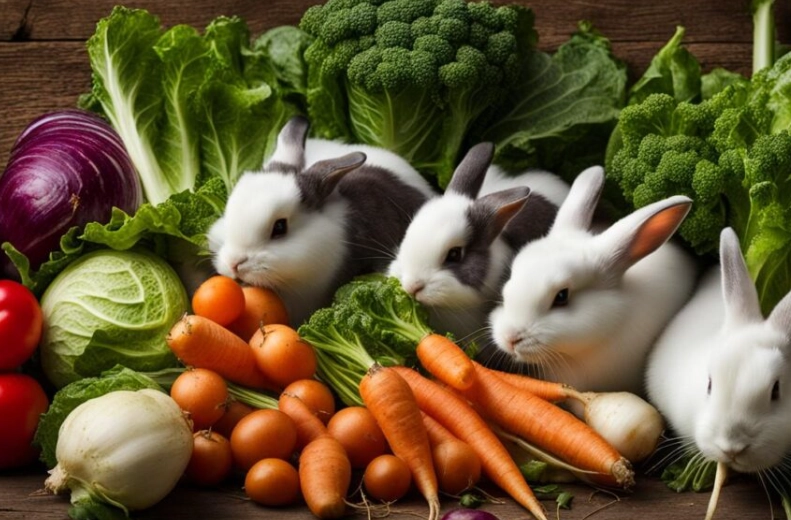
An adult rabbit can easily drink 50-150 ml of water per kilogram of body weight daily, and even more if they eat mostly hay (which is dry) or in hot weather. A water bowl (heavy ceramic to prevent tipping) is often preferred as it allows a more natural drinking posture and can encourage higher intake. A sipper bottle is fine too, but check it daily for clogs and ensure the ball moves freely. I use both – a bowl for main water and a bottle as a backup.
If you notice your rabbit's water consumption dropping dramatically or skyrocketing, it's a red flag. Dehydration is a fast track to GI stasis, and excessive drinking can signal kidney issues or diabetes. Call your vet.
Foods That Are a Hard "NO" – The Danger List
Some foods are actively toxic or dangerous to rabbits. It's not worth the risk.
- All human processed foods: Bread, crackers, cereal, pasta, cookies. Their stomachs cannot handle grains and sugars like this.
- Legumes & Beans: Can cause severe gas and bloating, which is excruciatingly painful and dangerous for rabbits.
- Dairy Products: Rabbits are strict herbivores. They lack the enzymes to digest milk, cheese, or yogurt.
- Nuts & Seeds: Too high in fat and a choking hazard.
- Chocolate & Caffeine: Toxic, as for many pets.
- Plants from the Allium family: Onions, garlic, leeks, chives.
- Certain House/Garden Plants: Lilies, ivy, azalea, rhubarb leaves, foxglove. Always check if a plant is safe before letting your bunny near it. The ASPCA's toxic plant database is an invaluable resource I use all the time.
Tailoring the Diet: Life Stages & Special Situations
A one-size-fits-all answer to "what do rabbits eat" doesn't always work. Needs change.
Baby Bunnies (Kits) to 7 Months
Unlimited alfalfa hay and alfalfa-based pellets. They need the extra protein and calcium. They'll start nibbling on greens around 3 months – introduce slowly.
Young Adults (7 Months to 1 Year)
Transition time. Gradually mix timothy hay with alfalfa until it's all timothy. Switch to timothy-based pellets. Increase variety of greens.
Adult Rabbits (1 to 5-6 Years)
The standard plan outlined above: unlimited timothy hay, measured pellets, daily greens, limited treats.
Senior Rabbits (6+ Years)
They may struggle to maintain weight. You might need to slightly increase pellet portion or offer some oat hay, which is tastier and higher in calories. Monitor teeth closely – dental issues are common and can make eating hay painful. Soaking pellets in water can make a mush that's easier to eat.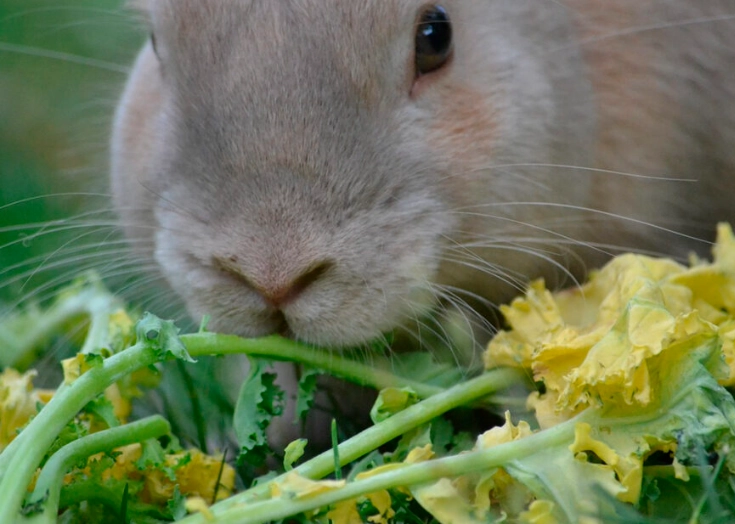
Answering Your Burning Questions
Putting It All Together: A Sample Daily Routine
Let's make it practical. For a healthy, 5 lb adult rabbit named Clover:
Morning: Refresh the unlimited timothy hay in the rack. Check and refill the heavy ceramic water bowl. Give her daily portion of fresh greens (about 2.5 cups of romaine and cilantro).
Evening: Scoop the litter box (you'll see all those hay-filled poops – a good sign!). Give her measured 1/4 cup of timothy pellets. Spend some time with her; maybe offer a blueberry as a treat during bonding time.
Throughout the day: She grazes on hay, drinks water, naps, and plays. Simple, species-appropriate, and healthy.
That's really it.
The core answer to "what is a rabbits diet and drink" is beautifully simple: mostly hay, fresh water always, supplemented with greens and a few pellets. But the devil is in the details – the type of hay, the quantity of pellets, the choice of greens. Get those details right, and you're giving your rabbit the best possible foundation for a long, hopping, healthy life. It's the most important thing you can do for them.
It's not about perfection every single day. Sometimes you run out of cilantro and only have romaine. That's fine. The goal is consistency in the big picture: making fiber the star of the show. Your rabbit's health, energy, and even their personality shine when their diet is right. Trust me, seeing Thumper happily munch on a big pile of hay is way more satisfying than any colorful pellet mix could ever be.

Join the Conversation