So you're thinking about getting a parrot. That's fantastic. The idea of a colorful, intelligent companion who might even talk back is incredibly appealing. But let's cut through the Instagram glamour for a second. Walking into a pet store or browsing online listings can be overwhelming. Cockatoos look cuddly, Macaws are majestic, and African Greys seem like geniuses. Here's the hard truth most beginner guides won't lead with: a huge number of those "impulse buy" parrots end up rehomed within two years because people buy the bird they want, not the bird they can realistically care for.
My first parrot was a mistake. I fell for a beautiful, needy Conure without understanding its piercing contact calls. After a decade of volunteering at a bird rescue and living with several species, I've seen the same pattern repeat. The "best" beginner parrot isn't about the smartest or most colorful; it's about the best fit for a human learning the ropes of avian care.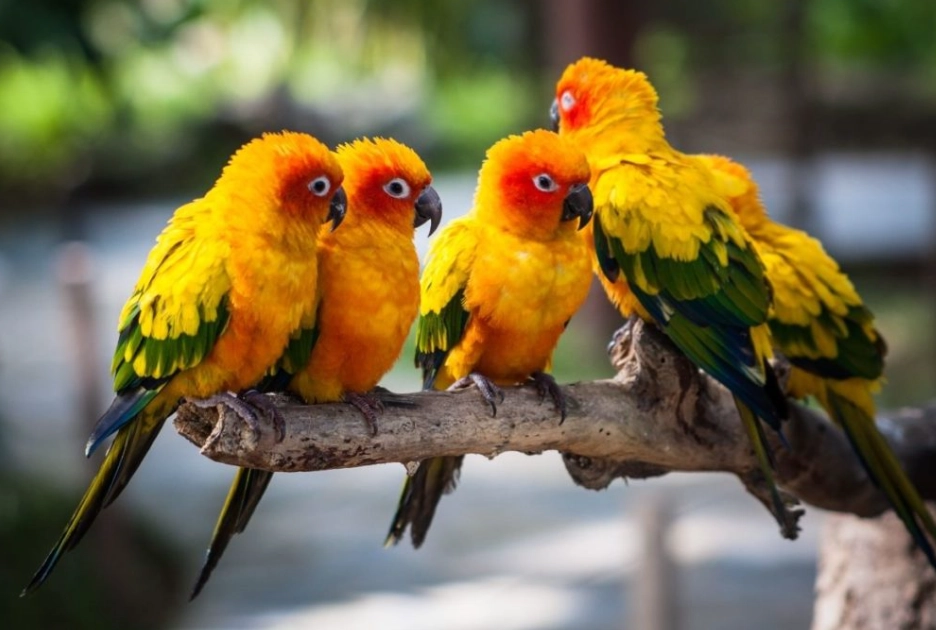
This guide is for the absolute novice. We'll move past vague advice and get into the nitty-gritty: noise decibel comparisons, yearly cost breakdowns, and the specific personality quirks you'll deal with daily. By the end, you'll know exactly which species aligns with your lifestyle, budget, and patience level.
Your Quick Guide to Choosing a Feathered Friend
Key Traits of a Great Beginner Parrot
Forget size for a moment. A good starter bird shares a few critical characteristics that make your life easier while you learn.
Relatively Forgiving Nature: Beginners make mistakes—wrong food, clumsy handling, inconsistent schedules. A hardy species with a robust constitution is crucial. Some delicate birds can get sick from minor stress or dietary errors.
Manageable Noise Output: This is the number one reason for parrot surrender. All parrots make noise, but the volume, pitch, and frequency differ wildly. A beginner-friendly bird has a call that, while present, won't trigger noise complaints from neighbors or daily headaches for you.
Independent Streak: You have a job, errands, a life. A parrot that needs to be physically attached to you 8 hours a day is a recipe for separation anxiety and destructive screaming. Birds that can entertain themselves for a few hours are golden.
Size-Appropriate Costs: It's not just the bird's price tag. Larger birds need massive cages ($$$), destroy more expensive toys ($$), and require more food ($$). Vet bills are often scaled by size too. Starting with a smaller species keeps initial and ongoing costs realistic.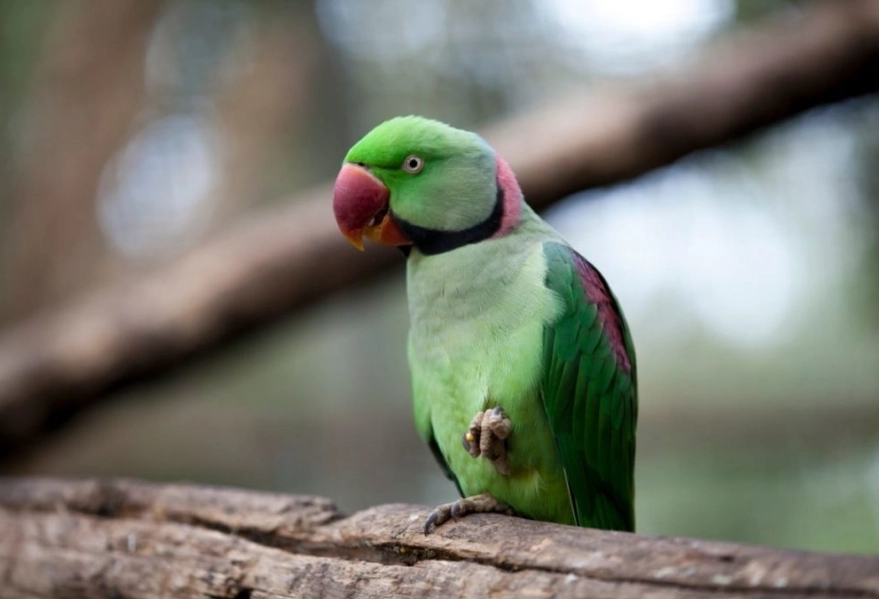
A Non-Consensus Point Most Sites Miss: People obsess over getting a hand-fed baby for tameness. While hand-fed babies are often easier to start with, a well-socialized adult or older juvenile from a reputable rescue can be a better beginner choice. Their personality is already established—you know exactly how loud they are, if they like to be petted, and what they're afraid of. With a baby, you're rolling the dice on how their adult personality develops.
Top 5 Parrot Species for First-Time Owners
Based on the criteria above, here are the five species I consistently recommend to new owners. This isn't just a list; it's a comparison of daily life with each.
| Species | Average Lifespan | Noise Level (1-10) | Key Personality Trait | Approx. Startup Cost (Bird+Cage+Setup) | The "But"... (The Trade-Off) |
|---|---|---|---|---|---|
| Budgerigar (Budgie/Parakeet) | 7-15 years | 3 - Chirpy chatter, not piercing. | Social, playful, can be excellent talkers. | $200 - $400 | They are small and fragile; interactions are more "watch and chirp" than heavy cuddling. |
| Cockatiel | 15-25 years | 4 - Whistles & chirps. The male's song can be repetitive but is usually pleasant. | Affectionate, gentle, loves head scratches. | $300 - $600 | Can be dusty (powder down), which affects those with allergies. Prone to night frights. |
| Green-Cheeked Conure | 25-30 years | 6 - Capable of loud screeches but generally quieter than other conures. More "monkey chatter." | Clownish, cuddly, mischievous. | $500 - $900 | Demanding of attention. Can become nippy if bored or ignored. Not the "cuddly" bird for young kids. |
| Pionus Parrot | 25-40 years | 5 - Known as the "quiet parrot." Makes low, growly chatter. | Calm, observant, independent. | $800 - $1500+ | Less outwardly "showy" in affection. Can be shy with strangers. Higher initial cost. |
| Indian Ringneck Parakeet | 25-30 years | 5 - Clear, loud call but not constant. Excellent mimic. | Intelligent, active, can be aloof. | $600 - $1200 | Often goes through a hormonal, nippy bluffing stage as a juvenile. Requires consistent training. |
Diving Deeper: The Realities of Each Choice
Budgerigars are the unsung heroes. A well-trained, hand-tamed budgie from a breeder (not a pet store mill) can be a talking, trick-learning delight. Their care is simple: a spacious flight cage, a quality pellet/seed mix, fresh veggies, and a cuttlebone. The biggest mistake? Keeping one alone. They are flock animals. Get two if you can't be home most of the day. The Laferber Company's Pet Birds site has excellent species-specific guides that back this up.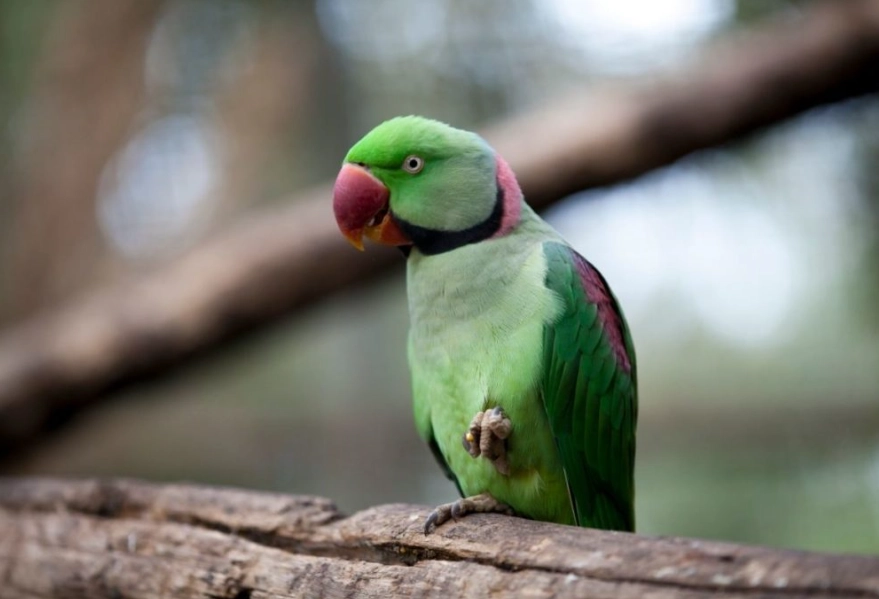
Cockatiels are the quintessential "first bird." That reputation is earned. They signal their moods clearly with their crest. Straight up means alert or curious, flat back means angry or scared. They teach you bird body language. Their main need is out-of-cage time to explore (with careful supervision) and a diet low in fat to prevent common health issues.
Green-Cheeked Conures are for someone who wants a bigger personality in a small package. They love to burrow in blankets and shirts. Here's the expert tip: their infamous "nippiness" is often communication, not aggression. They might give a gentle pinch to say "pay attention to me" or "I don't like that." You have to learn their language, not punish the behavior outright.
Pionus Parrots are the introvert's parrot. While a Conure will dive-bomb into your life, a Pionus will watch you from its perch for a week before deciding you're okay. Their calm demeanor makes them excellent for apartments. Their powder down is less than a Cockatiel's, but they have a distinct musky odor some people notice.
Indian Ringnecks are elegant and smart. They can learn large vocabularies. The catch is their independence. They aren't always "cuddle bugs." They enjoy being with you, not necessarily on you. This actually makes them less demanding than a Velcro-bird like a Conure, but new owners sometimes misinterpret this as aloofness.
Stop Right Here If... You work 12-hour days, travel constantly, need absolute quiet, have toxic non-stick cookware (Teflon fumes kill birds), or own predatory pets like cats you can't reliably separate. A parrot is a terrible fit. Consider finches or canaries, which are enjoyed more as aviary pets.
Your Decision Checklist: Beyond Just the Species
Picking the species is half the battle. Now, let's operationalize it.
Source Matters More Than You Think: Adopt from a rescue? You might save a life and get a known personality. Buy from a reputable breeder? You get a health-guaranteed, well-socialized baby. Avoid large chain pet stores for parrots. Their birds are often poorly socialized and come from mass breeders, leading to health and behavioral issues. The Association of Avian Veterinarians offers resources for finding good care, which starts with a healthy bird.
The Budget You Didn't Plan For: Initial costs are one thing. Yearly, you're looking at: High-quality pellets and fresh produce: $250-$600. New toys (they destroy them): $200-$500. Annual vet check-up: $100-$250. Emergency fund: At least $500 accessible. A broken blood feather or infection can cost that easily.
Cage Setup is Non-Negotiable: The cage is not a prison; it's their safe house. It must be large enough for full wing-flapping. For a Cockatiel, that's at least 24"W x 24"D x 30"H. Bigger is always better. You need multiple perches of varying diameters (no sandpaper covers!), food/water bowls, and a few starter toys.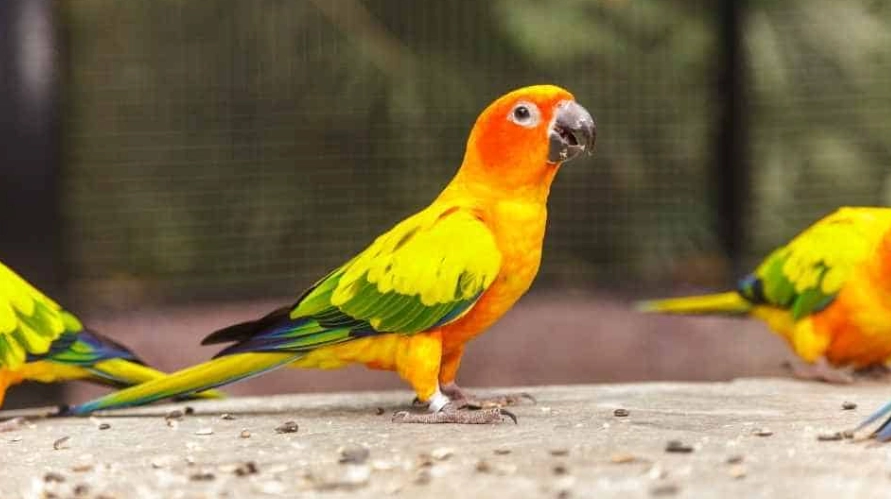
The Reality of Your First Month: A Survival Guide
The first week, your bird will be terrified. Let it be. Place the cage in a quiet, active family area (not the kitchen—fumes!). Talk softly near it, offer treats through the bars, and just let it observe. Force no interactions.
Week two, you might start target training. Use a chopstick. Touch it to the bird's chest; when it leans forward to investigate, click a pen (a makeshift clicker) and give a millet spray treat. This builds communication without forcing your hand on them.
By month's end, you'll have a routine. Wake up, uncover cage, offer fresh food. Evening, maybe 30-60 minutes of out-of-cage time in a bird-proofed room (closed windows, no ceiling fans, covered mirrors). Then, bedtime at a consistent hour with a dark, quiet cover.
It's mundane. It's repetitive. And it's the foundation of a trusting relationship.
Your Parrot Questions, Honestly Answered
I live in an apartment. Is a Green-Cheeked Conure or a Cockatiel truly quiet enough?
Both can be, with caveats. Cockatiels are generally more consistently quiet, but males whistle loudly for mates. Conures have a sharper, more penetrating call but use it less frequently if their needs are met. The real solution isn't just species choice; it's management. Keep the cage away from shared walls, use a cage cover to enforce 12 hours of quiet sleep (reduces hormonal screaming), and provide foraging toys to keep them busy during your work hours. A bored bird is a loud bird, regardless of species.
Everyone says get a hand-fed baby, but a rescue has an adult Budgie I like. Is that a bad idea?
It's often a fantastic idea. An adult bird's personality is set. You know if it's a plucky, confident bird or a shy one. With patience, most adult budgies can be tamed. Spend time near the cage, offer millet from your hand without moving, and let the bird set the pace. You skip the unpredictable puberty phase and give a bird a second home. The bonding process might take longer than with a baby, but the result is just as strong.
 What's the one piece of equipment or supply most beginners forget that causes problems later?
A proper avian veterinarian before you get the bird. Not all vets see birds. Find one, schedule a "well-bird" checkup for your new pet within the first two weeks, and get their contact info. The second is a digital kitchen scale. Weighing your bird weekly is the single best way to catch early signs of illness, as birds hide sickness until they're critically ill. A sudden weight drop of 10% is a red flag requiring an immediate vet visit.
I want a talking parrot. Should I just get an African Grey instead of these beginner birds?
I strongly advise against it. African Greys are brilliant, sensitive, and complex. They need immense mental stimulation, a varied diet, and are prone to feather-plucking from stress or boredom. Their intelligence means they notice and react to every emotional shift in the household. Starting with a Grey is like learning to drive in a Formula 1 car. A Budgie, Cockatiel, or Ringneck can be a prolific talker and will teach you the basics of parrot care without the intense, 50-year commitment of a highly neurotic genius.
How do I know if I'm truly ready for the long commitment of a parrot?
Foster first. Contact a local bird rescue and ask to be a foster home for a beginner-friendly species like a Cockatiel. This gives you a 2-6 month trial run with full support from the rescue. You experience the daily cleaning, the noise, the early mornings, and the bite (there will be a bite) without the lifetime commitment. If you find it fulfilling, you can often adopt your foster. If it's too much, you helped a bird and learned an invaluable lesson about your own readiness.


Join the Conversation