Jump to What Matters Most
Let's talk about cat dental care cost. It's one of those things that sneaks up on you. You're brushing your cat's teeth (or maybe you're not, and that's part of the problem), and suddenly they're pawing at their mouth or avoiding food. A vet visit later, and you're staring at a bill that makes your eyes water. I've been there—with my own cat, Whiskers, who needed a cleaning and two extractions last year. The total? Just over $800. Ouch.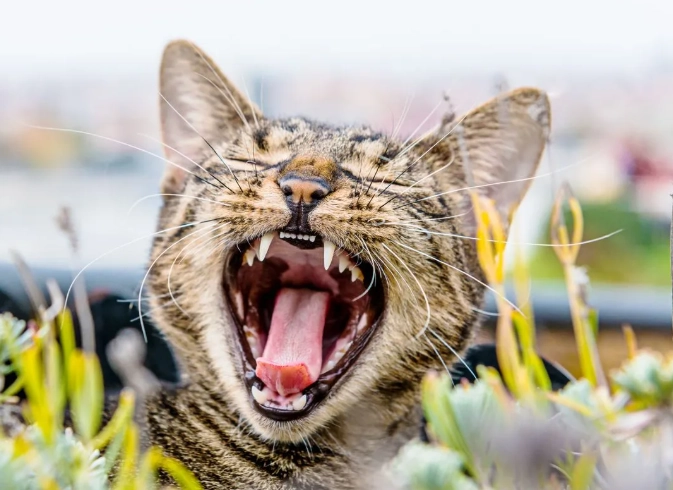
But here's the thing: ignoring dental issues can lead to bigger problems, like heart or kidney disease. So, understanding the costs upfront helps you plan and avoid surprises. In this guide, I'll break down everything from routine cleanings to emergency procedures, based on my experience and research from sources like the American Veterinary Medical Association (AVMA). We'll cover real numbers, factors that drive prices up or down, and practical ways to save. No fluff, just straight talk.
Understanding Cat Dental Care Costs: A Detailed Breakdown
Cat dental care isn't a one-size-fits-all expense. It varies wildly based on what your cat needs. Let's start with the basics.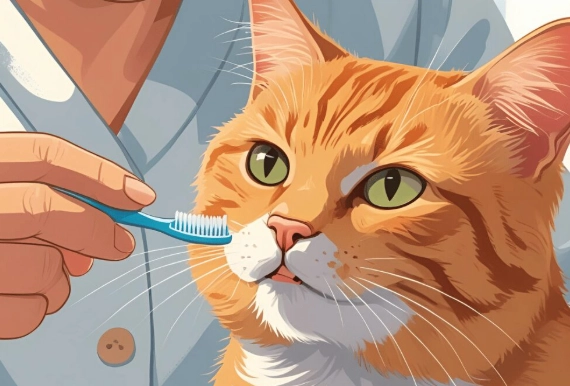
Routine Dental Cleaning: The Foundation
A routine cleaning is like a human dental check-up but under anesthesia. Why anesthesia? Cats won't sit still for a scaling, and it's safer for them and the vet. The cost typically ranges from $200 to $400. This includes pre-anesthetic bloodwork, the cleaning itself, and sometimes polishing. But if you're in a big city like New York or San Francisco, add 20-30% to that. I paid $350 for Whiskers in suburban Ohio, which felt reasonable until the extractions came up.
Some vets offer "non-anesthetic" cleanings. I'd steer clear. They're cheaper, around $100-$150, but they often miss underlying issues and can stress your cat out. The AVMA recommends anesthesia for thorough care.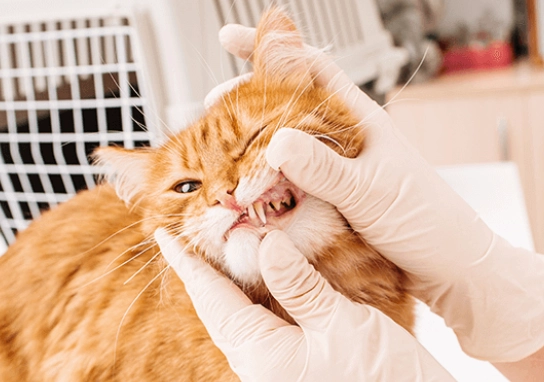
Extractions and Major Procedures: When Things Get Serious
If your cat has periodontal disease or broken teeth, extractions might be needed. This is where costs spike. A simple extraction can cost $100-$200 per tooth, but complex ones (like canines) run $500-$800 each. Add in anesthesia and post-op care, and you're looking at $500-$1500 total. Whiskers' two extractions were $600 alone.
Here's a table to summarize common procedures and their average costs in the U.S.:
| Procedure | Average Cost Range | What's Included |
|---|---|---|
| Routine Cleaning | $200 - $400 | Anesthesia, scaling, polishing, bloodwork |
| Tooth Extraction (Simple) | $100 - $200 per tooth | Removal of single tooth, basic aftercare |
| Tooth Extraction (Complex) | $500 - $800 per tooth | Surgical removal, imaging, medications |
| Dental X-Rays | $50 - $150 | Full mouth series to detect hidden issues |
| Emergency Treatment | $800 - $2000+ | For abscesses or trauma, includes surgery |
Notice how quickly it adds up. Dental X-rays are often overlooked but crucial—they can reveal problems below the gumline, preventing bigger bills later.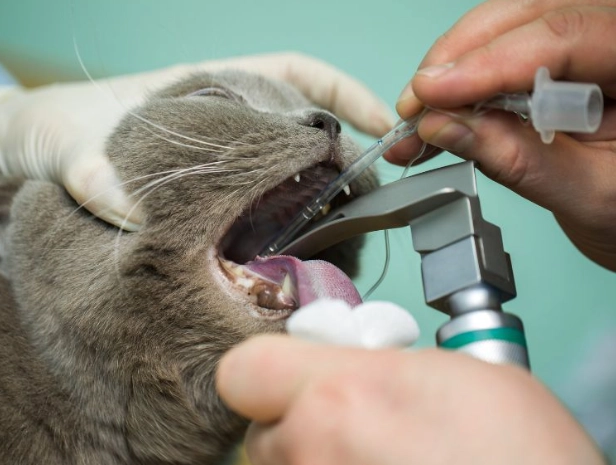
Factors That Influence Cat Dental Care Prices
Why does the cost vary so much? It's not just about your cat's teeth. Several factors play a role.
Location matters a lot. Urban clinics often charge more due to higher overhead. In rural areas, you might save 10-15%, but options could be limited. I called around and found a $100 difference between vets in my town versus the next city over.
Your cat's age and health. Older cats or those with conditions like kidney disease need extra precautions, raising the price. Pre-anesthetic bloodwork is non-negotiable here—it adds $50-$100 but ensures safety.
The vet's expertise. A board-certified veterinary dentist will cost more, sometimes double, but for complex cases, it's worth it. For routine stuff, a general vet is fine.
Clinic type. Corporate chains might offer packages or discounts, while independent practices could provide more personalized care. Neither is inherently better; it depends on your budget and trust.
One subtle mistake I see: people skip pre-op bloodwork to save money. Bad idea. If your cat has an underlying issue, anesthesia risks soar. That "savings" could lead to a costly emergency.
How to Save on Cat Dental Care Without Compromising Health
You don't have to break the bank. Here are actionable strategies I've used.
Start with prevention. Brushing your cat's teeth regularly can reduce the need for cleanings. I know, it sounds impossible. But with patience and treats, Whiskers tolerates it twice a week. Use a cat-specific toothpaste—human ones are toxic. Dental diets or water additives help too, though they're supplements, not replacements.
Shop around, but wisely. Get quotes from multiple vets. Ask what's included: does the cleaning cover bloodwork, pain meds, and follow-up? A cheaper upfront cost might hide extras. I saved $75 by choosing a clinic that bundled X-rays with the cleaning.
Consider pet insurance. This is a game-changer. Plans that cover dental care (like accidents or illnesses) can reimburse 70-90% of costs. For Whiskers, I have a policy with a $500 deductible, and it paid for half of his extractions. Look for plans from providers like Healthy Paws or Nationwide, but read the fine print—some exclude pre-existing conditions or routine cleanings.
Payment plans and care credit. Many clinics offer financing through CareCredit or in-house plans. It spreads the cost over months, but watch for interest rates. I used CareCredit once for a zero-interest period, and it helped manage cash flow.
DIY isn't the answer. I've heard of people trying to clean cat teeth at home with tools. Don't. You could injure your cat or miss serious issues, leading to higher vet bills later.
A Real-Life Example: From Diagnosis to Treatment
Let's walk through a scenario. Meet Luna, a 7-year-old indoor cat with bad breath. Her owner, Sarah, notices she's drooling and avoids dry food.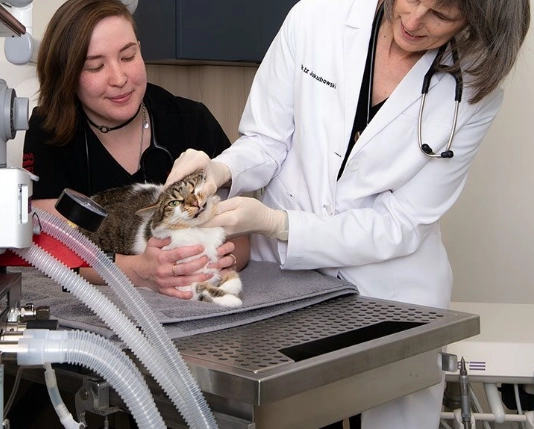
Step 1: Initial vet visit. Sarah takes Luna to the vet. The exam costs $60, and the vet recommends a dental cleaning with X-rays. Estimated cost: $400-$500. Sarah gets a detailed breakdown: $80 for bloodwork, $250 for anesthesia and cleaning, $70 for X-rays, and $50 for pain meds.
Step 2: The procedure. During the cleaning, X-rays reveal two resorptive lesions (common in cats)—teeth that are dissolving. The vet advises extractions. Sarah approves, adding $600 to the bill. Total now: around $1100.
Step 3: Aftercare. Luna goes home with antibiotics and soft food. Follow-up visits cost $40 each. Sarah uses pet insurance and gets 80% back after the deductible, reducing her out-of-pocket to about $300.
This example shows how costs can escalate, but planning and insurance soften the blow. Sarah's proactive approach saved Luna from worse pain down the road.
FAQ: Your Burning Questions Answered
Wrapping up, cat dental care cost isn't just a number—it's an investment in your cat's overall health. From my experience, being proactive with prevention, shopping smart, and considering insurance can make it manageable. Don't let fear of expenses delay care; start with a vet check-up today. Your cat's smile (and your wallet) will thank you later.




Join the Conversation