Quick Guide to Sections
- Why Even Consider a Reptile as a Pet?
- Top Contenders: The Best Beginner Reptile Breeds Broken Down
- How to Choose YOUR First Reptile: A Side-by-Side Comparison
- The Non-Negotiables: What You Need to Get Right From Day One
- Answering Your Burning Questions (FAQ)
- Final Thoughts: Taking the Plunge Responsibly
So you're thinking about diving into the world of reptile keeping. Let's be honest, it can feel a bit overwhelming at first. You're browsing online, seeing all these incredible creatures, and the big question hits you: which one is actually a good fit for someone like me, with zero experience? I remember that feeling well. I wanted something cool, but not something that would need a veterinary degree to keep alive. That's where the search for the right beginner reptile breeds truly begins.
This isn't about finding the "easiest" pet, because let's face it, any living creature needs proper care. It's about finding the most forgiving, hardy, and generally chill reptiles that won't stress you or them out while you're learning the ropes. The good news? There are some fantastic options out there. Reptiles that have calm temperaments, straightforward dietary needs, and are resilient enough to handle the occasional beginner mistake (we all make them). This guide is the deep dive I wish I had when I started. We'll look at the top contenders, strip away the hype, and talk about the real day-to-day of caring for these animals.
The Core Idea: The best beginner reptile breeds share a few key traits: they are generally docile and tolerate handling, they have robust health, their environmental needs (heat, humidity) are not overly complex or critical, and they eat readily available foods. Success with your first reptile is 90% about picking one that matches your lifestyle and commitment level from the start.
Why Even Consider a Reptile as a Pet?
Before we get to the list, let's address the elephant in the room. Or, well, the non-elephant. Why a reptile? For many people, allergies to fur or dander rule out cats and dogs. Reptiles are hypoallergenic. Their space needs are often vertical (a tank) rather than horizontal (a whole room), making them brilliant for apartments. Their care is quiet and methodical—no barking at 3 AM. There's a unique, almost meditative quality to watching a bearded dragon bask or a snake explore its enclosure. It's a different kind of companionship, one based on observation and providing a perfect little world for them to thrive in. But you have to be honest with yourself. This isn't a cuddly puppy. The affection is different.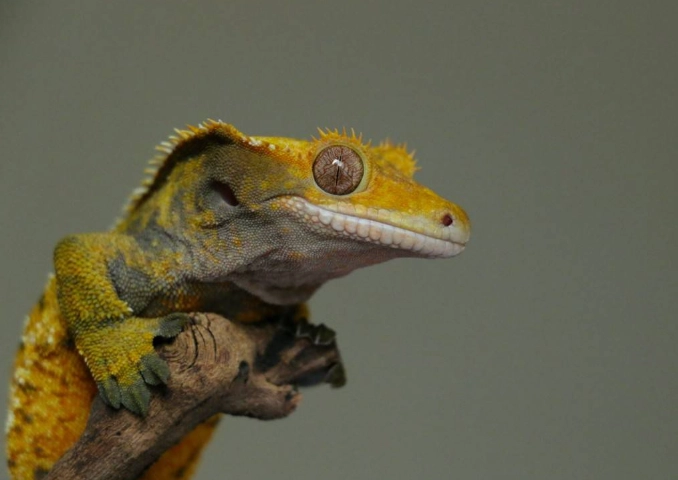
If you're looking for an animal to actively play with or take on walks, a reptile is not it. But if you're fascinated by their biology, appreciate their beauty, and find satisfaction in creating a slice of desert or forest in your home, then you're on the right path. The key is setting realistic expectations for both you and your future pet.
Top Contenders: The Best Beginner Reptile Breeds Broken Down
Alright, let's get to the main event. Based on decades of collective keeper experience, veterinary input, and sheer popularity for good reason, here are the rock stars of the beginner reptile world. I've kept most of these myself, and I'll give you the straight talk—the good, the not-so-bad, and the things nobody tells you upfront.
The Leopard Gecko: The Quintessential Starter Lizard
If there was a mascot for beginner reptile breeds, the leopard gecko (Eublepharis macularius) would be it. These are the animals that hook most people on the hobby, and for good reason.
First, they're downright charming. They have these adorable, smiling faces and fat tails they use to store nutrients. They're terrestrial, meaning they walk on the ground instead of climbing glass, so a long, low tank works perfectly. One of their biggest advantages is that they don't require UVB lighting if their diet is properly supplemented with calcium and vitamin D3. This simplifies setup costs and complexity. They eat insects—crickets, mealworms, dubia roaches—which is straightforward. They're also famously handleable. Once settled, a leopard gecko will often just sit calmly in your hand. Their small size (8-10 inches) and long lifespan (15-20 years!) make them a long-term but manageable commitment.
The Reality Check: Their poop can be surprisingly smelly for such a small creature, so spot-cleaning is a must. They are also nocturnal, so they're most active in the evening. And while they are hardy, they are susceptible to a condition called "impaction" if kept on loose sand or fed improperly, so a simple substrate like paper towel or slate tile is best for beginners. You can find excellent, detailed care sheets from reputable sources like the ASPCA's general reptile care guidelines, which provide a solid foundation for any new keeper.
I started with a leopard gecko named Sandy. For the first week, she hid constantly. I was convinced I was doing everything wrong. Then one night, I saw her cautiously licking water droplets. It was a small moment, but it felt like a victory. That's the pace of this relationship.
The Corn Snake: The Gentle Ambassador of Snakes
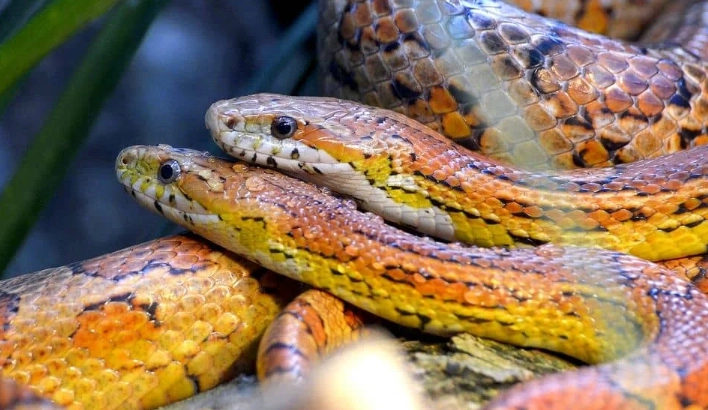
The mere mention of a snake scares some people off, which is a shame because corn snakes (Pantherophis guttatus) are arguably one of the best beginner reptile breeds period, not just among snakes. Let's demystify them.
Corn snakes are constrictors, but they are small, slender, and non-venomous. An adult typically ranges from 3 to 5 feet long. Their temperament is legendary in the hobby. They are curious, gentle, and very rarely bite. When they do, it feels like a quick pinch from Velcro—startling, not painful. They are escape artists, though. You must have a securely locking lid. Their care is simple: a warm side, a cool side, a hiding spot on each end, a water bowl, and something to climb on. They eat frozen/thawed mice, which eliminates the need to keep live prey. Feeding is once every 7-14 days for an adult, which is incredibly low maintenance.
They come in a breathtaking array of colors and patterns (morphs), from classic orange-and-red to lavender, snow white, and charcoal. This makes them visually stunning. They are also very active during crepuscular hours (dawn/dusk), so you'll see them moving around. Watching a corn snake explore its environment with its flickering tongue is mesmerizing.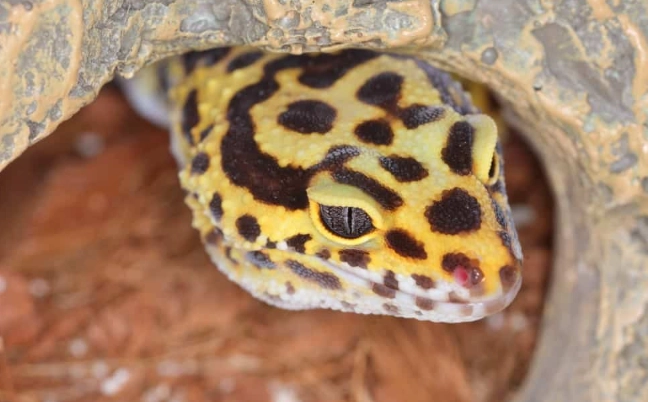
The downside? You have to be comfortable with the idea of feeding frozen rodents. Storing them in your freezer is a non-negotiable part of the deal. And while they are docile, some individuals can be a bit wiggly when first handled, requiring calm, confident support.
The Bearded Dragon: The Personable Sun Worshipper
Bearded dragons (Pogona vitticeps) are often called the "dogs of the reptile world." That's a bit of an overstatement, but it points to their interactive nature. They are diurnal (active during the day), observant, and many seem to genuinely enjoy human interaction.
This is a step up in commitment from a leopard gecko or corn snake. They get bigger (18-24 inches), need a much larger enclosure (a 4x2x2 foot tank is the new minimum recommended for adults), and require a more complex lighting setup including a strong UVB source. Their diet is omnivorous: a mix of insects (like crickets or dubia roaches) and fresh vegetables (collard greens, squash, bell peppers). This variety can be fun to prepare but is also essential for their health.
What you get in return for that extra work is a fantastically engaging pet. They have personality. They'll pancake themselves flat on a warm rock, bob their heads, wave their arms (a submissive gesture), and puff out their black "beard" when excited or threatened. They often fall asleep on their owners. For someone who wants a reptile that feels more like a participant in daily life, a bearded dragon is a top-tier choice among beginner reptile breeds for the dedicated newcomer.
My first beardie, Spike, had a ritual of sitting on my shoulder while I worked. He'd just watch the computer screen, completely still. They are expensive to set up properly, though. The tank, lights, and fixtures will cost more than the animal itself. And they can go through a grumpy teenage phase. It's worth it, but go in with your eyes open.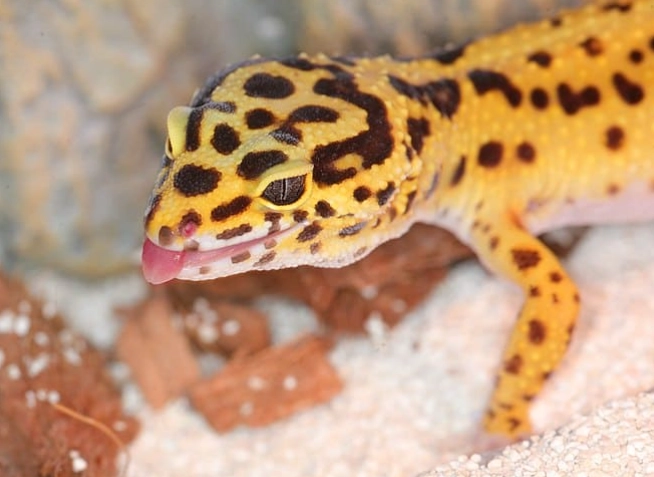
Honorable Mentions: Other Fantastic Beginner Reptile Breeds
The top three above are the most commonly recommended for a reason. But your perfect match might be slightly off the beaten path.
Blue-Tongued Skinks: These are like the sturdy, ground-dwelling tanks of the lizard world. They have incredible personalities, are very food-motivated (which makes them seem tame), and their namesake blue tongue is a show-stopper. They are heavier-bodied and need a fair amount of floor space. Their diet is omnivorous and varied. A bit more of an intermediate care level, but a phenomenal pet for someone doing their homework.
Kenyan Sand Boas: If you love the idea of a snake but want something even smaller and more fossorial (burrowing), these are perfect. They stay short and stocky, spend most of their time buried in substrate, and are incredibly docile. Feeding is easy. They are a great "second snake" or a first for someone with limited space.
Crested Geckos & Gargoyle Geckos: These New Caledonian geckos are arboreal (tree-dwelling), have sticky toe pads, and big, beautiful eyes. Their care is very simple: they thrive at room temperature (low to mid 70s°F) and eat a complete powdered diet you just mix with water. No live insects are strictly required, though they enjoy them as treats. The downside? They can be skittish and are more "look, don't touch" pets than handleable ones. They also can drop their tails if stressed, which doesn't grow back.
How to Choose YOUR First Reptile: A Side-by-Side Comparison
Reading descriptions is one thing. Seeing how these popular beginner reptile breeds stack up against each other in key areas is another. This table should help you visualize the trade-offs.
| Breed | Adult Size | Temperament | Diet | Key Equipment Needs | Lifespan (Avg.) | Best For... |
|---|---|---|---|---|---|---|
| Leopard Gecko | 8-10 inches | Docile, handleable, nocturnal | Live insects (crickets, worms) | 20-gallon long tank, under-tank heater, hides | 15-20 years | First-time owners, those wary of UVB complexity, fans of small lizards. |
| Corn Snake | 3-5 feet | Curious, gentle, rarely bites | Frozen/thawed mice | 40+ gallon tank with secure lid, heat mat/panel, climbing branches | 15-20 years | Those interested in snakes, people wanting a visual display pet, low-frequency feeders. |
| Bearded Dragon | 18-24 inches | Interactive, observant, diurnal | Insects & fresh vegetables | 120-gallon (4x2x2) tank, strong UVB tube, basking lamp | 10-15 years | Dedicated owners who want an engaging, "personable" reptile and don't mind daily care. |
| Crested Gecko | 6-10 inches (with tail) | Skittish, arboreal, nocturnal | Prepared powdered diet (Pangea/Repashy) | Tall 20+ gallon tank, foliage for climbing, light misting | 15-20 years | Owners who prefer simple feeding and lower heat, who enjoy observing more than handling. |
| Kenyan Sand Boa | 20-30 inches (female larger) | Very docile, fossorial (burrowing) | Frozen/thawed mice | 20-30 gallon long tank, deep substrate (aspen), under-tank heater | 15-20 years | Snake lovers with limited space, those who find burrowing behavior fascinating. |
Look at that table and ask yourself: Which column matters most to me? Is it the daily time commitment (beardies need daily salad prep)? The upfront budget (beardie setup is most expensive)? The fear factor (snakes vs. lizards)? There's no single "best" beginner reptile breed—only the best one for you.
The Non-Negotiables: What You Need to Get Right From Day One
Choosing the animal is half the battle. The other half is nailing the fundamentals of reptile care, which are universal across most beginner reptile breeds. Skimp here, and you'll have problems regardless of how hardy the species is.
1. Proper Enclosure (The Vivarium/Terrarium)
This is their entire world. Size matters, but so does type. A terrestrial animal needs horizontal space. An arboreal animal needs vertical space with things to climb. Glass aquariums with screen lids are common, but PVC cages are often better at holding heat and humidity. Do your research on the minimum adult enclosure size for your chosen breed and try to get that size from the start. Upgrading tanks is expensive and stressful for the animal.
2. Temperature Gradients (The Thermostat is NOT Optional)
Reptiles are ectotherms. They can't regulate their body temperature internally. You must provide a warm side and a cool side in their enclosure so they can move to where they need to be. The single most important piece of equipment you will buy is a thermostat. You plug all your heat sources (heat mats, ceramic heat emitters, basking lamps) into it. It has a probe that monitors the temperature and turns the heat on/off to prevent it from getting too hot and literally cooking your pet. This is non-negotiable for safety.
3. Lighting (UVB & The Day/Night Cycle)
Many reptiles, especially diurnal ones like bearded dragons, require UVB lighting to synthesize vitamin D3 and metabolize calcium properly. Without it, they develop Metabolic Bone Disease (MBD), a painful, crippling, and fatal condition. For species that need it, you must use a linear fluorescent tube or mercury vapor bulb that covers 2/3 of the enclosure, replaced every 6-12 months as the UV output degrades. Even nocturnal species benefit from a low-level day/night light cycle. The Reptiles Magazine website is a good resource for brand-specific lighting recommendations and deeper technical articles.
4. Humidity & Hydration
This is species-specific. A leopard gecko needs a dry environment with a moist hide for shedding. A crested gecko needs 50-70% humidity, achieved through daily misting. Research the needs of your specific beginner reptile breed. A simple digital hygrometer (humidity gauge) is a cheap and vital tool. Always provide a clean water bowl, even for desert species—they may not drink from it often, but it should be there.
These four pillars—housing, heat, light, and humidity—form the foundation. Get these right, and you've prevented 80% of common health issues.
Answering Your Burning Questions (FAQ)
Final Thoughts: Taking the Plunge Responsibly
Choosing one of the recommended beginner reptile breeds is the first step on a really fascinating journey. It's a hobby that teaches you about zoology, ecology, and patience. My advice? Don't rush. Spend weeks, even months, researching your top choice. Join online forums (like Reddit's r/reptiles or specific species subreddits), read books, and watch care videos from established, reputable keepers—not just the first flashy YouTube video you see.
Buy the enclosure and set it up completely. Get the temperatures and humidity stable for at least 48 hours before you bring the animal home. This "dry run" saves so much stress.
Be prepared for a learning curve. You will make mistakes. Your reptile might hide for weeks. It might refuse food during a shed. This is normal. The goal isn't perfection from day one; it's consistent, attentive care and a willingness to learn.
The world of beginner reptile breeds is your gateway. Whether it's the silent, smiling leopard gecko, the graceful, gliding corn snake, or the kingly, basking bearded dragon, you're about to bring a truly incredible piece of the natural world into your home. Do the work upfront, and you'll be rewarded with a unique and captivating companion for years to come. Now, go set up that tank.

Join the Conversation