In This Guide
- What Exactly is Hemangiosarcoma, and Why is it So Dangerous?
- The Heartbreaking Spectrum: Signs Your Dog is Dying from Hemangiosarcoma
- What Happens at the Vet? Diagnosis and Staging
- Facing the Hard Choices: Treatment, Prognosis, and Quality of Life
- Navigating the End: What to Expect and How to Cope
- A Final Word of Heartfelt Advice
Let's be honest, this is one of the hardest articles any dog owner ever has to read. If you're here, searching for information on the signs a dog is dying from hemangiosarcoma, your heart is probably in your throat. I get it. I've been there, sitting on the floor with a laptop at 2 AM, desperately looking for answers while my own dog slept fitfully beside me. It's a terrible club to be in, but you're not alone.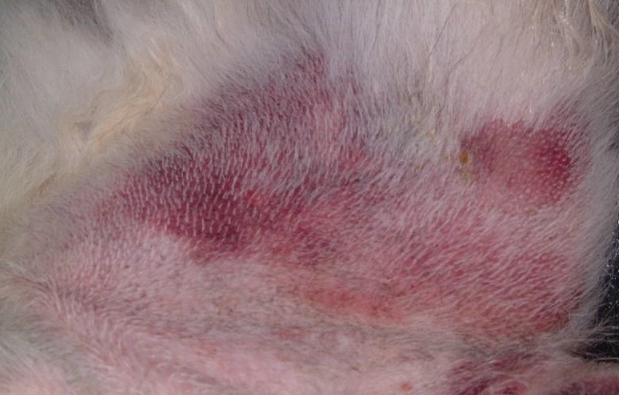
Hemangiosarcoma is a brutal, sneaky, and frankly unfair cancer. It often strikes with little warning, turning a seemingly healthy dog into an emergency case in what feels like an instant. What makes it so cruel is its location—often the spleen or heart—and its tendency to silently grow until it causes a catastrophic internal bleed. One day your dog is chasing a ball, the next they're struggling to stand.
Our goal here is to cut through the clinical jargon and give you a clear, honest, and compassionate look at what hemangiosarcoma is, the specific signs that indicate the end stages, what your options are, and how to navigate the impossible decisions that follow. We'll talk about the science, but we'll also talk about the reality of living through it.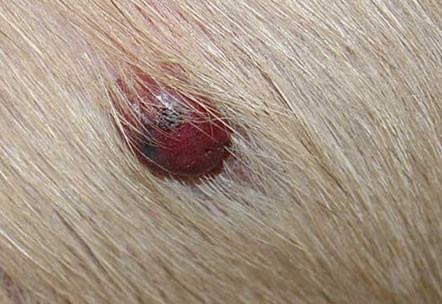
What Exactly is Hemangiosarcoma, and Why is it So Dangerous?
Okay, let's break down the monster. Hemangiosarcoma (HSA) is a highly aggressive, malignant cancer that arises from the cells lining blood vessels (the endothelium). Think of it as cancer of the blood vessel walls. Because blood vessels are everywhere, this cancer can start almost anywhere, but it has favorite spots.
- The Spleen: This is the most common site, accounting for over 50% of cases. The spleen is a blood-filled organ, making it a perfect target.
- The Heart: Specifically, the right atrium. This is a particularly devastating form because it affects the heart's function directly.
- The Skin or Subcutaneous Tissue: A less aggressive form that is often visible and may have a better prognosis if caught very early.
- The Liver: Another common site for tumors to develop or spread to.
The danger isn't just the tumor itself. It's the nature of the tumor. These masses are fragile, like a bunch of faulty, tangled blood vessels. They can rupture easily, leading to sudden, massive, and life-threatening internal hemorrhage (bleeding). This is the "crisis" event that many owners describe. A dog can seem okay, if a bit tired, and then collapse.
Worse still, hemangiosarcoma is a champion at metastasizing—spreading to other parts of the body. By the time it's diagnosed, it has often already sent microscopic cells to the lungs, liver, or other organs. This is why the long-term prognosis, even with treatment, is often measured in months, not years. It's a harsh truth, but understanding it is key to managing expectations.
The Heartbreaking Spectrum: Signs Your Dog is Dying from Hemangiosarcoma
This is the core of what you're looking for. The signs can be subtle at first, then become dramatic and acute. It's crucial to understand the difference between chronic signs of the disease progressing and acute signs of a crisis. I've split them into two categories because they require different responses.
Acute Crisis Signs (The "Get to the Vet NOW" Signs)
These indicate a probable tumor rupture and internal bleeding. This is an absolute medical emergency. Time is critical.
- Sudden Collapse or Extreme Weakness: Your dog may try to stand but their legs give out. They may be unable to rise at all.
- Pale Gums: Lift your dog's lip. Healthy gums are a nice bubblegum pink. Gums that are white, grey, or very pale pink indicate severe blood loss. Press on the gum—it should blanch and return to pink within 1-2 seconds (capillary refill time). If it takes longer, it's a bad sign.
- Rapid, Shallow Breathing or Panting for No Reason: This is due to anemia (low red blood cells) and the body struggling to get oxygen.
- A Distended, Painful Abdomen: Often described as a "pot-bellied" appearance. The belly may feel tight or hard to the touch. Your dog may whine or tense up when you touch it. This is from blood filling the abdominal cavity from a ruptured splenic tumor.
- Extreme Lethargy and Depression: Beyond normal tiredness. Your dog may be completely unresponsive to their favorite treats or toys, seem "out of it," or hide.
- Cold Extremities: The ears and paws may feel cool to the touch as circulation fails.
Chronic Signs of Progressive Disease (The "Something is Wrong" Signs)
These signs may come and go, worsen gradually, or appear intermittently as small bleeds from the tumor occur and then clot. They are easy to dismiss as just "getting older" or having an off day.
| Sign | What It Looks Like | Why It Happens |
|---|---|---|
| Intermittent Lethargy | Your dog sleeps more, seems less interested in walks or play, tires easily. They may have a good day followed by a very slow day. | Chronic, low-grade blood loss leads to anemia, reducing oxygen and energy. |
| Decreased Appetite & Weight Loss | Picking at food, skipping meals, losing muscle mass especially over the back and hips. | The cancer is metabolically demanding (cachexia), and nausea/discomfort can occur. |
| Weakness in Hind Legs | Stumbling, difficulty jumping onto the couch or into the car, slipping on floors. | Anemia and general weakness. If the cancer has spread to the spine, it can cause neurological issues. |
| Increased Panting at Rest | Panting while lying down in a cool room, not after exercise. | The body compensating for anemia, or if a heart-based tumor is present, it may indicate heart failure or fluid in the chest. |
| Episodes of "Spacing Out" or Disorientation | Your dog seems confused, stares into space, gets "stuck" in corners. | Possible spread to the brain, or severe anemia affecting brain function. |
| Pale or Bluish Mucous Membranes | Gums, tongue, or inner eyelids appear less pink than usual, sometimes with a bluish tint (cyanosis). | Sustained anemia reducing oxygen in the blood. |
Seeing these chronic signs is what often prompts the vet visit where a mass is discovered, maybe on an x-ray or during an ultrasound. It's the slow, insidious progression before the potential crisis.
Honestly, looking back, the intermittent lethargy was the biggest clue with my friend's dog. He'd have a great Saturday, then spend all Sunday sleeping. We chalked it up to him being a senior dog enjoying his rest. It's so easy to explain things away.
What Happens at the Vet? Diagnosis and Staging
If you're at the vet because of acute signs or investigating chronic ones, here's what the process typically looks like. Knowing this can remove some of the fear of the unknown.
- Physical Exam: The vet will check gums, listen to the heart and lungs, palpate the abdomen, and check for signs of blood loss or pain.
- Blood Work (CBC & Chemistry Panel): This is often the first big clue. A low red blood cell count (anemia) and sometimes a low platelet count are common. The chemistry panel checks organ function.
- Diagnostic Imaging:
- X-rays (Radiographs): Can show a large mass in the abdomen (often the spleen), an enlarged heart silhouette, or signs of metastasis in the lungs.
- Abdominal Ultrasound: This is the gold standard for finding splenic and liver masses. A good ultrasonographer can often describe the mass's characteristics. Hemangiosarcoma masses often have a distinctive "cavernous" or mixed appearance with areas of fluid (blood). It can also check for bleeding into the abdomen.
- Echocardiogram: An ultrasound of the heart, necessary if a heart-based tumor is suspected.
- Fine Needle Aspirate (FNA) or Biopsy: To get a definitive diagnosis of cancer type. Cells are extracted via a needle (often guided by ultrasound) and examined by a pathologist. However, because these tumors bleed easily, sometimes a definitive diagnosis isn't made until after surgery to remove the mass.
Staging tests (like chest x-rays, more advanced imaging) are done to see if the cancer has spread. This information is critical for determining prognosis and treatment options.
Facing the Hard Choices: Treatment, Prognosis, and Quality of Life
This is where the road forks, and there is no single right answer. The decision depends on the tumor's location, stage, your dog's overall health, your financial resources, and—most importantly—your dog's quality of life.
Treatment Options (A Realistic Look)
Surgery: For a splenic mass causing a bleed, emergency surgery (splenectomy) is often the only immediate life-saving option. It stops the bleeding and removes the primary tumor. It is not a cure, but it can buy meaningful time. For a heart-based tumor, surgery is much more complex and risky, often only performed at specialized centers.
Chemotherapy: This is almost always recommended after surgery to try to target the microscopic metastases that have already spread. The most common protocol uses a drug called doxorubicin. The goal of chemo in veterinary medicine is not to cure, but to extend good quality life. Side effects are usually milder than in humans (some lethargy, GI upset), but they do occur.
Supportive/Palliative Care: If surgery or chemo are not options, the focus shifts to keeping the dog comfortable for as long as possible. This may involve pain medication, steroids (like prednisone) to improve appetite and energy temporarily, and drugs to support the heart if needed.
Here's a brutally honest table comparing the paths:
| Approach | What It Involves | Typical Outcome (Median Survival) | Considerations |
|---|---|---|---|
| Surgery Alone | Emergency splenectomy to stop bleeding. | 1-3 months. The metastatic disease progresses. | Buys time, but recurrence/metastasis is almost certain. |
| Surgery + Chemotherapy | Splenectomy followed by 4-6 rounds of chemo (e.g., doxorubicin). | 6-9 months. Some dogs live over a year. | Considered the "gold standard" for non-heart HSA. Expensive, requires frequent vet visits. |
| Palliative Care Only | Medications (prednisone, pain meds) to manage symptoms at home. | Weeks to a few months. Aims for comfort, not longevity. | Most affordable option. Focuses purely on quality of remaining life. |
The numbers are statistics, and your dog is not a statistic. Some dogs defy the odds, but many do not. I think it's vital to go into this with clear eyes. The American Veterinary Medical Association (AVMA) has excellent resources on understanding treatment choices and end-of-life care that can help frame these discussions.
The Crucial Question: When is it Time?
This is the question that haunts every owner. For hemangiosarcoma, the decision is often guided by the recurrence of crisis events or a steep decline in quality of life. Here are some questions to ask yourself, often called a Quality of Life Scale (like the HHHHHMM scale):
- Hurt: Is pain controlled? (Breathing difficulty is a form of pain).
- Hunger: Is he eating? Can you get enough food into him?
- Hydration: Is he drinking enough?
- Hygiene: Can he get up to go to the bathroom without soiling himself?
- Happiness: Does he still enjoy *anything*? A car ride, a sniff in the yard, being petted?
- Mobility: Can he get up and move around to satisfy his needs?
- More Good Days than Bad: Keep a simple calendar. Mark good days and bad days. When the bad days consistently outnumber the good, it's a strong signal.
For dogs with hemangiosarcoma, a major factor is the frequency and severity of bleeding episodes. One emergency surgery might be warranted. A second? That's a much harder decision. Putting a dog through repeated crises is often not kind.
Navigating the End: What to Expect and How to Cope
If you've made the agonizing decision for euthanasia, or if you're providing hospice care at home, here's what might happen.
In the final days, the signs your dog is dying from hemangiosarcoma become more pronounced. They may refuse all food and water. Their breathing may become more labored or irregular. They may seek isolation or, conversely, cling to you. They may have little control over bodily functions. It's a gradual shutting down.
For euthanasia, talk to your vet about doing it at home if possible. It is infinitely more peaceful for your dog to be in their own bed, surrounded by familiar smells and love. The process is very calm—a heavy sedative is given first, so they simply fall into a deep sleep, then the final medication stops the heart. It is quick and painless.
Grieve. However you need to. This cancer is a thief, and the grief is real.
A Final Word of Heartfelt Advice
If you're reading this in the middle of the nightmare, my heart aches for you. You are doing the right thing by seeking knowledge. Use this information to have informed, honest conversations with your veterinarian. Be your dog's advocate. Ask about pain levels, ask about quality of life, ask about what each day might look like.
Focus on the love, not just the disease. Spend the time you have—whether it's days or months—doing the things your dog loves, even if it's just sitting together in the sun. Take pictures. Make paw prints. Feed them the hamburger.
Recognizing the signs your dog is dying from hemangiosarcoma is about arming yourself with truth, so you can act with love and courage when the time comes. It's about turning fear into purposeful care. You know your dog better than anyone. Trust that knowledge, and trust the bond you share to guide you through this impossible journey.
It's the worst part of loving them. But the love, as they say, is worth it all.

Join the Conversation