Snake Handling Essentials
- What's Really Going on in That Snakey Brain?
- The Golden Rules of Handling: Making It Okay for Them
- Timing is Everything (Don't Be That Person)
- Reading Their Body Language: The Snake's Yelp, Hiss, and Purr
- The Benefits (Yes, There Are Some for the Snake Too)
- Common Handling Mistakes That Scream "Newbie"
- Frequently Asked Questions (The Stuff You're Secretly Googling)
- The Big Picture: It's About Respect, Not Love
So, you're thinking about getting a corn snake, or maybe you just brought one home. That little glass tank is set up, the heat pad is humming, and you're staring at this beautiful, quiet creature. And the big question pops into your head, the one almost every new owner asks: Do corn snakes like to be held?
I remember asking myself the same thing when I got my first corn snake, Jasper. I'd watch him coil in his hide, tongue flicking, and wonder if he saw me as a giant, warm tree or a terrifying predator. The short, honest answer? It's complicated. They don't "like" it in the way a dog wags its tail for pets. But they are one of the most tolerant, handleable snakes out there. The real question isn't about their preference, but about doing it right so it's a neutral or even positive experience for them, and a safe, enjoyable one for you.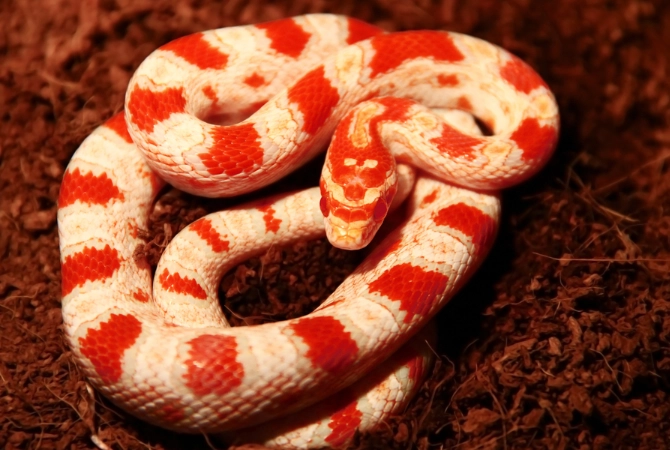
The Core Truth: Corn snakes don't seek out handling for affection. However, they are naturally docile and can become accustomed to it through gentle, consistent, and respectful interaction. Success is measured by a lack of stress, not signs of joy.
What's Really Going on in That Snakey Brain?
To understand if corn snakes like to be held, you have to ditch mammalian thinking. Snakes don't have the brain structures for complex emotions like love or enjoyment. Their world is built on security, temperature, hunger, and threat assessment. When you pick them up, they aren't thinking "Yay, cuddle time!" They're assessing: "Is this thing going to eat me? Is it warm? Can I hide?"
Their tolerance comes from their temperament, which is why corn snakes (Pantherophis guttatus) are legendary beginner snakes. They're not typically aggressive. But "tolerant" is not the same as "enthusiastic." A well-handled corn snake simply learns that you are not a threat. It chills out (figuratively, they prefer warmth literally) and goes along for the ride, using your hands and arms as interesting climbing structures.
I've found that younger snakes are often more wriggly and nervous. Jasper was a nightmare to hold for the first few months—a tiny, speedy Houdini. As he grew and got used to the routine, he just… mellowed. Now he calmly explores my sleeves. That's the goal: a calm, curious snake, not a fearful or defensive one.
The Golden Rules of Handling: Making It Okay for Them
If you want the answer to "do corn snakes like to be held?" to lean towards "yes, they tolerate it well," you must follow the rules. Break these, and you'll have a stressed snake that definitely does NOT like being held.
Timing is Everything (Don't Be That Person)
This is the biggest mistake new owners make. You wouldn't want to be picked up while sleeping or eating, right?
Never, Ever Handle:
- During Digestion: Wait at least 48 hours after feeding. Handling can cause regurgitation, which is dangerous and stressful. Mark your calendar!
- When Shedding ("In Blue"): Their vision is impaired, and their skin is sensitive. They feel vulnerable and will be grumpy. Leave them alone until the shed is complete and you see the old skin in the tank.
- Right After You Bring Them Home: Give them a solid week, maybe two, of total quiet to settle into their new environment. No handling, just feeding and cleaning. This patience pays off massively.
The Right Way to Pick Them Up
Don't loom from above like a bird of prey. Move calmly and deliberately from the side. Gently slide your hand under the mid-section of their body, providing full support. Avoid grabbing the head or tail. If they're in a hide, don't yank them out. Let them come out on their own or gently encourage them. Confidence from you breeds (a lack of) fear in them.
And for goodness sake, wash your hands first! If you smell like mouse (or if you've handled other animals), they might confuse you for food and give an exploratory nibble. It's not an attack; it's a case of mistaken identity. Still, best avoided.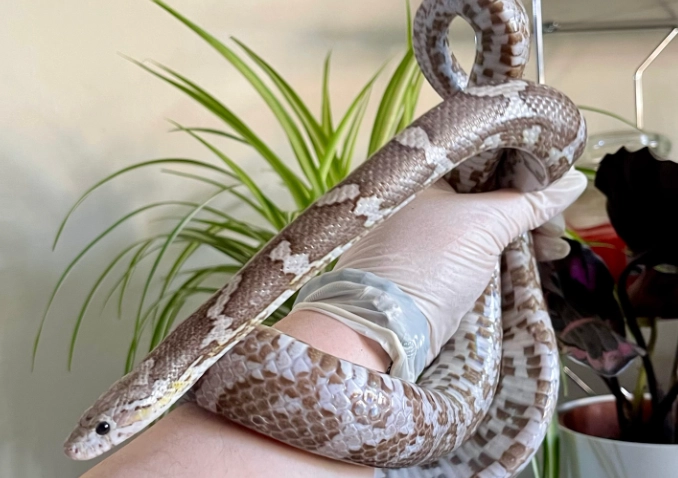
Reading Their Body Language: The Snake's Yelp, Hiss, and Purr
Snakes shout with their bodies. You need to learn their language.
| What You See | What It Likely Means | What You Should Do |
|---|---|---|
| Fast, jerky tongue flicks, coiling tightly, pulling head back into an "S" shape. | Fear, defensiveness. "Back off!" | Move slower, or abort the handling session for now. Give them space. |
| Muscular tension, trying to burrow into your hand or sleeve. | Seeking security/hiding. "I'm scared, I need cover." | Let them hide in your cupped hands or loosely under your shirt. Don't force them into the open. |
| Relaxed, slow exploration. Tongue flicks are steady and rhythmic. Body moves smoothly. | Contentment/curiosity. "This is okay. What's over here?" | This is the green light! Continue handling calmly. |
| Tail vibrating rapidly against surfaces (like a rattlesnake). | Agitation, warning. "I am upset!" | Heed the warning. This can precede a strike (rare in corns). End the session gently. |
| Musking (releasing a foul-smelling waste substance). | Extreme fear or stress. A defense mechanism. | Put them back gently. They are very stressed. Wash up, and try again another day with more caution. |
See? Once you learn this, you stop wondering vaguely if corn snakes like to be held and start getting a clear, real-time answer from your specific snake.
The Benefits (Yes, There Are Some for the Snake Too)
Okay, so they don't crave it. But proper, gentle handling isn't a selfish act. It can actually benefit your corn snake.
Regular, calm handling desensitizes them to human interaction. This makes routine health checks, tank cleanings, and vet visits (yes, snakes need vets sometimes!) infinitely less traumatic. A snake that's used to being handled is easier to examine for signs of illness like scale rot or respiratory issues. Organizations like the Association of Reptilian and Amphibian Veterinarians (ARAV) stress the importance of low-ststress husbandry for reptile health, and predictable handling is part of that.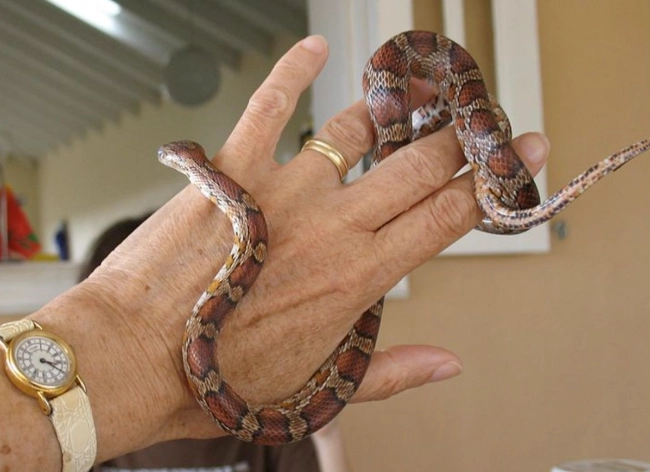
It also provides environmental enrichment. Their tank, while safe, is a limited space. Exploring your arms, the couch (under close supervision!), or a safe room gives them new smells, textures, and climbing opportunities. Mental stimulation is good for any captive animal.
Common Handling Mistakes That Scream "Newbie"
Let's be blunt about the stuff that stresses snakes out. I've messed up some of these myself, so no judgment.
- Over-handling: More than 2-3 times a week for 10-15 minutes is too much for many snakes. They are solitary creatures. Give them days off.
- Handling When You're Nervous: They sense tension. If you're jumpy, they'll be jumpy. Breathe. Move with quiet confidence.
- Letting Kids Handle Without Direct Supervision: Kids can be loud, sudden, and squeeze without meaning to. Always have an adult's hands guiding the interaction.
- Holding Them Near Other Pets: The sight or smell of a cat, dog, or bird can trigger intense predator/prey stress. Keep them separate.
- Not Supporting Their Body: Letting large sections of their body dangle in mid-air is scary and physically uncomfortable for them. Always support as much of their length as possible.
Frequently Asked Questions (The Stuff You're Secretly Googling)
My corn snake musked on me! Does it hate me?
No, it was just terrified. It's a defensive move, like a skunk spraying. Don't take it personally. Clean up (it stinks!), leave the snake alone for a few days, and next time approach even more slowly and gently. They can learn that you're not a threat.
How often should I handle my corn snake?
After the initial settling-in period, start with short 5-minute sessions, 1-2 times a week. Gradually increase to 10-15 minutes. Watch their body language. If they seem consistently stressed, do it less. Some snakes are just more introverted.
Can handling make my corn snake more tame?
Yes, absolutely. Consistent, positive (or more accurately, non-negative) experiences build familiarity. A snake that's handled regularly from a young age typically becomes very calm and easy to manage as an adult. Taming is about reducing fear, not building affection.
Is it okay to hold my corn snake when it's out exploring its tank at night?
You can, but be mindful. That's their active time. Some owners find their snake is more receptive then. But if you're interrupting a serious exploration or hunt (even if it's just for fun), they might be annoyed. Gauge their reaction.
What if my corn snake bites me?
Corn snake bites are rare and not serious. It usually feels like a pinprick or a scratch. If it happens, don't jerk away or punish the snake—that teaches them biting makes you go away, which can reinforce the behavior. Stay calm, gently put them back in their enclosure, and figure out why it happened. Were your hands smelly? Did you startle them? Was it feeding day? The resources at Reptiles Magazine often discuss bite prevention and response, framing it as a husbandry issue, not an aggression problem.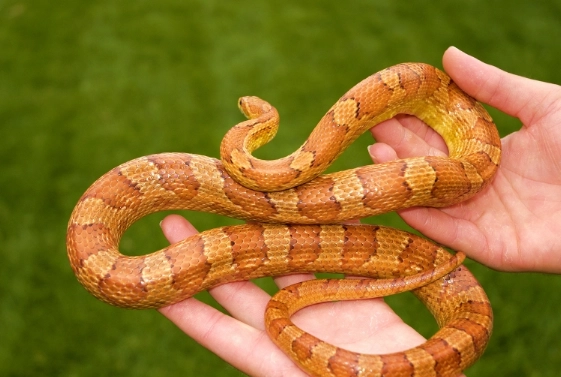
Pro-Tip from Experience: Keep a small bottle of hand sanitizer near the tank. Use it before handling. It kills food smells and signals "handling time" not "feeding time." It's a simple trick that prevents most feeding-response bites.
The Big Picture: It's About Respect, Not Love
So, after all this, do corn snakes like to be held? The most accurate answer is: they can learn to tolerate it exceptionally well, and even appear curious during the process, provided you respect their boundaries, biology, and body language.
The joy of handling a corn snake isn't in receiving affection. It's in the quiet privilege of observing a wild creature at peace in your presence. It's feeling the powerful, smooth muscles moving under those beautiful scales. It's seeing the world through their slow, deliberate perspective. When Jasper rests his head on my wrist, perfectly still, I don't think he "loves" me. I think he trusts me not to hurt him. And for a snake, that's a huge deal. That's the real reward.
Focus on being a source of safety, not stress. Provide a perfect home, feed them appropriately, and handle them with mindful care. Then, the question of whether corn snakes like to be held becomes irrelevant. You'll have a healthy, calm companion that allows you to share its space—and that's better than just being "liked" any day.
If you're looking for more detailed care sheets that align with modern reptile welfare standards, the Animal Welfare Foundation often collaborates with herpetologists on guidelines that go beyond basic survival to promoting positive welfare states, which is where we should all be aiming.


Join the Conversation