So, you've got a new snake, or you're about to get one, and the big question is staring you in the face: how on earth do you actually pick it up? That first time reaching into the enclosure can feel like a scene from an adventure movie. Your heart might be pounding. I remember my first time with a corn snake years ago—my hands were so sweaty I was worried I'd drop the poor thing. It's a totally normal feeling. The good news? With the right approach, learning how to handle a snake for the first time can be a smooth, safe, and even enjoyable experience for both you and your scaly friend. This isn't about taming a wild beast; it's about building trust with a fascinating pet.
Navigate This Snake Handling Guide
- Before You Even Think About Touching: The Mental and Physical Prep
- The Step-by-Step Guide: Your First Safe Handling Session
- Choosing the Right Candidate: Not All Snakes Are Equal for First-Timers
- Building a Lasting Bond: Beyond the First Time
- Answering Your Burning Questions (FAQ)
- The Long Game: Ethics and Responsible Ownership
Let's get one thing straight from the start. This guide is for pet snakes that are generally considered suitable for beginners—think corn snakes, ball pythons, king snakes. It is absolutely not for wild snakes or advanced species. Safety is the non-negotiable rule number one, always.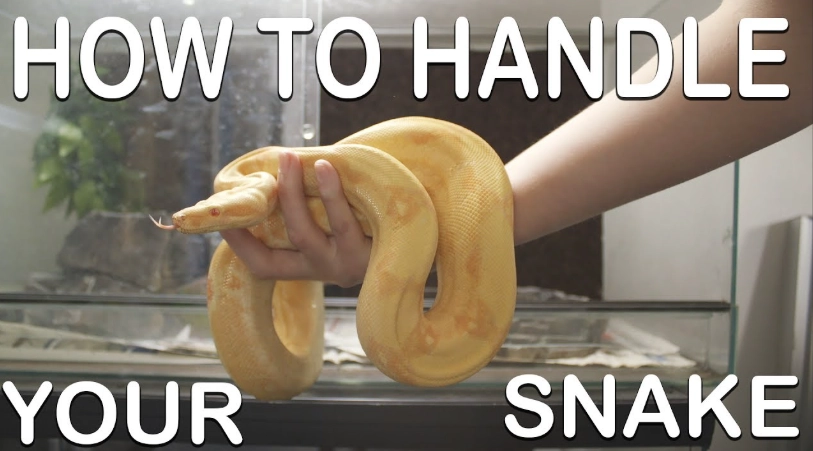
Before You Even Think About Touching: The Mental and Physical Prep
Most guides jump straight to the grabbing part. I think that's a mistake. What you do beforehand matters just as much. Handling starts long before your hand enters the tank.
Getting Your Head in the Game
Fear is contagious. If you're a bundle of nerves, your snake will sense the tension through your jerky movements and elevated energy. They're incredibly perceptive to vibrations and body language. Your goal isn't to be fearless—that's unrealistic. Your goal is to be calm and confident. Take a few deep breaths. Remind yourself that this animal is more scared of you than you are of it. You're a giant predator from its perspective. The act of handling a snake for the first time is as much about managing your own psychology as it is about technique.
A little self-talk helps.
“I am slow. I am predictable. I am not a threat.” Repeat it. It sounds silly, but it works.
Essential Gear and Setting the Stage
You don't need much, but what you need is critical. First, always wash your hands before and after. Use unscented soap if possible. You don't want to smell like a mouse (tempting) or chemicals (scary).
Next, consider your environment. Handle your snake over a soft, secure surface. A bed, a large couch, or a carpeted floor with no escape routes (block gaps under doors!) is ideal. Have a snake hook nearby if you have one—not for “hooking” the snake aggressively, but as a gentle tool to guide its head or lift the front part of its body. For most beginner snakes, your clean hands are the best tool.
Timing is everything. Never, ever handle a snake that is in shed (their eyes look cloudy/bluish, their skin looks dull). They feel vulnerable and can't see well, making them more defensive. Also, avoid handling for at least 48 hours after they've eaten to prevent regurgitation, which is stressful and unhealthy for them. The best time is when they are active and exploring their enclosure, not when they're curled up hiding.
The single most common mistake new owners make is rushing the process. Giving your snake a full week to settle into its new home without any handling is not a suggestion—it's a requirement for its well-being.
The Step-by-Step Guide: Your First Safe Handling Session
Okay. You're calm. Your snake is settled, not in shed, and hasn't eaten recently. The stage is set. Let's walk through the actual process of how to handle a snake for the first time.
Step 1: The Confident Approach
Move slowly and deliberately. Don't hover over the tank like a hawk—approach from the side if you can. Open the enclosure calmly. Avoid reaching directly from above, as this mimics the approach of a bird predator. Instead, place your hand gently into the tank, palm up, and let it rest on the substrate for a moment. Let the snake investigate you. It might flick its tongue to “smell” you. This is good!
Step 2: The Lift (The Most Important Part)
This is where technique matters. Your goal is to support as much of the snake's body as possible, evenly and securely. Don't grab. Don't pinch. Don't go for the head.
- Target the Mid-Section: Gently slide your hand under the snake's body, around its middle or lower third. Use a flat, supportive hand.
- Lift with Support: As you lift, immediately use your other hand to support more of its body. Imagine you're carrying a fragile, living piece of rope. A fully supported snake feels secure. An unsupported, dangling snake feels like it's falling and will thrash.
- Keep it Low: For this first time, lift it only a few inches above a soft surface within the enclosure. Don't bring it straight up to your face.
Step 3: The Hold and Movement
Once you have it securely supported with both hands, you can slowly lift it out. Keep your movements fluid. Let the snake move through your hands. Don't try to constrict its movement. A good technique is to let it glide from one hand to the other in a continuous loop over your lap or a safe surface. This gives it a sense of controlled movement. Your session should be short—5 minutes is plenty for a first time. The goal is a positive, stress-free experience, not an endurance test.
What about biting?
It's the number one fear. With a calm, well-established beginner species, it's very unlikely if you follow these steps. But if it does happen? Do not jerk away. That can damage their teeth. Stay calm. Usually, they'll let go quickly if they feel no threat. You can gently mist its nose with water or apply a drop of hand sanitizer near its mouth (not in it!) to encourage release. Then, calmly place it back. Don't punish it—it's not being “bad,” it's being scared.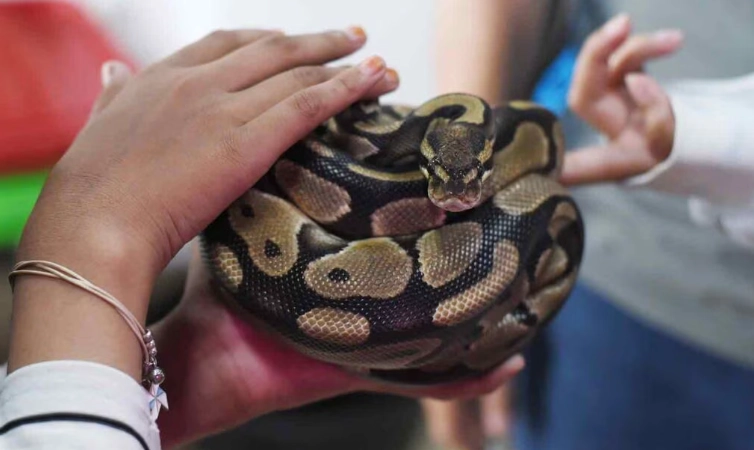
Choosing the Right Candidate: Not All Snakes Are Equal for First-Timers
Your entire first experience hinges on the species you pick. Trying to learn safe snake handling techniques on a species known for being feisty is setting yourself up for failure and stress. Here’s a quick comparison of common beginner species based on my experience and general community consensus.
| Species | Temperament (Typically) | Key Consideration for First Handling | Adult Size |
|---|---|---|---|
| Corn Snake | Curious, active, generally docile. Rarely defensive. | Can be a bit “zippy” when young. Focus on full body support as they like to explore. | 4-5.5 feet |
| Ball Python | Calm, slow-moving, famous for “balling up” when scared. | If they ball up, be patient. Don't uncurl them. Let them relax on their own time. | 3-5 feet |
| California Kingsnake | Confident, inquisitive, good eaters. Can be musky if startled. | May mistake fingers for food during feeding mode. Wash hands thoroughly! | 3-4 feet |
| Rosy Boa | Exceptionally gentle and slow-paced. Great for nervous handlers. | Almost no special tips—they are often considered the most forgiving for beginners. | 2-3.5 feet |
See that last one? The Rosy Boa. I rarely see them get the spotlight they deserve in these lists. They're fantastic. My personal opinion? For a pure, stress-free first time snake handling experience, a well-started Rosy Boa or a mature Corn Snake is hard to beat. Ball Pythons are wonderful but their famous feeding strikes can spook a new owner, even if they're harmless.
Building a Lasting Bond: Beyond the First Time
That first successful handling session is just the beginning. Consistency is your new best friend. Short, positive sessions 2-3 times a week (outside of shed/feeding) build familiarity. Your snake learns you are not a threat, and you learn its unique personality and body language.
Watch for signs of stress: rapid, jerky tongue flicks, trying to flee constantly, heavy breathing, musking (releasing a foul-smelling substance). If you see these, end the session gently and positively—don't just drop it back in like it did something wrong. Place it back calmly.
Speaking of vets, establishing care with an Association of Reptilian and Amphibian Veterinarians (ARAV) certified vet is a pillar of responsible ownership. A health check-up early on ensures you're starting with a robust animal, and they are an invaluable resource for any questions.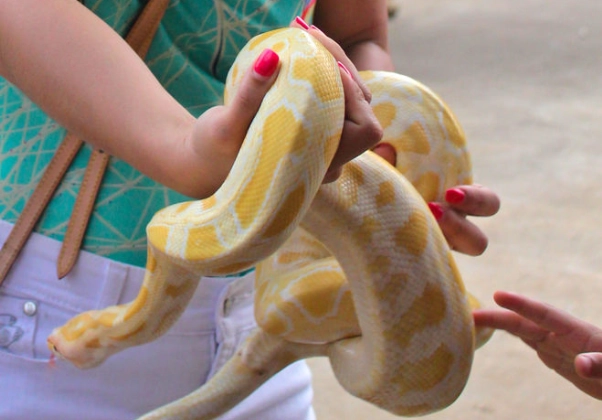
Answering Your Burning Questions (FAQ)
You've got questions. I've heard them all. Let's tackle some common ones that pop up around the topic of how to handle a snake for the first time.
The Long Game: Ethics and Responsible Ownership
Handling is a privilege, not a right you get by buying the animal. Your snake is a living creature with its own needs, one of which is a sense of security. Our desire to interact shouldn't trump its wellbeing. I see too many social media posts where snakes are clearly stressed props—handled for too long, in busy environments, or by people who don't know what they're doing.
It leaves a bad taste in my mouth.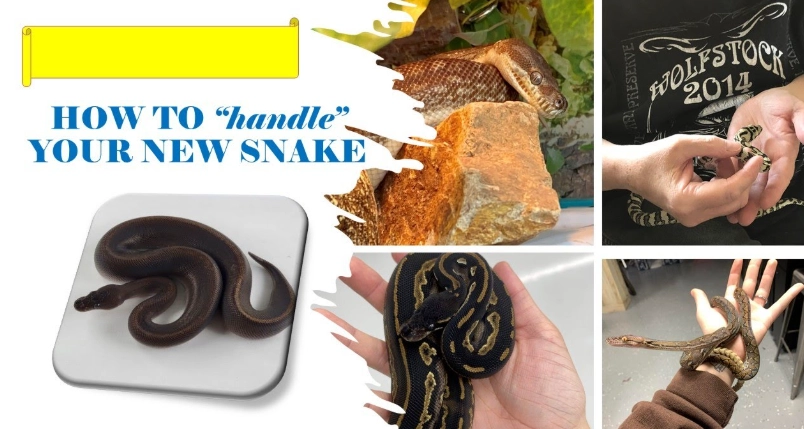
True reptile keeping is about stewardship. It's about creating an environment where the animal can thrive, and where handling is a calm, mutual activity. It's about understanding that sometimes, the most responsible thing you can do is not handle your snake and just let it be. That respect is what separates a good keeper from just an owner.
So, to wrap this up.
Learning how to handle a snake for the first time boils down to preparation, patience, and respect. Go slow. Support its body. Keep sessions short. Read its body language. If you get those fundamentals down, you're not just performing a task—you're starting a fascinating long-term relationship with one of nature's most incredible animals. And trust me, the first time your snake calmly explores your hands without a trace of fear, all that initial anxiety will have been worth it. Now go enjoy your new pet, responsibly.



Join the Conversation