Getting your first gerbil is exciting. You've got the cage, the wheel, the bedding. Then you stare at the pet store shelf, overwhelmed by seed mixes, pellets, and treats. What's the right gerbil diet plan? I've been there. I made the classic mistake of feeding a sugary seed mix, and my gerbil, Gizmo, became picky and a bit chunky. It took a vet visit and some research to get it right. Let's skip that step for you. A proper diet isn't complicated, but a few wrong choices can lead to health problems or a fussy eater. This guide cuts through the confusion and gives you a simple, effective feeding routine.
Your Quick Guide to Gerbil Nutrition
The Gerbil Food Pyramid: What Makes a Balanced Diet?
Think of a gerbil's diet like a pyramid. The big base, what they eat most of, is a high-quality lab block or pellet. This is non-negotiable. Seed mixes, while popular, are like letting a kid eat only candy for dinner—they pick out the tasty, fatty bits (sunflower seeds, millet) and leave the healthy stuff. Lab blocks ensure they get all their vitamins and minerals in every bite. A study referenced by the American Fancy Rat and Mouse Association supports the use of formulated diets for consistent nutrition in small rodents.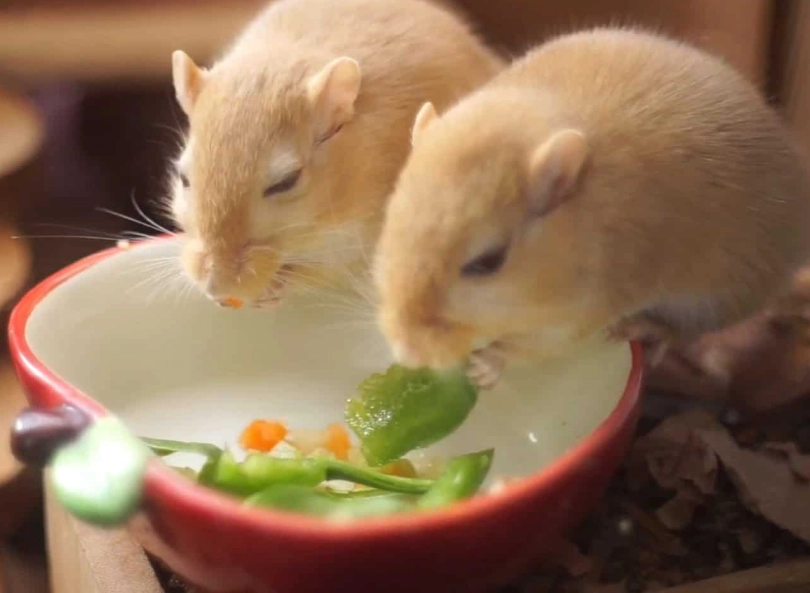
The next layer is fresh vegetables and occasional fruits. This provides moisture, fiber, and variety. The third, smallest layer at the top is protein sources and healthy treats.
Here’s a breakdown of what belongs in each category for your gerbil food list:
| Food Category | Purpose & Frequency | Specific Examples (The Good Stuff) | What to Avoid |
|---|---|---|---|
| Staple Diet (Base) | Daily, unlimited access. Provides complete nutrition. | Mazuri Rat & Mouse Diet, Science Selective Hamster & Gerbil, Oxbow Essentials Hamster & Gerbil Food. Look for blocks, not mixes. | Colorful, sugary seed mixes; diets with lots of corn or filler; “gourmet” mixes with dried fruit and yogurt drops. |
| Fresh Veggies | Daily or every other day. A thumbnail-sized piece per gerbil. | Broccoli florets, carrot tops (not the root daily), cucumber, bell pepper (seeds removed), romaine lettuce, zucchini. | Iceberg lettuce (no nutrients), onions, garlic, raw potatoes, any wilted or spoiled produce. |
| Protein (Weekly) | 2-3 times a week. Crucial for muscle and coat health. | Mealworms (dried or live), plain cooked chicken or egg (tiny piece), plain tofu, a few unsalted pumpkin seeds. | Processed meats, seasoned foods, raw beans, large amounts of nuts. |
| Healthy Treats | Sparingly, 1-2 times a week. For bonding and enrichment. | Small piece of apple (no seeds), blueberry, oat flake, millet spray, a plain cheerio. | Store-bought yogurt drops, honey sticks, sugary “cookies,” chocolate, candy. |
One thing most guides don't mention: gerbils have a naturally low thirst drive. They evolved to get moisture from food. That's why fresh veggies are so important, especially if you notice they don't drink from their water bottle much. Don't panic if the water level changes slowly.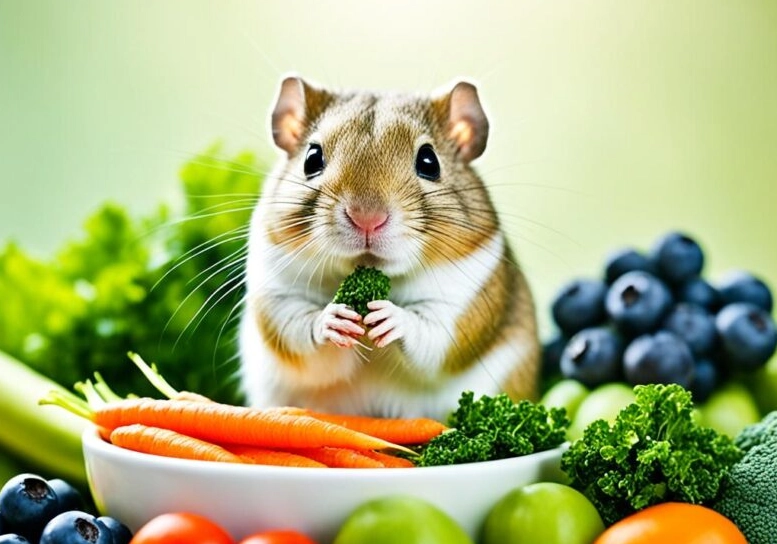
A Simple 7-Day Gerbil Feeding Schedule for Beginners
Consistency is key. Here’s a sample week to take the guesswork out. Adjust quantities based on if you have one gerbil or a pair (they should always be kept in pairs, by the way). A pair of gerbils eats about 1-2 tablespoons of lab blocks per day.
Evening Routine (6-8 PM): This is when gerbils become active. Offer fresh foods or treats during this time.
- Monday: Evening – A small sprig of broccoli.
- Tuesday: Evening – A slice of cucumber (about the size of your pinky nail).
- Wednesday: Evening – 2-3 dried mealworms as a protein boost.
- Thursday: Evening – A small piece of bell pepper (red or green).
- Friday: Evening – A single blueberry or a tiny piece of apple (seedless).
- Saturday: Evening – A few carrot tops or a slice of zucchini.
- Sunday: Evening – A plain oat flake or a millet spray to forage on.
See the pattern? Lab blocks are always available. Fresh food rotates nightly. Protein comes mid-week. A small treat ends the week. This variety prevents boredom and ensures nutritional balance without overdoing any one thing.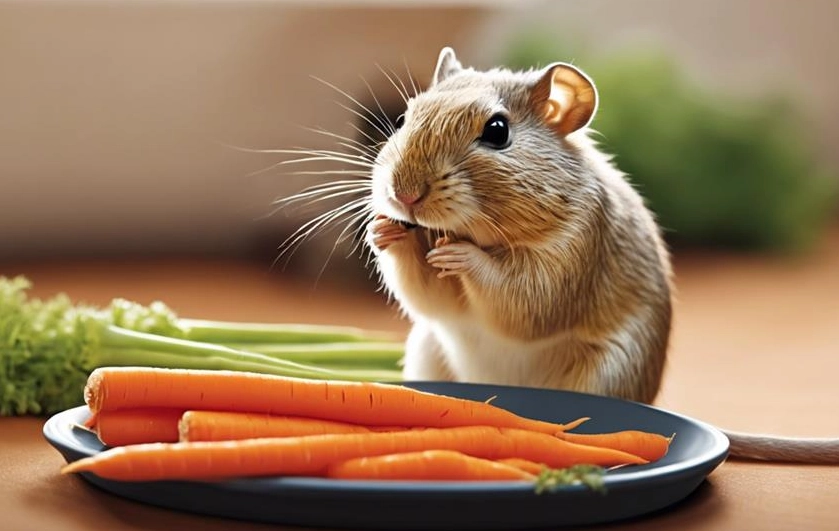
How Much is Too Much? Portion Control Matters
Gerbils hoard food. It's instinct. You might think they've eaten everything, but check their bedding—they likely have a stash. Overfeeding fresh food leads to a moldy, smelly stash that can make them sick. That thumbnail-sized piece per gerbil is a hard limit. If it's gone in 2 hours, that's fine. They don't need a constant buffet of veggies.
3 Common Feeding Mistakes New Owners Make (And How to Fix Them)
I've seen these happen time and again, both in my own experience and talking to other owners.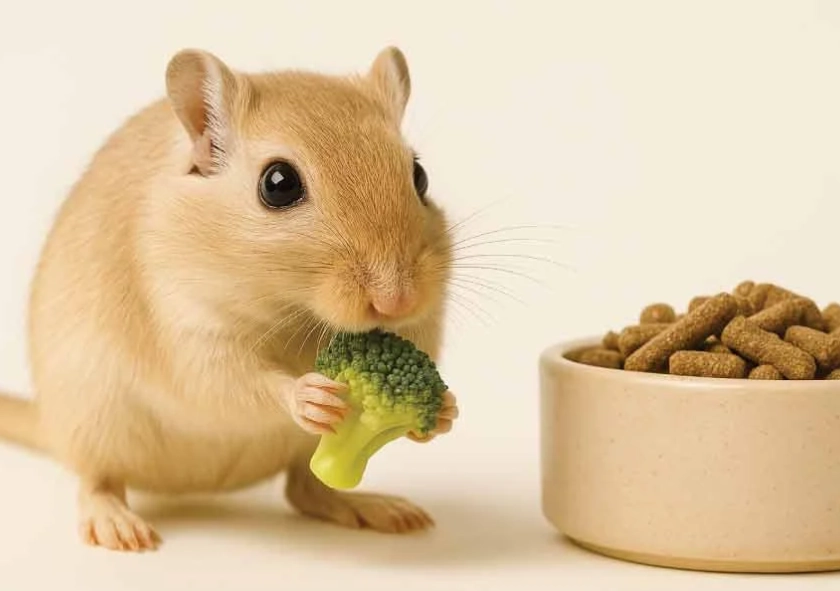
Mistake 1: Switching to a seed mix because "they prefer it." Of course they do. It's junk food. If your gerbil is used to a mix and ignores lab blocks, you need to transition. Mix 75% old food with 25% new blocks for 4 days, then 50/50, then 25/75, until it's all blocks. They won't starve themselves. Be firm.
Mistake 2: Feeding fruit too often. Fruit is high in sugar. In the wild, a gerbil might find a berry once in a blue moon. In captivity, a blueberry every day is a sugar overload leading to obesity and diabetes. Keep fruit to a weekly treat.
Mistake 3: Not providing hay. Timothy hay isn't a primary food, but it's essential. It provides roughage for digestive health and is the best material for nesting and burrowing. Always have a handful of fresh hay in their cage. It keeps their teeth worn down and their guts moving.
Healthy Treats & Necessary Supplements: What's Worth It?
The pet store aisle is full of supplements. Most are unnecessary if you're feeding a quality lab block, which is already fortified. You don't need vitamin drops for their water—it degrades quickly and they might not drink it.
The best "supplement" is foraging enrichment. Instead of putting food in a bowl, scatter their daily lab blocks around the cage or hide them in toilet paper tubes stuffed with hay. This mimics natural foraging behavior and prevents boredom.
For treats, think natural. A millet spray hung in the cage provides hours of entertainment. A walnut in the shell (unsalted) is a fantastic challenge for their teeth and a healthy fat source—give one per pair every couple of weeks. The key is the activity around the food, not just the food itself.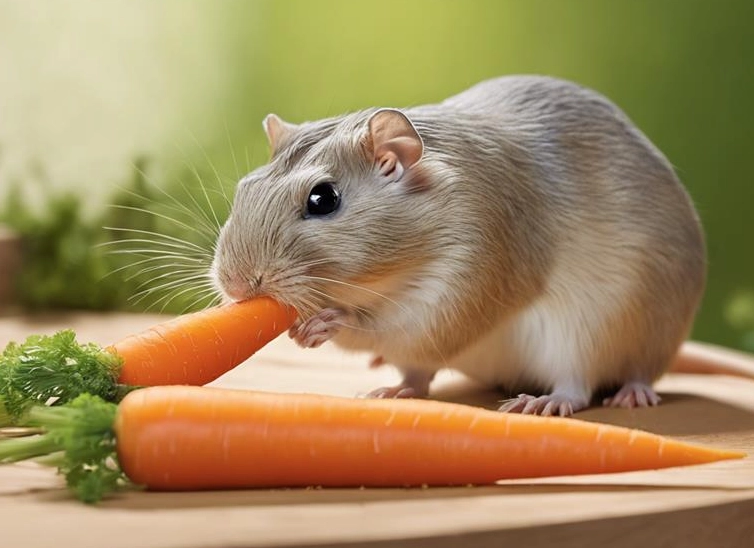
Your Gerbil Feeding Questions Answered
My gerbil ignores the lab block and only eats the seeds from a mix. How do I get it to eat properly?
How can I tell if my gerbil is overweight, and what should I do?
Are there any specific vegetables that help with common gerbil health issues like wet tail?
My gerbils stash all their fresh food. Should I remove it?
Starting with a solid gerbil diet plan sets your pet up for a long, active life. It seems like a lot at first, but it quickly becomes a simple routine. Remember the core: a lab block base, a little fresh veg for moisture, a bit of protein, and treats for fun. Watch their energy, their coat, and their weight—they'll tell you if you're on the right track. Now go enjoy watching your gerbils thrive.





Join the Conversation