You're watching your parrot, canary, or finch, and something feels off. Maybe they're quieter than usual, their feathers look a bit ruffled, or they're picking at their food. That gut feeling? Listen to it. Birds are masters at hiding illness—a survival instinct from the wild—so by the time symptoms of a bird disease are obvious, they're often seriously unwell. I've been keeping and rehabilitating birds for over a decade, and the number one mistake I see is owners waiting too long. This guide isn't just a list of ailments; it's a roadmap to understanding your bird's silent language of distress, knowing when it's a home-care situation, and when you need to sprint to the vet.
What's Inside This Guide
The 5 Universal "Red Flag" Symptoms (Act Immediately)
Forget trying to diagnose the specific disease right away. Start here. If you see any of these signs, your bird is telling you it's in trouble. These are non-negotiable cues to contact an avian vet.
Fluffed Up for More Than a Few Hours: Birds fluff up to conserve heat when they're cold or sleeping. But if your bird is perpetually puffed up like a little feather duster during the day, it's trying to fight off illness and keep warm because its energy is failing. Pair this with closed eyes, and you have a very sick bird.
Major Change in Droppings: I'm not talking about a slightly different green from eating spinach. Look for dramatic shifts. Watery feces (polyuria), pure bright green or yellow urates (the white part), or the presence of blood. A complete lack of droppings is also a severe emergency indicating a blockage.
Labored Breathing: Watch the tail. A healthy bird's tail should be still while resting. If it's bobbing up and down noticeably with each breath, your bird is working too hard to get air. Listen for clicking, wheezing, or any sound when breathing. Open-mouth breathing at rest is a critical sign.
Neurological Signs: Head tilting, falling off perches, walking in circles, seizures, or inability to grasp. These point to potentially serious issues like heavy metal poisoning, infection, or trauma.
A Breakdown of 5 Common Bird Diseases & Their Telltale Signs
Once you know it's an emergency, understanding the possible causes helps you give better info to your vet. Here’s a deeper look at some frequent culprits.
1. Psittacosis (Parrot Fever) – The Zoonotic Threat
This bacterial disease, caused by Chlamydia psittaci, is a big one. It's zoonotic, meaning it can spread to humans (causing flu-like symptoms). Birds can carry it latently for years and flare up under stress.
Key Symptoms to Watch For: The classic presentation is a bird with respiratory symptoms (nasal discharge, sneezing, labored breathing) combined with bright lime-green or yellow diarrhea. They're often letharigic, fluffed, and have ocular discharge. A subtle sign I've noticed is a kind of "dullness" in the eye—they just don't look "present."
2. Avian Pox – The Skin and Lesion Disease
Avian pox is a viral disease with two forms. The dry form causes wart-like growths on unfeathered areas (feet, legs, around the eyes and beak). The wet form affects the respiratory tract, causing plaques in the mouth and throat, leading to difficulty swallowing and breathing. It's often spread by mosquitoes or contact.
Many online resources downplay this, but the wet form can be fatal if lesions block the airway. Even the dry form needs vet care to prevent secondary bacterial infections in those scabs.
3. Aspergillosis – The Silent Fungal Invader
This is a fungal infection caused by inhaling Aspergillus spores, often found in damp bedding, old peanuts, or moldy environments. It's insidious. The fungus grows slowly in the air sacs and lungs.
The Sneaky Symptom Pattern: There's rarely a single dramatic sign. Instead, you see a bird slowly losing condition over weeks or months. They become less active, lose weight despite eating, and may have subtle voice changes or increased respiratory effort. By the time breathing is obviously labored, the infection is often advanced. This is why annual vet check-ups with a specialist are crucial.
| Disease (Common Name) | Primary Cause | Most Distinctive Symptoms | Critical Action |
|---|---|---|---|
| Psittacosis | Bacteria (Chlamydia psittaci) | Lime-green droppings, respiratory distress, ocular discharge. | Isolate bird, wear mask during handling, vet for antibiotics (doxycycline). |
| Avian Pox | Virus (Avipoxvirus) | Dry: Warty lesions on feet/face. Wet: Yellow plaques in mouth. | Vet for supportive care, prevent mosquito bites, isolate from other birds. |
| Aspergillosis | Fungus (Aspergillus) | Chronic weight loss, increased breathing effort, lethargy. | Diagnosis requires imaging/culture. Improve air quality, antifungal meds from vet. |
| Polyomavirus | Virus (Primarily affects young birds) | Abdominal swelling, loss of appetite, sudden death in chicks. | No cure. Prevention via vaccination (for breeders) and strict hygiene is key. |
| Macaw Wasting Disease (PDD) | Virus (Avian Bornavirus) | Regurgitation, undigested seeds in droppings, progressive weight loss. | Specialized vet diagnosis. Focus on managing symptoms and diet. |
How to Perform a Basic Health Check on Your Bird at Home
Do this weekly. It builds a bond and creates a health baseline. Keep it calm and short.
Weight: This is your most important metric. Get a digital kitchen scale that measures in grams. Weigh your bird at the same time each week (e.g., before breakfast). A loss of 10% body weight is a major red flag, even if the bird seems "fine." Record it.
The Keel Bone Check: Gently feel the center breast bone (keel). In a healthy bird, it should feel like the prow of a ship with good muscle on either side (like firm padding). If it feels sharp and prominent like a knife's edge, your bird is underweight or losing muscle mass.
Eyes, Nares, Beak & Feet: Eyes should be clear, bright, and fully open. Nares (nostrils) should be clean and symmetrical—no crusty discharge. The beak should be smooth, not overgrown or flaky. Check the feet for smooth scales, no sores, and all nails intact.
Feathers and Vent:
Look for clean, smooth feathers. Excessive barring (stress lines), bald patches, or chewed feathers can indicate illness or behavioral issues. The vent (cloaca) should be clean, not matted with feces or swollen.
Preparing for the Avian Vet Visit: What You Absolutely Must Do
Walking into the vet unprepared wastes precious time. Here's your checklist.
- Bring a Fresh Dropping Sample: Place a piece of wax paper or plastic wrap on the cage bottom for 1-2 hours before the appointment. Scoop it into a clean container. This is gold for the vet.
- Photograph/Videograph Symptoms: Is it a weird head movement? A specific cough? Capture it. Your bird may not perform on command at the clinic.
- Bring the Bird's Current Food: A Ziploc bag of their pellets, seeds, and any treats. Nutrition is often part of the puzzle.
- Note the Timeline: When did you first notice something? What changed first? Be specific.
Transport your bird in a small, secure carrier (not its large cage). Cover it partially to reduce stress. Keep the car warm and avoid loud music.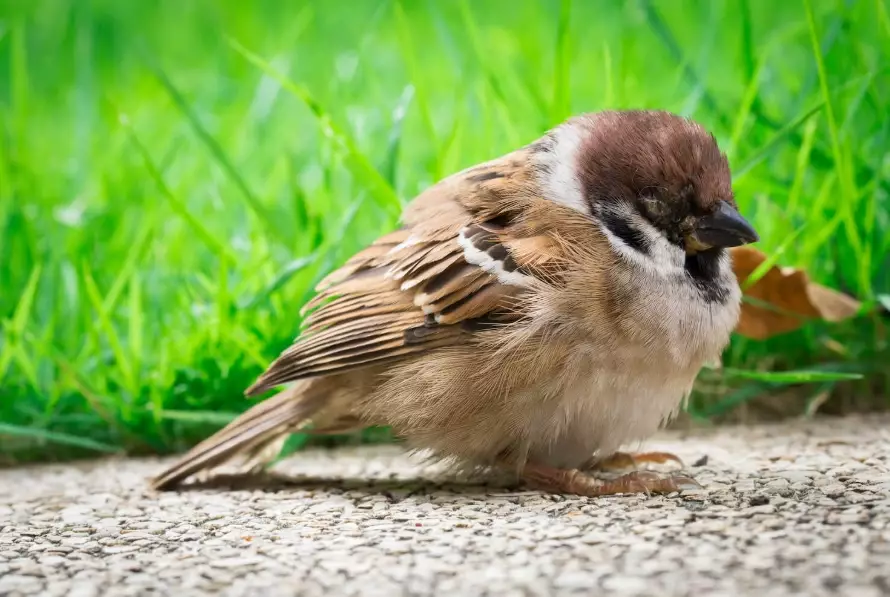
Safe Supportive Care You Can Provide at Home (While Awaiting the Vet)
Your vet will give you a treatment plan. These are general supportive measures that can help a sick bird, but they do NOT replace professional care.
Heat is Critical: Sick birds lose the ability to thermoregulate. Provide a "hospital cage" or a designated warm area. An infrared heat lamp (ceramic, no light) placed at one end of a cage, or a heating pad under *half* the cage, lets the bird choose the temperature. Aim for an ambient temp of 85-90°F (29-32°C). Ensure they can't chew any cords.
Hydration and Easy Nutrition: Dehydration kills fast. Offer plain water, but also consider an electrolyte solution made for birds (e.g., Pedialyte equivalent for pets, unflavored). Soak their pellets in warm water or baby food (like pureed squash) to make a soft, easy-to-eat mash. Hand-feeding might be necessary.
Minimize Stress: Place the cage in a quiet, dimly lit, draft-free area. Limit handling to essential medication and feeding. Talk to them softly.
I once had a cockatiel recover from a severe bacterial infection largely because we maintained perfect, consistent warmth and hydration around the clock before the antibiotics could fully kick in. The vet said it made all the difference.
Your Top Bird Health Questions Answered
My bird is fluffed up and sleeping a lot. Is this an emergency?
It depends on the duration and other signs. If it's just for a short nap in the afternoon, no. If it's been hours, they're at the bottom of the cage, or their eyes are constantly closed, treat it as an emergency. The fluffed-up + lethargy combo is one of the most common presentations of serious illness. Don't wait to see if they're "better tomorrow."
Can I use human antibiotics or medicines on my sick bird?
Absolutely not. This is a potentially fatal mistake. Bird metabolism is completely different. Many human drugs are toxic to birds (e.g., any medication containing acetaminophen/paracetamol is lethal). Antibiotics require precise, weight-based dosing, and the wrong type can worsen fungal issues like Aspergillosis. Medication must always be prescribed by an avian vet after a proper diagnosis.
 What's the single best way to prevent most bird diseases?
Beyond a good diet, it's quarantine and hygiene. Any new bird should be kept in a separate room, with separate cleaning tools, for a minimum of 30-45 days before any introduction. Most owners skip this, introducing parasites or viruses to their existing flock. Regularly clean cages with bird-safe disinfectants (like F10SC or diluted white vinegar), and always wash your hands before and after handling different birds or their food.
How do I find a good avian vet?
Look for a practitioner who is a member of the Association of Avian Veterinarians (AAV). This shows a dedicated interest. Call and ask about their experience with your specific type of bird (e.g., parrots vs. finches). A good avian vet will have a quiet, separate waiting area for birds away from cats and dogs, and they'll spend time asking you detailed questions about husbandry.
My bird sneezed once. Should I panic?
No. Birds sneeze to clear dust from their nares, just like us. An occasional, clear-watery sneeze is normal, especially after preening or bathing. Panic if the sneezing is frequent, persistent, or accompanied by any colored or thick discharge from the nares. That's a sign of infection.

Join the Conversation