Let's be honest. The idea of brushing your cat's teeth probably ranks somewhere between giving them a bath and a trip to the vet on the list of things they'd enjoy. I get it. For years, I thought my cat's slightly stinky breath was just "cat breath." Then my vet pointed out the faint red line along his gums and told me 70% of cats show signs of dental disease by age three. The American Veterinary Medical Association (AVMA) backs this up, stating dental disease is one of the most common health issues in pets. That wake-up call changed everything. Home dental care isn't about achieving a Hollywood smile; it's about preventing pain, expensive vet procedures, and systemic health issues linked to bad oral bacteria.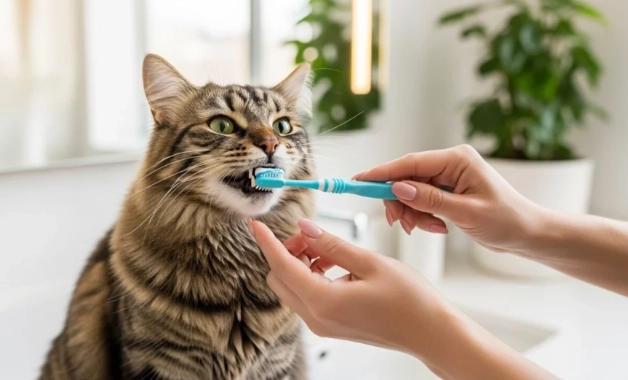
Here's the thing most guides don't tell you: success has almost nothing to do with the brush and everything to do with the relationship. If you force it, you've lost. This guide skips the theory and gives you the practical, step-by-step playbook I wish I'd had.
What's Inside This Guide?
Why Bother? The Real Cost of Ignoring Cat Teeth
Plaque hardens into tartar within about 24-48 hours. Tartar is like a fortress for bacteria right at the gum line. This leads to gingivitis (inflamed, red gums) and, if unchecked, periodontitis. Periodontitis destroys the bone and ligaments holding the tooth in place. It's painful, often hidden, and the bacteria can enter the bloodstream, potentially affecting the heart, kidneys, and liver.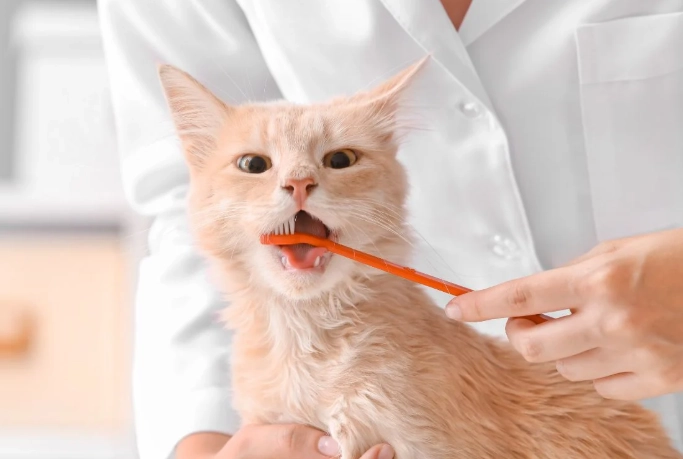
The financial angle is stark. A professional veterinary dental cleaning under anesthesia can cost $500 to $1,500 or more, depending on extractions and location. Compare that to a $10 toothbrush kit and a few minutes of your time each week. The real win, though, is avoiding the hidden suffering. Cats are masters at hiding pain. A cat with a toothache will often just eat more slowly, chew on one side, or stop playing—easy signs to miss until it's severe.
How to Brush Your Cat's Teeth: A Step-by-Step Guide
Forget the 2-minute marathon on day one. We're playing a long game of trust. This process can take weeks. Rushing is the number one mistake.
Gear Up: What You Actually Need
Toothpaste: This is non-negotiable. You must use cat-specific toothpaste. Human toothpaste contains fluoride and xylitol, which are toxic to cats. Cat toothpaste comes in flavors like poultry, seafood, or malt—find one your cat likes by letting them taste it from your finger. The enzymatic kind helps break down plaque.
Toothbrush: Options include a small, soft-bristled human baby toothbrush, a finger brush (a silicone cap with nubs), or a dual-headed cat brush. I found finger brushes great for starters but a small angled brush gave me better reach to the back molars later on.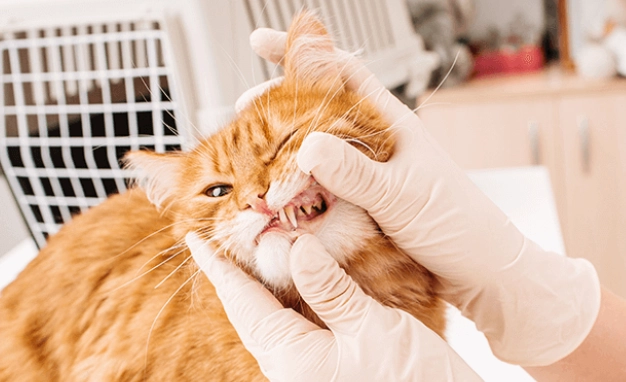
The Training Process: It's Not About Brushing (At First)
Week 1: Touch and Taste. Pick a calm time, like after a meal. Sit with your cat, get a dab of toothpaste on your finger, and let them lick it. Gently lift their lip to touch their gums and teeth with your finger. Reward with praise or a tiny treat. Do this for 5-10 seconds, once a day. Stop before they struggle.
Week 2: Introduce the Brush. Let them lick toothpaste off the brush. Then, with toothpaste on the brush, repeat the lip-lift and gentle gum touch with the brush bristles. No scrubbing yet. Just get them used to the sensation.
Week 3 & Beyond: The First Brushes. Now, try making one or two gentle brushing motions on a few front teeth. Angle the bristles toward the gumline at a 45-degree angle. The goal is 30 seconds of total contact time. If you only get the canines (fangs) done, that's a win. Celebrate.
My cat, Jasper, needed a full month before I could brush his molars. I'd get the front teeth, he'd pull away, and we'd call it a day. Consistency, not perfection, builds the habit.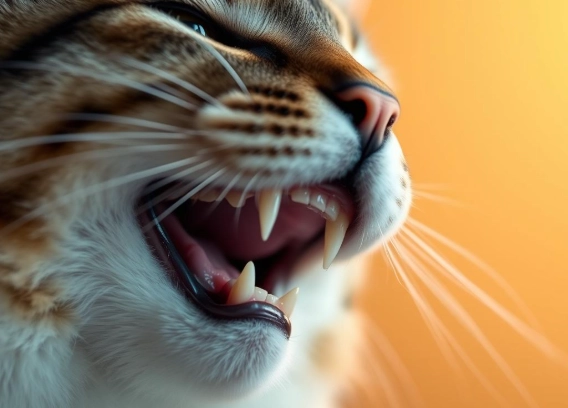
Beyond the Brush: Other Home Dental Care Tools
Brushing is the gold standard, but it's not the only tool. Think of these as helpful supplements, not replacements, especially if brushing is a non-starter. The Veterinary Oral Health Council (VOHC) awards a seal of acceptance to products that meet standards for reducing plaque and tartar. Look for their seal.
| Tool | How It Works | Best For | My Honest Take |
|---|---|---|---|
| Dental Diets & Treats | Kibble is larger, has a fibrous texture, or contains plaque-fighting enzymes to scrub teeth as they chew. | Cats who love crunchy food and will actually chew. Not for "gulpers." | VOHC-approved dental diets (like Hill's t/d or Royal Canin Dental) are the most proven. Greenies are a popular treat option. They help, but aren't a magic bullet. |
| Water Additives | An odorless, tasteless liquid added to drinking water to help reduce bacteria in the mouth. | Multi-cat households or cats who refuse all contact-based methods. | Extremely easy to use. Effectiveness varies. Some cats may notice a change in water taste and drink less, so monitor closely at first. |
| Dental Toys & Chews | Textured toys or edible chews (like rawhide alternatives) that promote chewing and gum massage. | Younger, playful cats who enjoy chewing. | A great enrichment tool that *might* help. Don't rely on it alone. Ensure chews are appropriately sized to avoid choking. |
| Oral Gels & Sprays | Applied directly to teeth/gums, often containing enzymes or antimicrobials. | Cats who tolerate having their mouth touched but hate the brush. | Better than nothing. The challenge is getting it on the right spots without a fight. Can be messy. |
How to Spot Dental Trouble Before It's an Emergency
You're the first line of defense. Make a habit of doing a quick "lip lift" once a month during a cuddle session. Look for:
- Red or bleeding gums: Especially along the line where tooth meets gum.
- Brown or yellow buildup (tartar): It starts near the gumline.
- Broken or discolored teeth.
- Swelling on the face or under the eye. This can indicate a tooth root abscess.
But the signs are often behavioral:
Dropping food, chewing awkwardly, or sudden pickiness. Pawing at the mouth. New reluctance to eat hard kibble. Excessive drooling. Withdrawing from play or being head-shy. Bad breath that's more than just "cat food" smell—think something foul or metallic.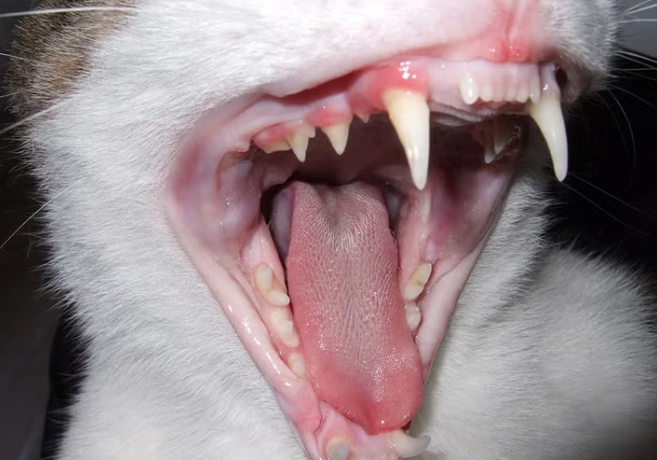
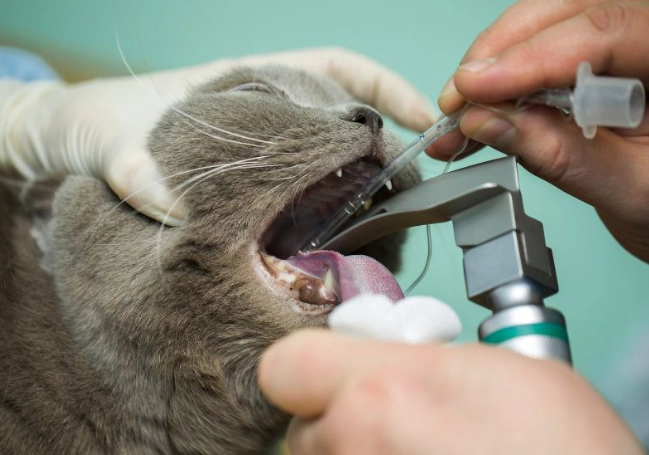
If you see any of these, it's time for a vet visit, not more home care. They may need a professional cleaning to reset the clock before you can maintain it at home.
Your Cat Dental Care Questions, Answered


Join the Conversation