Your Rabbit Feeding Guide At a Glance
- The Absolute Pillar: Why Hay Isn't Just Bedding
- Beyond Hay: The Supporting Cast of the Rabbit Diet
- What to Never, Ever Feed Your Rabbit
- Putting It All Together: A Sample Daily Feeding Schedule
- Special Situations and Life Stages
- Answering Your Burning Questions (The FAQ)
- The Final Munch: Trust the Process
Let's be honest. When I brought home my first rabbit, Thumper, I had no clue what I was doing. The pet store sold me a bag of colorful muesli mix and some yogurt drops, telling me it was "complete nutrition." Thumper loved it, of course. Who wouldn't love sugary bits? But a few months later, we were at the vet with serious digestive issues and overgrown teeth. The vet took one look at the food bag and just sighed. That sigh taught me more than any pamphlet ever could.
That experience is why I'm writing this rabbit feeding guide. Not as an expert, but as someone who learned the hard way so you don't have to. There's so much confusing, and frankly, bad advice out there. My goal here is to cut through the noise. We'll talk about what works, what doesn't, and why the classic image of a rabbit munching on just carrots is a fast track to health problems.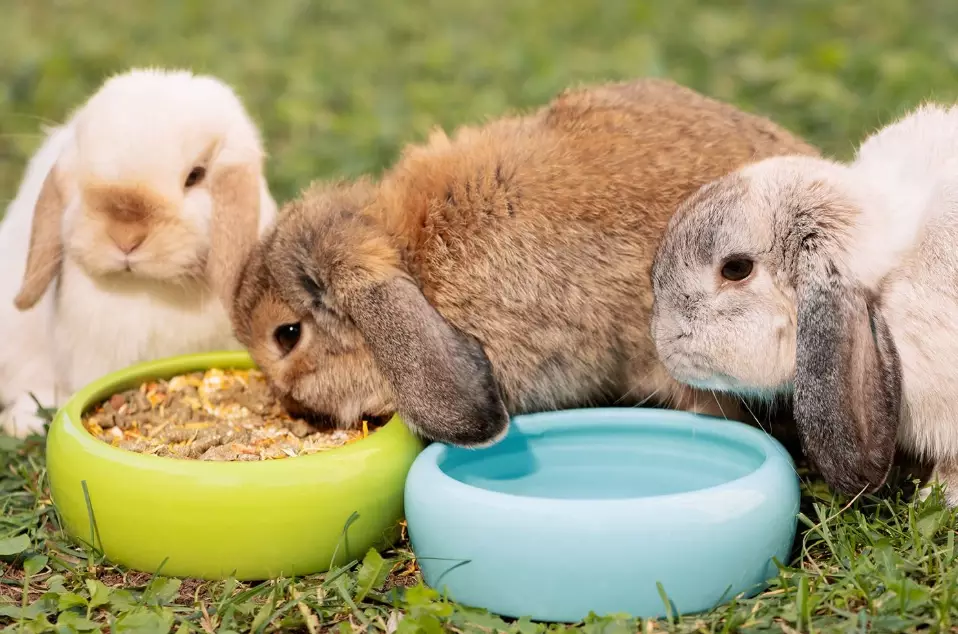
Getting your rabbit's diet right isn't just about avoiding the vet. It's about seeing them binky around the room full of energy, watching them methodically munch on a pile of hay (it's weirdly satisfying), and knowing they'll be with you for many happy years. Their digestive system is a complex, delicate engine, and fuel is everything.
The Absolute Pillar: Why Hay Isn't Just Bedding
If you take away one thing from this entire rabbit feeding guide, let it be this: Hay is not optional. It's not just something to line the bottom of the cage. It is the single most critical part of your rabbit's diet, making up about 80-90% of what they should eat. I can't stress this enough.
Why the obsession with hay? It comes down to two main things: their teeth and their guts.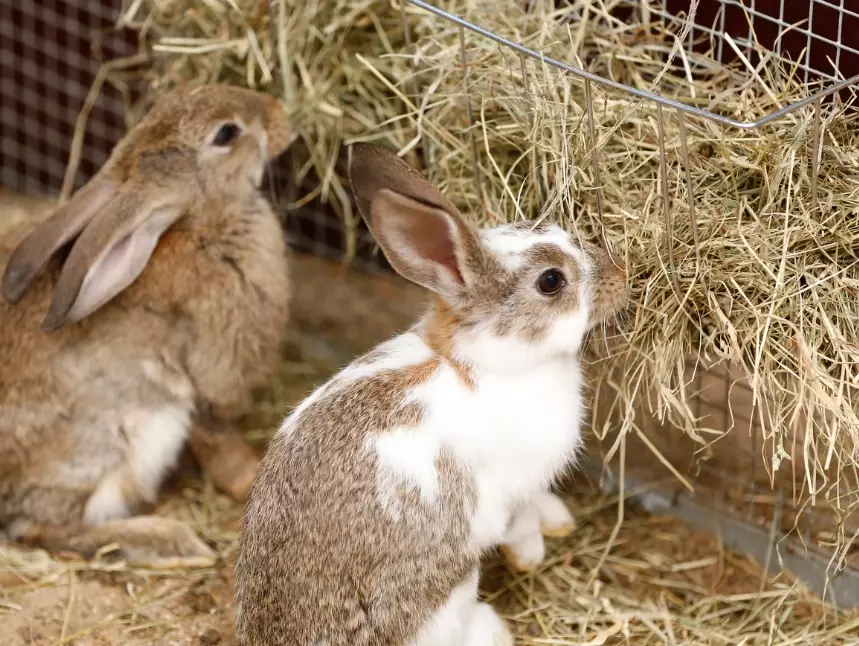
Rabbit teeth never stop growing. Chewing long, fibrous hay grinds them down naturally. Without that constant abrasion, their teeth can overgrow, causing painful spikes, abscesses, and an inability to eat. It's a horrible, preventable problem. The other reason is their digestive system. Rabbits are hindgut fermenters. They need a constant stream of fiber to keep everything moving. The right fiber (the kind in good hay) promotes healthy gut bacteria and prevents GI stasis—a silent killer where the gut slows down or stops. It's every rabbit owner's biggest fear.
Choosing the Right Hay: It's Not All the Same
You walk into the store and see "Timothy Hay," "Orchard Grass," "Meadow Hay." What's the difference?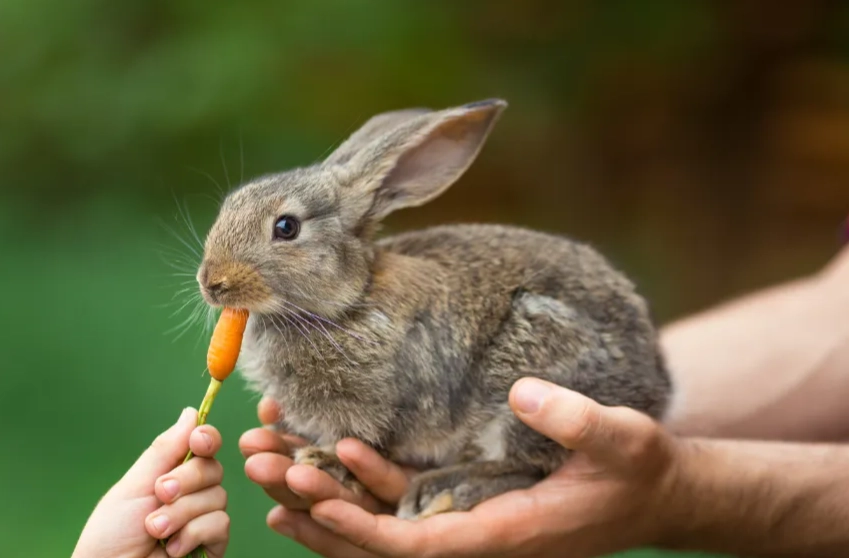
For most adult rabbits, Timothy Hay is the gold standard. It's high in fiber, lower in protein and calcium, which is perfect for maintaining a healthy weight and urinary system. Orchard Grass or Meadow Hay are excellent alternatives and sometimes preferred by pickier eaters. They have a slightly softer texture and a different aroma.
Then there's Alfalfa Hay. It's rich, green, and leafy, and rabbits go crazy for it. But it's also high in protein and calcium. This makes it ideal for baby rabbits (kits), pregnant or nursing does, and underweight rabbits. For a healthy adult rabbit, alfalfa is like feeding them cake every day—it can lead to obesity and bladder sludge. I made the switch from alfalfa to timothy when Thumper was about 7 months old, and it was a bit of a battle for a week, but mixing them slowly did the trick.
So, your rabbit feeding guide priority list? Unlimited grass hay (timothy, orchard, meadow) for adults. Always.
Beyond Hay: The Supporting Cast of the Rabbit Diet
Hay is the main act, but the rest of the diet plays crucial supporting roles. Getting the balance right here is where many guides get fuzzy. Let's break it down.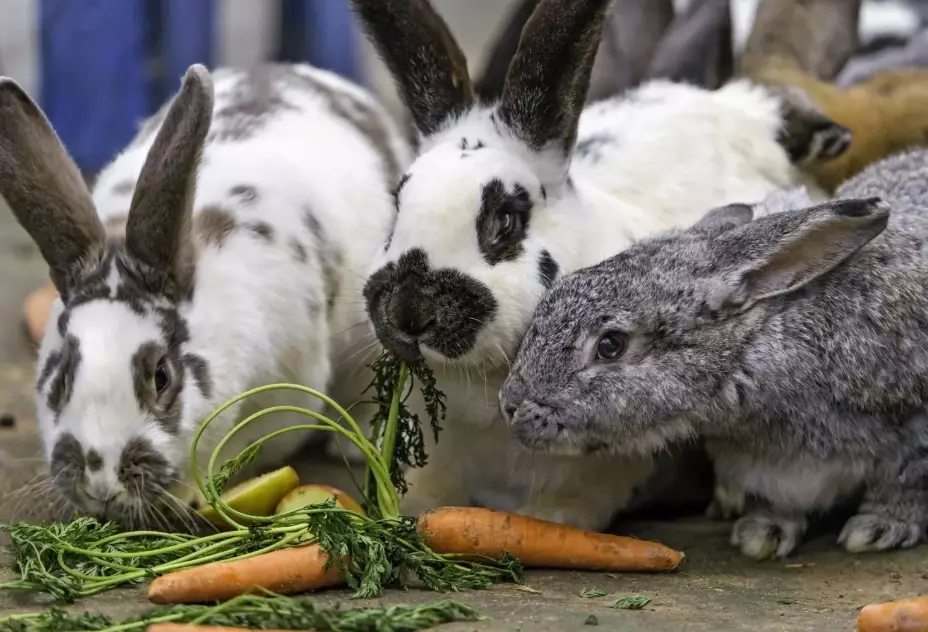
Pellets: Quality Over Quantity
Pellets are a concentrated source of nutrients, but they are a supplement, not the main course. The biggest mistake people make is overfeeding pellets. A rabbit stuffed on pellets won't have room for the hay it desperately needs.
What to look for in a good pellet:
- High Fiber: At least 18-20% crude fiber. This should be the first thing you check on the bag.
- Low Protein & Fat: For adults, around 12-14% protein and 2-3% fat is sufficient.
- Simple Ingredients: It should be plain, uniform, greenish-brown pellets. Avoid mixes with colorful seeds, corn, nuts, or dried fruit. Those are just junk food fillers. My old bag of muesli? Straight in the trash after the vet visit.
- Timothy-Based: For adult rabbits, choose pellets made from timothy hay, not alfalfa.
How much to feed? This is critical. A general rule is about 1/4 cup of pellets per 5 lbs of body weight per day. For my 4-pound Thumper, that's a scant 1/4 cup. I use a small measuring cup, not a scoop. It looks tiny, but it's plenty alongside all that hay.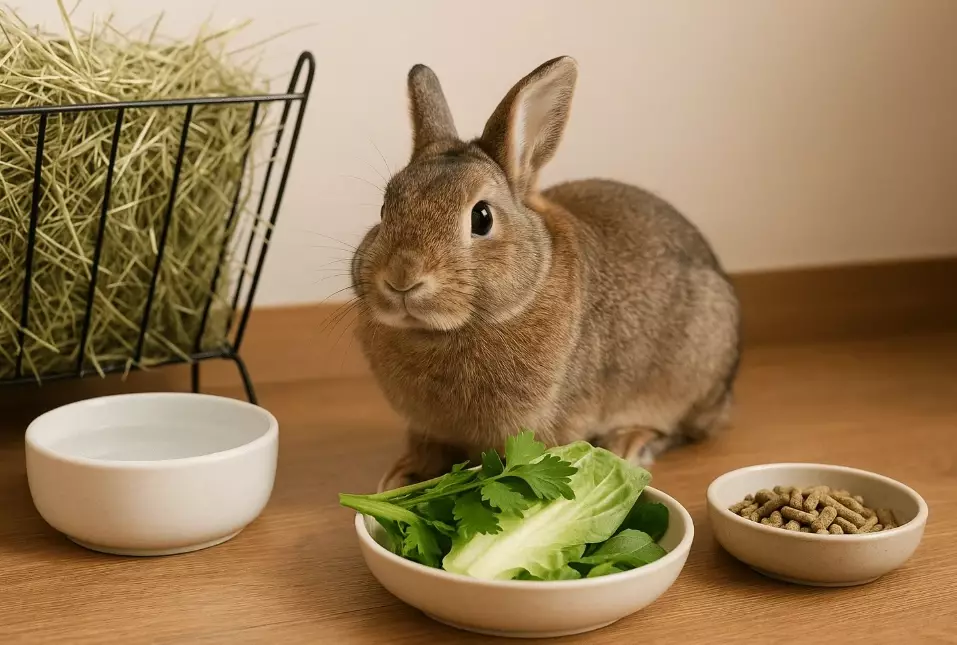
Fresh Vegetables: The Daily Salad Bar
Fresh greens provide moisture, vitamins, and enrichment. Introduce new veggies one at a time and in small amounts to watch for any soft stools. A good daily portion is about 1 packed cup of greens per 2 lbs of body weight.
Here's a breakdown I find useful, separating daily staples from occasional treats:
| Type | Examples (Feed Daily) | Examples (Feed 1-2x/Week) | Important Notes |
|---|---|---|---|
| Leafy Greens (The Core) | Romaine lettuce, Green/Red leaf lettuce, Spring mix (no spinach), Arugula, Cilantro, Basil, Mint, Bok Choy greens, Kale (in strict moderation). | Swiss chard, Spinach, Beet greens, Mustard greens. | Kale, spinach, chard are high in oxalates/calcium. Rotate them; don't feed daily to avoid issues. |
| Herbs (Great for flavor) | Dill, Parsley (curly or flat-leaf), Coriander, Rosemary (small amount). | - | Rabbits often love the strong smells. A great way to encourage eating. |
| Other Veggies (Chop small) | Bell peppers (any color, seeds removed), Celery (cut strings!), Fennel. | Broccoli florets & leaves, Brussels sprouts, Zucchini, Cucumber (peeled). | Gas-producing veggies (broccoli, sprouts) can cause bloat in some rabbits. Start tiny. |
Wash everything thoroughly. I usually make Thumper's "salad" in the morning, let it dry a bit on a towel so it's not soggy, and give it to him in the evening. It's become our little ritual.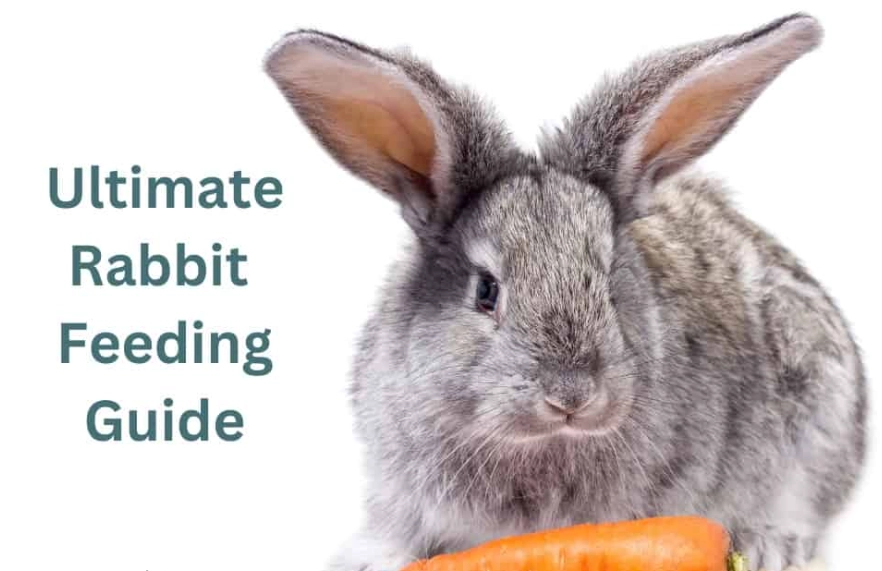
Fruits & Treats: The Dangerous Sweet Spot
Fruit is candy for rabbits. It's high in sugar and should be given in tiny amounts as a rare treat, not a daily thing. Think of a piece the size of your thumbnail, once or twice a week at most.
Safe options: apple (no seeds!), banana (they go nuts for it, but it's very sugary), berry (one strawberry or a couple of blueberries), pear, peach (pit removed).
What to Never, Ever Feed Your Rabbit
This list is short but deadly serious. Some human foods are toxic to rabbits.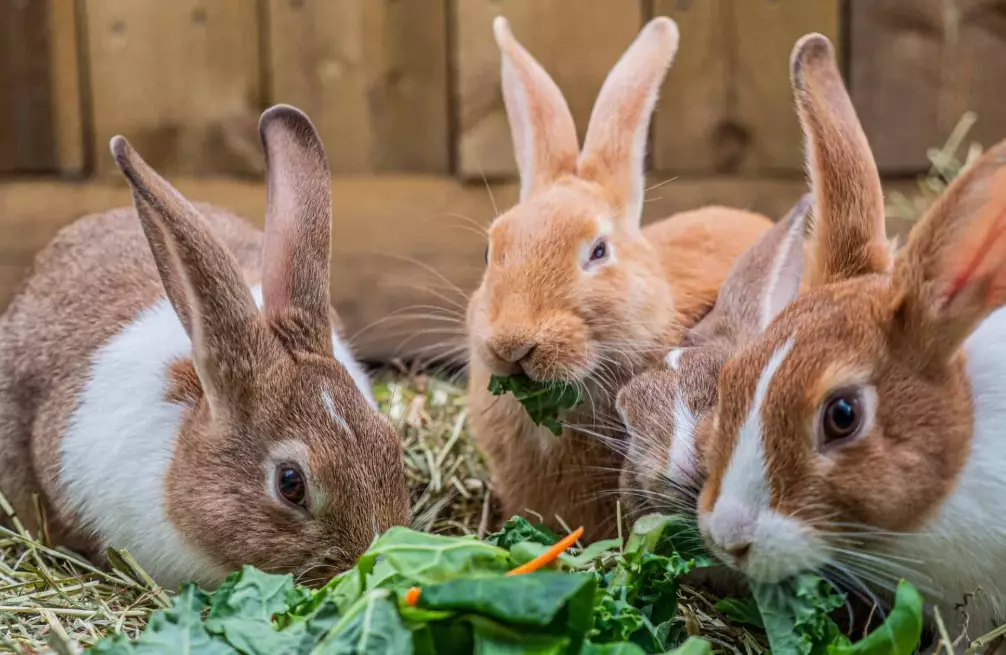
- Allium Vegetables: Onions, garlic, leeks, chives. These can cause blood disorders.
- Iceberg Lettuce: It has a milky sap (lactucarium) that can be a mild sedative and cause diarrhea. It's also mostly water with little nutritional value. Just skip it.
- Potatoes, Rhubarb, Tomato Leaves/Vines: Toxic.
- Avocado: Highly toxic to many pets, including rabbits.
- Chocolate, Candy, Cookies, Bread, Pasta, Cereal, Seeds/Nuts: Their digestive system cannot handle processed carbs, fats, and sugars. This leads directly to obesity and GI issues.
- Meat or Dairy: They are strict herbivores.
I once had a well-meaning friend try to give Thumper a piece of cracker. I had to politely but firmly explain it was like offering poison. It feels dramatic, but it's true.
Putting It All Together: A Sample Daily Feeding Schedule
Let's make this practical. Here’s what a day looks like for a healthy, 5-pound adult rabbit following this rabbit feeding guide:
- Morning: Refresh the unlimited hay rack. Check water bottle/bowl is full (fresh water daily is non-negotiable). Give 1/4 cup of timothy-based pellets.
- Evening: Provide a large, fresh handful of hay. Serve 1.5-2 cups of washed, mixed leafy greens (e.g., romaine, cilantro, a bit of parsley).
- Treat (1-2x/week, not daily): After nail trimming or as a special reward, a blueberry or a thin slice of apple.
See? It's simple once you know the ratios. The bulk of the work and cost is the hay. Everything else is small, measured portions.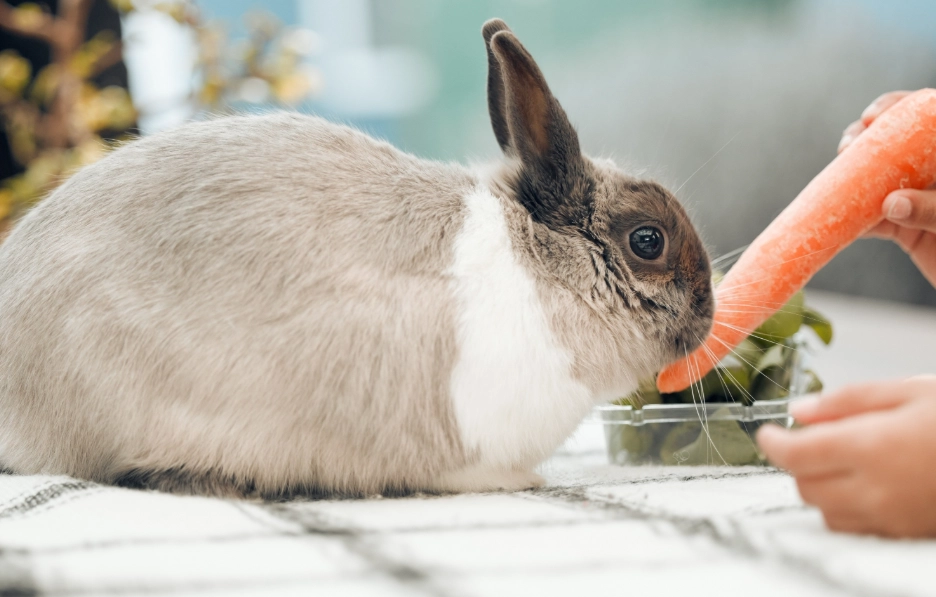
Special Situations and Life Stages
Not all rabbits are the same. This rabbit feeding guide needs some tweaks for different stages.
Baby Rabbits (Kits up to 7 months): They need alfalfa hay and alfalfa-based pellets for growth, unlimited until about 6-7 months. They can start nibbling on greens around 12 weeks, introduced slowly.
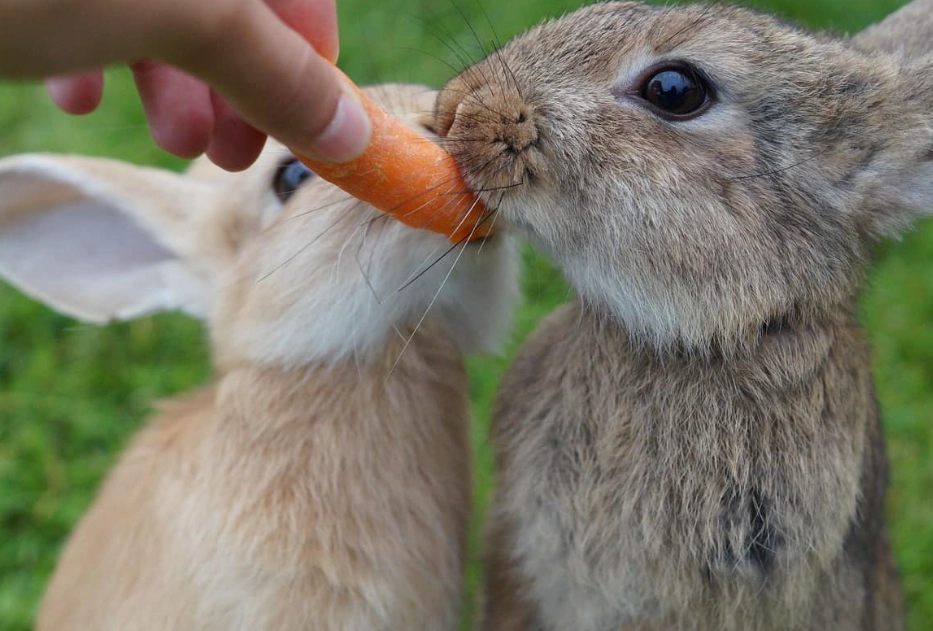
Senior Rabbits (7+ years): They might struggle to maintain weight. You might need to increase pellets slightly or offer more calorie-dense veggies like grated carrot (sparingly) or bell pepper. Ensure their hay is soft and easy to eat; sometimes chopping it can help. Always monitor their water intake closely.
Overweight Rabbits: The first step is cutting back pellets dramatically or even eliminating them temporarily under a vet's guidance. Increase exercise. Ensure the hay is good quality timothy or orchard grass. Weigh them monthly to track progress.
 When in doubt, your veterinarian is your best resource for tailoring a diet to a rabbit with specific health issues.
Answering Your Burning Questions (The FAQ)
Here are the questions I get asked most, or wish I had asked sooner.
The Final Munch: Trust the Process
Switching your rabbit to a proper diet based on a solid rabbit feeding guide might take time. If they're used to sugary mixes, they might protest. They might ignore the hay for a day. Stay the course. Gradually reduce the old food while increasing the hay and proper greens.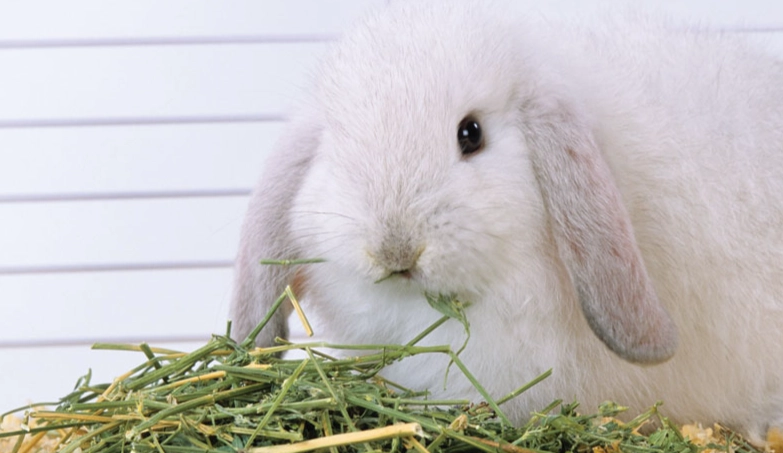
You're not depriving them; you're giving them the foundation for a vibrant life. The payoff is immense: fewer vet bills, a cleaner living area (proper diet = firmer droppings), and a happy, active companion.
Look, I messed up big time at the start. But rabbits are resilient, and they can bounce back with the right care. Watching Thumper now, contentedly chewing his hay, his coat shiny, his energy boundless—that's the real reward. It's a quiet, daily confirmation that you're getting it right.
So, grab that timothy hay, measure those pellets, and get chopping those greens. Your bunny's health is literally in your hands, one bite at a time.


Join the Conversation