What You'll Learn in This Guide
Your cat's teeth might not be something you think about every day, but dental problems can sneak up and cause serious health issues. I've seen too many cat owners miss the early warnings because cats are masters at hiding pain. Let's cut through the confusion and get straight to how you can spot trouble before it gets worse.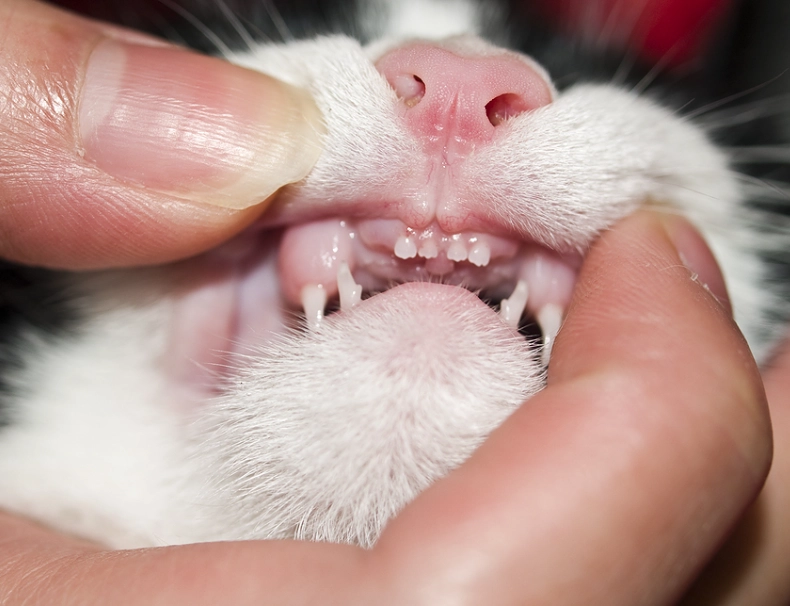
Why Cat Dental Health is a Big Deal
Dental disease affects over 70% of cats by age three, according to the American Veterinary Medical Association. It's not just about bad breath—untreated issues can lead to pain, infections, and even damage to the heart and kidneys. Cats are stoic animals; they won't cry or whine like dogs might. Instead, they'll suffer in silence until things get critical. That's why knowing the signs is crucial.
From my experience as a long-time cat owner, I've learned that many vets say dental care is the most overlooked part of feline health. People assume cats will chew on things to clean their teeth, but that's a myth. Domestic cats often eat soft food that doesn't scrape plaque away, setting the stage for problems.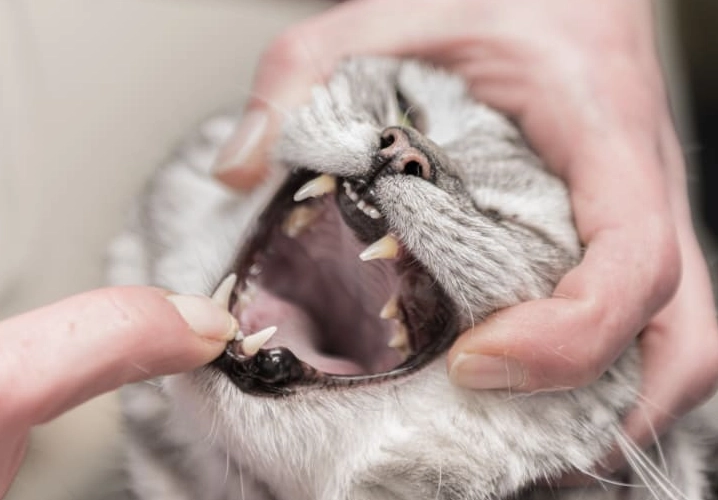
Common Signs of Dental Problems in Cats
Look for these red flags. They might seem subtle at first, but together they paint a clear picture.
Key takeaway: If your cat shows more than one of these signs, it's time to pay attention. Don't wait for obvious pain—cats hide it until it's severe.
Bad Breath That Won't Go Away
It's not normal for a cat's breath to smell foul. Sure, cat food isn't minty fresh, but if you catch a whiff of something rotten or metallic, that's often a sign of bacteria buildup or infection in the mouth. I once had a cat named Whiskers whose breath turned sour, and it turned out to be early-stage gingivitis. A quick vet visit saved us from bigger issues.
Changes in Eating Habits
Watch how your cat eats. Is she dropping food, chewing on one side, or refusing her favorite kibble? These are classic pain indicators. Some cats might even paw at their mouth or shake their head after eating. I've noticed that many owners mistake this for pickiness, but it's often dental discomfort.
Visible Tooth or Gum Issues
Gently lift your cat's lip when she's relaxed. Look for red or swollen gums, yellow or brown tartar on the teeth, or broken teeth. In advanced cases, you might see pus or bleeding. A common mistake is thinking a little redness is okay—it's not. Healthy gums should be pink and firm, not inflamed.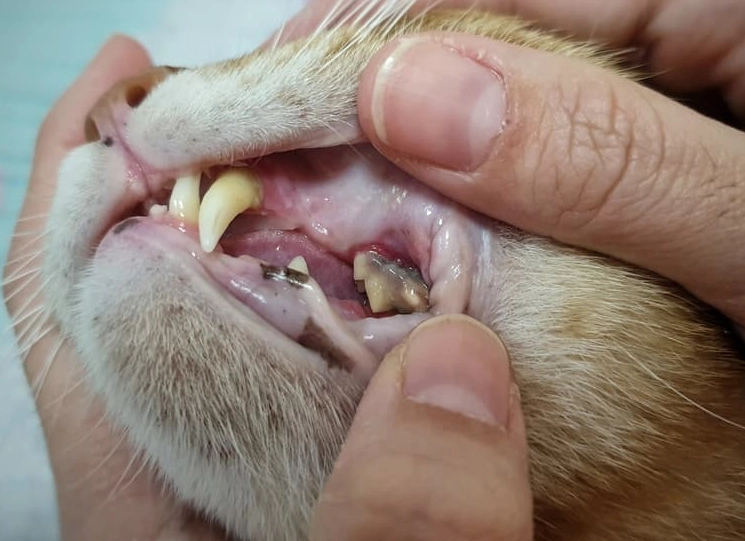
Here's a quick table to summarize the signs and what they might mean:
| Sign | What It Could Mean | Action to Take |
|---|---|---|
| Bad breath | Gingivitis, infection, or tooth decay | Schedule a vet check within a week |
| Dropping food | Pain while chewing, possibly from a cracked tooth | Observe closely and consider soft food temporarily |
| Red gums | Inflammation or early periodontal disease | Start dental care routines and see a vet soon |
| Pawing at mouth | Foreign object or severe pain | Seek veterinary care immediately |
| Weight loss | Chronic pain leading to reduced eating | Urgent vet visit needed |
How to Check Your Cat's Teeth at Home
You don't need to be a vet to do a basic check. Here's a step-by-step method I've used for years. It works best when your cat is calm, like after a meal or during a nap.
Start by getting your cat used to having her face touched. Gently stroke her cheeks and chin for a few days. Once she's comfortable, lift her lip to peek at the front teeth. Don't force it—if she resists, try again later. The goal is to see the gums and teeth without causing stress.
Look for these things:
- Color: Gums should be pink, not red, white, or blue.
- Texture: No swelling, lumps, or bleeding.
- Teeth: They should be white or slightly off-white, with no cracks or dark spots.
If you spot anything off, note it down. A photo can help your vet diagnose better. I always keep a small flashlight handy for a clearer view, but avoid shining it directly into your cat's eyes.
One tip many miss: check the back teeth. They're harder to see but often where problems start. Gently open the mouth a bit by pressing on the sides—just enough to get a glimpse. If your cat hates this, don't push it; that's where a vet comes in.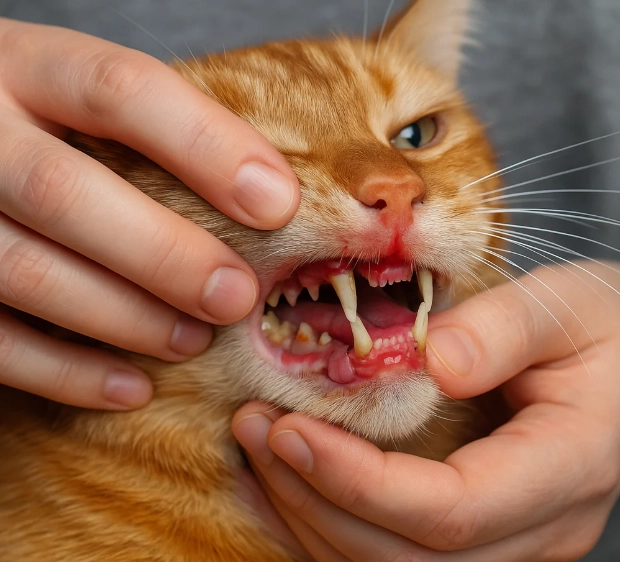
What to Do If You Suspect Dental Issues
First, don't panic. But don't ignore it either. Based on the signs, decide on the urgency.
For mild signs like slight bad breath or minor redness, you can start with home care while booking a vet appointment. Switch to dental-friendly treats or add water additives recommended by your vet. I've found that products with enzymes can help reduce plaque, but they're not a cure-all.
For severe signs—like refusal to eat, visible broken teeth, or bleeding—call your vet right away. Dental pain can escalate quickly. In my case, when Whiskers stopped eating dry food, I learned it was a cracked tooth that needed extraction. Waiting could have led to an abscess.
When you visit the vet, expect a thorough oral exam. They might recommend a dental cleaning under anesthesia, which is the gold standard for treating dental disease. Yes, it costs money, but skipping it can lead to pricier problems down the line. Ask about payment plans if needed; many clinics offer them.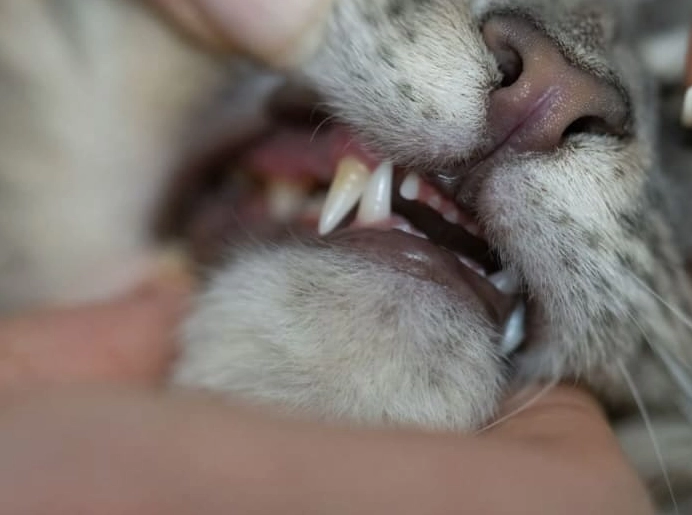
Preventing Dental Problems in Cats
Prevention is cheaper and easier than treatment. Here's what works, from my experience and vet advice.
Daily brushing: It sounds daunting, but it's the most effective method. Use a cat-specific toothbrush and toothpaste—never human toothpaste, as it can be toxic. Start slow, maybe just rubbing the teeth with your finger, and build up to brushing a few teeth at a time. Even doing it twice a week makes a difference.
Diet matters: Dry food isn't a magic cleaner, but some dental diets are designed to reduce tartar. Look for products approved by the Veterinary Oral Health Council (VOHC). I mix dry and wet food to balance nutrition and dental benefits.
Regular vet checks: Annual exams should include a mouth inspection. Catching issues early saves money and pain. Some vets offer dental check-ups as part of wellness plans.
Avoid common pitfalls like giving bones or hard toys that can crack teeth. I've seen cats break teeth on supposedly safe chews—stick to soft, approved dental toys.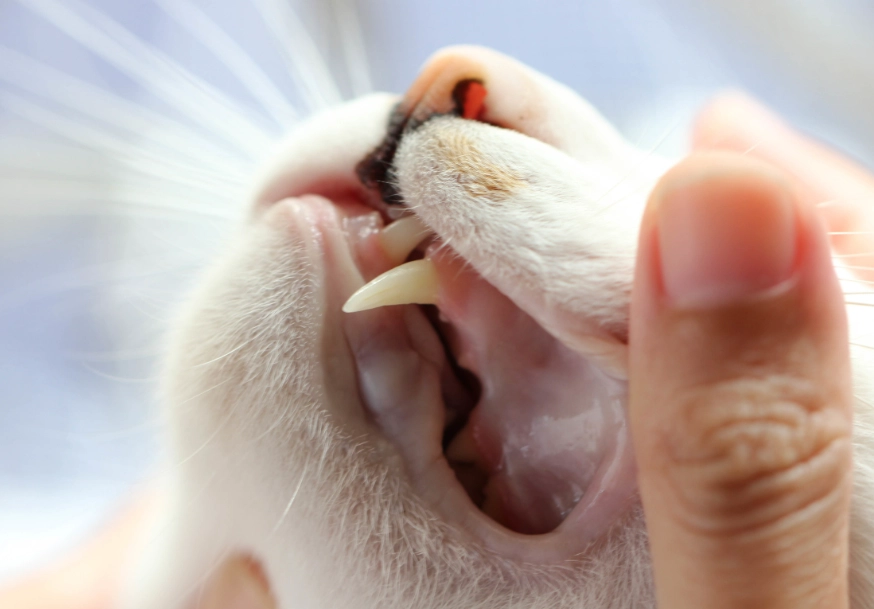
FAQ: Your Cat's Dental Health Answered
Dental health might seem like a small part of cat care, but it's a big deal for their overall well-being. Keep an eye out, act early, and your cat will thank you with purrs and good health. If you're unsure, always err on the side of caution and consult a professional.



Join the Conversation