Let's cut to the chase. You're probably here because you saw a viral video of a cat flushing a toilet, or you're just plain tired of scooping litter. The idea is tempting, right? No more dusty litter tracked across the floor, no more weekly trips to buy heavy bags, and a potentially cleaner-smelling home. The dream of a cat using the human toilet feels like the pinnacle of pet ownership convenience.
But here's the real talk from someone who's been deep in the world of cat behavior: it's complicated. The short answer to "Can you potty train a cat without a litter box?" is a cautious "yes, but..." It's a massive "but." This isn't like teaching a dog to sit. It goes against a cat's most fundamental instincts. I tried it years ago with a young, adaptable cat, and let's just say the process was... educational. For both of us.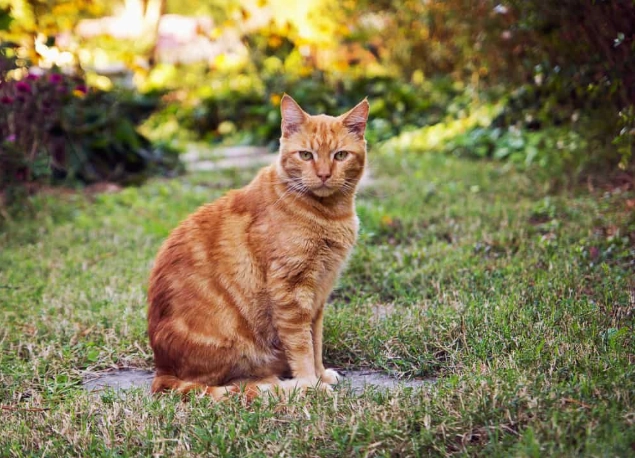
The Core Concept: When people ask about potty training a cat without a litter box, they're almost always talking about toilet training—teaching the cat to balance on the toilet seat and do its business directly into the bowl. It's a complete elimination of the litter box from the equation.
Is It Even Fair to the Cat? The Feasibility Check
Before we dive into the "how," we need to seriously ask "should we?" This is the most important part of the discussion. Your cat's well-being has to come before your desire for a litter-free life.
Cats are hardwired to dig and cover. It's not just a preference; it's a safety mechanism. In the wild, covering waste hides their scent from predators and competitors. The litter box, with its diggable substrate, satisfies this deep-rooted need. Asking a cat to potty without a litter box means asking it to ignore millions of years of evolution.
Furthermore, a litter box provides crucial health surveillance. Changes in urine clump size, stool consistency, or frequency are often the first signs of illness (like urinary tract infections or kidney issues). When a cat flushes, that evidence is gone. The Cornell Feline Health Center consistently emphasizes the importance of monitoring litter box output. Removing that tool is a significant risk.
So, is it possible? Technically, yes. Some cats, particularly those with bold, adaptable personalities, can learn. But it's never a guarantee, and it's stressful for many. An older cat with arthritis? Forget it. A skittish cat? A recipe for accidents and anxiety.
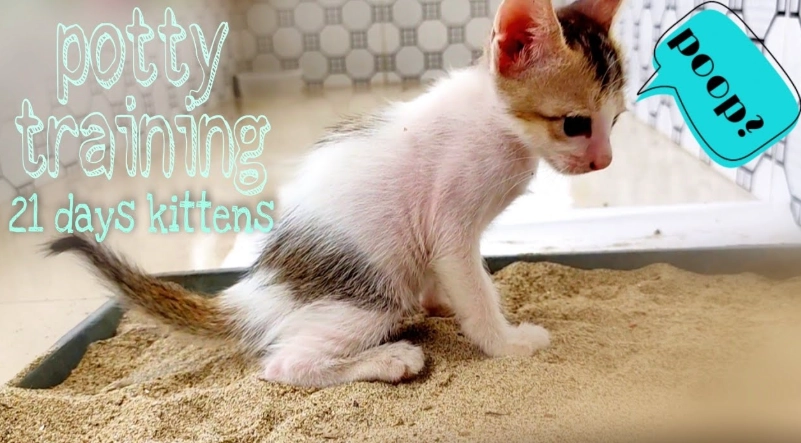 Think about it from your cat's perspective for a second.
What the Experts and Organizations Say
Major animal welfare organizations are generally skeptical or opposed. The ASPCA doesn't recommend it, citing the stress it can cause and the loss of health monitoring. They focus on solving litter box problems, not eliminating the box. The International Cat Care organisation also highlights that it deprives cats of a natural behaviour and can create aversions if the cat slips or gets scared.
This isn't just bureaucratic caution. These views are based on observing countless cats. When the goal is to potty train a cat without a litter box, you might be solving your problem while creating one for your pet.
A Step-by-Step Guide (If You're Still Determined)
Okay, you've read the warnings and you still want to try. Maybe you have a specific reason, like severe human allergies to litter dust. I get it. If you're going to attempt this, you need a methodical, patient plan. Rushing will guarantee failure.
This process can take months. Not weeks. Months.
- Start with a Perfect Litter Box Setup. This seems backwards, but it's essential. Your cat must be 100% reliable with a standard litter box before you even think about change. Place it in a quiet, low-traffic area. Use an unscented, clumping litter most cats prefer. Keep it impeccably clean. Any existing issues will magnify during training.
- Move the Box to the Bathroom. Over several days, inch the litter box closer to the bathroom, then finally right next to the toilet. Let your cat get comfortable doing its business in the new location.
- Elevate the Box. Start raising the litter box a few inches at a time using stable platforms (books, sturdy boxes). The goal is to get it level with the toilet seat. This is a major hurdle. If your cat refuses, stop. This is their way of saying "no thanks."
- The Switch to a Training Seat. This is where commercial products come in. You'll need a toilet training kit (like the "Litter Kwitter" or "CitiKitty"). These are plastic rings that fit under the toilet seat, holding a small amount of litter in a tray. Start with the tray full of litter.
- The Gradual Hole-Enlargement Process. Over many weeks, you switch the trays for ones with progressively larger holes, reducing the litter area. The cat learns to balance on the ring while the "target" shrinks. This is the most delicate phase. One bad slip can spook them for good.
- The Final Leap. Eventually, you remove the training seat entirely, leaving just the open toilet. You then have to remember to leave the lid up and the seat down at all times. Forever.
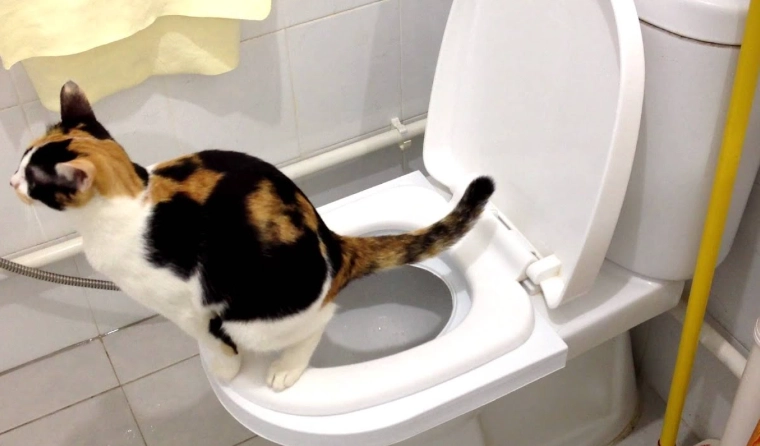
Heads Up: The training seat phase is where most attempts fail. Cats feel unstable. The plastic can be cold and slippery. The position is awkward. Many cats will simply start going on the bath mat instead. Be prepared to abandon the project if you see signs of stress—hiding from the bathroom, vocalizing while trying to go, or outright avoidance.
Can you potty train a cat without a litter box using this method? Some have. But watching a cat tentatively paw at the smooth porcelain where litter should be is a stark reminder of what you're asking them to give up.
The Unvarnished Pros and Cons
Let's lay it all out on the table. This isn't about good or bad, but about weighing real impacts.
| Potential Benefits (For You) | Potential Drawbacks (For You & Your Cat) |
|---|---|
| No more litter costs. This is the big financial win. | High initial stress. The training process is confusing and stressful for most cats. |
| No more scooping. The daily chore vanishes (though you might need to wipe the seat). | Loss of health monitoring. You miss early signs of diabetes, kidney disease, UTIs, or digestive issues. |
| Less litter tracking. No granules on your floors or bedding. | Accessibility issues. If the bathroom door is closed or a guest puts the seat down, the cat has nowhere to go. This leads to accidents. |
| Potentially less odor. Waste is flushed immediately. | Unnatural posture. The squatting position on a hard rim can be uncomfortable, especially for large, elderly, or arthritic cats. |
| The "wow" factor. It's a novelty. | It's not truly "litter-free." You often use litter in the training seat trays, and you may need to clean stray messes from misses. |
| Problem if you move. The cat may not generalize the skill to a new toilet, leading to regression. |
See what I mean? The cons list is heavier, especially from the cat's viewpoint. The question "can you potty train a cat without a litter box" often focuses on the human benefits, but the costs are largely borne by the animal.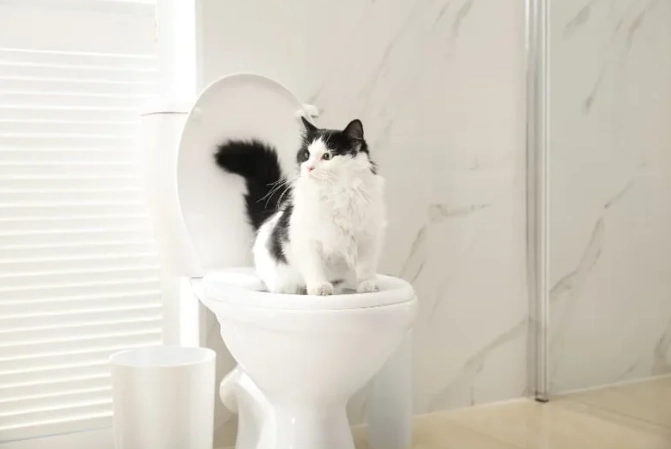
Common Questions & Honest Answers
What's the success rate for toilet training cats?
There's no official statistic, and anyone who gives you a firm number is guessing. From forums, vet discussions, and trainer anecdotes, it seems low—maybe 20-30% for full, reliable, long-term success. Many people start the process and quit after weeks of struggle or accidents. Success depends heavily on the individual cat's temperament.
Are some cat breeds better at this?
Not really. Breed is less important than personality. However, breeds often described as intelligent, adaptable, and people-oriented—like Siamese, Bengals, or Savannahs—might be more inclined to try. But even within these breeds, it's a toss-up. A laid-back Ragdoll might surprise you, while a curious Abyssinian might hate it. You know your cat best. Is she bold and unflappable with new things? That's your best bet.
Can you train a kitten vs. an older cat?
Kittens are generally more adaptable and learn new habits faster. But you must not start until they are at least 6 months old and large/coordinated enough to safely jump onto and balance on a toilet seat. An older cat set in its ways will find the change much harder. For senior cats, please don't attempt this. The physical difficulty and stress aren't worth it.
What about alternatives if the toilet doesn't work?
If your goal is simply to reduce litter use or mess, consider these more cat-friendly options first:
- Top-Entry Litter Boxes: Dramatically reduce tracking. Cats jump in and out, leaving most litter inside.
- High-Quality, Low-Dust, Clumping Litter: Invest in a premium litter. It clumps harder, smells less, and creates less dust.
- Automatic Self-Cleaning Litter Boxes: They scoop for you. They're expensive and some cats are scared of the noise, but they eliminate the daily chore. The PetMD overview discusses the pros and cons of various types.
- Pellet or Newspaper-Based Systems: These use non-clumping, often biodegradable materials like wood pellets. They're different, but some cats accept them and they can be less messy.
These solve the human's problem (mess and chore) without asking the cat to fundamentally change its natural behavior. To me, this is the smarter middle ground.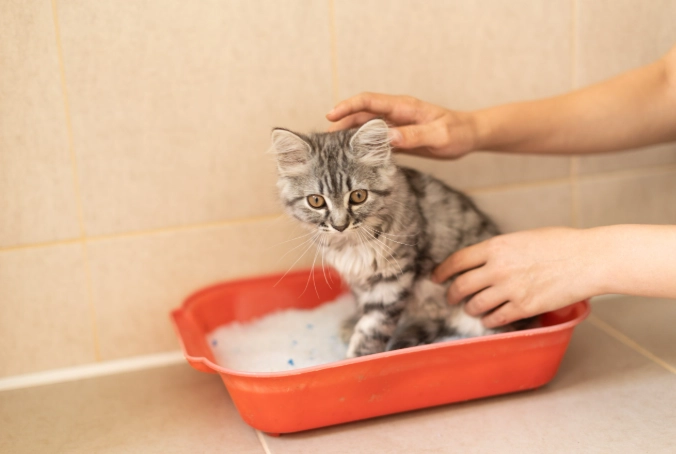
My Personal Take: After my own attempt and talking to behaviorists, I no longer recommend trying to potty train a cat without a litter box. The risks to the cat's physical and mental well-being outweigh the conveniences. The energy spent on months of precarious training is better spent finding a superior litter box system that works for both species. A happy cat with a litter box is better than a stressed cat on a toilet.
The Final Verdict
So, circling back to the burning question: Can you potty train a cat without a litter box?
The technical answer remains yes, it is within the realm of possibility for a select few, highly adaptable cats with extremely patient and committed owners. The process is long, finicky, and prone to failure. It requires you to prioritize training over your cat's instinctual comfort.
The more important answer, though, is that you probably shouldn't. The consensus from feline experts and welfare organizations is clear: the potential downsides—stress, loss of health indicators, accessibility problems, and physical discomfort—make it a questionable practice at best.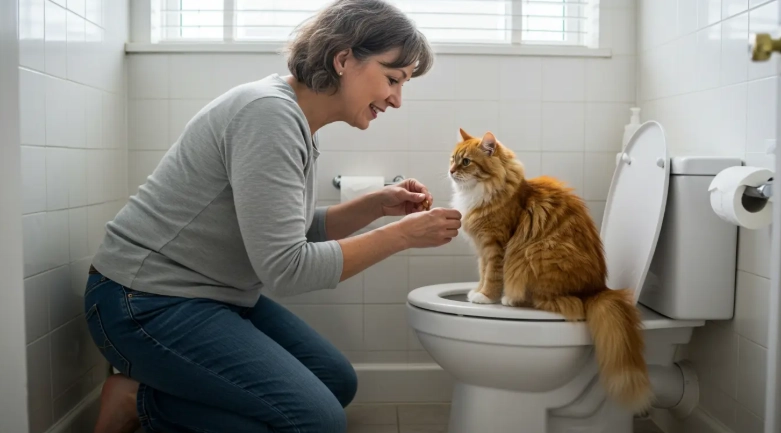
If you hate litter, look at the alternatives I listed. If your cat has litter box issues, consult a vet to rule out medical problems, then a behaviorist. The solution is rarely to remove the box entirely; it's to make the box more appealing.
Our cats give us so much. In return, providing them with a bathroom setup that respects their nature seems like a pretty basic ask. Sometimes, the scooping is just part of the deal.




Join the Conversation