Quick Guide
- Why Bother Learning Home Dog Grooming?
- The Non-Negotiable Starter Kit for Home Dog Grooming
- The Step-by-Step Process: Your First At-Home Grooming Session
- Understanding Your Dog's Coat Type
- Common Questions & Concerns (The FAQ You Actually Need)
- When to Call a Professional Groomer
- Building a Routine and Making It Stick
Let's be honest, the idea of tackling dog grooming for beginners at home can feel pretty daunting. You picture a wet, soapy dog shaking all over your bathroom, a tangle of fur, and the fear of accidentally nicking their skin. I get it. I was there too, staring at my shaggy Golden Retriever, Sam, wondering if I was about to ruin our friendship forever by attempting a home haircut.
But here's the thing I learned: it doesn't have to be a professional-level show cut. Basic dog grooming at home is about health, hygiene, and comfort. It's about keeping your dog's coat free of mats, their nails at a safe length, and their ears clean to prevent infections. And the bonus? It saves you a ton of money and becomes an incredible bonding experience. This guide is everything I wish I'd known when I started. We're going to break it down, step by simple step, tool by affordable tool.
The Core Philosophy: Think of home grooming not as a salon replacement, but as essential maintenance between professional grooms (if you use them) or as a complete self-sufficient care routine. Your goal is a clean, healthy, happy dog, not necessarily a Pinterest-perfect poodle trim.
Why Bother Learning Home Dog Grooming?
Before we dive into the how, let's talk about the why. Sure, saving $50-$100 per groom is a huge motivator. But the benefits go way deeper than your wallet.
For many dogs, a trip to the professional groomer is stressful. The strange environment, the loud dryers, the handling by unfamiliar people—it can be anxiety-inducing. Grooming your dog at home allows you to work at their pace, in a place they trust. You can stop for cuddles, offer treats, and make it a positive experience. It also forces you to get hands-on with your dog weekly. You'll be the first to notice that new lump, that patch of dry skin, or that tender spot on their paw. You become more attuned to their health.
I remember finding a small, hidden tick on Sam's neck during a brushing session. I never would have spotted it otherwise. That's the kind of proactive care we're talking about.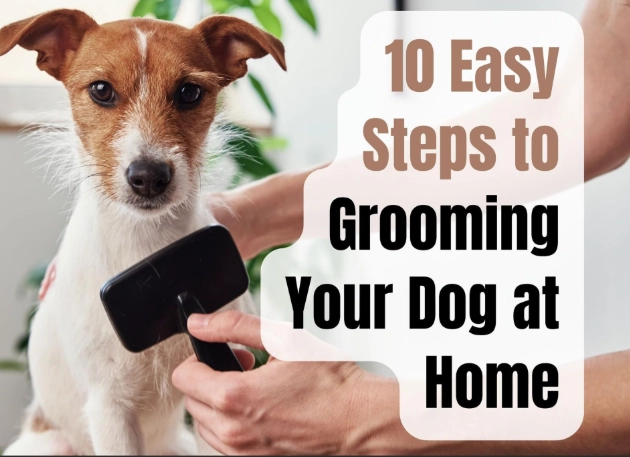
The Non-Negotiable Starter Kit for Home Dog Grooming
You don't need a salon's worth of equipment. Starting your journey in dog grooming for beginners at home is about getting the right basics. Buying cheap tools often leads to frustration—a dull clipper that pulls hair, a flimsy brush that does nothing. Invest in decent quality from the start; it pays off.
The Essential Tool Checklist:
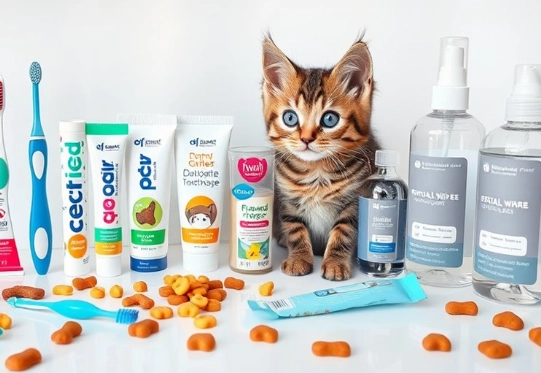
- Slicker Brush: The workhorse for removing loose hair, dirt, and preventing mats. Essential for medium to long-haired breeds.
- Undercoat Rake or Deshedding Tool: If you have a double-coated breed (Huskies, Shepherds, Samoyeds), this is a must to remove the dense undercoat.
- Steel Comb: For finishing work and checking for tangles, especially behind ears and in feathering.
- Dog-Specific Nail Clippers: Either guillotine-style or scissor-style. Choose what feels comfortable in your hand.
- Styptic Powder or Cornstarch: To instantly stop bleeding if you cut the nail quick. It happens to everyone eventually.
- Dog Shampoo & Conditioner: Human shampoo is a big no-no—it strips their skin's natural oils. Get a pH-balanced formula for dogs.
- Ear Cleaning Solution & Cotton Balls/Pads: For regular ear hygiene.
- Toothbrush & Dog Toothpaste: Yes, dental care is part of grooming!
For haircuts, you'll eventually want a pair of grooming scissors (blunt-tipped for safety) and possibly clippers with guide combs. But for absolute beginners, focus on mastering bath, brush, nails, and ears first. The home dog grooming kit can grow with your skills.
The Step-by-Step Process: Your First At-Home Grooming Session
Okay, you've got your tools. Sam is looking shaggy. Let's walk through a complete session. Plan for more time than you think, especially the first few times. Rushing leads to mistakes and stress for both of you.
Step 1: The Pre-Bath Brush-Out
Never, ever bathe a matted dog. Water tightens mats into impossible, felt-like clumps that can pull painfully on the skin. Always brush thoroughly first. Start with the slicker brush, working in sections. Brush in the direction of hair growth, then use your comb to check for any sneaky tangles you missed. Pay special attention to friction areas: behind the ears, under the arms, and around the collar.
If you hit a snag, hold the fur at the base of the mat (near the skin) to prevent pulling, and gently work it apart with the comb or your fingers. For severe mats, you might need to carefully cut them out with scissors, cutting parallel to the skin to avoid nicks. This is where patience is key.
Step 2: Bath Time Basics
Use a non-slip mat in the tub or sink. Lukewarm water is best—test it on your wrist. Completely wet your dog's coat, avoiding the face and ears for now. Apply shampoo, dilute it as the bottle recommends, and lather from neck to tail. Really massage it down to the skin. Rinse, rinse, and rinse again. Incomplete rinsing is the #1 cause of itchy skin after a bath. You should feel zero slipperiness.
Conditioner is a game-changer for long-haired breeds, making brushing afterward much easier. Apply, let it sit for a few minutes, then rinse completely.
Face & Ears: Use a damp washcloth to wipe the face. Do not pour water over the head, as it can easily get into the ear canal. For ear cleaning, squirt a vet-recommended solution into the ear canal, massage the base of the ear for 20 seconds (you'll hear a squishy sound), and let your dog shake. Then use a cotton ball to wipe out the outer ear canal. Never use Q-tips deep in the ear! The American Veterinary Medical Association (AVMA) has great resources on safe ear care practices you can find on their website.
Step 3: Drying & Post-Bath Brushing
Towel dry vigorously. For dogs that tolerate it, a blow dryer on the coolest setting can help, but keep it moving and at a distance. The main goal is to get them mostly dry to prevent them from getting chilled. Once the coat is damp-dry, give it another thorough brush with your slicker and comb. You'll be amazed at how much more loose hair comes out.
Step 4: Nail Trimming - Conquering the Fear
This is the part most people dread. The key is to do it little and often. Hold the paw firmly but gently. Identify the "quick"—the pink, blood-filled part inside clear/white nails. In black nails, it's invisible, so you must trim tiny slivers at a time. Cut at a 45-degree angle, just before where the nail starts to curve downward.
Cut too short? Don't panic.
Dip the nail in styptic powder or apply a dab with a wet cotton swab. It stings for a second but stops the bleeding fast. If you're terrified, just file the nails weekly with a sturdy dog nail file. It's slower but zero-risk. The American Kennel Club (AKC) website has excellent visual guides on nail trimming that are worth a look for clarity.
Understanding Your Dog's Coat Type
Not all coats are created equal. Your approach to dog grooming for beginners at home changes dramatically depending on what your dog is wearing. Here’s a quick breakdown:
| Coat Type | Breeds (Examples) | Key Tools | Biggest Challenge |
|---|---|---|---|
| Smooth/Short | Labrador, Beagle, Boxer | Rubber curry brush, shedding blade | Shedding control. They still shed a ton! |
| Double/Medium-Long | Golden Retriever, Husky, Collie | Undercoat rake, slicker brush, comb | Managing the dense undercoat, preventing mats. |
| Long/Silky | Yorkshire Terrier, Maltese, Afghan Hound | Pin brush, wide-tooth comb, detangling spray | Daily brushing to prevent tangles and mats. |
| Curly/Wiry | Poodle, Bichon Frise, Terriers | Slicker brush, comb, clippers/scissors | Regular clipping to maintain shape, preventing coat from matting close to skin. |
See? One-size-fits-all doesn't work. Knowing your dog's coat is half the battle in effective home dog grooming.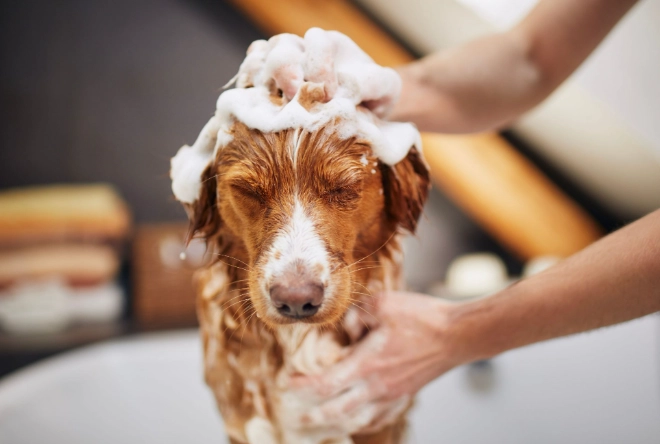
Common Questions & Concerns (The FAQ You Actually Need)
When to Call a Professional Groomer
Part of being a responsible home groomer is knowing your limits. There's no trophy for struggling through something that could harm your dog. Here are clear signs it's time to pick up the phone:
- Severe Matting: If mats are large, tight, and close to the skin. Trying to cut these out yourself is very risky.
- Expressing Anal Glands: Unless your vet shows you how, leave this to pros. It's... a messy, smelly procedure.
- Complex Haircuts: Want a specific breed cut (like a poodle face or a schnauzer skirt)? Learn from a pro first or let them do it.
- Extreme Fear or Aggression: If your dog is a danger to themselves or you during grooming, a professional has the training and equipment to handle it safely.
Building a Routine and Making It Stick
The magic isn't in the one-off marathon grooming session. It's in the five-minute brush while watching TV. The quick nail check on a Sunday evening. Integrating dog grooming at home into your regular life is what makes it sustainable and low-stress for your dog.
Set a reminder on your phone. Keep the brush by the couch. Make treats your grooming partner. Before you know it, it'll just be something you do, like feeding them. And you'll have the confidence of knowing you're providing a fundamental part of your dog's care with your own two hands. That's a pretty good feeling.
Remember, every pro groomer started as a beginner. They made mistakes, they learned, they got better. You can too. Start simple, be patient with yourself and your pup, and enjoy the process. Your dog doesn't care if their haircut is asymmetrical. They care that you're there, taking care of them.
So grab that brush, get some good treats, and start your home dog grooming journey today. Sam gives it two paws up.

Join the Conversation