Quick Guide
Let's be real. The idea of holding a snake for the first time can send a mix of excitement and pure adrenaline shooting through you. It's not like picking up a hamster. There's a mystique, a slight edge of danger that makes it thrilling. But that edge is exactly why so many people get it wrong. They either freeze up, move too fast, or worse, try to mimic something they saw in a movie. I've seen it happen, and it never ends well for the human or the snake.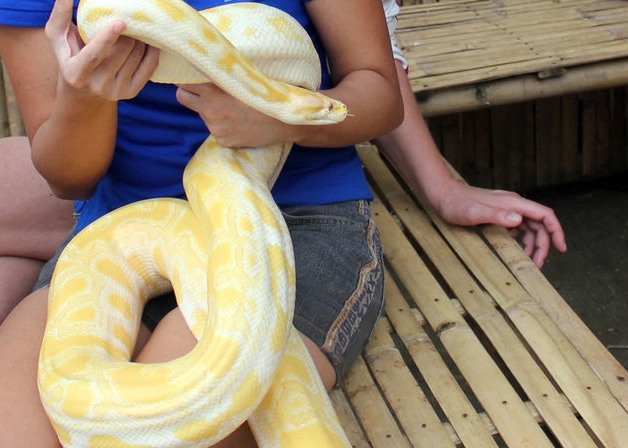
My first time was with a calm corn snake at a friend's house. I was so stiff I probably felt like a tree branch to the poor thing. I learned from that awkwardness, and from talking to breeders and herpetologists over the years. This guide isn't just a dry list of steps. It's the conversation I wish I'd had before I reached into that terrarium. We're going to walk through not just the physical act of how to hold a snake for the first time, but the mindset, the prep work, and the little nuances that separate a stressful encounter from the start of a cool friendship.
Why even bother learning the right way? Because doing it wrong can stress the animal, leading to defensive bites, refusal to eat, or a snake that's always on edge. For you, a bad experience can turn curiosity into a lasting fear. We're here to make sure your first time handling a snake is safe, confident, and actually enjoyable for both parties.
Core Philosophy: Snake handling isn't about domination or control. It's about invitation and support. You're asking the snake to trust you enough to leave its secure space and accept your hands as a stable, moving perch. Get that idea in your head first.
Before You Even Think About Touching: The Essential Prep Work
Jumping straight to the holding part is the biggest mistake beginners make. The actual lift is the final 10% of the process. The other 90% is setup. If you get the prep right, the holding part feels almost natural.
Getting Your Head in the Game
Nervous? Good. A healthy dose of respect is your best tool. But paralyzing fear is your worst enemy. Snakes are incredibly sensitive to vibration and movement. They can sense your tension. If your hand is shaking, your heart is pounding, you're broadcasting "PREDATOR" or "DANGER."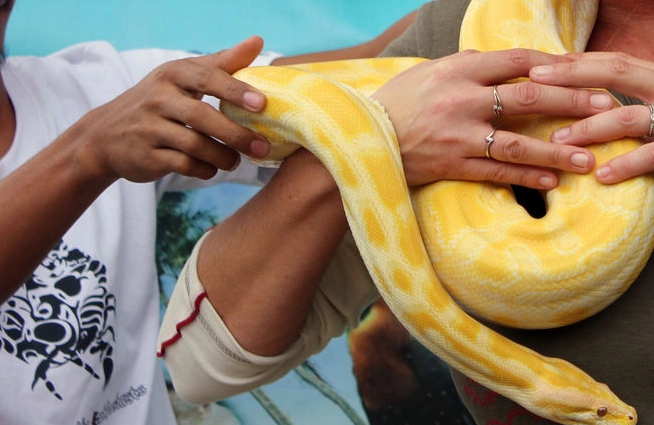
Take deep breaths. Remind yourself that for most common pet snakes (which we'll assume you're dealing with), you are a giant, not a threat. Your goal is to be a calm, predictable giant. Confidence is calm, not bravado. Don't try to be the fearless snake wrangler. Just aim to be the steady, boring tree.
Choosing Your First Snake (This is Crucial)
Not all snakes are created equal for a first-time handling experience. If you're at a pet store, a friend's house, or an educational exhibit, you might have a choice. If it's your new pet, choosing the right species is everything. The classic advice is to start with a docile, slow-moving species that's known for tolerating handling well.
Here’s a quick breakdown of the usual recommended starters. I find some lists are too generous, so I'm adding my own take based on reliability.
| Snake Species | Why It's Good for First Timers | Potential Drawbacks & Notes | My Reliability Rating |
|---|---|---|---|
| Corn Snake | Docile, slow-moving, rarely bites, perfect size. The gold standard. | Can be squirmy as babies; they are escape artists. | 10/10. The perfect first snake. |
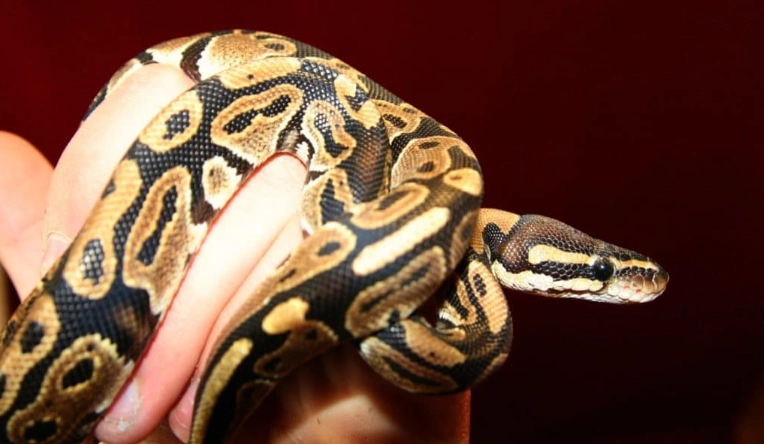
| Ball Python | Famous for "balling up" defensively rather than striking. Generally very gentle. | Can be fussy eaters, which is a separate care headache. Their defensive ball can be confusing for beginners. | 9/10. A bit more sensitive, but superb for handling. |
| Rosy Boa | Placid, slow-moving, stout-bodied so they feel secure in hand. | Less common in some pet stores. Can be pricey. | 9/10. Underrated gem for beginners. |
| Kenyan Sand Boa | Small, stout, and often very tame. Their burrowing nature means they're not always visible. | Spends most time buried, so you have to dig them out (gently!), which isn't ideal for spontaneous handling. | 7/10. Great temperament, but the logistics are awkward. |
| Garter Snake | Small, active, and often recommended. | Personal opinion: I disagree here. They can be musky (smelly defense), fast, and nippy. The activity level can be nerve-wracking for a true first-timer. | 5/10. For observation, yes. For a calm first handling session, no. |
See what I mean about some lists being too generous? Garter snakes are cool, but they're not the serene, confidence-building experience you want for your literal first time holding a snake. Stick with the top three.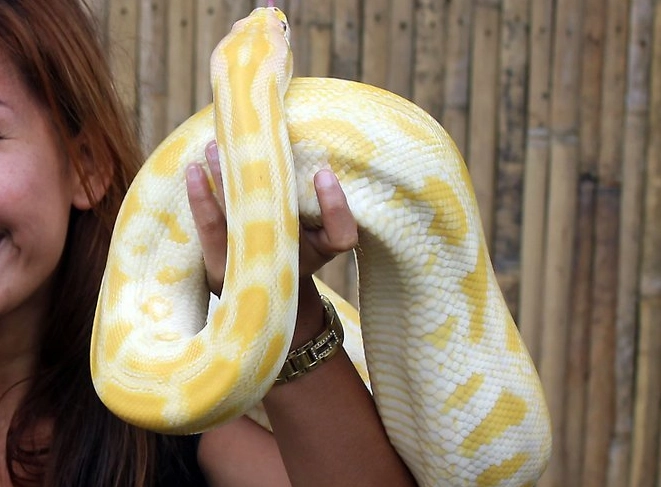
Snakes to Absolutely Avoid for a First-Time Handling Experience: Any large constrictor (boa constrictor, reticulated python, anaconda), any venomous species (obviously), and fast, nervous snakes like water snakes or wild-caught specimens. This isn't about being macho; it's about safety and building positive associations.
Reading the Snake's Mood
This is the most skipped step. You wouldn't try to pet a dog that's growling and showing its teeth. Snakes have body language too, it's just quieter.
- The Green Light: The snake is resting calmly, maybe coiled loosely. Its tongue flicks slowly and rhythmically. It's aware of you but not focused on you. This is your cue.
- The Yellow Light (Proceed with Caution): The snake is moving around its enclosure purposefully. It might be hungry or exploring. It's not defensive, but it's also not in a restful state. You can try, but be extra slow.
- The Red Light (Stop! Do Not Handle):
- Striking Pose: The front third of its body is pulled into an S-shaped curve, head pointed at you. It's frozen, focused.
- Hissing: A clear, loud warning. Ball pythons may hiss when scared.
- Tail Rattling: Even non-rattlesnakes will vibrate their tail against leaves or substrate as a warning.
- During Shedding: Their eyes are cloudy blue ("in blue"), and their vision is impaired. They feel vulnerable and are much more likely to be defensive. Leave them alone.
- Within 48 hours of eating: Handling can cause regurgitation, which is dangerous for the snake. Just don't.
If you see any red light signals, just walk away. Try again tomorrow. Forcing an interaction is how bites happen and how you teach the snake to fear you.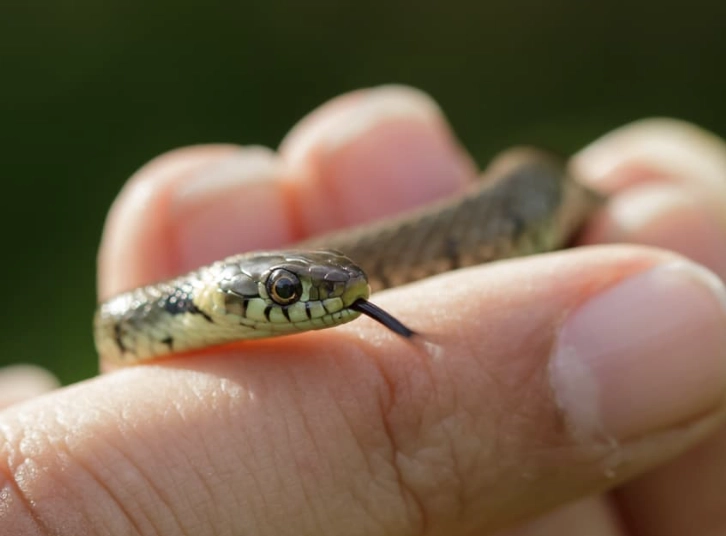
The Step-by-Step: How to Hold a Snake for the First Time
Alright. You're calm. You've chosen a corn snake or a ball python. It's not shedding, hasn't eaten recently, and is resting peacefully. Let's do this.
Step 1: The Confident Approach
Move slowly and deliberately. No jerky motions. Open the enclosure gently. Place your hand, palm down, slowly into the tank. Don't go straight for the snake. Let it notice your presence. I sometimes rest my hand on the opposite side of the tank for a moment, letting the snake investigate with a few tongue flicks. This isn't always possible, but the principle is: announce your presence.
Step 2: The Initial Contact and Support Lift
This is the key moment. Your goal is to support as much of its body as possible, immediately.
- From the side or slightly above, gently slide your hand under the middle of the snake's body. Don't grab from above like a claw—that's how predators strike.
- In one smooth, confident motion, lift the snake, using your other hand to immediately support more of its body. You want to have a hand under at least two points of its body before it even realizes it's fully airborne. A snake dangling in mid-air feels insecure and will thrash.
Think of it as a moving couch for the snake. You're providing a continuous platform.
"The lift should be a supportive scoop, not a pick-up. You're not plucking a flower; you're offering a bridge." – Advice from a reptile educator I met at a show. It stuck with me.
Step 3: The Proper Holding Position
Once the snake is out, let it move through your hands. Don't clamp down. Keep your hands flat and relaxed, forming a loose "tunnel" for it to explore. Use both hands to redirect its movement gently, always providing support, especially for the front third of its body where its head is. If it wants to move towards your elbow or up your arm, that's fine. Just guide it so it doesn't head for the floor.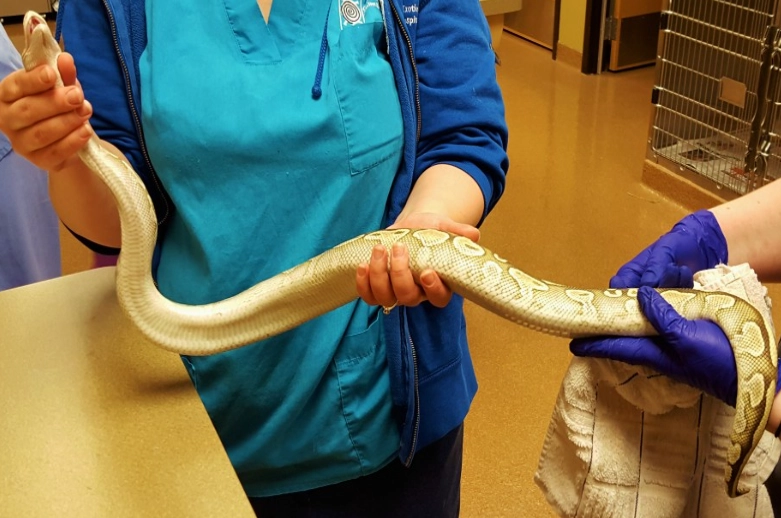
Keep the session short. For a true first time, 5-10 minutes is plenty. You're building positive associations, not going for a marathon cuddle. End the session while the snake is still calm.
Step 4: The Safe Return
Just as important as the pickup! Lower the snake gently back into its enclosure, supporting its body until it is fully on the substrate. Don't just drop it in. Let it slide off your hands on its own. Close the enclosure securely.
That's the core of it. The physical act of how to hold a snake for the first time is simple: support, don't squeeze, let it move, keep it brief.
Top Mistakes Beginners Make (And How to Avoid Them)
I've seen these all happen. Avoiding them will put you miles ahead.
- Hovering From Above: This triggers a prey response. Always approach from the side.
- Grabbing the Head or Tail: Never, ever restrain the head unless you are a trained professional dealing with a medical emergency. Grabbing the tail can injure the snake and feels threatening.
- Wearing Perfume or Strong Scents: Snakes "see" the world through smell (Jacobson's organ). Strong perfume, hand sanitizer, or even the smell of another pet on your hands can be confusing or alarming. Wash your hands with unscented soap before and after.
- Handling Over Open Spaces or High Surfaces: Always sit down on the floor or a couch. A fall from waist height can be fatal for a snake.
- Getting Spooked and Letting Go: If the snake moves suddenly, your instinct will be to jerk away. Fight it. A sudden drop is worse than a sudden movement. Stay calm, keep supporting.
- Overhandling: More is not better. Once or twice a week is enough for most pet snakes. Daily handling, especially for a new snake, is stressful.
Your First Time Snake Handling Questions, Answered
Here are the things people secretly google after reading the basic guides.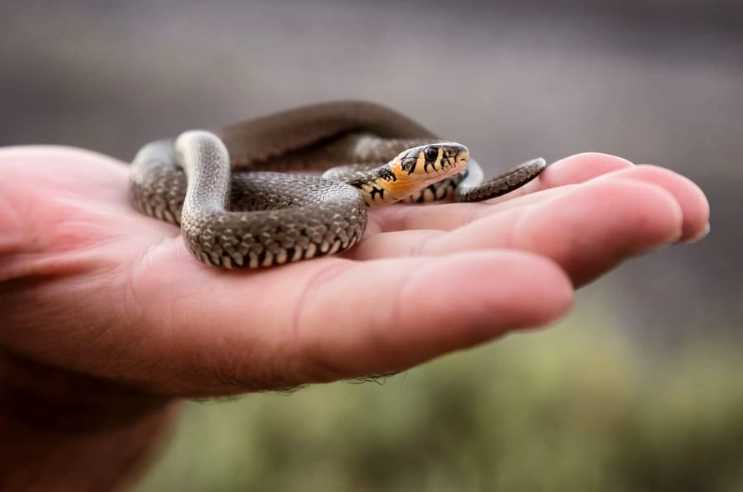
What if it bites me?
First, with a recommended beginner species, a bite is unlikely if you follow the rules. If it does happen, it's usually a quick "tag" from a scared animal, not a prolonged attack. It will startle you more than hurt you. A corn snake bite feels like getting snapped by a weak rubber band with tiny Velcro hooks. Do not jerk your hand away. That can damage the snake's teeth. Stay calm, and the snake will usually let go immediately. If it doesn't, a trickle of water on its snout or a drop of hand sanitizer (not ideal, but works) near its mouth will make it release. Then, calmly put the snake away and treat your tiny pinpricks with antiseptic. The biggest risk is infection, not venom. For reliable info on non-venomous snake bites and care, resources from institutions like the Herpetologists' League can provide scientific context.
How do I know if the snake is stressed while I'm holding it?
Watch for rapid, erratic tongue flicks (not the slow, curious ones). If it's trying constantly and urgently to get away from you, not just exploring. If it tenses its body into tight coils on your hand. If it hides its head under its own body. These are signs to end the session.
Will it recognize me or like me?
Don't anthropomorphize. Snakes don't have the brain structure for affection or recognition in the way a dog does. However, they can learn that you are not a threat and that your presence is associated with predictable, non-harmful events (like being supported for a short while). This is habituation. It's a form of trust, but it's not love. It's enough.
Can I let other people hold it during its first time with me?
No. Absolutely not. The snake is adjusting to one new giant. Adding more variables (different smells, movements, tension levels) is a recipe for stress. Let the snake get fully comfortable with you over several sessions before even considering it.
Beyond the First Time: Building a Lasting Relationship
Your first successful hold is just the opening paragraph. Consistency is the whole book. Handle your snake regularly, but briefly, on a predictable schedule. Always be calm and confident. Over weeks and months, you'll notice the snake becomes more relaxed more quickly. It might even seem curious when you open the enclosure.
Remember, the goal of learning how to hold a snake for the first time isn't to master the snake. It's to master your own reactions, to replace fear with understanding, and to provide an experience of security for an animal that views the world very differently than we do. It's a pretty cool feeling when you get it right.
One last piece of advice that often gets missed: learn about their natural history. Understanding why a ball python balls up or why a corn snake is a bit twitchy makes you a better, more empathetic handler. The U.S. Fish and Wildlife Service has great resources on native snake species and their conservation, which reinforces why respectful handling matters beyond our pets.
So go slow, think like a moving tree, and enjoy the unique experience. That first time you successfully hold a snake, feeling its muscles glide smoothly over your hands, is something you won't forget.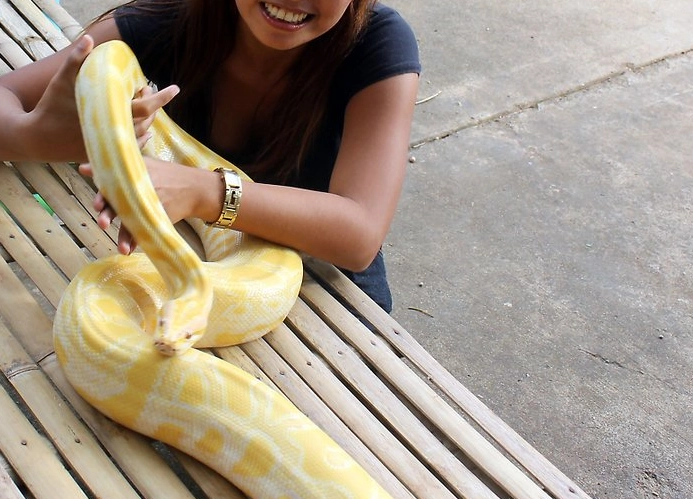



Join the Conversation