Quick Navigation
Let's be honest, one of the biggest worries when bringing a tiny furball home is the bathroom situation. You're picturing a clean, odor-free home, and then your brain flashes to potential accidents on your favorite rug. It's enough to make anyone anxious. But here's the good news: kittens are practically born with the software for this. The real trick isn't in forcing them to learn, but in understanding when their brains and bodies are ready to accept the program. So, let's cut right to the chase on the question every new cat parent has: what age to start litter training kittens?
The short, sweet answer is between 3 and 4 weeks of age. That's the golden window. Before that, they're entirely dependent on their mother for, well, everything. After that, you're catching a natural instinct at its peak. But just knowing the age isn't enough. Why is that the age? What if you get an older kitten? How do you actually do it? This guide is going to walk you through every single step, ditch the theory, and give you the practical, from-the-trenches advice you need.
The Core Principle: Litter training is less about "training" and more about facilitating a natural instinct. Cats have a deep-rooted desire to bury their waste. Your job is to make the litter box the most appealing, accessible, and obvious place for them to do that. Miss that critical developmental window, and you're making your job harder, not impossible, but definitely harder.
Why 3 to 4 Weeks is the Magic Number for Litter Training
It's not a random guess. This timeline is tied directly to a kitten's physical and neurological development.
For the first two to three weeks of life, kittens are altricial – they're basically helpless. Their eyes and ears are sealed, they can't regulate their own body temperature, and they certainly can't eliminate on their own. The mother cat stimulates them to go to the bathroom and cleans up everything. It's a full-service operation. Around the third week, a bunch of changes happen almost at once. Their eyes are open, their ears are up, they start wobbling around, and their little digestive and urinary systems mature to the point where they can initiate elimination independently.
This is the moment. Their brains are like sponges, absorbing everything about their environment. Their natural inclination to scratch and dig (precursor to burying) kicks in. If you introduce a shallow tray with a soft, raky substrate at this point, it just clicks. They step in it, they feel the texture under their paws, and their instinct says, "This is the spot." I've fostered dozens of kittens, and I've seen this lightbulb moment happen around 3.5 weeks consistently. It's pretty amazing to watch.
Wait too long, say until 8 or 10 weeks, and you've missed that prime imprinting period. The kitten has already gotten used to going on soft surfaces like blankets, towels, or carpet. You're not starting from zero, you're starting from negative—you have to re-train an already formed habit. That's why knowing what age to start litter training kittens is your biggest first advantage.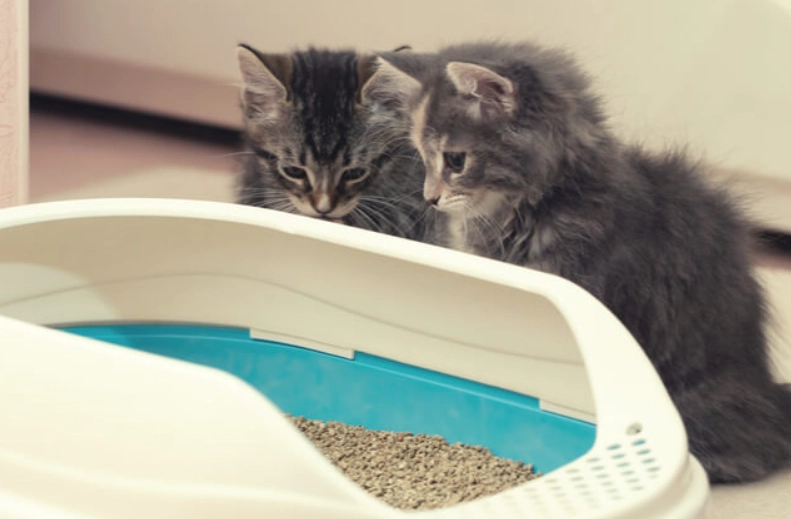
Your Phase-by-Phase Kitten Litter Training Guide
Okay, you know the when. Now for the how. This isn't a one-day project. Think of it as a gentle, guided process over the first crucial weeks you have them.
Phase 1: The Setup (Before You Even Bring Them Home)
Get this right, and half the battle is won. A poor setup is the number one reason for litter box avoidance later.
The Box: For a tiny kitten, start with a low-sided box. I'm talking about something as simple as a shallow cardboard tray or a small plastic container with one side cut down. The sides should be no more than 2-3 inches high. If they have to struggle to climb in, they'll just go next to it. As they grow, you can transition to a standard box. Forget those fancy covered boxes for now – they can trap odors and feel intimidating to a little one.
Location, Location, Location: Place the box in a quiet, low-traffic corner, but not somewhere so remote they forget about it. Avoid noisy spots near washing machines or loud appliances. Also, keep it far away from their food and water bowls. Would you want to eat in your bathroom? Neither do they.
The Litter: This is critical. Skip the fancy crystals, scented beads, or anything that feels sharp or odd. Kittens explore with their paws and mouths. You want a fine-grained, unscented, clumping litter. The soft sand-like texture is most appealing to their digging instinct. The unscented part is important because strong perfumes can overwhelm their sensitive noses and deter them. Clumping litter makes your life easier for scooping.
Here’s a quick comparison to help you decide, especially since the wrong choice can set you back.
| Litter Type | Best For Kittens? | Pros | Cons & Warnings |
|---|---|---|---|
| Unscented Clumping Clay | Yes, Top Choice | Familiar texture, easy to dig, excellent odor control when scooped daily, shows them where they went. | Some dust can be an issue. Ensure it's low-dust. Monitor to ensure they don't eat it (rare but possible). |
| Paper-Based Pellet | Can be okay | Very low dust, often biodegradable, safe if ingested in small amounts. | The pellet texture doesn't feel "diggable" to some cats. Doesn't clump, so odor control is harder. May not trigger the burying instinct as well. |
| Silica Crystal | No | Great for adult cat odor control, long-lasting. | The hard, sharp crystals feel terrible on tiny paws. The noise can be scary. High risk of ingestion, which is dangerous. |
| Natural Wood/ Corn | Proceed with Caution | Eco-friendly, often soft. | Can track easily. Some have natural scents (pine) that cats hate. Clumping ability varies widely. |
My personal go-to has always been a reputable brand of low-dust, unscented clumping clay. I've had the least issues with it across many, many kittens. The scented stuff is a marketing gimmick for humans, not a benefit for cats.
Phase 2: The Introduction (Weeks 3-5)
If you have the kitten from this very young age (often in a fostering or breeding situation), this is your process.
After they finish a meal is prime time. Their little systems are stimulated. Gently place them in the shallow litter box. Don't force them. Don't hold them there. Just let them stand in it. You might even take their front paw and make a gentle scratching motion in the litter. The goal is to connect the feeling of the litter underfoot with the act of elimination.
Do this consistently after every feeding and nap. When they do use it successfully, don't make a huge fuss. A quiet, gentle praise is enough. You're not training a dog; you're providing a polite suggestion to their instinct.
Pro Tip: If the kitten was with its mother, see if you can get a bit of used litter from the breeder or shelter. Placing this in the new box brings a familiar, reassuring scent that screams "bathroom here." It's one of the oldest tricks in the book and it works wonders.
Phase 3: Reinforcement and Expansion (Weeks 6-12+)
This is when most people bring a kitten home. At 8 weeks old, they should already have the basics down. Your job is to solidify the habit in their new environment.
First thing when you get home: Before the grand tour, place the carrier next to the litter box and let them out. Let them explore it. They might even use it immediately from the stress of the trip. This sets a crucial first association.
Confine initially: For the first few days, keep them in a small, safe room (like a bathroom or spare bedroom) with their litter box, bed, food, and water. This makes the box impossible to miss and prevents accidents elsewhere in the house while they adjust. This is the single most effective tip for answering what age to start litter training kittens who are already a bit older in a new space.
Scoop religiously: Kittens are fastidious. A dirty box is a major turn-off. Scoop waste at least once, preferably twice, a day. A clean box is a used box.
As they show perfect consistency in their small room over several days, you can gradually give them more freedom. You might even consider adding a second box in another quiet area of your home, especially if it's a larger space. The rule of thumb is one box per cat, plus one extra.
Solving Common Litter Training Problems (Before You Panic)
Even with perfect timing, things can go sideways. Don't get frustrated. It's almost always a problem with the setup, not the kitten.
Problem: The Kitten Doesn't Go in the Box. At All.
- Check the entry: Are the sides too high? Get a lower box.
- Check the location: Is it too noisy or scary? Move it.
- Check the litter: Did you buy a heavily scented or weird-textured litter? Dump it and start over with plain, unscented clumping.
- Clean accidents thoroughly: Use an enzymatic cleaner designed for pet urine (like Nature's Miracle or similar). Regular cleaners leave a scent residue that says "go here again" to the cat.
Problem: They Use It Sometimes, But Have Accidents Right Next to It.
This is classic. It usually means the box is dirty, or they don't like the feel of the litter when it's soiled. Scoop more often. It can also mean the box is too small for them now. Time for an upgrade.
Problem: The Kitten is Playing in the Litter/Kicking It Everywhere/Eating It.
Welcome to kittenhood! Exploration is normal. Eating litter is a bigger concern. If they're mouthing clumping litter, switch to a non-clumping, safe-ingestion option like paper pellets temporarily until the phase passes. For the epic diggers who send litter flying, a simple high-sided box or a top-entry box (once they're big enough to jump in) can contain the mess.
Problem: They Were Trained, But Suddenly Started Having Accidents.
This is a red flag. Sudden regression is rarely behavioral spite (cats don't work that way). It's usually medical. The first step is always, always a vet visit to rule out a urinary tract infection (UTI), parasites, or other issues. Pain while urinating makes them associate the box with pain, so they avoid it.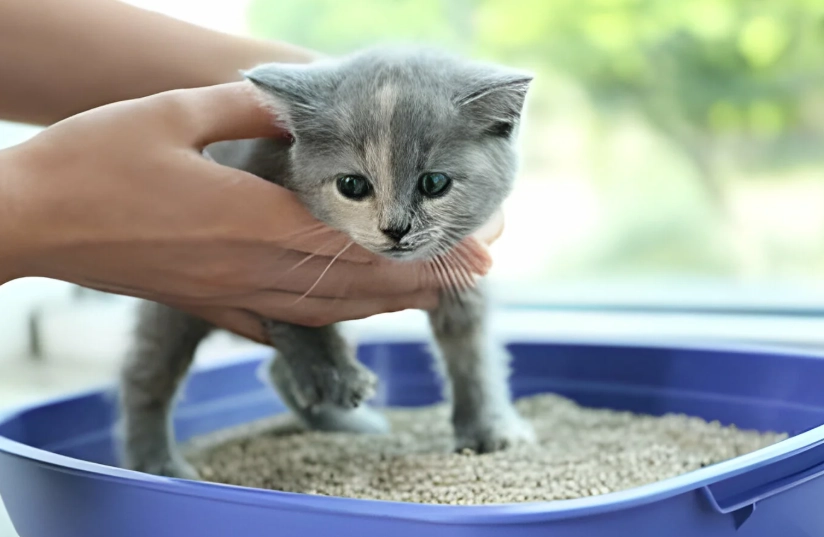
Your Litter Training Questions, Answered
Understanding what age to start litter training kittens is just the first step in a journey of understanding your cat's needs. For a deep dive into creating the perfect environment that supports all their natural behaviors—including perfect litter habits—the American Association of Feline Practitioners (AAFP) has published fantastic, vet-backed guidelines on Feline Environmental Needs. It's a bit technical, but it shows how the litter box is just one part of a happy, well-adjusted cat's world.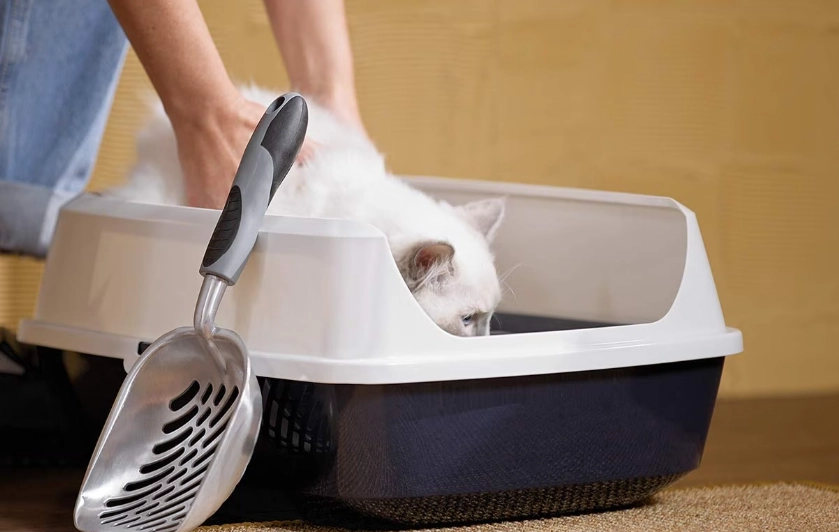
Final Thoughts: It's All About Timing and Patience
Look, if you take away one thing from this, let it be this: 3 to 4 weeks old. That's your north star for timing. If you get your kitten older, don't sweat it. You now know the game plan—strategic confinement, the right litter, a perfect box, and obsessive cleanliness.
The process of litter training is really about observation and facilitation, not command and control. You're setting the stage for a lifetime of good habits. Get the start right by knowing the ideal age to begin litter training kittens, be patient with the missteps (there will be some), and solve problems by thinking like a cat. Before you know it, the little box will just be a normal, unnoticed part of your daily routine, and you'll have a confident, clean feline friend. And you can finally stop worrying about that favorite rug.




Join the Conversation