Quick Navigation
Let's be honest. The idea of a cat using the toilet is pretty amazing. No more litter boxes to scoop, no more tracking litter through the house, and a significant chunk of change saved every month. But when you look up guides, they all seem to involve buying a special training seat, new litters, or other gadgets. What if I told you that you can figure out how to toilet train a cat without buying anything? No special kits, no new products. Just stuff you already have at home, a lot of patience, and this guide.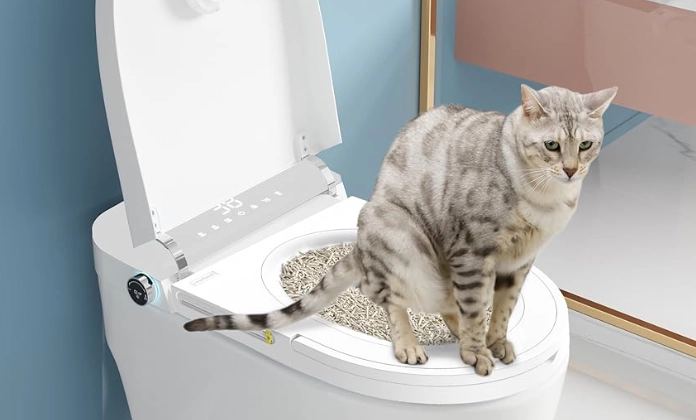
I tried this myself a few years ago with my cat, Whiskers. It wasn't a straight path to success, I'll tell you that. There were setbacks, moments of doubt, and a few… messy incidents. But we got there. And the best part? I didn't spend a dime on "cat toilet training" products. This entire process is about understanding your cat and being clever with household items.
Is Your Cat Even a Candidate for Free Toilet Training?
Before we dive into the "how," we need to talk about the "who." Not every cat is going to be thrilled about this idea. Trying to force a cat who hates change into this process is a recipe for failure and stress (for both of you). So, let's assess.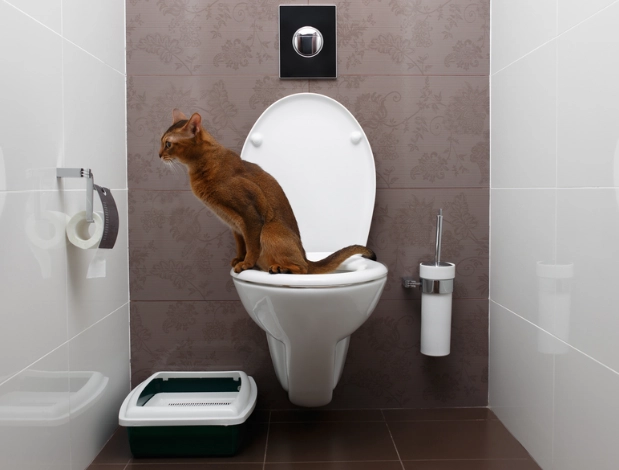
Your cat might be a good candidate if they are generally confident, adaptable, and curious. Younger cats often take to it faster than older, set-in-their-ways felines. Health is non-negotiable. A cat with arthritis, balance issues, or urinary problems should not be toilet trained. The jump and squat position can be painful or dangerous for them. The American Veterinary Medical Association (AVMA) always stresses considering your pet's physical condition before any behavioral training. If in doubt, a vet check is the one thing worth spending on.
Think about your cat's personality. Does he follow you into the bathroom? Does she investigate new things? That curiosity is your biggest ally in learning how to toilet train a cat without buying anything.
The "Free Stuff" You'll Need from Around Your House
This is the core of the zero-cost method. We're not buying a plastic training seat. We're making one. Here’s your scavenger hunt list:
- Aluminum Roasting Pans or Disposable Trays: The deep, rectangular kind you might use for a turkey. These are gold. You'll need a few. If you don't have any, ask a neighbor or friend—someone almost always has one leftover from a holiday meal.
- Cardboard Boxes (Various Sizes): From shoeboxes to Amazon delivery boxes. Sturdy is key.
- Packaging Tape / Duct Tape: For structural integrity.
- Scissors or a Box Cutter: For cutting cardboard and plastic.
- Your Cat's Current Litter: We'll use this to start. The familiar scent is crucial.
- A Permanent Marker.
- Newspapers or Junk Mail Flyers: For lining floors during the early, potentially messy stages.
See? Nothing weird. Nothing purchased. Just repurposing.
The Step-by-Step, No-Money-Spent Training Process
This process is gradual. Rushing it is the number one reason people fail. We're going to move the litter box inch by inch and then transform it stage by stage. The principle is called "litter box graduation," and it works because it changes one tiny variable at a time.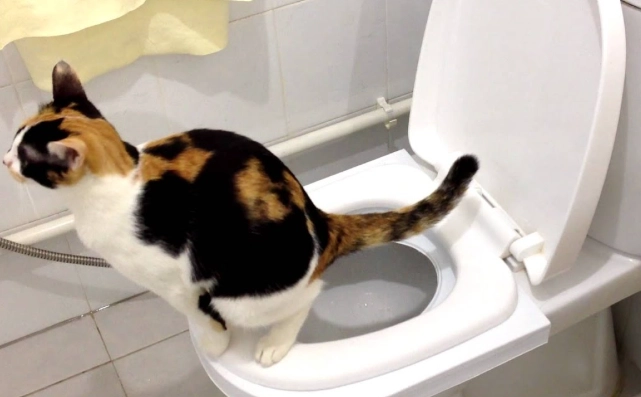
Phase 1: The Great Migration to the Bathroom
First, your cat's litter box needs to live in the bathroom. If it's already there, great. Skip ahead. If not, move it slowly. Not all at once. Move it a few feet every day towards the bathroom door. This gives your cat time to adjust to the new location without getting confused. If your cat has accidents, you're moving too fast. Go back a step.
Once the box is in the bathroom, place it right next to the toilet. Let your cat get used to doing their business in this new room with this big porcelain fixture nearby. This phase might take a week. Let the cat set the pace.
Phase 2: Building Height and Familiarity
Now we start building up. Take one of your sturdy cardboard boxes and place the litter box on top of it. The goal is to get the height of the litter box rim close to the height of the toilet seat. You might need to stack boxes. Secure them well with tape so they don't collapse mid-use—a scared cat will abandon the mission.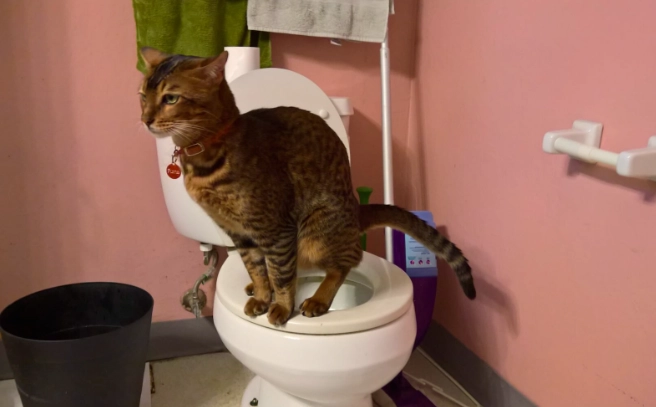
Keep increasing the height every few days until the top of the litter box is level with the toilet seat. During this time, always leave the toilet lid up and the seat down. Your cat is getting used to this being the landscape.
Phase 3: The Homemade Training Seat (The Core of the Free Method)
This is where the aluminum pan comes in. Empty and clean your cat's litter box. Take your deep aluminum roasting pan and place it inside the empty litter box. It should fit snugly. Fill this pan with a couple of inches of your cat's regular litter.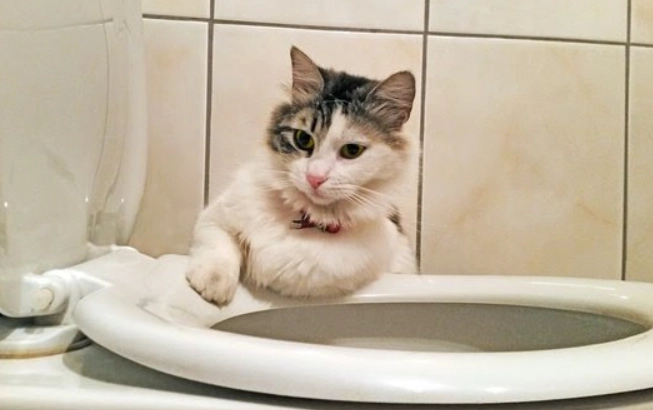
You've just created a liner. This is important for the next step. For a few days, let your cat use the litter-in-a-pan setup while it's still sitting on your cardboard tower next to the toilet.
Now, the big move. Carefully lift the aluminum pan full of litter and place it directly inside the toilet bowl. Center it. The rim of the pan should rest on the toilet seat. The pan is now suspended inside the bowl. To your cat, it's just their familiar litter box, but now it's in the magic porcelain bowl. This is the first time they will step onto the toilet seat to go.
Let your cat use this setup for a good week, maybe two. Clean the pan (just dump clumps into the toilet and flush) as you normally would. The goal is for them to be 100% comfortable going on the toilet.
Phase 4: The Hole Punch Method (Reducing Litter)
Here’s where we get clever. Take the aluminum pan out and empty it. Using scissors, carefully cut a small hole, about the size of a quarter, in the center of the bottom of the pan. Put the pan back in the toilet and fill it with litter again. The hole will be covered.
Your cat will use it normally. When urine hits that spot, some will drain through the hole into the toilet water below. This introduces the sound and concept of things going into the toilet. Over the next week, gradually make the hole bigger. Cut it into a slit, then a small rectangle.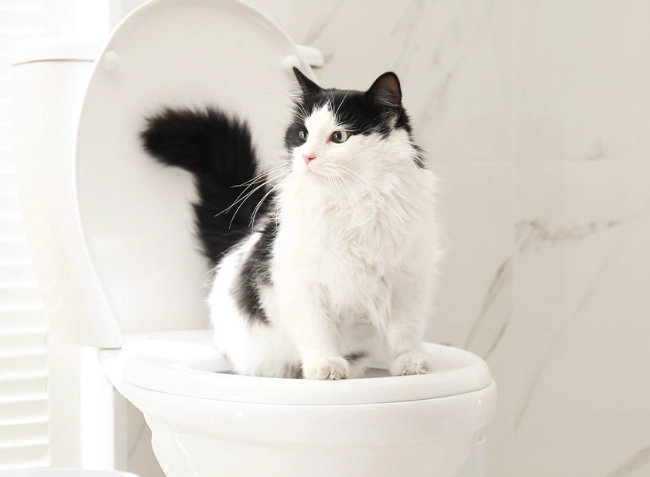
As the hole gets bigger, you need to use less litter. Start reducing the amount of litter in the pan. You're transitioning from a litter box to a perforated platform. This phase teaches balance and aims for waste to fall through the hole.
Phase 5: Going Solo (Removing the Pan)
When the hole is large and you're using just a sprinkling of litter (mostly for scent), it's time for the final test. One day, remove the pan entirely. Before you do, take a little bit of the used, scent-marked litter and just sprinkle it into the dry toilet bowl. Then put the seat down.
Your cat will hop up, smell their scent, and hopefully go. They might paw at the seat a bit, confused about the missing litter. Some cats take to it immediately; others need a few encouraging sessions. If your cat refuses or seems stressed, put the pan back with a slightly larger hole for a few more days. Don't force it.
And that's it. That's the complete process for how to toilet train a cat without buying anything. You've used a pan, some boxes, and a lot of patience to replace a litter box.
The Good, The Bad, and The Messy: Real Talk
Let's not sugarcoat this. It's not a perfect system. Here’s a brutally honest breakdown.
| Aspect | The Good (Pros) | The Bad & The Ugly (Cons) |
|---|---|---|
| Cost | Zero dollars. You save on litter forever. This is the biggest win. | Your time is the investment. This is not a quick fix. |
| Cleanliness | No litter tracking. No smelly box in the house. Just flush and go. | Misses can be… catastrophic. Poop on the seat or floor. Urine missing the bowl entirely. It happens. |
| Convenience | Ultimate convenience once trained. No more buying, hauling, or scooping litter. | You must leave the toilet lid up and seat down at all times. Guests need reminders. It's your cat's toilet now too. |
| Cat Health | Can be fine for healthy, agile cats. | Major downside: You lose the ability to monitor urine clump size and stool consistency, which are key early indicators of health problems like kidney disease or diabetes. The Cornell Feline Health Center warns that this is a significant drawback of toilet training. |
| Environmental | No clay litter in landfills. Less plastic from litter jugs. | Uses more water per flush (to clear waste). It's a trade-off. |
See what I mean? It's a trade-off. The health monitoring thing is serious. After Whiskers was trained, I realized I had no idea what his "normal" looked like anymore. It made me anxious sometimes. You have to be extra vigilant about their water intake and overall behavior instead.
Answering Your Burning Questions (FAQ)
You've got questions. I've got (mostly) answers based on doing it the free way.
What if my cat is scared of the aluminum pan?
Try a different material first. A shallow, wide plastic food storage container (like a Tupperware you don't mind sacrificing) can work for the initial stages. The goal is just to have something you can eventually cut a hole in. The rustle of aluminum can spook some cats.
How long does this whole free method take?
Anywhere from 4 weeks to 4 months. Seriously. It depends entirely on your cat's age, temperament, and how consistent you are. Kittens might learn in a month. A 10-year-old cat might take three times as long, or never fully accept it. There's no guaranteed timeline.
My cat pees in the toilet but won't poop in it. Why?
Super common. Pooping is a more vulnerable position for a cat. They might feel unstable or exposed. Go back a phase. Put the pan back with a small hole and more litter. Let them get comfortable pooping in the pan on the toilet again, then very slowly reduce the litter and enlarge the hole over a longer period.
Is it safe to flush cat waste?
This is a big debate. The official guidance is mixed. The U.S. Environmental Protection Agency (EPA) generally advises against flushing pet waste because of potential parasites (like Toxoplasma gondii) that can survive water treatment and harm marine life. Many municipal systems specifically warn against it. My personal, non-expert rule? If you do flush, only flush urine and poop that is free of litter (especially clay or clumping litter, which can clog pipes). Honestly, this is one area where the "free" method hits a snag—you might want to consider fishing solids out with a biodegradable bag and trashing them, which is what I ended up doing.
What's the biggest mistake people make?
Moving too fast. You get excited after a few successful days and jump three steps ahead. The cat gets confused, has an accident, loses confidence, and you have to start over from scratch. It's a marathon of tiny steps.
When to Throw in the Towel (And That's Okay)
This method isn't for everyone. And that's perfectly fine. If after a couple of months of genuine, patient effort, your cat is stressed, having constant accidents outside the toilet, or seems fearful of the bathroom, it's time to stop. You tried. You saved money by trying the free way. Now, go back to a regular litter box, placed in a quiet location, and love your cat for who they are—a cat who prefers a good old-fashioned box.
The aim of this guide on how to toilet train a cat without buying anything was to give you a realistic, resourceful path. It's not a magic trick. It's a behavioral project that requires you to be an engineer (building the stages), a psychologist (reading your cat's mood), and a very patient roommate.
Will it work for you? Maybe. If you have the right cat and the right mindset, you can absolutely teach this skill without opening your wallet. Just remember, the relationship with your cat is more important than the location of their bathroom habits. Good luck

Join the Conversation