Quick Guide
- Why It's Usually a Bad Idea: The Science of Snake Stress
- When *MIGHT* It Be Necessary? (The Exceptions)
- The Critical Pre-Feeding Protocol (If You Must)
- Reading Your Snake's Body Language: The Ultimate Decider
- The Feeding Routine: A Better Way to Build Trust
- Common Questions (And Honest Answers)
- The Final Word: A Matter of Respect
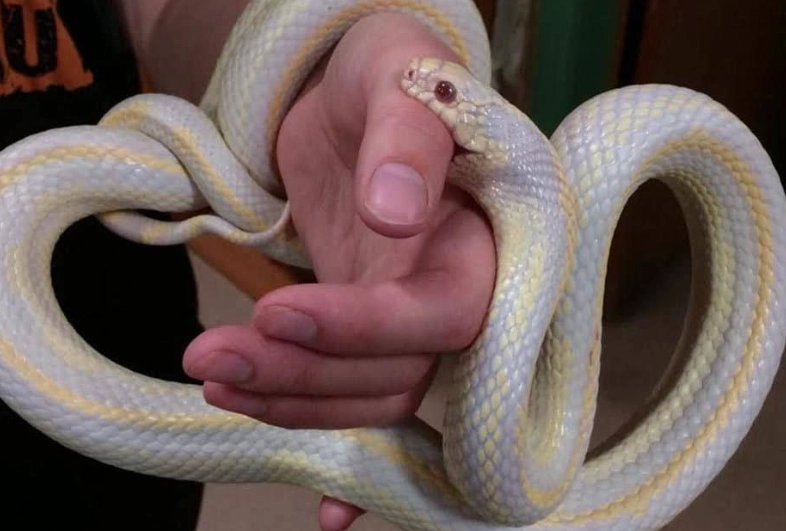
So you're staring at your snake, maybe a beautiful ball python or a curious corn snake, and you're wondering. The thought crosses your mind: can you handle a snake before feeding it? It's a simple question that pops up for new owners and even some experienced ones. The tank is clean, the water is fresh, and you've got that frozen-thawed mouse ready to go. You'd love a quick interaction, maybe show your pet to a friend, or just have that connection before the big meal. It seems harmless, right?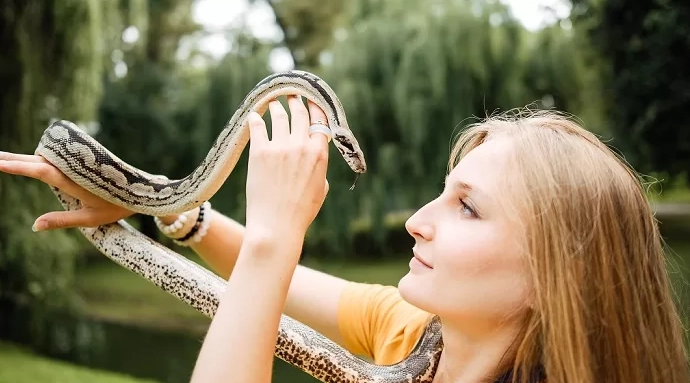
I've been there. Early on, I made the mistake. My calm king snake seemed fine, so I took him out for a few minutes before dinner. The feeding response that followed was... intense. Let's just say I learned a lesson about scent transfer the hard way. It wasn't the snake's fault. It was mine, for not understanding the biology driving its behavior.
The short, blunt answer? You can, but you almost always shouldn't. It's one of those reptile-keeping practices that falls into the "technically possible but generally ill-advised" category. The real meat of the question isn't about physical possibility—it's about stress, safety, and the long-term wellbeing of your animal. This guide isn't about scaring you away from handling your snake. It's about doing it smartly, at the right time, for the right reasons. We're going to dig into the why, the when, and the very specific how—if you ever find yourself in a situation where you must handle before a meal.
Why It's Usually a Bad Idea: The Science of Snake Stress
Snakes aren't dogs. They don't view handling as affection or play. From their perspective, being lifted from their secure enclosure is a significant event. It can trigger a stress response, which isn't just about them being "annoyed." It's a physiological cascade. Their heart rate increases, stress hormones like corticosterone are released, and their metabolism shifts. If this happens right before you offer food, you're asking their body to do two major, conflicting tasks: calm down from a perceived threat, and then ramp up digestion.
Digestion for a snake is a massive energy expenditure. Their core temperature rises, blood is diverted to the gut, and they enter a vulnerable, sedentary state. Introducing handling stress right before this process can lead to a few nasty outcomes:
- Refusal to Eat: A stressed snake will often simply ignore the food item. You've wasted a feeder and now have a hungry, stressed animal.
- Regurgitation: This is the big one. If a snake eats while still in a heightened stress state, it may regurgitate the meal shortly after. This is incredibly taxing on their system, depletes vital gut flora, and can set up a cycle of repeated regurges if not addressed.
- Defensive Strike: A snake primed to expect food is in "food mode." Your warm hand, moving into the enclosure after handling prey (or even if you just smell like it), can be mistaken for food. This is a feeding response bite, not an aggressive one, but it hurts just the same and can make the snake fearful of future handling.
Reputable sources like the American Veterinary Medical Association (AVMA) emphasize minimizing stress in all pets for optimal health, and reptiles are particularly sensitive. A study published in the Journal of Herpetological Medicine and Surgery has noted the clear link between chronic stress and suppressed immune function in reptiles, making them more susceptible to respiratory and other infections.
Think of it like being startled right before you sit down to a big Thanksgiving dinner. Your appetite might vanish, or you might get indigestion. For a snake, the consequences are more severe.
When *MIGHT* It Be Necessary? (The Exceptions)
Okay, so the rule is don't do it. But life isn't always neat. There are a few scenarios where you might have no choice but to handle your snake before it's scheduled mealtime. The key is recognizing these as exceptions, not routine.
- Emergency Enclosure Cleaning: A major water spill, a tear in the substrate leading to urgent spot-cleaning, or a malfunctioning heat source that requires immediate adjustment or moving the snake to a temporary holding tub.
- Health Check/Veterinary Visit: If your snake has a scheduled vet appointment and it happens to fall on a feeding day, you'll need to handle it to transport it. In this case, skip the feeding entirely and reschedule it for after the vet visit and a period of rest.
- Weighing: Some keepers like to weigh their snakes right before a feeding to track growth and adjust prey size. This can be done if it's extremely quick (under a minute), calm, and the snake is very accustomed to the process. For most, it's still better to weigh a day or two after feeding.
I had to do the emergency move once. A heat mat thermostat failed overnight, and the tank was getting too warm. I had to get my corn snake out and into a backup bin with a towel while I fixed the issue. It was feeding day, but the meal was postponed by 48 hours to let her settle. She was fine. The point is, the handling served a critical welfare purpose, and the feeding plan was adapted accordingly.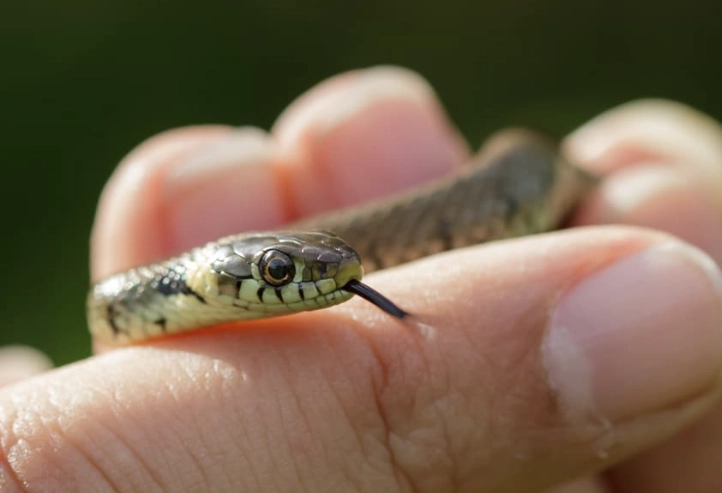
The Critical Pre-Feeding Protocol (If You Must)
Let's say you're in one of those exception scenarios. You must handle the snake, and a feeding is planned for later that same day. How do you minimize the risk? Here's a step-by-step damage control plan.
- Wash Your Hands Thoroughly First. Use unscented soap. You want to remove any food smells (yours or the rodent's) from your skin.
- Be Confident and Deliberate. Hesitant, jerky movements are more threatening. Move slowly but with purpose. Use a snake hook if you have one, especially for larger or more food-responsive species, to break their "ground awareness" before lifting.
- Keep it Short and Supported. The handling session should be purely functional. No "showing off," no extended time outside the enclosure. Fully support the snake's body to make it feel secure.
- DO NOT Handle the Prey Item Afterwards. This is a classic mistake. If you handle the snake, then handle the mouse/rat with the same unwashed hands, you are directly transferring the snake's scent onto the prey. This is a prime recipe for a feeding strike when you reach back in. Use tongs always, but be extra vigilant here.
- Observe a Mandatory "Quiet Period." After returning the snake to its enclosure, leave it completely alone for a minimum of 2-3 hours, but ideally longer (4-6 hours). Let its stress hormones return to baseline. Turn off the room lights, minimize activity near the tank.
- Offer Food Very Carefully. When the quiet period is over, present the food with extra-long tongs. Dangle it near the front of the enclosure, not near the snake's hiding place. Be prepared for a more eager or defensive strike due to the earlier disruption.
Even following this protocol, there's a higher chance of refusal. You have to accept that. The question of can you handle a snake before feeding it becomes "you can, but be ready for it to backfire."
Reading Your Snake's Body Language: The Ultimate Decider
This is where cookie-cutter advice fails. Every snake is an individual. A well-established, notoriously tame snake that has been handled regularly for years might tolerate a brief pre-feed interaction with no issues. A new, shy, or naturally nervous snake might be set back for weeks.
You have to learn to read the signs. These are clear "DO NOT HANDLE, DO NOT FEED" signals:
| Body Language Cue | What It Means | Action to Take |
|---|---|---|
| Coiled in a defensive "S" curve with head drawn back | High alert, ready to strike defensively. This snake feels threatened. | Back off immediately. Do not attempt to handle or feed. Give space. |
| Rapid, jerky tongue flicks while fixated on you | Intense assessment, often preceding a defensive or feeding response. | Move slowly away. This is a warning sign of an imminent strike. |
| Hissing, puffing (in puffer species), or tail vibrating | Classic defensive behaviors. The snake is saying "I am scared, leave me alone." | Reschedule all activities. This animal is not in a state to be interacted with. |
| Remaining hidden and refusing to come out when the enclosure is opened | A passive sign of stress or desire for security. It's avoiding interaction. | Respect its choice. Forced interaction here will increase stress. |
If you see any of these signs on a planned feeding day, the answer to can you handle a snake before feeding is a resounding no. Frankly, you should reconsider feeding at all that day. A stressed snake often won't eat, and forcing the issue by leaving live prey in the tank or incessantly offering f/t can make things worse. Wait 48 hours and try again.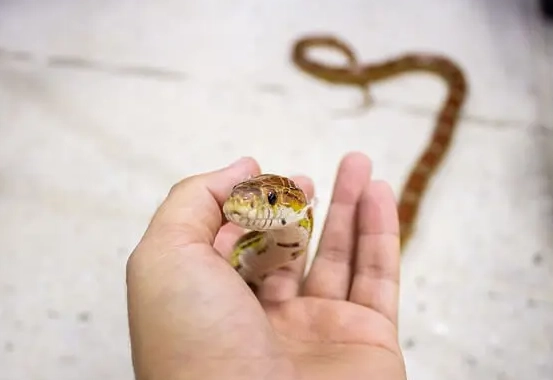
The Feeding Routine: A Better Way to Build Trust
Instead of asking can you handle a snake before feeding, a better question is: How can I use feeding time to build a better relationship with my snake? The answer is through consistent, predictable routines that teach your snake to differentiate between "hand time" and "food time."
This is what worked for my ball python, who used to be very cage-defensive. I implemented a strict ritual:
- I never, ever feed from my hand. Not even once. Food always comes from long, stainless steel tongs.
- I use a specific "feeding signal." For me, it's tapping the front glass three times with the tongs before opening the lid. Over time, he learned this tap meant food was coming, not handling.
- I feed in the evening, when he's naturally more active. Handling, when it occurs, is in the late morning or afternoon.
- If the enclosure opens and there's no tap first, it might be for spot cleaning or handling. He's learned to be more curious rather than immediately food-focused.
This method of "target training" or cue association is recommended by advanced keepers and resources like the Association of Zoos and Aquariums (AZA) in their reptile husbandry guidelines. It reduces ambiguity for the animal, which reduces stress. A snake that knows what to expect is a calmer snake.
It took patience. It wasn't instant. But now, his response to the tank opening is contextual, and that's a win for both of us.
Common Questions (And Honest Answers)
The Final Word: A Matter of Respect
At its core, the question of whether can you handle a snake before feeding isn't really about technical husbandry. It's about respecting the animal for what it is: a fascinating, sensitive predator with a nervous system and instincts vastly different from our own.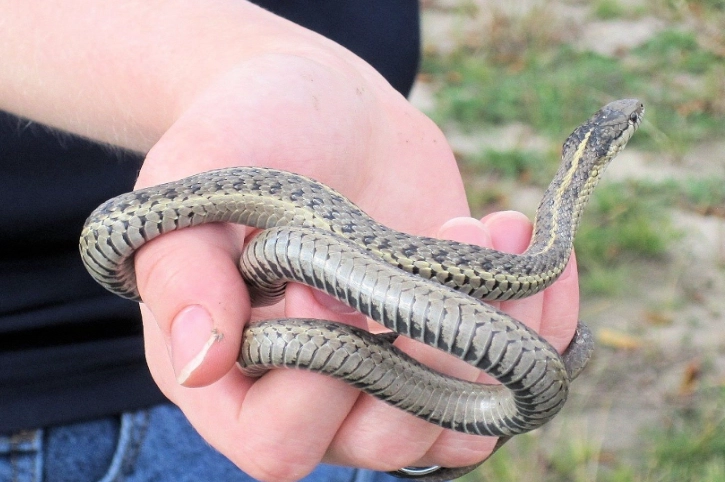
We keep them in our homes, so we have a responsibility to manage their environment in a way that prioritizes their psychological and physical health. Minimizing stress is the cornerstone of that responsibility. Creating clear boundaries between feeding, handling, and rest is one of the most effective ways to do that.
So, the next time that thought crosses your mind—maybe you're having a bad day and just want to hold your pet, or friends are over and want to see it—pause. Think about the snake's schedule. Is today feeding day? If yes, let it be. Enjoy watching it eat from a distance. The handling can wait for tomorrow, or the day after. Your patience will result in a calmer, healthier, more predictable animal, and that's the real goal of any good keeper.
It's a small sacrifice for us, but a significant kindness for them. And in the end, a trusting snake that doesn't associate your hand with the chaos of feeding time is a much more rewarding companion anyway.

Join the Conversation