Quick Navigation
If you've ever found yourself with a squirmy dog, a brush in one hand, shampoo in the other, and absolutely no clue where to start, you're not alone. I've been there. The first time I tried to groom my old Golden Retriever, Max, I made just about every mistake in the book. I started with the nails (big mistake), then tried to bathe him while he was still a tangled mess. It was a stressful hour for both of us, ending with a soaked bathroom and a dog who gave me the side-eye for the rest of the day.
That experience taught me a hard lesson: order matters. A lot. Following a logical sequence isn't just about efficiency; it's about safety, comfort for your dog, and getting the best possible results. So, let's answer that burning question: what is the order to groom a dog?
The golden rule is simple: Dry work before wet work. You handle all the brushing, detangling, clipping, and ear cleaning before the bath. The bath comes in the middle. And all the final touches—drying, final trimming, nail clipping—happen at the end. This isn't just some arbitrary list; there are solid reasons behind each placement, which we'll get into.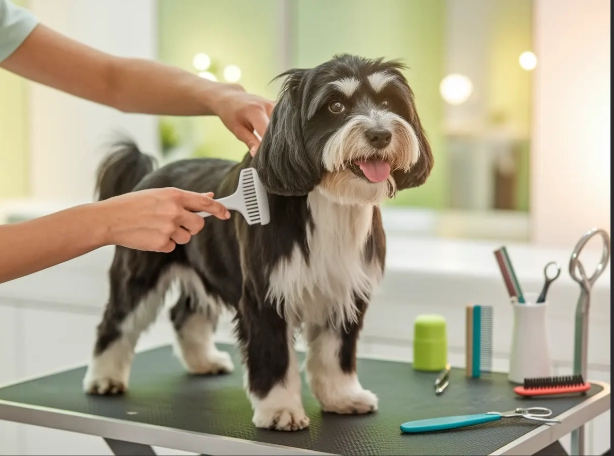
The Core Grooming Sequence at a Glance
- Preparation & Pre-Brush: Set up, health check, and initial detangling.
- Detailed Brushing & Combing: Removing all loose hair and mats.
- Pre-Bath Clipping & Trimming: Shaping the coat before it gets wet.
- Ear and Eye Care: Gentle cleaning of sensitive areas.
- The Bath: Washing and conditioning.
- Drying: Towel and blow-drying completely.
- Final Trimming & Styling: Precision work on a clean, dry coat.
- Nail Trimming & Paw Care: The final step for a good reason.
- Finishing Touches: Teeth, scent, and a final brush.
Why You Absolutely Need a Grooming Order
Think of grooming like painting a room. You don't start by slapping color on the walls. You move the furniture, clean the walls, tape the edges, and maybe even apply a primer. Skipping steps or doing them out of order creates more work and a worse finish. It's the same with your dog.
Bathing a matted dog, for instance, is a cardinal sin. Water tightens mats, turning them into hard, cement-like pads that are painful and nearly impossible to brush out afterward. You'd likely have to shave them, which is stressful. Similarly, trimming nails right before a bath is pointless—your dog might walk on wet ground afterward, and you can't see the quick (the sensitive blood vessel inside the nail) as easily on wet, dark nails.
A proper order reduces stress. It allows you to tackle the most invasive or uncomfortable tasks (for many dogs, that's nail trimming) at the very end, when they're clean, tired from the process, and you've built some trust. Starting with the worst part can set a negative tone for the whole session.
The Complete Dog Grooming Order, Explained in Detail
Alright, let's walk through each step. This isn't a rigid military drill—you can adapt based on your dog's breed, coat type, and temperament. But this sequence is the professional standard for a reason.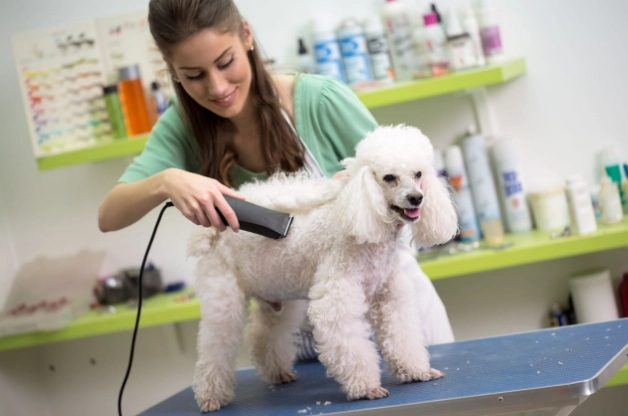
Step 1: Preparation & The Pre-Groom Health Check
Don't just grab your dog and start brushing. Set the stage. Gather all your tools: brushes, combs, clippers, shampoo, towels, cotton balls, nail clippers, styptic powder (just in case). Having everything within arm's reach is crucial for maintaining a calm flow.
Then, do a quick but thorough hands-on check. Run your hands over your dog's entire body. You're feeling for:
- Lumps, bumps, or swellings: Anything new or unusual?
- Hot spots, red skin, rashes, or parasites: Bathing over a hot spot can sting terribly.
- Ticks or fleas: Better to find and remove them now.
- Sore spots or signs of pain: If your dog flinches when you touch a specific area, note it and be extra gentle.
This is also the time for a very gentle initial brush-out, just to remove surface debris like leaves or loose dirt. It's a light pass, not the main event.
Step 2: The Main Brushing & Comb-Through
This is arguably the most important step in the entire order to groom a dog. The goal here is to remove all loose undercoat, break up any tangles, and eliminate every single mat. I mean it—every single one.
Why so obsessive? Because, as mentioned, water is a mat's best friend and your worst enemy. A clean, tangle-free coat allows water and shampoo to reach the skin evenly and rinse out completely. Any mat left behind will become a problem later.
Start with a slicker brush or an undercoat rake (depending on your dog's coat) to lift and remove dead hair. Work in sections. Don't just skim the surface; get down to the skin. Follow up with a wide-toothed comb, and then a fine-toothed comb. The comb should glide through the coat from skin to tip without catching. If it catches, you've found a tangle. Work it out gently with your fingers or a detangling spray before continuing.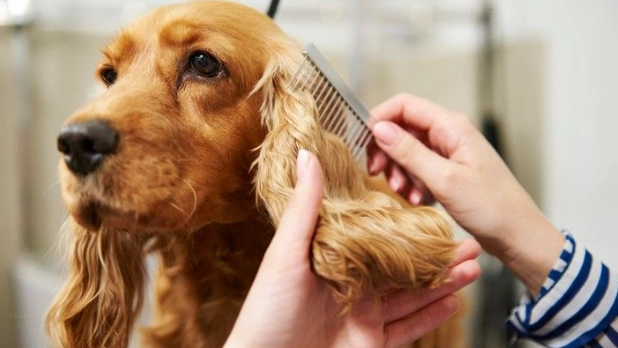
Step 3: Pre-Bath Clipping & Trimming (For Some Coats)
This step is especially relevant for dogs with long or continuously growing hair (like Poodles, Shih Tzus, or many terriers). The idea is to do the "rough-in" trim on the dry coat. Dry hair is easier to cut evenly, and you can see the natural fall of the coat.
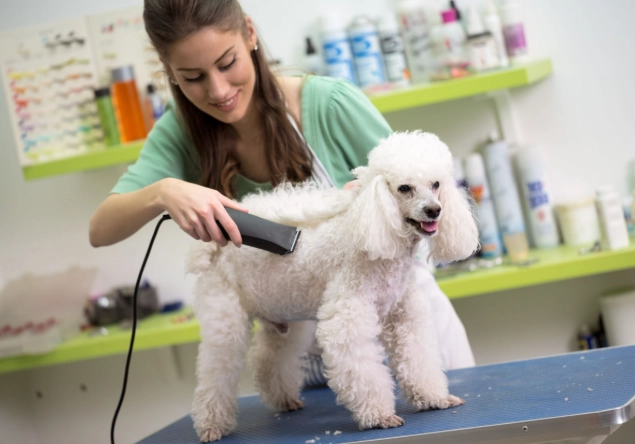
Use clippers with a guard comb to take down the overall length to a manageable level. Trim around the paws, sanitary area (belly and rear), and tidy up the face if needed. You're not going for perfection here—that comes after the bath and dry. You're just removing bulk. For short-haired dogs, you can often skip this step entirely.
Step 4: Ear and Eye Care
Sensitive areas first, before the bath. For the ears, use a veterinarian-recommended ear cleaner on a cotton ball or pad. Never use a cotton swab (Q-tip) deep in the ear canal, as you can push debris further in or damage the eardrum. Just wipe the parts of the inner ear flap you can easily see. Look for excess wax, redness, or a bad odor, which could indicate an infection.
For the eyes, use a separate, damp cotton ball to gently wipe away any discharge from the corners. You can find specific canine eye wipes, but lukewarm water on a soft cloth often works just fine.
Getting these areas clean now prevents bath water and soap from washing dirt into them.
Step 5: The Bath – Finally!
Now your dog is ready for the tub. Use lukewarm water—test it on your wrist like a baby's bottle. Thoroughly wet your dog all the way down to the skin. Apply a dog-specific shampoo (human shampoo has the wrong pH and can dry out their skin), dilute it as instructed, and lather it up, massaging it down to the skin. Pay special attention to dirty areas like paws and the underside.
Rinse, rinse, and rinse again. Soap residue is a major cause of itchy skin. When you think you've rinsed enough, rinse for another minute. Then apply a conditioner if you use one, and rinse that out completely too.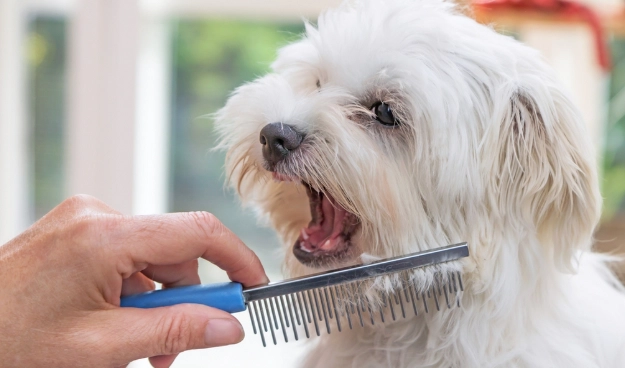
Step 6: Drying – Don't Skip This!
A damp dog is a magnet for dirt and can develop skin issues. Start by squeezing out excess water with your hands, then use a super-absorbent towel to blot and press (don't rub vigorously) as much moisture out as possible.
For most home groomers, a high-velocity pet dryer is a game-changer. It blows water out of the coat and helps fluff it up for trimming. If you're using a human hair dryer, keep it on the coolest setting and hold it at a distance to avoid burning the skin. Continuously brush or comb the coat as you dry to ensure it dries straight and tangle-free. A damp undercoat can mildew and cause smells.
Step 7: Final Trimming, Scissoring, and Styling
With a completely clean and bone-dry coat, you can now do your precision work. This is where you perfect the haircut. The dry coat allows you to see the true length and shape.
Use sharp scissors to even out the outline, shape the legs (create "pantaloons" or a clean look), sculpt the face (round the muzzle, trim around the eyes for visibility), and tidy the tail. Use thinning shears to blend lines and remove bulk without leaving harsh scissor marks. This is the artistic part of the dog grooming order.
Step 8: Nail Trimming & Paw Pad Care
We save this for near the end for several reasons. First, many dogs find this the most stressful part. Doing it last means if they get upset, the grooming is basically over, and you can end with a high-value treat and praise. Second, after the bath and dry, the nails are clean, and the small "hook" at the end is often softer, making it easier to cut. Third, you can clearly see the quick on light-colored nails.
Trim just the very tip, avoiding the pink quick (which contains nerves and blood vessels). If you're nervous, take off tiny bits more frequently rather than one big chunk. Have styptic powder on hand in case of a minor bleed. Don't forget to check and trim the hair between the paw pads with small, blunt scissors for comfort and traction.
Step 9: The Finishing Touches
You're in the home stretch. Give the teeth a quick brush with dog toothpaste (never human toothpaste). Apply a light finishing spray or cologne if you like. Then, do one final, light brush-over with a soft bristle brush to distribute natural oils and give the coat a gorgeous shine.
And that's it. You've successfully followed the ideal order to groom a dog.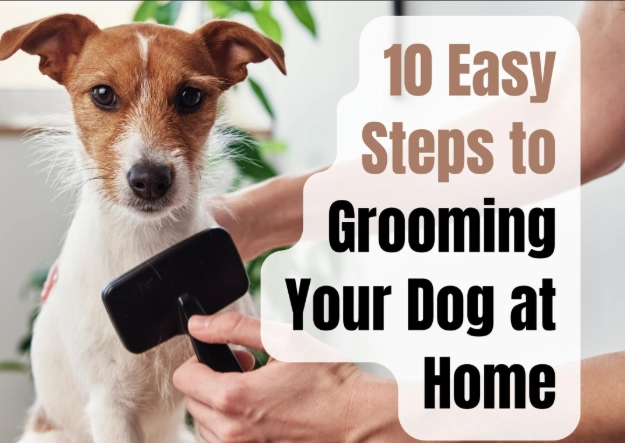
Tailoring the Order to Your Dog's Coat Type
Not all coats are created equal. While the core principle of "dry before wet" holds, the emphasis shifts.
| Coat Type | Key Focus in the Grooming Order | Tools You'll Rely On |
|---|---|---|
| Double Coat (Huskies, Shepherds, Retrievers) | INTENSE brushing in Step 2. Removing the undercoat is critical. Bathing is less frequent. Minimal trimming, mostly just tidying. | Undercoat rake, deshedding tool, slicker brush. |
| Long & Silky (Yorkshire Terriers, Maltese) | Preventing tangles during the bath and dry. Constant combing while drying (Step 6) is non-negotiable. More scissor work in Step 7. | Pin brush, fine-toothed comb, detangling spray. |
| Curly/Wiry (Poodles, Terriers, Bichons) | The pre-bath clipping (Step 3) is essential. Hair must be completely straight after drying before the final cut. Hand-stripping for some wiry coats. | Clippers, guard combs, curved shears, slicker brush. |
| Short & Smooth (Dachshunds, Boxers, Labs) | Process is faster. Brushing (Step 2) is for removing loose hair and massaging skin. A rubber curry brush is your best friend. Bathing can be the main event. | Rubber curry brush, grooming mitt, hound glove. |
Common Questions About the Dog Grooming Order
Let's tackle some of the things people really want to know when they're figuring this out.
It depends entirely on your dog. A short-haired dog might only need the full monty every 2-3 months, with weekly brushing in between. A Poodle might need a full groom every 4-6 weeks to prevent matting. The key is regular maintenance brushing—it makes the big session so much easier. The American Kennel Club (AKC) has excellent breed-specific grooming guides that can give you a baseline.
It matters more. A logical, calm order reduces the total time of stress. Break it into multiple sessions over a day or two. Do brushing one day, bath the next. Always end on a positive note with treats and play. For extremely anxious dogs, consulting a professional or your vet for advice is wise. The International Professional Groomers (IPG) site can help you find certified professionals who handle anxious pets.
You can, but I don't recommend it for the reasons stated earlier. The main exception is if your dog is extremely calm for nails and gets stressed by the bath. In that case, doing nails first might make the overall experience better for them. Adapt the order to groom your dog to your dog's unique personality.
Hands down, it's not brushing thoroughly enough before the bath. People underestimate how much loose hair is in there, or they think the bath will "wash away" the tangles. It does the opposite. Incomplete pre-bath brushing is the root cause of most bad home-grooming results.
Wrapping It Up: It's About the Journey, Not Just the Destination
Understanding what is the order to groom a dog transforms the task from a chaotic chore into a manageable, even bonding, routine. It's not about achieving a show-ring finish on your first try (trust me, my early attempts were... rustic). It's about keeping your dog healthy, comfortable, and clean in the safest, most efficient way possible.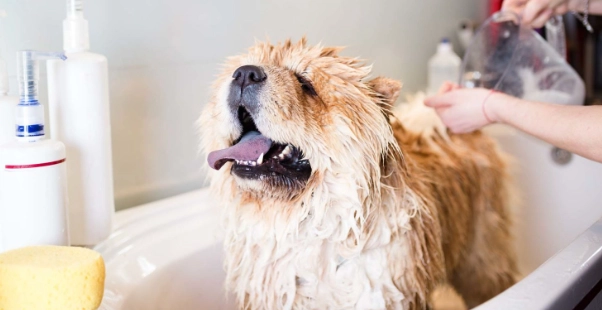
Start slow. Focus on mastering one or two steps at a time. Get the brushing right first. Then nail the bath and dry. The clipping and scissoring skills come with practice. The most important tool isn't your slicker brush or clippers—it's your patience. Follow this order, be gentle, and give lots of praise. You and your dog will both be happier for it.

Join the Conversation