In This Guide: Quick Navigation
- The Biggest Mistake Bird Owners Make (And How to Avoid It)
- Bird Health Symptoms: Breaking Them Down by Urgency
- Connecting Symptoms to Common Bird Illnesses
- What To Do Before You Get to the Vet
- Questions Bird Owners Actually Ask (FAQ)
- The Long-Term View: Preventing Illness Before Symptoms Start
- Final Thoughts: Trust Your Gut
Let's be honest. Birds are masters of disguise when it comes to illness. In the wild, showing weakness is an invitation for trouble, so they've evolved to hide their sickness until they simply can't anymore. This is the single biggest challenge for any bird owner. One day your parrot seems fine, just a little quiet maybe, and the next you're in a full-blown panic because it's sitting on the cage floor, fluffed up and breathing heavily.
I've been there. Years ago, I missed the subtle bird health symptoms in my first cockatiel. I thought he was just having a lazy day. By the time I realized something was critically wrong, it was almost too late. That experience taught me more than any book ever could: knowing what to look for isn't just helpful, it's a responsibility.
This guide is the one I wish I'd had. We're going to move past simple lists and dive deep into understanding the symptoms of a sick bird. We'll talk about the silent alarms, the red flags, and the "drop everything and call the vet now" signs. We'll cover everything from changes in poop (yes, really) to the meaning behind a certain look in their eye.
The Biggest Mistake Bird Owners Make (And How to Avoid It)
We wait. We second-guess ourselves. We think, "Maybe he's just tired from playing." This hesitation is the enemy. Birds have incredibly fast metabolisms. An illness that might take days to seriously impact a human can overwhelm a bird in hours. The key is establishing a baseline. What is normal for your bird? How much does it typically eat? What's its usual energy level at 10 AM versus 6 PM? What does a normal dropping look like? Without this baseline, every pet bird illness sign is harder to spot.
So, before we dive into symptoms, do this: spend a week just observing. Not in a worried way, just casually. Note the routines. This knowledge is your most powerful tool.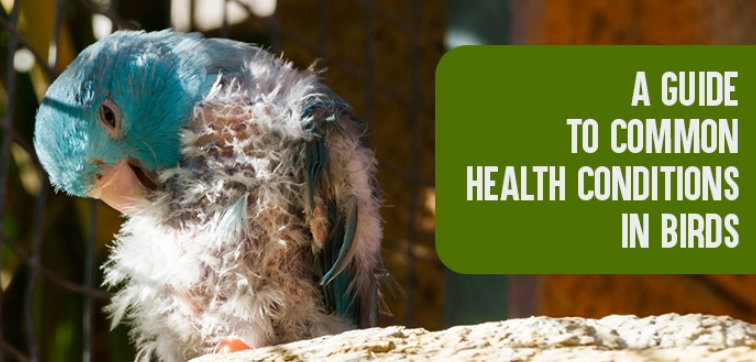
Bird Health Symptoms: Breaking Them Down by Urgency
Not all symptoms are created equal. To make sense of it all, let's categorize them. Think of these as tiers of concern.
Category 1: Emergency Symptoms - Require IMMEDIATE Veterinary Attention
If you see any of the following, do not wait until morning, do not post online asking for advice. Contact an emergency avian vet immediately. Time is tissue, and for a small bird, time is often life.
- Difficulty Breathing: This is number one. Look for tail bobbing (the tail moves up and down noticeably with each breath), open-mouth breathing, wheezing, clicking sounds, or stretching the neck out to breathe. A bird sitting still and breathing heavily is a major red flag.
- Bleeding: Any uncontrolled bleeding is an emergency. Apply gentle pressure with a clean cloth and get to the vet. A broken blood feather (a pin feather with blood supply) needs to be removed properly.
- Inability to Perch or Stand: If your bird is sitting on the cage floor, leaning against the walls, or its legs seem paralyzed, this indicates severe weakness, neurological issues, or injury.
- Seizures, Flipping Over, or Loss of Balance: Clear neurological distress.
- Severe Trauma: Obvious wounds, attacks by other pets, or collisions with windows/ceiling fans.
- Egg Binding (in females): Straining, tail pumping, swollen abdomen, and lethargy. This is a life-threatening condition where the egg is stuck.
Category 2: Urgent Symptoms - Call Your Vet Within 12-24 Hours
These bird sickness signs indicate a serious problem that needs professional diagnosis, but may not be instantly life-threatening if the bird is otherwise stable.
| Symptom | What You Might See | Possible Causes |
|---|---|---|
| Continuous Fluffing | Bird is puffed up for hours, even in a warm room. Often combined with sleeping a lot and closed eyes. | Systemic infection, fever, pain, profound weakness. Birds fluff to conserve heat when they're ill. |
| Drastic Change in Droppings | Color change (bright green, yellow, black, red), all liquid (no solid part), undigested seed in stool, or a sudden lack of droppings. | Liver issues, internal bleeding, bacterial/parasitic infection, intestinal blockage, pancreatitis. |
| Sudden Loss of Appetite | Ignoring favorite treats, not touching food for a full day. Weight loss will follow quickly. | Almost any serious illness, crop problems, metal toxicity. |
| Swelling or Lumps | Any visible swelling on the body, face, feet, or around the eyes. | Abscess, tumor, infection, injury, gout. |
| Discharge | From eyes, nostrils, or mouth. Crusty cere (the fleshy area above the beak). | Respiratory infection (like chlamydiosis), sinusitis, vitamin A deficiency. |
I want to emphasize the droppings. It's the most reliable daily health check you have. Get to know the three parts: the fecal (solid, usually dark green/brown), the urate (white, creamy part), and the urine (clear liquid). A change here is often the first hint of bird health symptoms.
Category 3: Concerning Symptoms - Monitor Closely & Schedule a Vet Check
These are the subtle shifts. The "something's off" feelings. They might resolve on their own, but they often precede more serious issues. Keep a log if you notice these.
- Change in Vocalization: A talkative bird goes quiet, or a quiet bird starts screaming. The sound might become raspy or weak.
- Personality Change: A friendly bird becomes nippy or withdrawn. A playful bird loses interest in toys.
- Feather Changes: Not preening (feathers look ratty), picking/plucking feathers (especially on the chest), or developing stress bars (dark lines across feathers).
- Minor Balance Issues: Slight head tilting, misstepping occasionally.
- Changes in Sleep Patterns: Sleeping more during the day, or sleeping on both feet (healthy birds often sleep on one foot).
- Mild Eye Issues: Eyes not fully bright, partially closed, or a slight dullness.
Connecting Symptoms to Common Bird Illnesses
Symptoms rarely show up in isolation. They come in clusters that point toward specific problems. Here’s a look at some common patterns.
Respiratory Infections (Like Psittacosis)
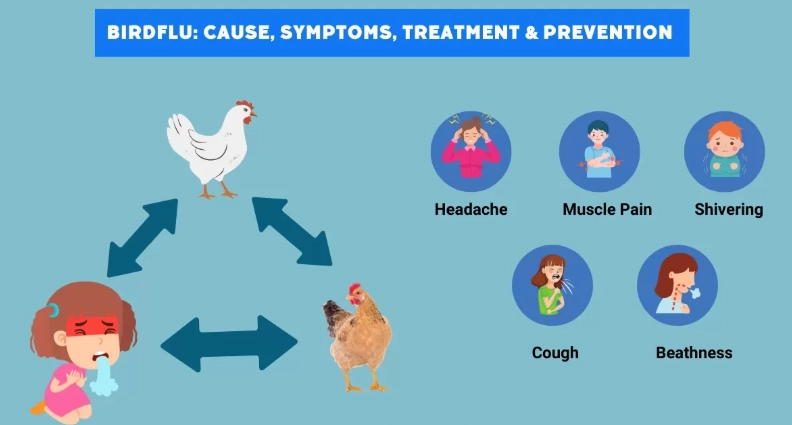
This is a big one. You'll often see the classic trio: fluffed up bird, eye/nose discharge, and sneezing/wheezing. The bird might have trouble breathing (tail bobbing) and be incredibly lethargic. Psittacosis is zoonotic (can spread to humans), so it's crucial to get a diagnosis from a vet who can run specific tests. The Merck Veterinary Manual provides detailed, vet-level information on avian respiratory diseases, which underscores the need for professional lab work.
Gastrointestinal (GI) Issues
Think about the output. Undigested seed in droppings points to malabsorption or pancreatic problems. Bright green or yellow feces can indicate liver trouble (the urates might turn green too). Watery droppings could be a kidney issue or just that the bird is drinking more (which is its own symptom!). Vomiting or regurgitation that's not hormonal (like a male feeding a mate) is a serious sign.
Parasites
External mites cause itching, scaly face/legs, and feather damage. Internal parasites (like worms or giardia) often cause weight loss despite a good appetite, and sometimes diarrhea. Seeing your bird scratching constantly isn't normal.
Heavy Metal Toxicity (Zinc, Lead)
A true emergency. Symptoms include vomiting, diarrhea (often dark or bloody), weakness, seizures, and passing away suddenly. This is why knowing what your bird has chewed on is vital. Old cage wires, cheap toys with metal clips, stained glass, costume jewelry—all are potential sources.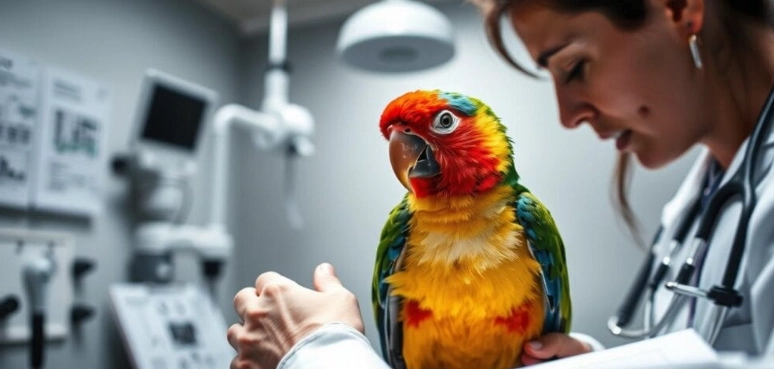
What To Do Before You Get to the Vet
Panic doesn't help your bird. Having a plan does.
- Isolate for Observation: If you have multiple birds, gently move the sick one to a separate, quiet, warm cage. This reduces stress and lets you monitor food/water intake and droppings.
- Provide Heat: Sick birds struggle to maintain body temperature. Place a heating pad (set on LOW) under half of the hospital cage, or use a safe radiant heat panel. Ensure the bird can move away from the heat if it wants to.
- Offer Easy Food: Hand-feed favorite treats or offer warm, soft foods like cooked oatmeal or mashed sweet potato. Hydration is key—try offering water from a spoon or syringe (be careful not to aspirate the bird).
- Prepare Your Info: Write down all symptoms, when they started, and any recent changes in diet, environment, or new toys. Take a photo or sample of abnormal droppings (in a baggie) to show the vet.
Questions Bird Owners Actually Ask (FAQ)
Let's tackle some real-world questions that pop up in forums and Facebook groups all the time.
Is my bird sick or just tired?
This is the million-dollar question. A tired bird takes a short nap, then is back to normal. A sick bird stays "tired." The lethargy persists for hours, often paired with fluffing and closed eyes. If your bird is inactive at its usual playtime, that's a clue. When in doubt, assume it's not just tired.
My bird is eating but seems off. Could it still be sick?
Absolutely. Birds are hardwired to eat. A complete loss of appetite is a late-stage symptom. Early on, they may eat normally but show other bird health symptoms like subtle behavior changes or slightly abnormal droppings. The eating is a false comfort—don't let it delay a vet visit if other signs are present.
How can I tell if my bird is in pain?
They hide it well. Look for: grinding the beak (not the happy, relaxed grinding, but a constant, intense one), sitting fluffed on the cage floor, reluctance to move, aggression when a painful area is touched, loss of appetite, and a pinched, pained look around the eyes. A great resource on animal pain recognition comes from research at institutions like the University of Illinois College of Veterinary Medicine, which discusses subtle behavioral markers.
Are online symptom checkers reliable?
Frankly, most are terrible. They oversimplify and can cause dangerous delays. They might give you a general idea, but they are no match for a hands-on physical exam, blood work, and X-rays. Use them for basic education, never for diagnosis.
The Long-Term View: Preventing Illness Before Symptoms Start
Spotting sick bird symptoms is reactive. The real goal is to create an environment where those symptoms are less likely to appear.
Diet is Everything. I'm going to be blunt here: an all-seed diet is like feeding your bird fast food every single day. It leads to fatty liver disease, obesity, and a host of deficiencies. A high-quality pellet, supplemented with fresh vegetables (dark leafy greens, orange veggies) and a limited amount of fruit, is the foundation of health. The difference in a bird's energy, feathers, and immune strength on a proper diet is night and day.
Environment Matters. Clean water daily (not just a top-up). Clean cages weekly to prevent bacterial and fungal growth. Avoid toxic fumes: no non-stick cookware (PTFE fumes are deadly to birds), no aerosols, no scented candles, no heavy perfumes. Provide consistent, safe sleep (10-12 hours of dark, quiet).
Mental Health is Physical Health. A bored, stressed bird is more susceptible to illness and feather-destructive behaviors. Provide foraging opportunities, rotate toys, and offer positive social interaction. A lonely bird can exhibit symptoms of illness in birds that are actually symptoms of depression.
 It all comes down to this: the best treatment is always, always prevention.
Final Thoughts: Trust Your Gut
After all the lists, tables, and categories, here's the most important piece of advice: you know your bird better than anyone. If your gut is telling you something is wrong, even if you can't pinpoint a specific bird health symptom from a list, listen to it.
Is your conure not greeting you with its usual ear-splitting shriek? Did your budgie not come out for millet? That deviation from routine is data. It's a clue. Don't talk yourself out of it because the bird "looks okay."
Being a bird owner is a joy, but it comes with this unique challenge. They can't tell us where it hurts. We have to become detectives, learning their language of feathers, eyes, droppings, and behavior. Use this guide as your reference, but let your daily observations be your guide. And when in doubt—and I can't say this enough—err on the side of caution and get expert help from an avian vet. Your feathered friend is counting on you.


Join the Conversation