What's Inside
Let's be honest. When your dog gives you that sad-eyed look or just isn't their usual bouncy self, it's terrifying. You're not a vet, but you need to know what's going on. Is it serious? Should you rush to the emergency clinic, or is it something that can wait? I've been there, pacing the floor at 2 AM with a sick pup, feeling completely helpless. Over the years, through my own dogs and countless conversations with vets, I've learned that spotting dog health issues early is everything. It's not about becoming a medical expert overnight. It's about knowing the subtle signs, understanding the common culprits, and having a solid game plan. This guide is the one I wish I'd had years ago. We're going to cut through the scary medical jargon and talk about the real stuff—what you're likely to face, what you can do at home, and when you absolutely must pick up the phone and call your vet.
The Golden Rule: This information is for education and awareness. It is not a substitute for professional veterinary diagnosis and treatment. If you are concerned about your dog's health, please consult your veterinarian immediately.
The Big Ones: Most Common Canine Health Issues You Should Know
Some dog health problems pop up way more often than others. Knowing this list isn't meant to scare you—it's meant to empower you. If you can recognize these, you're already ahead of the game.
Skin & Coat Troubles: More Than Just an Itch
Skin issues are, hands down, one of the top reasons dogs visit the vet. And it's miserable for them. Constant scratching, licking, chewing… you can see the frustration. The tricky part? A skin problem is rarely just a skin problem. It's often a symptom of something else.
- Allergies: This is the big one. It could be environmental (pollen, dust mites, mold) or food-related (beef, dairy, chicken, wheat). My last dog, a Labrador, would get these raw, red patches between his toes every spring. Took us a while to figure out it was grass pollen. Food allergies often show up as ear infections or gastrointestinal upset alongside the itching.
- Parasites: Fleas are the obvious nightmare, but don't forget about mites (causing mange) or just a simple case of dry skin. A flea allergy means just one bite can set off a massive reaction.
- Hot Spots: These are acute, moist, painful lesions that seem to appear out of nowhere. They're often sparked by an initial itch (from a bug bite or allergy) that the dog then obsessively licks and chews, creating a perfect storm for bacterial infection.
What can you do? Regular brushing helps you spot problems early. A high-quality diet with good fats (like omega-3s) supports skin health. For suspected allergies, your vet might recommend an elimination diet or allergy testing. The American Veterinary Medical Association (AVMA) has a great resource on understanding pet allergies that's worth a look.
Ear Infections: That Smell & The Head Tilt
If your dog's ears smell funky (like yeast or cheese), they're red inside, or your dog is shaking their head constantly, it's probably an infection. Dogs with floppy ears (like Cocker Spaniels or Basset Hounds) are especially prone because airflow is poor. But any dog can get them. They're often linked to underlying allergies, which create inflammation and a perfect environment for yeast or bacteria to grow.
Cleaning ears regularly with a vet-approved solution is key for prevention. But never, ever use cotton swabs deep in the ear canal—you'll just pack debris further in. If you see an infection, you need the vet. They'll need to look under a microscope to see if it's yeast or bacteria (or both) to prescribe the right meds. Trying over-the-counter stuff can sometimes make it worse.
The Aching Joints: Arthritis & Beyond
This one hits close to home. My old German Shepherd, Duke, started slowing down around age 8. He hesitated before jumping into the car, took longer to get up in the morning, and seemed stiff. I thought he was just "getting old," but it was osteoarthritis. It's incredibly common, especially in larger breeds and senior dogs, but it can affect younger dogs with joint issues like hip dysplasia too.
Signs are subtle at first: reluctance to climb stairs, lagging on walks, a change in posture, or even irritability. It's not just laziness. It's pain. Management is multi-faceted: weight management is CRITICAL (every extra pound stresses the joints), gentle regular exercise like swimming or short walks, joint supplements (glucosamine/chondroitin), prescription pain meds from your vet, and even physical therapy. Making your home senior-dog friendly with ramps and non-slip rugs makes a huge difference in their quality of life.
Quick Tip: Does your dog have trouble getting traction on hardwood floors? That frantic scrambling isn't just noisy—it's hard on their joints. Try non-slip socks or yoga mats to create safe pathways. It helped Duke immensely.
Dental Disease: The Silent Health Saboteur
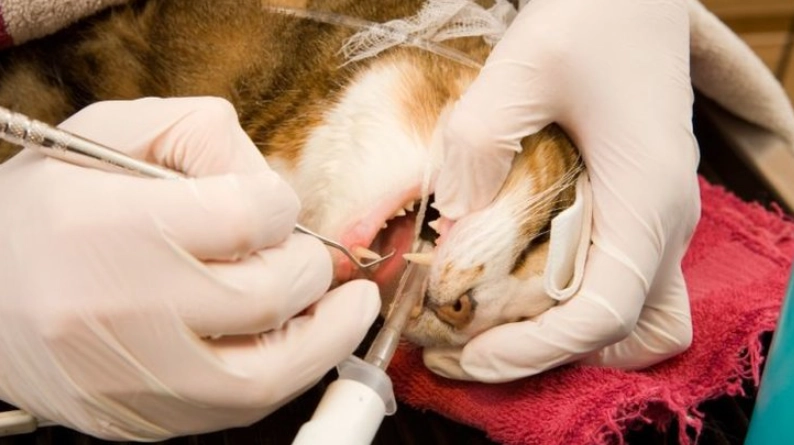
This might be the most overlooked common health problem in dogs. By age three, most dogs have some degree of dental disease. That brown tartar on their teeth isn't just cosmetic. The bacteria under the gumline don't stay in the mouth. They enter the bloodstream and can damage the heart, liver, and kidneys. Bad breath isn't normal; it's a sign of infection.
Prevention? Daily tooth brushing with dog-specific toothpaste is the gold standard. I know, it sounds impossible. Start slow, make it positive. Dental chews and water additives can help, but they're not a replacement for brushing. Your vet will recommend professional cleanings under anesthesia when needed. It's an investment, but for their overall health, it's non-negotiable. The American Animal Hospital Association (AAHA) provides detailed dental care guidelines that vets follow, which underscores its importance.
Tummy Troubles: Vomiting & Diarrhea
Every dog owner has cleaned up some form of this. Occasional upset can happen from scavenging, a sudden diet change, or stress. The concern is when it's frequent, severe, or accompanied by other signs like lethargy or blood.
- Dietary Indiscretion: A fancy term for "eating something they shouldn't have."
- Food Intolerance vs. Allergy: Intolerance (like lactose intolerance) usually just causes digestive upset, while a true allergy involves the immune system and often causes skin issues too.
- Parasites: Worms like roundworms or giardia.
- More Serious Conditions: Pancreatitis, inflammatory bowel disease (IBD), or foreign body obstruction.
For a simple, one-off episode, withholding food for 12-24 hours (but NOT water) and then offering a bland diet (boiled chicken and rice) can help. But if it persists more than a day, or your dog seems depressed or in pain, vet time. Dehydration from diarrhea is a real danger.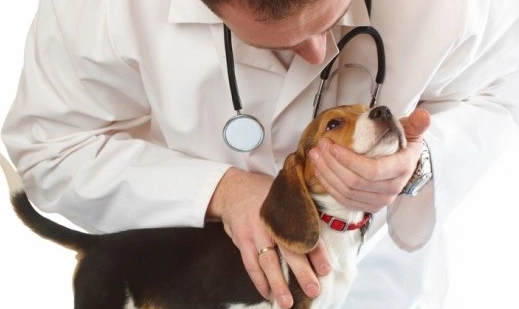
The Weighty Issue: Canine Obesity
This isn't just about looks. Obesity is a disease that fuels so many other dog health problems: arthritis, diabetes, respiratory issues, heart disease, and even certain cancers. If you can't easily feel your dog's ribs under a thin layer of fat, they're likely overweight.
It's almost always about calories in vs. calories out. Those "just a few" table scraps and extra treats add up fast. Talk to your vet about your dog's ideal weight and a proper feeding plan. Measure their food precisely. Increase exercise gradually. It's a commitment, but adding healthy years to their life is the best reward.
Heart & Internal Issues
These can be scarier because signs are internal. Heart disease, kidney disease, liver problems, diabetes—they often creep up slowly.
A persistent cough (especially at night or after resting), increased drinking and urination, sudden weight loss despite a good appetite, or a pot-bellied appearance can all be red flags. This is where those yearly vet check-ups are worth their weight in gold. Bloodwork and a physical exam can catch these conditions early, often before your dog even shows symptoms, leading to much better management outcomes.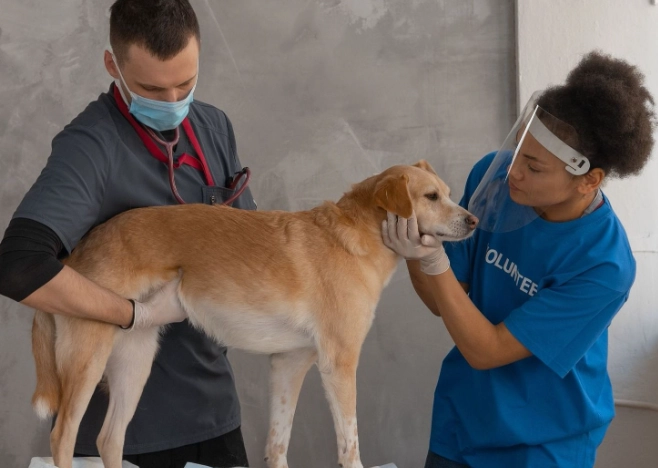
| Health Problem | Key Signs to Watch For | Primary Prevention Strategies |
|---|---|---|
| Skin Allergies | Excessive scratching, licking paws, red skin, recurrent ear infections, hair loss. | Identify & avoid allergens, omega-3 supplements, regular bathing with medicated shampoo. |
| Ear Infections | Head shaking, ear odor, redness/swelling, discharge, scratching at ears. | Regular ear cleaning (vet-approved solution), keeping ears dry, managing allergies. |
| Arthritis (Osteoarthritis) | Stiffness (especially after rest), limping, reluctance to jump/run/use stairs, irritability. | Maintain lean weight, joint supplements, regular low-impact exercise, orthopedic bedding. |
| Dental Disease | Bad breath, yellow/brown tartar, red/swollen gums, dropping food, pawing at mouth. | Daily tooth brushing, dental chews, annual vet dental exams, professional cleanings as needed. |
| Obesity | Inability to feel ribs, no visible waist, lethargy, difficulty breathing, reluctance to exercise. | Measure all food, limit treats/table scraps, increase controlled exercise, regular weigh-ins. |
Your Action Plan: Prevention & Knowing When to Call the Vet
Knowledge is only power if you use it. So what's the game plan?
Building a Foundation of Prevention
You can't prevent everything, but you can stack the odds in your dog's favor.
- Nutrition is Key: Feed a high-quality, age-appropriate diet. Don't just buy the flashiest bag. Do some research. Talk to your vet. A good diet supports every system in their body.
- Don't Skip Preventatives: Heartworm, flea, and tick preventatives aren't optional in most areas. Heartworm disease is fatal and expensive to treat, but easy to prevent. Fleas and ticks bring a host of other canine health issues like tapeworms and Lyme disease.
- Vaccinations: Keep them up-to-date based on your vet's recommendations and your dog's lifestyle.
- Annual (or Bi-Annual) Vet Visits: For senior dogs, every six months is ideal. These check-ups catch problems early, update preventatives, and establish a relationship with your vet before there's an emergency.
- Exercise & Mental Stimulation: A tired dog is a happy, healthy dog. It keeps weight down, joints mobile, and minds sharp.
The Red Flags: When It's Definitely Vet Time
Trust your gut. You know your dog better than anyone. If something feels "off," it probably is. Here are the non-negotiable, need-a-vet-now signs:
EMERGENCY SIGNS (Go to Emergency Vet Immediately):
- Difficulty breathing, choking, or continuous gagging.
- Collapse, severe weakness, or inability to stand.
- Bloated or distended abdomen, especially if trying to vomit unsuccessfully (sign of GDV/Bloat—a true emergency).
- Seizures.
- Signs of extreme pain (whining, trembling, hiding, aggression when touched).
- Trauma (hit by car, fall, fight).
- Exposure to toxins (antifreeze, chocolate, xylitol, rat poison).
- Uncontrolled bleeding.
Urgent Signs (Call Your Regular Vet ASAP):
- Repeated vomiting or diarrhea (especially with blood).
- Straining to urinate or defecate with no production.
- Sudden loss of appetite for more than 24 hours (in an otherwise healthy dog).
- Sudden increased thirst and urination.
- Eye injury or sudden blindness.
- A lump that grows rapidly or changes.
- Any symptom that is severe or persists for more than 24 hours.
Answering Your Top Questions on Dog Health Problems
Let's tackle some of the specific questions that keep pet parents up at night.
"My dog is itching like crazy. Could it be their food?"
Absolutely. Food allergies are a common culprit, but they're often over-diagnosed by owners. True food allergies are less common than environmental allergies, but they happen. The most common triggers are proteins: beef, dairy, chicken, egg, soy, and wheat. The only way to diagnose a food allergy is through a strict elimination diet using a novel protein (like duck or venison) or hydrolyzed prescription diet for 8-12 weeks, followed by a "challenge" with the old food. No blood or saliva test you can buy online is considered reliable by veterinary dermatologists. It's a long process, but if it's the cause, it's life-changing. The ASPCA also lists allergies as a top concern and offers sound advice.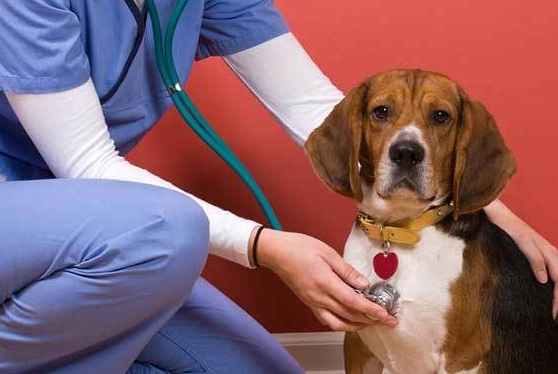
"How can I tell if my dog is in pain? They aren't crying."
Dogs are masters at hiding pain—it's an instinct from their wild ancestors. You have to become a detective. Look for changes in behavior more than obvious cries. Are they quieter? Withdrawn? Sleeping more? Reluctant to jump on the couch or into the car? Limping slightly after a long walk? Grumpy when touched in a certain spot? Panting when not hot or exercised? A change in appetite? These are all whispers of pain. Never assume "no crying" means "no hurt."
"Are some breeds more prone to specific health problems?"
Unfortunately, yes. Purebred dogs are often bred for specific traits, which can come with genetic baggage. This isn't to say mixed breeds don't get sick—they absolutely do—but the risks can be more predictable in purebreds.
- Large/Giant Breeds (Great Danes, German Shepherds, Labs): Higher risk for hip/elbow dysplasia, arthritis, bloat (GDV), and certain heart conditions.
- Brachycephalic (Flat-Faced) Breeds (Pugs, Bulldogs, French Bulldogs): Prone to breathing issues (BOAS), dental crowding, eye problems, and difficulty regulating body temperature.
- Small/Toy Breeds (Chihuahuas, Yorkies, Dachshunds): Higher risk for dental disease due to crowded teeth, luxating patellas (knee caps that pop out), and tracheal collapse.
If you have or are considering a purebred dog, research their common dog health issues. Choose a responsible breeder who does genetic health testing on the parent dogs, not just a vet check. It's the best way to stack the deck in your puppy's favor.
"What should I have in a dog first-aid kit at home?"
Being prepared can help you manage minor issues and stabilize a dog in an emergency on the way to the vet. Your kit should include:
- Gauze pads and rolls, self-adhering vet wrap (doesn't stick to fur).
- Non-stick sterile pads (Telfa pads).
- Blunt-tipped scissors, tweezers, and a digital thermometer (pet-specific).
- Antiseptic wipes or solution (like chlorhexidine).
- Saline eye flush.
- Hydrogen peroxide (ONLY to induce vomiting if directed by a vet or poison control).
- A muzzle (a painful dog may bite, even their beloved owner).
- Your vet's phone number and the nearest emergency vet clinic address/phone.
- The ASPCA Animal Poison Control number: (888) 426-4435 (note: a fee may apply).
Keep it in an easily accessible place and check expiration dates yearly.
Wrapping It Up: Be Your Dog's Best Advocate
Dealing with potential dog health problems is part of the journey of pet ownership. It can be stressful, confusing, and expensive. But here's the thing: you are not alone, and you are capable. You don't need a veterinary degree. You need observation skills, a proactive mindset, and a good partnership with a veterinarian you trust.
Pay attention to the small changes. Keep up with the boring prevention stuff. And when in doubt, make the call. It's always better to err on the side of caution. Your dog depends on you to be their voice and their advocate. By understanding these common health challenges, you're taking a huge step towards giving them a longer, happier, and healthier life by your side. And that's what it's all about, isn't it?




Join the Conversation