I've kept canaries for twelve years now, and let me tell you, the cage isn't just a box—it's their world. Get it wrong, and you'll see it in their feathers and song. I learned this the hard way when I started with a cramped, poorly ventilated cage from a pet store sale. My bird, Sunny, became lethargic within weeks. That experience taught me more than any book ever could. So, if you're looking for a cage that keeps your canary thriving, not just surviving, you're in the right place. This guide cuts through the fluff and gives you the real deal on selection, setup, and maintenance.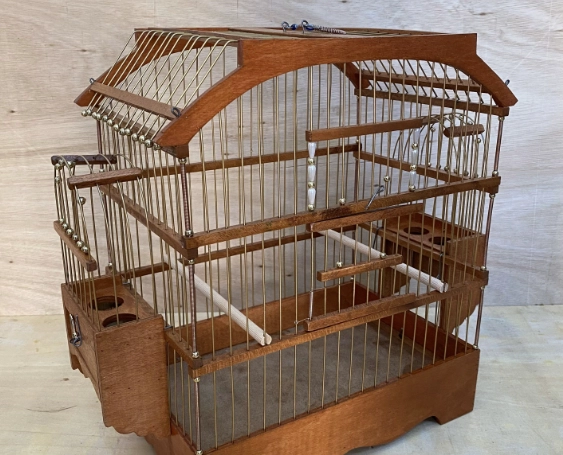
What You'll Find in This Guide
Choosing the Right Canary Cage: Beyond the Basics
Most guides tell you to look for size and material. Sure, that's important, but here's what they miss: the bar spacing. I've seen owners buy a gorgeous large cage only to find their canary's head gets stuck. It's a nightmare scenario. Let's break it down.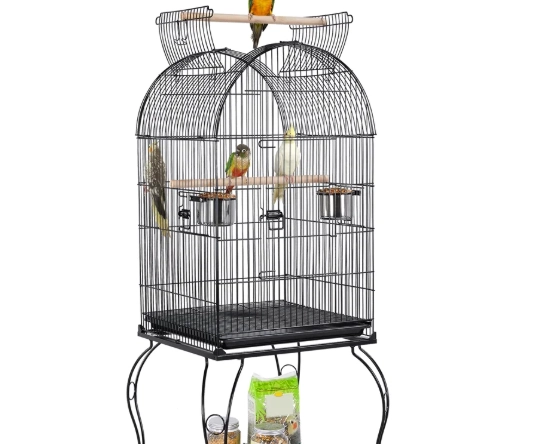
Cage Size: Why Bigger is Almost Always Better
Canaries are active flyers. They need horizontal space more than vertical height. A common mistake is opting for a tall, narrow cage because it fits a corner. Don't. Aim for a minimum of 24 inches wide, 16 inches deep, and 18 inches high. For a single canary, that's the bare minimum. If you can go bigger, do it. I upgraded to a 30-inch wide cage last year, and the difference in my bird's behavior was immediate—more singing, less feather-plucking.
Price-wise, expect to spend between $50 and $200 for a good-quality cage. Brands like Prevue Hendryx or Vision offer reliable options. Avoid the $30 deals online; they often use thin wire that bends easily.
Material Matters: Wire vs. Acrylic vs. Wood
Powder-coated wire cages are the standard for a reason. They're durable, easy to clean, and provide good ventilation. But watch out for cheap coatings that chip off—ingested flakes can be toxic. Stainless steel is top-tier but pricey, around $300 upwards.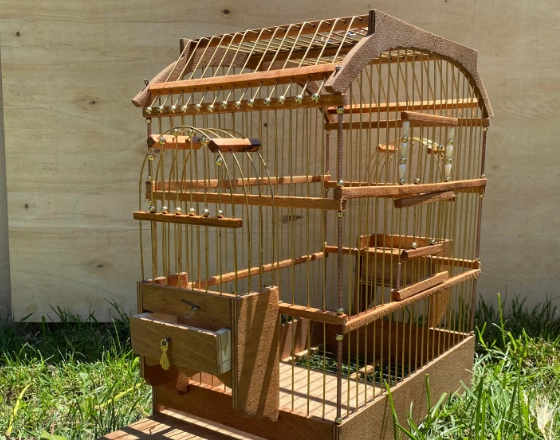
Acrylic cages look sleek and reduce seed scatter, but ventilation can be an issue. I tried one for a month in a humid climate, and mold started forming in the corners. Not ideal.
Wood cages? Forget it. They absorb moisture, harbor bacteria, and are nearly impossible to sanitize. I made that error early on; it smelled musty within weeks.
Bar Spacing and Safety Features
This is critical. Bar spacing should be between 1/2 inch and 5/8 inch. Anything wider, and your canary might escape or get injured. Check the door latch too—some flimsy latches pop open. I once had a cage where the door swung open if the bird landed on it. A simple carabiner clip fixed it, but it's something to test before buying.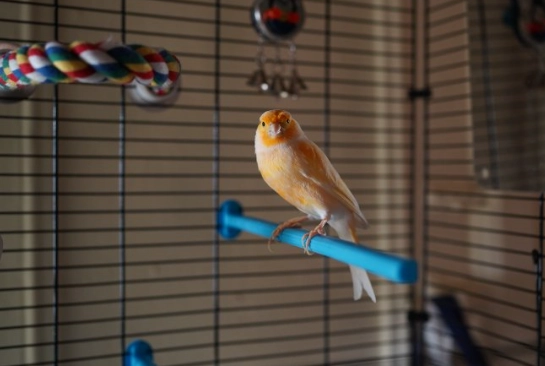
Also, look for a removable tray at the bottom. It makes cleaning a breeze. Non-removable trays are a pain; you'll end up scrubbing at awkward angles.
Setting Up the Ideal Canary Habitat
You've got the cage. Now, where do you put it? And what goes inside? This isn't just about aesthetics; it's about creating a environment that mimics their natural instincts.
Where to Place the Cage in Your Home
Avoid kitchens and bathrooms. Cooking fumes and humidity are killers. I learned this from a fellow breeder who lost a bird due to aerosol spray in the kitchen. Place the cage in a living room or quiet area with indirect natural light. Direct sunlight can overheat the cage—use curtains to diffuse it.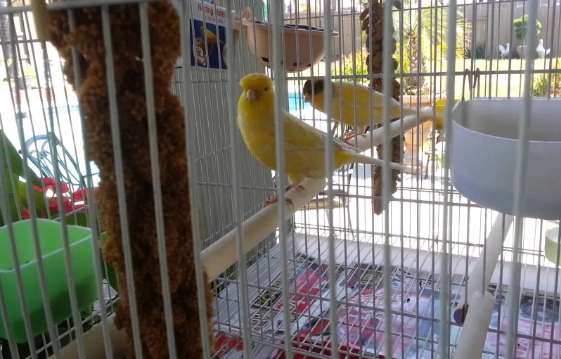
Keep it away from drafts from windows or air conditioning vents. Canaries are sensitive to temperature swings. A stable spot against an interior wall works best.
Essential Cage Accessories: Perches, Feeders, and Toys
Don't just throw in a couple of perches. Variety is key. Use natural wood perches of different diameters to exercise their feet. Avoid sandpaper covers; they cause foot sores. I use manzanita and dragonwood perches—they're sturdy and look great.
For feeders, opt for stainless steel or ceramic. Plastic ones get scratched and harbor bacteria. Have at least two: one for seeds/pellets and one for fresh water. Place them away from perches to minimize contamination.
Toys aren't optional. Canaries need mental stimulation. But here's a tip many miss: rotate toys weekly. I keep a set of three—a swing, a shreddable toy, and a foraging ball—and swap them out. It prevents boredom without overwhelming the bird.
Quick Setup Checklist: Wide cage (min 24" wide), powder-coated wire, 1/2" bar spacing, natural perches, stainless steel feeders, 2-3 rotating toys, placed in a draft-free, well-lit room away from kitchens.
Maintenance and Cleaning: A Non-Negotiable Routine
Cleaning isn't just about odor control; it's about health. A dirty cage leads to respiratory issues and mites. I've dealt with both, and trust me, prevention is easier.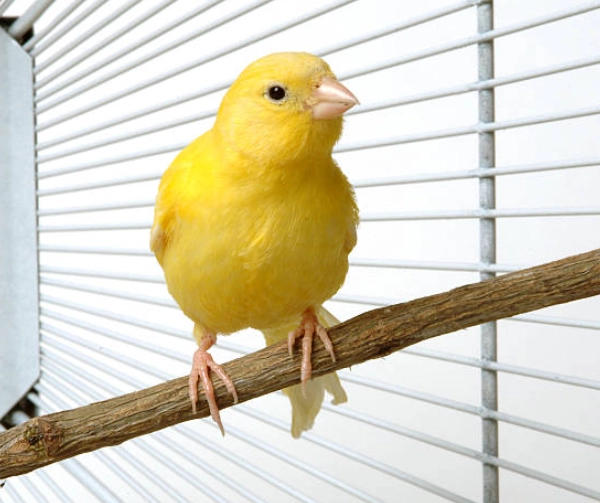
Daily Quick Cleanups
Spend five minutes each day. Remove droppings from perches and trays. Wipe down any soiled spots with a damp cloth. Change the water—don't just top it off. Stagnant water breeds bacteria. I use a vinegar-water solution (1:1 ratio) for wiping; it's safe and effective.
Weekly Deep Cleaning Protocol
Once a week, do a full clean. Take the bird out to a safe carrier. Remove all accessories and scrub them with hot, soapy water. Rinse thoroughly. For the cage, use a bird-safe disinfectant like F10SC or dilute bleach (1 part bleach to 10 parts water), but rinse like crazy afterward. Any residue can be toxic.
Let everything air-dry completely before reassembling. I lost a canary once due to reassembling a damp cage; it developed a fungal infection. Now, I always use a fan to speed up drying.
Dealing with Common Issues Like Mold and Odor
If you smell mustiness, check the corners and under the tray. Mold loves hidden spots. Increase ventilation and reduce humidity in the room. For odor, baking soda sprinkled on the tray liner helps, but avoid scented sprays—they irritate bird lungs.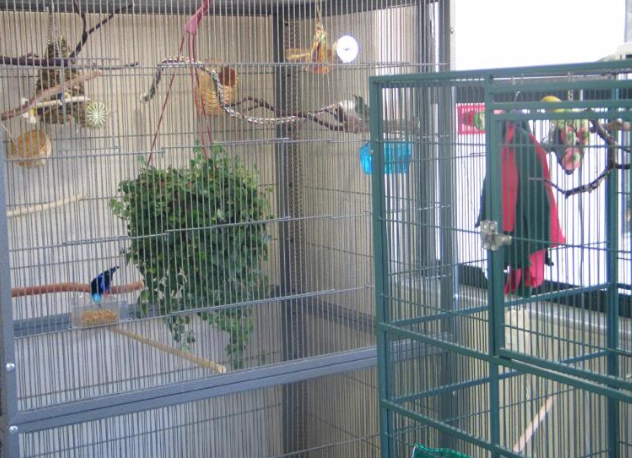
Liner choice matters too. I prefer plain paper or corn cob bedding. Avoid cedar or pine shavings; the oils are harmful. Change liners every 2-3 days.
Expert Insights: Common Mistakes I See New Owners Make
After years in avian forums and local clubs, I've noticed patterns. Here are three mistakes rarely discussed.
Mistake 1: Overcrowding with accessories. It's tempting to fill the cage with toys, but canaries need flight space. Leave at least one open path for flying. I see cages so packed the bird can barely move.
Mistake 2: Ignoring night covers. Canaries need 10-12 hours of darkness for rest. Without a cover, they get stressed. Use a breathable fabric cover, not plastic. I use an old cotton sheet—it's cheap and works.
Mistake 3: Skipping quarantine for new cages. Even new cages can have manufacturing residues. Wash them before use, regardless of what the label says. I once bought a cage that had a chemical smell; a good scrub with vinegar eliminated it.
These might seem small, but they impact longevity. A canary in a well-managed cage can live 10-15 years. I've had mine for nine, and he's still chirping away.
Your Canary Cage Questions Answered
Remember, a canary cage is more than furniture—it's a commitment to your bird's well-being. Start with the right choice, maintain it diligently, and you'll enjoy years of joyful song. If you have more questions, reach out to local avian vets or groups like the American Federation of Aviculture for resources. Happy bird keeping!




Join the Conversation