So you're thinking about getting a reptile. That's fantastic. You've probably seen stunning photos online or met a calm, handleable lizard at a friend's house and thought, "I could do that." The good news is, you absolutely can. The world of beginner reptile breeds is full of amazing, low-maintenance, and incredibly rewarding animals. But here's the thing most articles won't tell you: the "easiest" pet isn't a universal label. It depends entirely on what you find easy. Is it minimal daily interaction? A simple diet? Low startup cost? Forgetting to feed it for a week without disaster? (Please don't do that).
After keeping reptiles for over a decade and helping countless new owners avoid costly mistakes, I've learned that success starts with matching the right animal to your lifestyle, not just picking the one with the prettiest colors. This guide cuts through the noise. We won't just list animals; we'll dive into the why behind each choice, the hidden costs, the common pitfalls, and the specific, actionable steps to set you up for success from day one.
Your Quick Guide to Getting Started
- How We Chose These Beginner Reptile Breeds
- The Top 5 Beginner Reptiles: A Side-by-Side Look
- 1. Leopard Gecko: The No-Fuss Desert Dweller
- 2. Corn Snake: The Gentle Classic
- 3. Bearded Dragon: The Personable Sunbather
- 4. Ball Python: The Shy Contortionist
- 5. Crested Gecko: The Tropical Tree-Dweller
- How to Set Up Your First Reptile Habitat (The Right Way)
- Your Burning Questions Answered (FAQ)
Why These Reptiles Made the List: Our Selection Criteria
This isn't a random list. We evaluated dozens of species against key factors that matter most to a novice keeper. Forget just "hardy." We looked for animals that are forgiving of minor husbandry errors, have straightforward dietary needs, exhibit reliably calm temperaments, and are readily available from ethical breeders. A major, often overlooked point is veterinary care. We prioritized species with well-understood health profiles, so finding a vet and getting a diagnosis isn't a nightmare. According to the Association of Reptilian and Amphibian Veterinarians, species-specific knowledge is critical for proper care.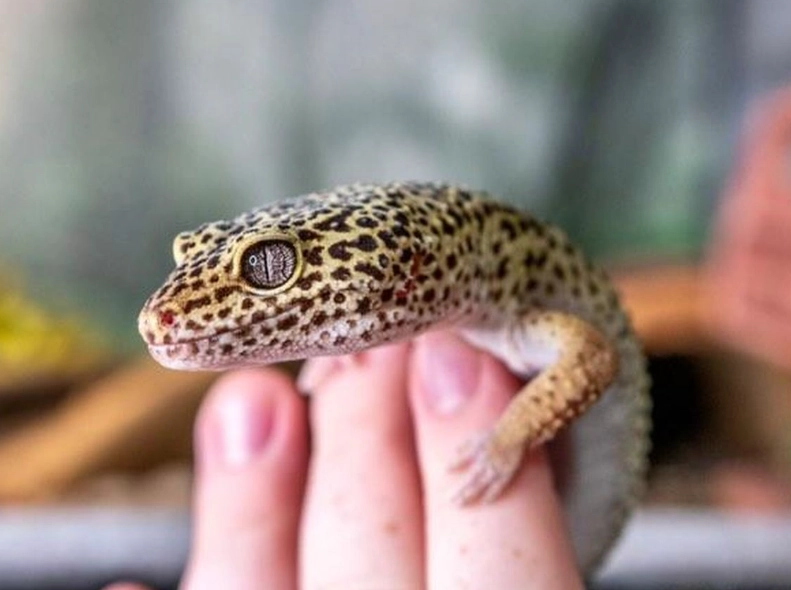
The Top 5 Beginner Reptiles: Your Decision-Making Dashboard
Before we dive deep into each species, here's a snapshot. This table isn't the final word, but it's your starting point for comparison. Pay special attention to "Adult Size" and "Lifespan"—these are long-term commitments people often underestimate.
| Breed | Type | Adult Size | Lifespan | Temperament | Key Care Need | Approx. Startup Cost |
|---|---|---|---|---|---|---|
| Leopard Gecko | Lizard (Terrestrial) | 8-11 inches | 15-20 years | Docile, nocturnal | Under-tank heater, simple hides | $250 - $400 |
| Corn Snake | Snake (Constrictor) | 4-5.5 feet | 15-20 years | Curious, active, gentle | Secure locking lid, climbing branches | $300 - $500 |
| Bearded Dragon | Lizard (Diurnal) | 18-24 inches | 8-12 years | Social, alert, interactive | Strong UVB lighting, varied diet | $400 - $700+ |
| Ball Python | Snake (Constrictor) | 3-5 feet | 20-30 years | Shy, calm, "balls up" when scared | High humidity (60-70%), snug hides | $350 - $600 |
| Crested Gecko | Lizard (Arboreal) | 6-10 inches | 15-20 years | Skittish but handleable, nocturnal | Tall enclosure, misting for humidity | $300 - $450 |
1. Leopard Gecko: The Perfect First Lizard
If I had to pick one reptile to recommend to absolutely anyone, it's the leopard gecko (Eublepharis macularius). Their popularity is earned. They're small, have adorable smiling faces, and their care is incredibly logical. Unlike many lizards, they don't require special UVB lighting if their diet is properly supplemented with calcium and vitamin D3—a huge cost and complexity saver. They thrive on a simple diet of gut-loaded insects like crickets and mealworms.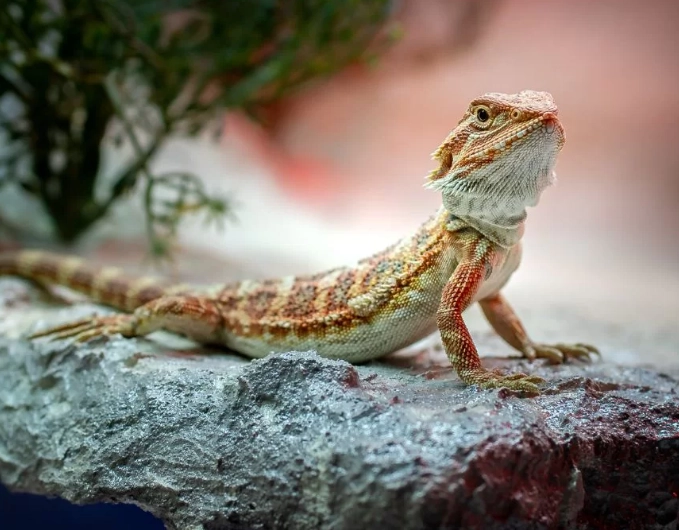
What Makes Them a Top Beginner Breed
Their handling is straightforward. They move slowly and deliberately, rarely jumping. They're also one of the few reptiles that are almost entirely silent. The biggest challenge new owners face? Impaction from loose substrate. I always recommend starting with a simple substrate like paper towel or slate tile. It's boring, but it's safe. Once you're confident in your temperature control (a warm side of 88-90°F, a cool side around 75°F), you can consider other options.
2. Corn Snake: The Gateway Snake
Forget the scary stereotypes. Corn snakes (Pantherophis guttatus) are the golden retrievers of the snake world. They are naturally curious, active during dusk/dawn, and have an incredibly reliable feeding response. This is crucial—many new snake owners panic when their pet refuses food. With a corn snake, that's rare. They readily accept frozen/thawed rodents, which is safer and more humane than live feeding.
Setting Up for Success
Their enclosure needs are simple: a 20-gallon long tank for a juvenile, upgrading to a 40-gallon or larger for an adult. The single most important item is a SECURE, locking lid. These snakes are escape artists. I learned this the hard way when I was 16, spending three frantic days looking for "Noodle" behind the bookshelf. Provide plenty of hides and some branches for climbing. They come in a breathtaking array of color morphs, from classic orange to lavender and snow, but stick with a healthy, well-started animal from a breeder, not a pet store chain.
3. Bearded Dragon: The Interactive Companion
Beardies (Pogona vitticeps) are in a different category. They're not low-maintenance. They require significant daily interaction, a varied diet of insects and fresh greens, and a sizable investment in proper lighting. But what you get in return is a truly interactive pet. They recognize their owners, exhibit distinct personalities (some are lazy, some are hyper), and can be incredibly fun to watch as they patrol their territory or do their comical "arm wave."
The Non-Negotiables of Bearded Dragon Care
You cannot cheap out on two things: UVB lighting and enclosure size. A high-output linear UVB tube (like a T5 HO 10.0 or 12%) is mandatory for their bone health—without it, they will develop Metabolic Bone Disease, a painful and fatal condition. An adult needs a minimum 4x2x2 foot enclosure. Their diet is also work: daily salads of collard, mustard, and dandelion greens, plus regular feedings of insects like dubia roaches. If you're not ready for daily salad prep and cricket runs, choose a different reptile.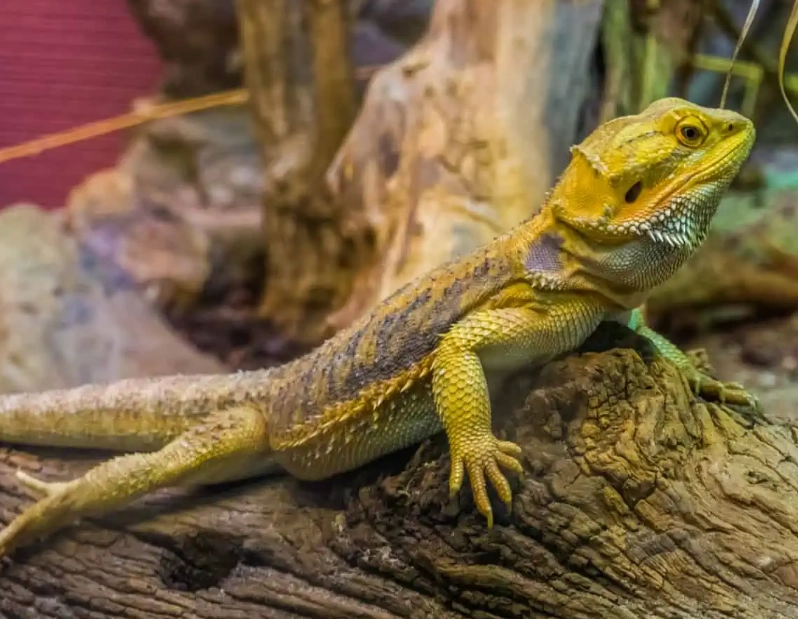
4. Ball Python: The Calm, Long-Term Friend
Ball pythons (Python regius) are famous for their docile nature and tendency to curl into a tight ball when nervous. They are slow-moving, thick-bodied snakes that feel substantial in your hands. Their care is simple in some ways (they eat only once every 1-2 weeks as adults) but tricky in others. They are notorious for being picky eaters, especially during winter months. This is the #1 stressor for new ball python owners.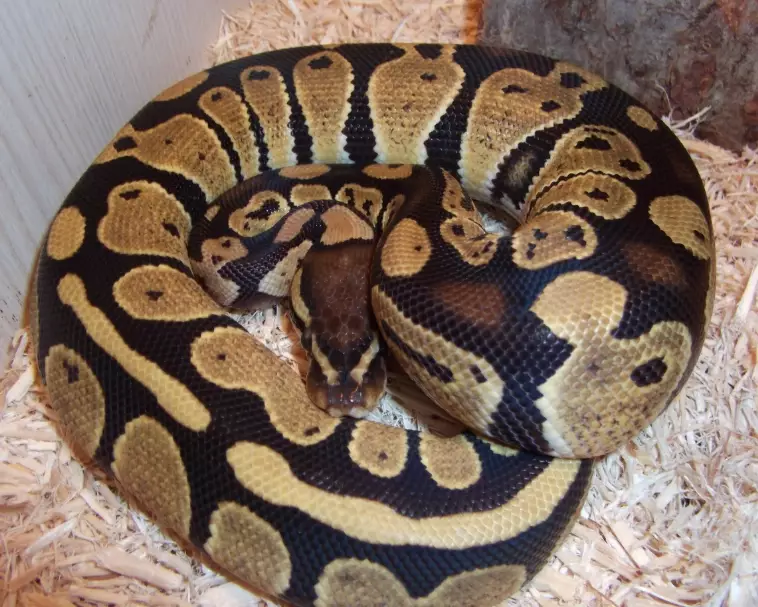
Solving the Feeding Puzzle
The key to a feeding ball python is perfect husbandry, especially humidity and security. They need a humidity level of 60-70%, which is hard to maintain in a screen-top glass tank without modification (covering most of the screen with HVAC tape helps). They also need extremely snug, enclosed hides on both the warm and cool sides. If they feel exposed, they will refuse food. Start with a ball python that is already established on frozen/thawed rats. Be prepared for potential hunger strikes—it's usually not about you, it's about their environment.
5. Crested Gecko: The Low-Maintenance Tropical Gem
Crested geckos (Correlophus ciliatus) revolutionized the hobby. They were thought extinct until rediscovered in 1994. Their biggest selling point? Many can thrive on a complete, powdered diet (like Pangea or Repashy) mixed with water. This eliminates the need for live insects, though offering them as a treat is beneficial. They are arboreal, meaning they live in trees, so they need a tall tank filled with branches and foliage.
Handling and Habitat Specifics
They can be skittish and are known for jumping—a "leap of faith." Handling requires a calm, over-hand approach. Their main care requirement is maintaining humidity. The enclosure needs to be misted heavily once or twice a day to create a humidity spike, then allowed to dry out a bit. This replicates the rainforests of New Caledonia. A common mistake is keeping them too wet all the time, which leads to skin infections. They do well at room temperature (72-78°F), so often no extra heat source is needed if your home is warm enough.
How to Set Up Your First Reptile Habitat (The Right Way)
Buying the animal first is the biggest mistake. Your enclosure should be fully set up and running for at least 48 hours to stabilize temperatures and humidity before you bring your new pet home. Here's a universal checklist, adjusted for your species:
Enclosure: Size appropriate for adult. Glass terrarium or PVC cage (PVC holds heat/humidity better).
Heating: Under-tank heater, ceramic heat emitter, or deep heat projector controlled by a thermostat. A thermostat is non-optional to prevent burns.
Lighting: Species-specific. UVB for beardies, low or none for leopard geckos (with proper supplements), ambient light for others.
Substrate: Paper towel for quarantine/simple care, then switch to species-appropriate substrate (topsoil/sand mix for beardies, coconut fiber for balls, etc.).
Hides & Decor: Minimum two hides (warm & cool), climbing branches, fake/real plants for security.
Water & Humidity: Fresh water bowl always. Hygrometer to measure humidity. Misting system or bottle for tropical species.
Thermometers: One on warm side, one on cool side. Don't rely on the stick-on ones.
Budget at least $300-$500 for this initial setup, excluding the animal. The animal is often the cheapest part.
Your Burning Questions Answered (FAQ)
I'm squeamish about feeding rodents. Which beginner reptile doesn't need them?
Look at the lizards. Leopard geckos and bearded dragons eat insects (crickets, worms, roaches). Crested geckos can live entirely on the prepared fruit-based diets, though insects are a good supplement. If the thought of handling insects is also a problem, a crested gecko on a complete diet powder is your best bet.
What's the one piece of equipment new owners most often buy that is useless or harmful?
Heat rocks. They are notorious for causing severe thermal burns on reptile bellies. They malfunction frequently and create an intense, localized heat spot instead of a proper thermal gradient. A properly regulated under-tank heater or overhead ceramic heat emitter controlled by a thermostat is always safer and more effective.
My child wants a reptile. Which is the most hardy and tolerant of occasional, gentle handling mistakes?
With direct adult supervision, a leopard gecko or a corn snake. Leopard geckos are slow and less likely to bolt. Corn snakes are sturdy and their feeding response, while strong, is very predictable. I would avoid crested geckos (they jump) and ball pythons (they stress easily) for young children. Remember, the adult is ultimately responsible for the animal's welfare.
How much time per day does a beginner reptile actually need?
For daily maintenance: 15-30 minutes. This includes spot-cleaning waste, refreshing water, and checking temperatures. Feeding adds time depending on the diet (prepping a salad for a beardie vs. dropping a frozen mouse for a snake). Handling for socialization is extra and should be done 2-4 times a week for 10-15 minutes, not daily, to avoid stress. The real time commitment is the weekly deep clean of the enclosure.
Where should I actually buy my first reptile?
Avoid large chain pet stores. Their animals are often wild-caught or from mass-breeding mills, leading to stress, parasites, and health issues. Seek out a reputable breeder at a reptile expo or online through communities like MorphMarket. Breeders can provide detailed health history, genetics, and lifelong support. You'll pay more, but you're investing in a healthy animal. Another excellent option is reptile-specific rescues.




Join the Conversation