Quick Navigation
- The Big Picture: What Does "Normal" Aging Look Like vs. a Problem?
- Breaking Down the Symptoms: Where to Look and What It Might Mean
- Connecting the Dots: Common Senior Dog Diseases and Their Symptom Clusters
- What Actually Happens at the Vet? Demystifying the Senior Check-up.
- What You Can Do At Home: Proactive Care for Your Senior Dog
- Answering Your Tough Questions (The FAQ)
- Wrapping It Up: You Are Their Advocate
Watching your dog grow old is a bittersweet thing. You've shared years of walks, couch cuddles, and that look they give you when you're holding a treat. But then one day, you notice they're a bit slower getting up. They might hesitate before jumping into the car. They sleep more deeply, or seem confused sometimes.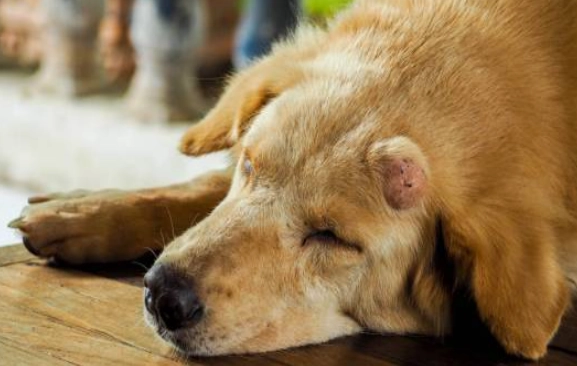
Is it just old age, or is it something more? That's the question that keeps countless dog owners up at night. I remember when my own Lab, Buddy, started missing the bottom step. My heart sank. Was it his eyes? His hips? His brain? Turns out, it was a mix of things, as it often is with senior dogs.
The line between "just getting older" and "having a health problem" can be incredibly blurry.
This guide is here to help you clear that fog. We're going to walk through the most common older dog health problems symptoms, not just listing them, but explaining what they might mean, what you can do at home, and when you absolutely need to pick up the phone and call your vet. My goal isn't to scare you, but to empower you. Knowledge is the best tool you have to ensure your senior dog's golden years are comfortable, happy, and as healthy as possible.
The Big Picture: What Does "Normal" Aging Look Like vs. a Problem?
Let's start here, because this is where most of the anxiety comes from. You see a change and you immediately think the worst. Sometimes, you'd be right to be concerned. Other times, it's just part of the journey.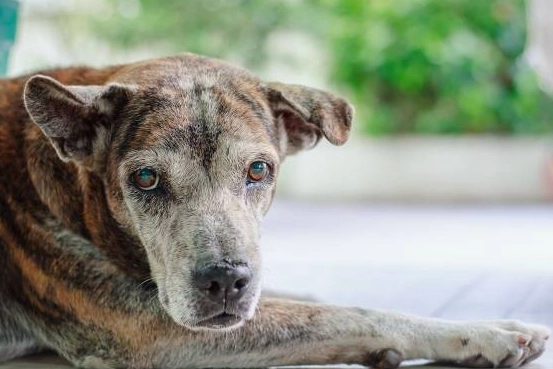
Normal aging might include: a gradual reduction in energy (they still enjoy walks, but maybe shorter ones), a little gray around the muzzle, slightly less sharp hearing or vision, sleeping more soundly, and maybe a small change in weight (gain or loss). These changes happen slowly, over months or years.
The red flags—the symptoms of older dog health problems—are usually more pronounced, appear more suddenly, or are progressive in a way that impacts their quality of life. Think: refusing walks they once loved, pacing and whining at night, drastic weight loss, or accidents in the house after a lifetime of perfect house training.
Your most important job is to be a detective. Observe. Keep mental notes, or better yet, a little journal on your phone. Note changes in appetite, water intake, sleep patterns, mood, and mobility. This information is pure gold for your veterinarian.
Breaking Down the Symptoms: Where to Look and What It Might Mean
It helps to think about symptoms in categories. A problem in one area often connects to another.
Changes in Behavior and Mind (The "Is This Doggy Dementia?" Category)
This one can be the most heartbreaking to witness. Your smart, attentive dog seems... different.
- Confusion or Disorientation: Getting stuck in corners, staring at walls, seeming lost in familiar places like your own backyard. My Buddy once spent 10 minutes staring at the side of the couch he'd slept next to for a decade, as if he'd never seen it before.
- Changes in Sleep-Wake Cycle: Restless, pacing, or whining at night ("sundowning"), but sleeping excessively during the day.
- Decreased Interaction: Less interested in greeting you, less enthusiastic about pets or play, or conversely, becoming unusually clingy and anxious when you're out of sight.
- House Soiling: Forgetting their house training is a classic sign. It's not them being spiteful; they genuinely seem to forget where they're supposed to go.
- Repetitive Behaviors: Pacing, licking, or barking for no apparent reason.
This cluster of symptoms is often indicative of Canine Cognitive Dysfunction (CCD), essentially dementia for dogs. The American Veterinary Medical Association (AVMA) recognizes this as a real medical condition, not just "old age." It's caused by physical changes in the brain. The good news? There are diets, supplements, medications, and environmental strategies that can help manage it and slow its progression.
Changes in Movement and Mobility (The "Why Won't They Jump Anymore?" Category)
Arthritis is the superstar (or more accurately, the villain) in this category, but it's not the only cause.
- Stiffness: Especially after resting. That slow, careful rise from the bed is a textbook sign.
- Limping or Favoring a Limb: It might shift from day to day.
- Reluctance to Move: Avoiding stairs, refusing to jump on/off furniture or into the car. Hesitation on slippery floors is a huge one.
- Difficulty with Posture: Trouble squatting to poop, or an arched back.
- Muscle Loss: You might notice their hips or shoulders look bonier, while their belly seems to sag—this can be a sign of weakness and pain.
Osteoarthritis is incredibly common. The American Animal Hospital Association (AAHA) has excellent guidelines on pain management for senior pets. Don't just chalk it up to age. Pain is not a normal part of aging, and managing it can transform your dog's life. Other issues like neurological problems (e.g., degenerative myelopathy, common in German Shepherds) or even just general weakness from other illnesses can also show up as mobility issues.
Changes in Eating, Drinking, and Bathroom Habits (The "Numbers Don't Lie" Category)
These are some of the most measurable symptoms.
- Increased Thirst and Urination (PU/PD): This is a MAJOR red flag. If the water bowl is emptying faster and you're needing to let them out more, pay attention. This is a primary symptom of several serious conditions like kidney disease, diabetes, and Cushing's disease.
- Decreased Appetite or Picky Eating: Could be dental pain, nausea from kidney issues, or just a decreased sense of smell.
- Weight Loss (Despite Eating): This is a big one. Unexplained weight loss is never normal and can signal metabolic diseases, cancer, or malabsorption issues.
- Weight Gain (With No Diet Change): Could point to hypothyroidism or simply reduced activity.
- Changes in Stool: Chronic diarrhea or constipation. Straining to defecate can also be a sign of prostate issues in male dogs.
I can't stress the water thing enough. Start noticing how often you fill the bowl. A sudden change is one of the clearest signals your dog's body is sending you that something is off.
Lumps, Bumps, and Other Physical Signs
Get hands-on with your old friend. Regular gentle petting is also a check-up.
- New Lumps or Bumps: Not all are cancerous, but all deserve a vet's evaluation. Note its location, size, shape, and whether it's fixed or movable.
- Bad Breath: Really bad, offensive breath isn't just "dog breath." It's often a sign of advanced dental disease, which can lead to bacteria spreading to the heart, liver, and kidneys.
- Coughing, Especially at Night or After Lying Down: A persistent, dry cough can be a sign of heart disease or a collapsing trachea.
- Panting Excessively When Not Hot or Exercised: Can indicate pain, anxiety, heart failure, or Cushing's disease.
- Cloudy or Bluish Eyes: Cataracts or nuclear sclerosis (a normal aging change). A red, painful eye is an emergency.
Connecting the Dots: Common Senior Dog Diseases and Their Symptom Clusters
Symptoms rarely travel alone. They usually come in groups that point to an underlying condition. Here’s a table to help you see the patterns. Remember, this is a guide, not a diagnosis.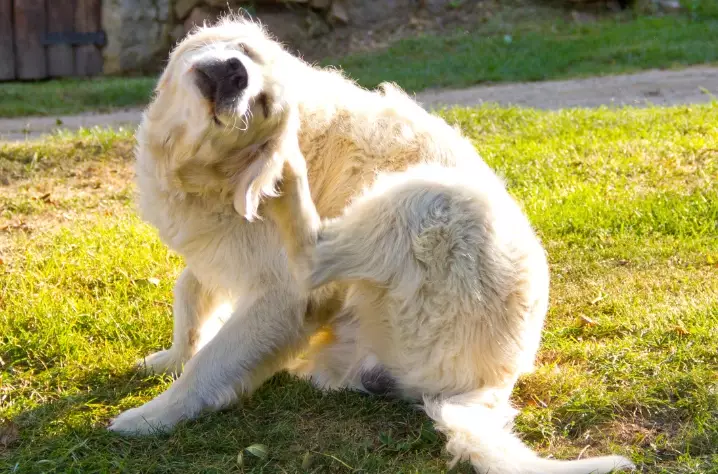
| Health Problem | Key Symptoms (The "What You See") | Possible Other Signs | What's Happening Inside |
|---|---|---|---|
| Osteoarthritis | Stiffness, limping, reluctance to jump/run/use stairs, lagging on walks. | Irritability, licking at joints, muscle loss in legs. | Painful inflammation and breakdown of joint cartilage. |
| Canine Cognitive Dysfunction | Confusion, night waking/restlessness, house soiling, staring at walls. | Decreased interaction, anxiety, repetitive pacing. | Physical degeneration of the brain, similar to Alzheimer's. |
| Chronic Kidney Disease | Increased thirst & urination, decreased appetite, weight loss, bad breath. | Lethargy, vomiting, poor coat quality. | Kidneys are losing their ability to filter waste from blood. |
| Dental Disease | Bad breath, difficulty chewing, dropping food, pawing at mouth. | Reduced appetite, weight loss, nasal discharge. | Painful infection and inflammation of gums/tooth roots. |
| Heart Disease | Coughing (especially at rest), reduced stamina, excessive panting. | Weakness, fainting, swollen abdomen. | Heart is struggling to pump blood efficiently (often mitral valve disease). |
| Diabetes Mellitus | Increased thirst & urination, weight loss despite a ravenous appetite. | Cataracts (sudden), recurrent infections. | Body cannot regulate blood sugar due to lack of insulin. |
| Cancer (Varies by type) | Unexplained weight loss, any new lump, persistent sores, loss of appetite. | Lethargy, bleeding from any orifice, difficulty breathing. | Uncontrolled cell growth forming tumors that disrupt organ function. |
| Cushing's Disease | Excessive thirst/urination, pot-bellied appearance, panting, thin skin. | Hunger, hair loss, recurrent skin infections. | Body produces too much cortisol (a stress hormone). |
See how some symptoms, like increased drinking, pop up for multiple issues? That's why you can't self-diagnose. The vet's job is to do the detective work with tests to find the root cause.
- Sudden collapse or inability to stand.
- Difficulty breathing, extreme panting, or blue/grey gums.
- Non-stop vomiting or diarrhea (especially with blood).
- Seizures.
- Obvious signs of severe pain (crying, trembling, aggressive when touched).
- Suspected poisoning.
What Actually Happens at the Vet? Demystifying the Senior Check-up.
So you've spotted some potential older dog health problems symptoms and made the appointment. What now? A good senior work-up is more than a quick look-over.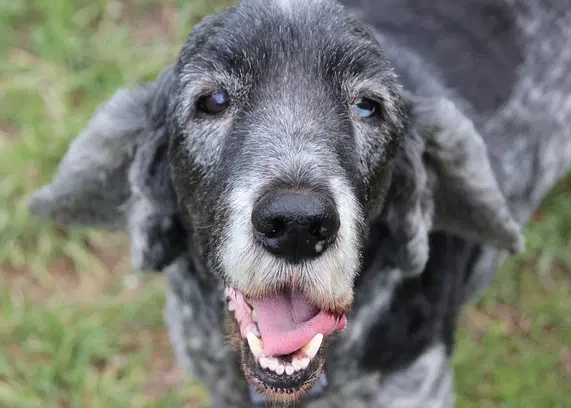
First, your vet will want your story. That journal of symptoms? Break it out. Tell them everything, even stuff that seems minor. "He seems grumpier with the other dog" is data. "She drinks more" is crucial data.
Then comes the physical exam from nose to tail. They'll listen to the heart and lungs (that cough?), palpate the abdomen (any pain or enlarged organs?), check joints for range of motion, look in the eyes and ears, and examine the mouth (the state of the teeth tells a huge story).
The real insight usually comes from diagnostics. For a senior dog, vets often recommend what's called a "senior panel" or "geriatric screen." This typically includes:
- Bloodwork (CBC & Chemistry): Checks organ function (kidneys, liver), blood sugar, protein levels, and red/white blood cell counts. This is how kidney disease, diabetes, and many other issues are caught early.
- Urinalysis: A perfect complement to bloodwork. It checks urine concentration (is it too watery, explaining the thirst?), looks for protein, sugar, and signs of infection.
- Thyroid Test: Especially if weight gain, lethargy, or skin issues are present.
- X-rays (Radiographs): To look for arthritis in joints, check the size/shape of the heart and other organs, and look for masses in the chest or abdomen.
Yes, this can be expensive. I won't sugarcoat it. But catching a problem like early kidney disease through bloodwork, when it can be managed with diet, is infinitely cheaper and kinder than waiting until the dog is in crisis with kidney failure. Think of it as an investment in their comfort and your future peace of mind.
Resources like the Cornell University College of Veterinary Medicine publish extensively on geriatric pet care, emphasizing the value of proactive screening.
What You Can Do At Home: Proactive Care for Your Senior Dog
Vet visits are crucial, but the day-to-day care you provide at home is what truly defines their quality of life.
Diet and Nutrition: Fueling an Older Engine
Senior dogs have different needs. They often need fewer calories (to avoid weight gain on less activity) but higher-quality, easily digestible protein to maintain muscle mass. There are prescription diets for nearly every senior issue: kidney support, joint support, heart health. Talk to your vet. Don't just grab any "senior" bag off the shelf. And keep them at a lean weight—it's the single best thing you can do for arthritis.
Exercise and Environment: Safety and Comfort First
Exercise is still vital, but think "moderate and consistent" rather than long and strenuous. Short, frequent walks are better than one marathon. Adapt their world: get orthopedic foam beds, use ramps or steps for furniture/cars, put down non-slip rugs on slippery floors, raise their food and water bowls to a comfortable height. Keep their mind active too with simple training games or food puzzles (adapted for any vision loss).
Supplements and Medications: Tools, Not Magic Bullets
Glucosamine/chondroitin (like Cosequin) and fish oil are popular for joint health. They can help some dogs, but they're not a substitute for pain medication if your dog is in pain. Never give human pain meds (like ibuprofen or acetaminophen)—they are often toxic to dogs. If your vet prescribes medication for pain, CCD, or another condition, understand it's a long-term commitment to their comfort.
- Brush Their Teeth. I know, it's a pain. But starting even in senior years with wipes or a finger brush can help. Dental pain is a silent killer of appetite and joy.
- Feel for Lumps Weekly. During cuddle time, just run your hands over them. You'll know every bump.
- Monitor Water Intake. Fill the bowl to a certain line and see how long it lasts.
- Keep a Routine. Senior dogs, especially those with cognitive issues, thrive on predictability. Feed, walk, and medicate at the same times every day.
Answering Your Tough Questions (The FAQ)
Assume it's medical first. Rule out urinary tract infections, kidney disease, diabetes, and CCD. Incontinence (dribbling while asleep) is a physical muscle issue. Soiling in the house because they seem "forgetful" points to CCD. Only after a vet gives the all-clear should you consider a behavioral cause (and even then, it's often anxiety-related, which is also medical).
A bit after exercise or on a hot day is normal. Excessive, unexplained panting—especially at rest in a cool room—is not. It's a sign of distress, which could be pain, anxiety, or a serious internal issue like heart failure. Get it checked.
I felt this with Buddy. The cost is daunting. But here's how I framed it: Without tests, we're guessing. We might treat the wrong thing, or miss something treatable until it's a crisis. The tests give a roadmap. Ask your vet to explain what each test is looking for and how the result will change the treatment plan. Sometimes you can prioritize (e.g., do bloodwork first, then x-rays if needed).
This is the hardest question. There's no perfect answer. Many vets recommend evaluating their quality of life using a scale. Look at a few key things: Can they eat and drink on their own? Can they get up to go to the bathroom without falling or crying? Do they still have moments of joy (a favorite treat, a gentle petting session)? Are they in more pain than can be managed? When the bad days consistently outnumber the good days, you are likely acting out of love to prevent suffering. Talk openly with your vet about this. It's their job to help you navigate this decision with compassion.
Wrapping It Up: You Are Their Advocate
Navigating older dog health problems and their symptoms is a journey of love, patience, and vigilance. It's not always easy. There will be frustrating days, scary vet visits, and messy clean-ups.
But you know your dog better than anyone.
You are the one who notices the slight hesitation, the subtle change in the eyes, the small sigh that's different. Trust that instinct. Your observation is the first and most critical step in getting them the care they need.
Don't fall into the trap of dismissing everything as "just old age." Be curious. Be proactive. Work with a vet you trust as a partner. Focus on quality of life—their comfort, their dignity, their ability to enjoy the simple things.
Those golden years can be truly golden. They're a time for slower, sweeter walks, for extra naps in sunbeams, and for the deep, quiet bond that comes from caring for a faithful friend who has spent a lifetime caring for you. By learning the signs and taking action, you're honoring that friendship in the most profound way possible.


Join the Conversation