In This Article
- The Core of the Wild Rabbit Diet: It's All About Fiber
- How the Menu Changes with the Seasons
- Foraging Behavior: How They Find Their Food
- What They DON'T Eat (And Why It Matters)
- Wild Diet vs. Pet Rabbit Diet: The Critical Crossover
- Answering Your Questions About Wild Rabbit Diets
- The Big Picture: Why This All Matters
You see them in fields, at the edge of woods, maybe even in your backyard at dusk – those quick, fluffy shadows munching away. I used to think they just ate grass. Maybe a carrot if they were lucky, like in the cartoons. But after spending an embarrassing amount of time watching them (and reading way too many research papers), I realized their menu is way more complex, seasonal, and frankly, clever than I ever gave them credit for. Understanding what is a rabbits diet in the wild isn't just trivia; it shows how a seemingly simple animal is perfectly tuned to its environment.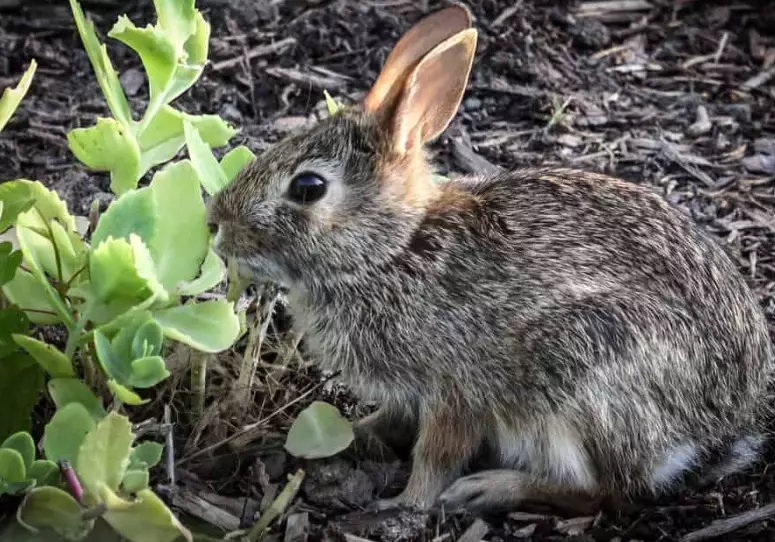
It's a survival blueprint, not a random buffet.
The Core of the Wild Rabbit Diet: It's All About Fiber
Forget the carrots. The absolute cornerstone of a wild rabbit's life is fibrous plant material. Their entire digestive system is a finely tuned fermentation vat designed for one thing: breaking down tough cellulose that most other animals can't touch. This isn't a preference; it's a biological necessity. Their teeth never stop growing, worn down by constant grinding on abrasive greens. Their gut is long and complex, home to specialized bacteria that do the heavy lifting of digestion.
If you take away one thing, let it be this: fiber is non-negotiable. Low fiber means a slow, painful death from gut stasis and dental disease. I've seen the tragic results in pet rabbits fed the wrong diet, which just makes the wild rabbit's natural adaptation even more impressive.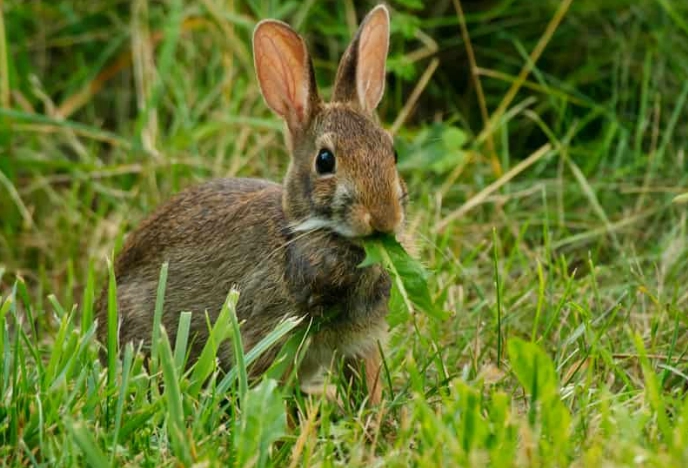
The Main Food Groups on a Wild Rabbit's Plate
Let's break down the categories. Think of it as their food pyramid, but way leafier.
Grasses and Hay: The Daily Bread
This is the bulk filler, the staple that makes up about 70-80% of their intake. We're talking about various meadow grasses, fescues, brome, and timothy. It's low in calories and protein but incredibly high in the long-strand fiber that keeps their gut moving and teeth filed. In winter, when fresh greens vanish, they rely heavily on dried, dead grasses (essentially natural hay) and the bark of young trees and shrubs. It's not gourmet, but it keeps them alive.
Leafy Weeds and Herbs: The Nutrient Powerhouses
This is where the flavor and vital nutrients come from. Wild rabbits are selective foragers, and they have a keen sense for medicinal and nutritious plants. This category is smaller in volume but huge in importance.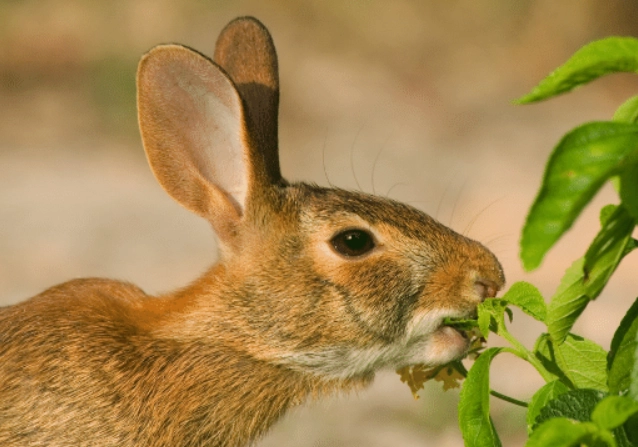
| Common Plant | Part Eaten | Notes & Benefits (Where Known) |
|---|---|---|
| Dandelion | Leaves, flowers, roots | A superfood! High in vitamins A, C, K, calcium, and iron. A favorite. |
| Clover | Leaves and flowers | Good protein source. They seem to prefer white clover. |
| Plantain (the weed, not the fruit) | Leaves | Common in lawns. Believed to have mild anti-inflammatory properties. |
| Chickweed | Whole plant | A tender, moist green often found in early spring and fall. |
| Shepherd's Purse | Leaves | Another common lawn weed that's readily consumed. |
| Brambles (Blackberry/Raspberry) | Leaves, young canes | Leaves are a great astringent. They'll eat the fruit too, but it's rare. |
| Yarrow | Leaves | Often used in herbal medicine. Rabbits seem to know it's good for them. |
You'll notice a pattern – most of these are plants we call weeds and try to kill. Rabbits see a salad bar. I find that pretty funny.
Bark, Twigs, and Buds: The Winter Lifeline
When the ground is frozen and everything is brown, rabbits switch to browsing mode. They'll gnaw on the bark of saplings and young trees like apple, maple, willow, and aspen. Willow bark, in particular, contains salicin (a natural precursor to aspirin), which might help with pain or inflammation. Smart, right? Buds from trees and shrubs provide precious nutrients to get them through to spring.
Fun (and slightly gross) Fact: Rabbits practice coprophagy. They produce two types of droppings: hard, round pellets you see in your yard, and soft, grape-like clusters called cecotropes. They eat the cecotropes directly from their anus to re-ingest vital B vitamins and proteins produced by their gut bacteria during the first pass. It's essential recycling, not waste. So, when you ask what is a rabbits diet in the wild, you have to include this nighttime snack. It's a core part of the process.
How the Menu Changes with the Seasons
This is crucial. A rabbit in July isn't eating the same as a rabbit in January. Their diet is a dynamic, responsive system.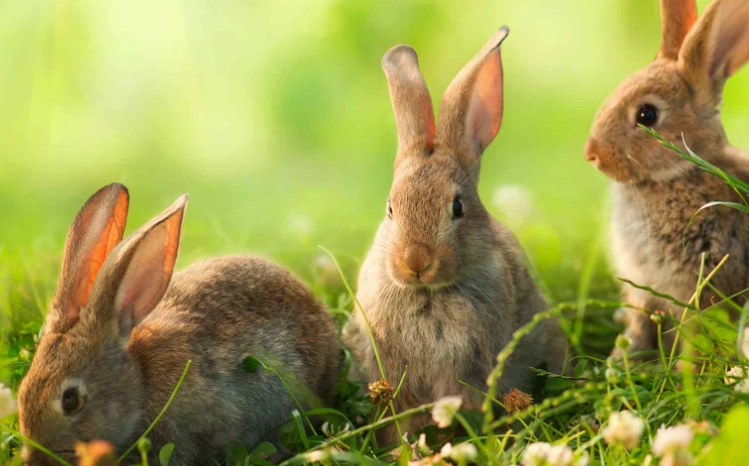
Spring and Summer: The Feast
This is the time of plenty. Tender new grasses sprout, weeds flourish, and everything is lush, moist, and packed with nutrients. Rabbits can be more selective, choosing the most succulent and nutritious parts of plants. This is also when they breed, so the high-quality food supports lactation and rapid kit growth. You'll see them munching on clover heads, dandelion flowers, and young plantain leaves.
Fall and Winter: The Survival Shift
As plants die back and dry out, the diet becomes tougher, literally. Fiber content goes up even higher as moisture and soluble nutrients drop. They scavenge for dried seed heads, persistent weeds, and, as mentioned, turn to bark and buds. Their digestive systems are working overtime to extract every last bit of energy from this low-quality forage. It's a testament to their efficiency.
Winter is brutal. This is when you truly see the resilience built into their feeding strategy.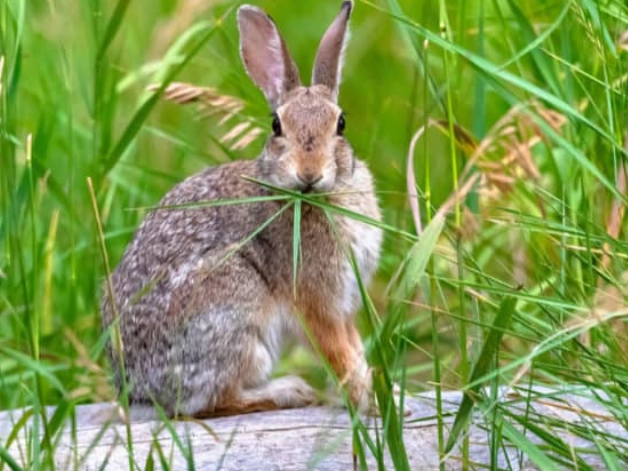
Foraging Behavior: How They Find Their Food
Rabbits aren't random grazers. They have established runways through tall grass and underbrush, leading from their burrows (or forms, for hares) to prime feeding areas. They're crepuscular, meaning most active at dawn and dusk. This minimizes exposure to predators while they're out in the open, focused on eating.
They use their keen sense of smell to identify palatable plants and avoid toxic ones. Their eyes, positioned on the sides of their head, give them a nearly 360-degree view to watch for danger while their head is down. Eating is a high-risk activity, so it's done in quick bursts between vigilant pauses.
Key Adaptation: The Cecum. This large "fermentation chamber" in their digestive tract is the secret weapon. Here, symbiotic bacteria break down cellulose into volatile fatty acids, which the rabbit absorbs as a primary energy source. This process is so central that if it gets disrupted, the rabbit dies. That's why sudden diet changes are catastrophic – they change the delicate bacterial balance.
What They DON'T Eat (And Why It Matters)
This is as important as what they do eat. Wild rabbits are obligate herbivores. Their bodies cannot process meat, dairy, grains, or sugary foods.
- No Carrots (as a staple): The cartoon is a lie. Wild carrots (Queen Anne's Lace) exist, but the root is woody and small. The domestic carrot's root is a starchy, sugary aberration. A wild rabbit might nibble the tops (greens), but digging up a giant orange root? Not happening. Sugar disrupts their gut flora.
- No Lettuce (especially Iceberg): In the wild, they might eat wild lettuces, but the watery, nutrient-poor iceberg lettuce common in stores offers little but water and can cause diarrhea. It's junk food for them.
- No Grains, Bread, or Cereals: These cause rapid fermentation, bloating, and can lead to a deadly condition called enterotoxemia. You'll never see a wild rabbit in a wheat field eating the grain heads; they might eat the young green shoots, but not the processed seed.
- No Meat or Dairy: Their digestive system lacks the enzymes to break down animal protein and lactose.
Feeding these "human treats" to wild or pet rabbits is harmful, not kind. It's a major point of confusion that stems from not understanding their true natural diet.
Wild Diet vs. Pet Rabbit Diet: The Critical Crossover
Understanding what is a rabbits diet in the wild is the single best guide for caring for a pet rabbit. We should mimic the principles, not necessarily the exact plants (which could be sprayed with pesticides).
- Unlimited Grass Hay: This is the non-negotiable equivalent of wild grasses. Timothy, Orchard, or Meadow hay should be available 24/7.
- Fresh Leafy Greens: This replaces the wild weeds and herbs. Romaine, kale, cilantro, parsley, dandelion greens from a clean source, carrot tops.
- Limited Pellets: A high-fiber, timothy-based pellet in small quantities. Think of it as a vitamin supplement, not the main course. Many commercial mixes with seeds and colorful bits are terrible.
- Very Limited Treats: A small piece of fruit (like apple or berry) is like finding a rare wild fruit – a tiny, occasional delight.
The biggest mistake people make is reversing this order, feeding piles of pellets and treats with a tiny bit of hay. That's a recipe for expensive vet bills. The wild blueprint is the health blueprint.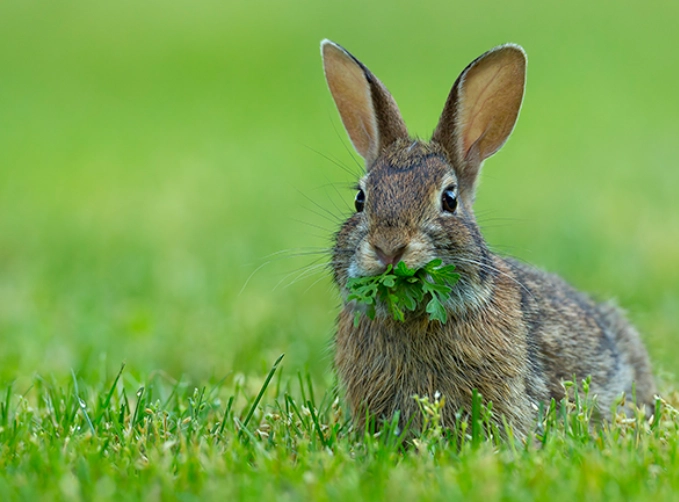
A Personal Gripe: The pet industry still sells so many products that are completely contrary to a rabbit's natural needs. Sugary yogurt drops, seed-and-nut mixes, alfalfa-based diets for adult rabbits... it's frustrating. Knowing what they evolved to eat makes these products look as absurd as selling candy bars for dogs as a complete meal.
Answering Your Questions About Wild Rabbit Diets
Let's tackle some of the specific things people wonder when they search this topic.
Do wild rabbits eat meat?
No. There are extremely rare, anecdotal reports of rabbits scavenging bone for minerals (a behavior called osteophagy), but they are not equipped to hunt, kill, or digest meat. Their teeth are for grinding, not tearing. Their gut flora is for fermenting plants. Any meat consumption would be a desperate, aberrant act, not part of their diet.
How do wild rabbits find water?
They get most of their water from the fresh, moist plants they eat, especially in spring and summer. Dew on grass is another source. They will drink from puddles, streams, or other standing water if available, but they don't need a constant water bowl like a dog. Their water conservation is excellent. In winter, they may eat snow.
What vegetables can wild rabbits eat?
They don't encounter "vegetables" as we farm them. They eat the wild ancestors and relatives. They'd eat the leafy greens of plants (like beet tops, turnip greens) but not the starchy, large roots we've cultivated. A wild rabbit would likely ignore a head of broccoli in a garden but might nibble on the leaves of the plant.
Is it okay to feed wild rabbits?
Generally, no. It makes them dependent, brings them closer to dangers (cars, predators, people), and you can easily give them the wrong food. If you absolutely must in a severe winter, plain grass hay (like Timothy) and fresh water are the safest bets. Never bread, crackers, or cereal. The best thing you can do is plant rabbit-friendly native plants and leave a wild, unmanicured section of your yard for them to forage naturally.
For more detailed information on native flora and fauna that support wildlife like rabbits, resources like the USDA Forest Service's Wildflower site or your local university extension service (e.g., University of Minnesota Extension Wildlife page) are invaluable for region-specific guidance.
The Big Picture: Why This All Matters
Peeling back the layers on what is a rabbits diet in the wild reveals an animal of remarkable specialization. Every aspect of their biology, from their ever-growing teeth to their complex, dual-poop digestive system, is an adaptation to extract life from fibrous plants. Their seasonal shifts in foraging show an intimate connection with their ecosystem.
It's not a simple list of plants. It's a story of co-evolution, survival, and efficiency. For the wildlife enthusiast, it deepens appreciation. For the pet owner, it's an essential care manual written by nature itself. When you see that rabbit in your yard, you're not just seeing a cute animal eating grass. You're seeing a master forager, a seasonal gourmet, and a survivalist whose menu is written in the very landscape around it.
And honestly, I think that's way cooler than just a carrot-muncher.
If you're interested in the specific biology behind their digestion, the Animal Diversity Web entry for the European Rabbit (the ancestor of most domestic rabbits) from the University of Michigan Museum of Zoology provides excellent, peer-reviewed details on their physiology and natural history.
Join the Conversation