Quick Navigation
- What Makes a Snake "Beginner-Friendly" and "Small" Anyway?
- The Top 5 Contenders: Best Snakes for Beginners That Stay Small
- Side-by-Side Comparison: Which Small Beginner Snake is Right for You?
- The Non-Negotiables: Care Basics for Any Small Beginner Snake
- Answering Your Burning Questions (FAQs)
- A Final, Honest Thought Before You Buy
So you're thinking about getting a snake. A smart move, honestly. They're quiet, clean, and fascinating to watch. But the idea of a massive python coiling around your arm or needing a room-sized enclosure is a bit much, right? I get it. That's why the search for the best snakes for beginners that stay small is where most sensible people start—and it's exactly where you should start too.
Let's cut through the noise. You don't need a "showstopper" snake as your first. You need a forgiving, manageable, and hardy companion that won't outgrow a standard tank or make you nervous every time you need to clean its home. This isn't about finding the "coolest" snake; it's about finding a compatible pet that sets you both up for success. I've seen too many folks jump in with the wrong species, get overwhelmed, and the animal suffers. We're not doing that here.
What Makes a Snake "Beginner-Friendly" and "Small" Anyway?
Before we dive into the list, let's define our terms. A "beginner-friendly" snake isn't just about size. It's a package deal of temperament, hardiness, and straightforward care requirements.
- Temperament: Generally calm, not prone to biting, and tolerates handling well. Nerves of steel are not a prerequisite for owning one.
- Hardiness: Can tolerate minor fluctuations in temperature or humidity without immediately getting sick. Beginners make mistakes; a robust snake is more forgiving.
- Feeding Response: Readily accepts pre-killed or frozen-thawed rodents. You don't want to be battling a hunger strike for weeks on end with your first pet.
- Availability & Cost: Commonly bred in captivity (CB), which means healthier animals and less impact on wild populations. They should also be affordable to purchase and maintain.
And "stays small"? For our purposes, we're talking about species where a full-grown adult typically stays under 5 feet (1.5 meters) in length, and often well under that. Many of the best snakes for beginners that stay small max out around the 3-4 foot mark, which is a perfectly manageable size.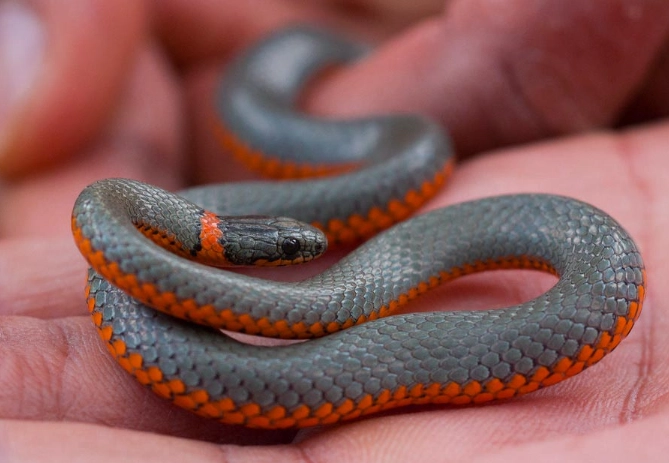
A quick, honest aside: even a 4-foot snake can seem surprisingly substantial when it's moving in your hands. But compared to a 6+ foot boa or python, it's a world of difference in space, food, and, frankly, the "wow" factor for visitors who might be squeamish.
The Top 5 Contenders: Best Snakes for Beginners That Stay Small
Based on years of talking to breeders, veterinarians, and countless first-time owners (and my own stumbles), here's my ranked list. This isn't just regurgitated from a textbook; it's the lived reality of what works for newcomers.
1. The Corn Snake (Pantherophis guttatus)
The textbook perfect starter snake, and for rock-solid reasons. Corn snakes are the golden retrievers of the snake world—good-natured, curious, and adaptable. They rarely refuse a meal, come in a dizzying array of beautiful color morphs (from classic orange to lavender and snow), and their care is almost laughably simple.
Size: They typically hit 3 to 5 feet, with most settling around 4 feet. Females tend to be bulkier, males a bit longer and slender. Even at full size, they feel delicate and agile in your hands.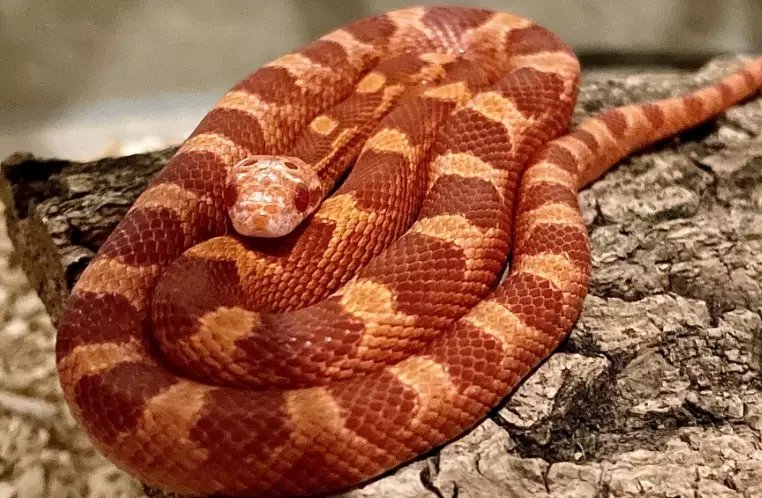
The Not-So-Good: They are escape artists par excellence. A secured lid is non-negotiable. Also, they can be a bit zippy and excitable as juveniles (they calm down with age).
2. The Kenyan Sand Boa (Gongylophis colubrinus)
If you want a snake that embodies "low maintenance," look no further. These are the compact, burrowing champions of the small snake world. With their stout, cylindrical bodies, tiny eyes, and a perpetually goofy smile, they have massive personality in a small package. They spend 90% of their time buried in their substrate, which some find boring, but I find it charming—they're like little living room decorations that occasionally pop up to say hello.
Size: This is a true dwarf boa. Males are especially tiny, maxing out at a mere 15-20 inches. Females are larger, reaching 2 to 2.5 feet, but they are very stocky, not long and lanky. This makes them one of the absolute best snakes for beginners that stay genuinely small.
Care Quirk: They are ambush predators. Don't expect to see them cruising around. You'll often just see a nose or a pair of eyes poking out of the aspen shavings. Feeding is easy—just dangle the prey near their hide and they'll strike. Their housing needs are minimal: a 10-20 gallon tank for a female, even smaller for a male, with a deep layer of substrate for burrowing and a warm spot.
3. The Western Hognose Snake (Heterodon nasicus)
The Drama King/Queen.
Hognoses have personality in spades. They're known for their theatrical defensive displays: they flatten their necks like a cobra (bluffing), hiss loudly, and may even pretend to strike with a closed mouth. If that fails, they'll sometimes roll over and play dead, complete with tongue lolling out. It's all an act, and once you get past the drama, they are typically very mild-mannered. Their upturned snout, used for digging in the wild, gives them an adorable, pig-like appearance.
Size: Another reliably small species. Males are smaller, around 1.5 feet. Females can reach 2-3 feet. They are thick-bodied for their length.
4. The Rosy Boa (Lichanura trivirgata)
For someone who wants something a step more substantial than a corn snake but without the giant size, the rosy boa is a dream. They are slow-moving, incredibly docile, and have a beautiful, silky feel to their scales. Unlike the active corn snake, a rosy boa is more likely to curl up in your lap and just hang out. They are a study in calm.
Size: They generally range from 2 to 4 feet, with most ending up around 3 feet. Their growth is slow and steady.
Why they're great for beginners: Their calm demeanor makes them fantastic for handling. They are excellent feeders and have very straightforward care requirements similar to corn snakes, needing a thermal gradient and a hide. They come in lovely, distinct localized color patterns (three stripes down the back is common). My only minor gripe? They can be a bit harder to find at your average pet store than corn snakes, but they're readily available from specialty breeders online.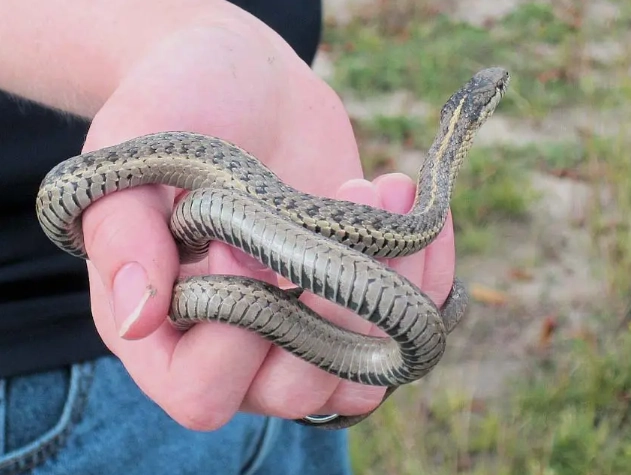
5. The Children's Python (Antaresia childreni)
Don't let the name fool you—it's not just for kids! Named after scientist John George Children, this small Australian python is a gem. It's one of the smallest pythons in the world, making the "stays small" promise a reality. They are curious, gentle, and have simple needs.
Size: They typically reach 3 to 4 feet in length, with a sturdy, muscular build.
Care Tips: As pythons, they have heat-sensing pits, which is a cool feature for a beginner snake. They do well in a standard tank setup. One thing I appreciate about them is their feeding response; they are usually very reliable. A resource like Reptiles Magazine's care sheet can give you the deep dive on their specifics. They are a bit more of a "niche" choice than a corn snake, but for the right person, they are a perfect, manageable python experience.
Side-by-Side Comparison: Which Small Beginner Snake is Right for You?
Let's make this decision easier. Here’s a breakdown of our top 5 in a quick-glance table.
| Snake Species | Adult Size | Temperament | Feeding Ease | Activity Level | Ideal For... |
|---|---|---|---|---|---|
| Corn Snake | 3-5 ft | Docile, Curious | Excellent | Moderate (Crepuscular) | The classic first-timer who wants a visible, active, and easy pet. |
| Kenyan Sand Boa | 1.5-2.5 ft | Calm, Burrower | Excellent | Low (Fossorial) | Someone with limited space who wants a truly small, low-maintenance snake. |
| Western Hognose | 1.5-3 ft | Dramatic, Then Docile | Good (Can be Picky) | Moderate | The owner who values unique personality and doesn't mind some initial bluster. |
| Rosy Boa | 2-4 ft | Exceptionally Docile | Excellent | Low | Someone who prioritizes calm, steady handling sessions and a "lap snake" feel. |
| Children's Python | 3-4 ft | Gentle, Curious | Excellent | Moderate (Nocturnal) | The beginner intrigued by pythons but wary of large species; a great "first python." |
The Non-Negotiables: Care Basics for Any Small Beginner Snake
Choosing the snake is half the battle. The other half is nailing the setup. Skimp here, and even the hardiest corn snake will have problems. This isn't a place to cut corners.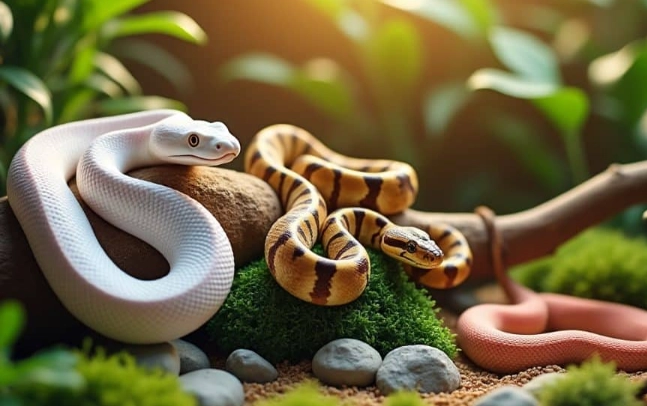
Housing: The Enclosure
A 20-gallon long tank is a great starting point for most of these species, though a Kenyan Sand Boa can start smaller. The key is security—a locking, escape-proof lid is mandatory. Ventilation is also important. For the more arid species (sand boa, rosy boa), a glass tank with a screen top works if you manage humidity. Many keepers now prefer front-opening PVC enclosures, which better hold heat and humidity for tropical species and prevent escapes.
Heat & Light: Creating a Gradient
Snakes are ectothermic. They need you to create a temperature gradient in their tank. One end (the "warm side") should have a heat source under a hide, reaching species-specific temps (usually 85-90°F on the surface). The other end ("cool side") should be around 75-80°F. This lets the snake thermoregulate. Use a thermostat with any heat mat or bulb! This is non-negotiable to prevent burns. Overhead heating like a Ceramic Heat Emitter (CHE) or Deep Heat Projector often mimics the sun better than an under-tank mat alone.
Humidity & Hides
Even desert snakes need some humidity, often provided via a humid hide (a box with damp moss) for shedding. Tropical species need higher ambient humidity. Two hides are the bare minimum—one on the warm end, one on the cool end. They should be snug, making the snake feel secure on all sides. Add some clutter (fake plants, branches) to make them feel safe moving between hides.
Substrate & Cleaning
Choose a substrate that matches your snake's natural habitat and is safe. Aspen shavings are great for many temperate/arid species (corn, hognose, sand boa) as they allow burrowing and don't hold excess moisture. Spot clean waste daily and do a full substrate change and enclosure disinfectant monthly.
Answering Your Burning Questions (FAQs)
A Final, Honest Thought Before You Buy
Finding the best snakes for beginners that stay small is about matching an animal's needs with your lifestyle and commitment. These are all long-lived animals (15-25 years is common). It's a commitment.
Visit a reptile expo if you can. See the animals in person. Talk to the breeders. Hold a corn snake. Peek at a sand boa. You'll know which one feels right.
Do your homework, set up the enclosure perfectly before the snake comes home, and buy from a reputable breeder of captive-bred animals. Avoid pet stores that can't tell you the snake's origin or hatch date.
Starting with one of these best snakes for beginners that stay small is the wisest path into the hobby. It builds your skills, your confidence, and provides a wonderful pet for years to come. Good luck, and welcome to the fascinating world of snake keeping.

Join the Conversation