Getting the heat right is the single most important thing you'll do for your reptile's health. A proper DIY reptile heating setup isn't just about plugging in a bulb; it's about replicating a slice of their natural world inside a glass or wood box. I've seen too many well-meaning owners make simple mistakes that lead to lethargic pets, poor digestion, or worse. This guide cuts through the confusion. We'll walk through choosing equipment, installing it safely, and dialing in those perfect temperatures, all without breaking the bank.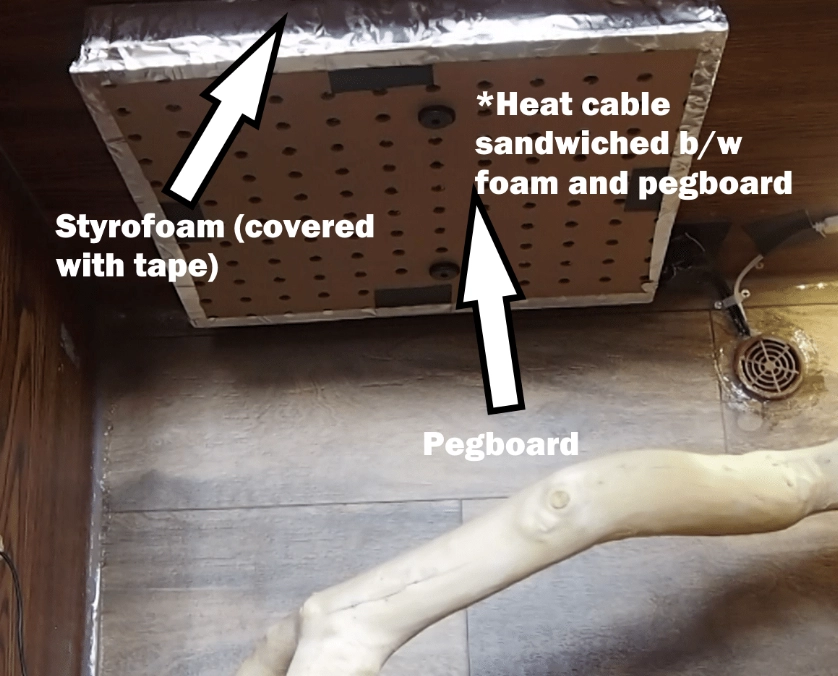
What's in This Guide?
The Heat Source Showdown: Picking Your Weapon
Walk into a pet store and the options are overwhelming. Each heat source serves a different purpose. The biggest error? Using just one. Most reptiles need a temperature gradient—a warm end and a cool end—to regulate their body temperature. Your setup should create that.
Overhead Heating: Lamps and Ceramic Emitters
These mimic the sun. They warm the air and surfaces below, creating a more natural basking spot.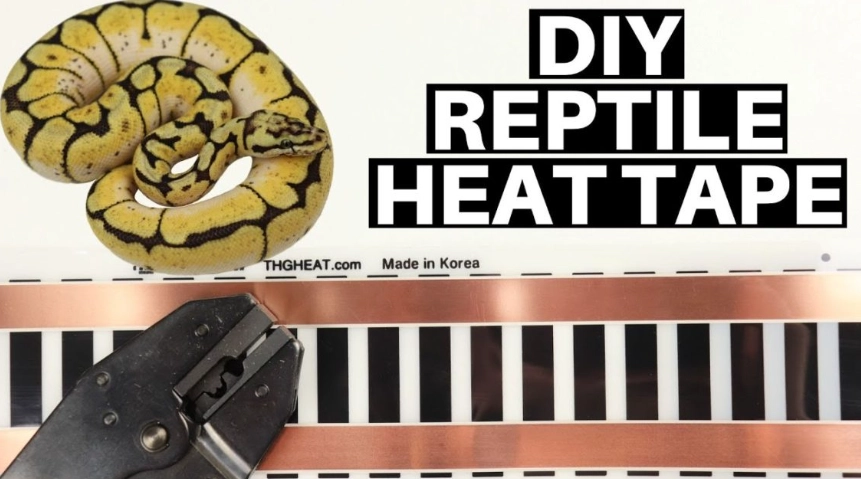
| Type | Best For | What It Does | Key Consideration |
|---|---|---|---|
| Halogen/Basking Spot Lamp | Day-active reptiles (Bearded dragons, uromastyx) | Must be used on a thermostat. Needs a day/night cycle (turn it off at night). | |
| Ceramic Heat Emitter (CHE) | Night-time heat, 24/7 ambient heat for tropical species, or species that don't need light. | Emits pure infrared heat, no light. Perfect for maintaining nighttime temps. | Gets extremely hot. Use a guard cage to prevent direct contact burns. |
| Deep Heat Projector (DHP) | Species needing deep tissue penetration (snakes, larger lizards). A more modern alternative. | Emits infrared-A & B, mimicking the sun's heat more closely than a CHE. | More expensive, but many keepers swear by them for animal activity levels. |
Under-Tank Heating: Heat Mats and Panels
These provide belly heat, which is crucial for digestion in many species, especially snakes. They warm the substrate and objects directly above them.
A friend of mine learned this the hard way. He stuck a heat mat directly to the glass bottom of his ball python's tank, thinking more contact meant more heat. The mat overheated in one spot because it couldn't dissipate heat properly, cracking the glass and creating a dangerous hot spot. The snake was okay, but it was a close call.
The correct way? If you're using a glass tank, attach the mat to the outside bottom or side. For plastic or wood enclosures, follow the manufacturer's instructions, but always, always use a thermostat probe between the mat and the enclosure floor to monitor the surface temperature your reptile feels.
The Non-Negotiable: Why a Thermostat Isn't Optional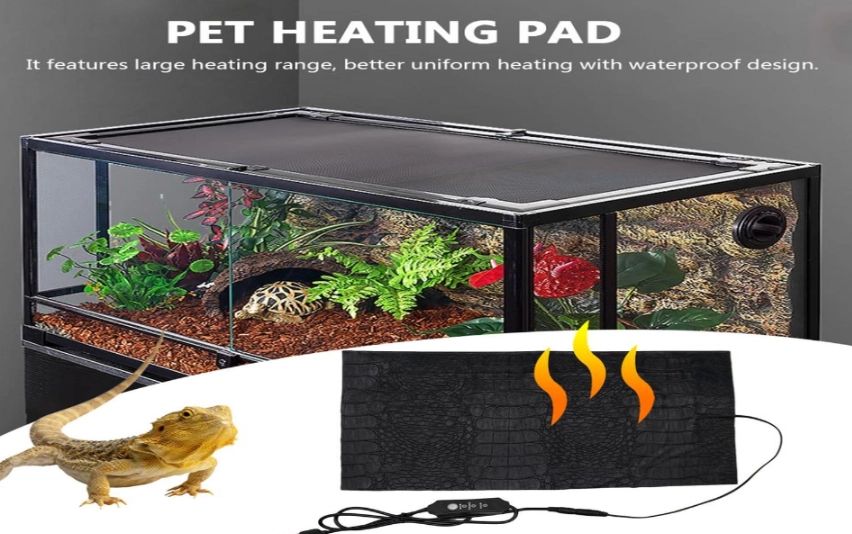
This is the hill I will die on. A thermostat is not a "nice-to-have" for a DIY reptile heating setup; it's the brain of the entire operation. Plugging a heat mat or lamp directly into the wall is like driving a car with no brakes.
Thermostats come in a few flavors:
- On/Off Thermostat: The basic model. It turns the heater fully on until the target temp is hit, then off. It's fine for heat mats but can cause noticeable temperature swings with lamps.
- Pulse Proportional Thermostat: Designed for ceramic heat emitters. It sends short pulses of power to maintain heat. Smoother than on/off.
- Dimming Thermostat: The gold standard for lamps. It physically dims the bulb up and down to maintain a perfectly steady temperature, extending bulb life and creating a more stable environment.
Set the thermostat probe where your reptile will be. For a basking spot, secure the probe with a suction cup or clip a few inches below the lamp, right where your dragon's back will be. Don't let it dangle or sit on the substrate.
Step-by-Step: Installing Your DIY Heating Setup
Let's put it all together with a common scenario: setting up a 40-gallon breeder tank for a bearded dragon.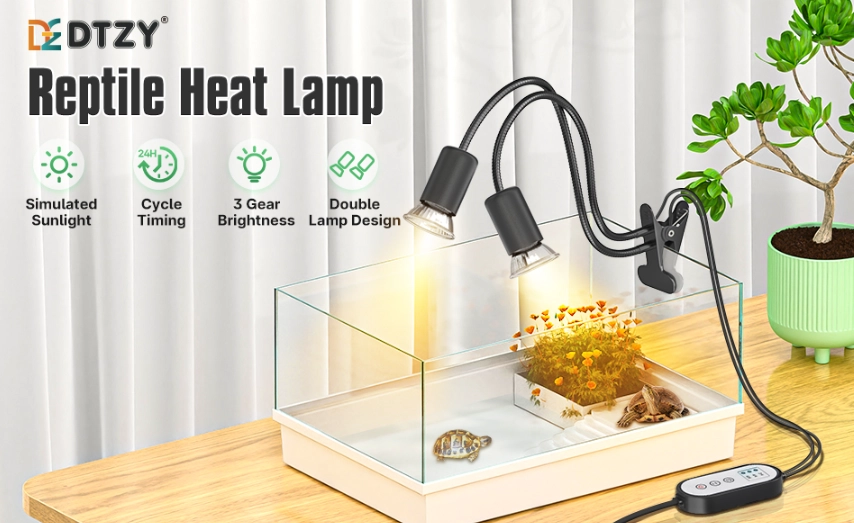
1. Planning Your Heat Zones
You need a basking zone of 100-110°F (38-43°C) on one end and a cool zone of 75-80°F (24-27°C) on the other. The basking spot should be a rock or branch placed 8-12 inches below your heat lamp.
2. Mounting the Hardware
Get a sturdy lamp stand or clamp that sits securely outside the tank's screen top. For a 40-gallon, a 75-100 watt halogen basking lamp is a good start. Point it directly at the basking rock. If you need supplemental nighttime heat (if your house drops below 65°F), install a ceramic heat emitter on the warm side as well, on its own thermostat set to maybe 70°F.
3. Wiring and Safety
Plug the basking lamp into the dimming thermostat. Plug the thermostat into the wall. Use a grounded outlet. Run cords neatly using clips or conduits to prevent pets from tugging on them. I always use a surge protector power strip for all my reptile electronics—it's cheap insurance.
4. Testing Before Your Reptile Moves In
Run the setup for at least 24-48 hours. Use a digital thermometer with a probe (not the cheap stick-on dials) to check the basking surface temperature. Use a second thermometer for the cool side. Adjust the thermostat setting and lamp height until you hit your targets. This patience prevents stress later.
The Top 3 DIY Heating Mistakes (And How to Fix Them)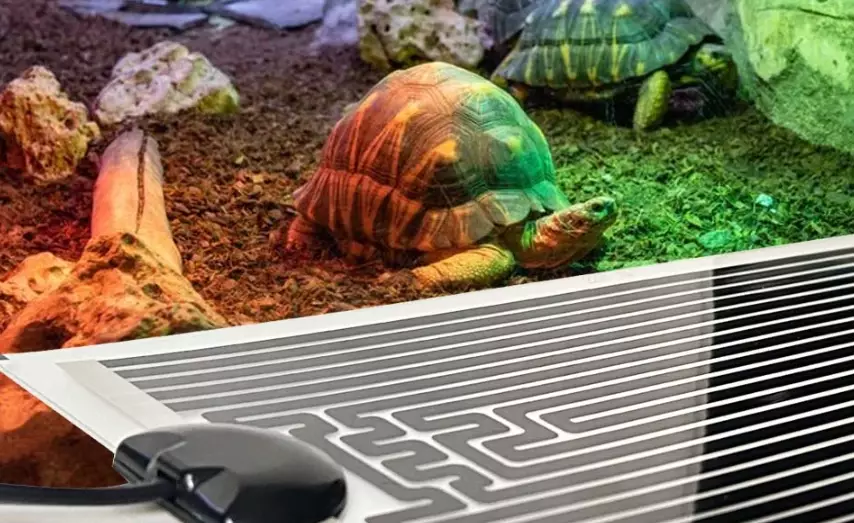
1. Relying on a Single Thermometer in the Middle of the Tank.
This tells you nothing about the gradient. You need at least two readings: one at the hottest point of the basking spot, one in the coolest corner. I use a handheld infrared temp gun for spot-checking surfaces. They're under $30 and invaluable.
2. Using a "Red Bulb" for Night Heat.
The old advice was that reptiles can't see red light. We now know many can. That constant red glow disrupts their day/night cycle and can cause stress. For nighttime heat, switch to a lightless source like a Ceramic Heat Emitter or a Deep Heat Projector.
3. Assuming the Thermostat Dial is the Actual Temperature.
The dial on a $25 thermostat is a suggestion, not a gospel truth. You set it to 95°F, but the actual basking spot might be 105°F. You must verify with your independent thermometer and temp gun, then adjust the dial accordingly. The dial's number becomes irrelevant; the actual measured temperature is king.
Keeping It Running: Maintenance & Monitoring
Your DIY system needs a quick check daily and a deeper look monthly.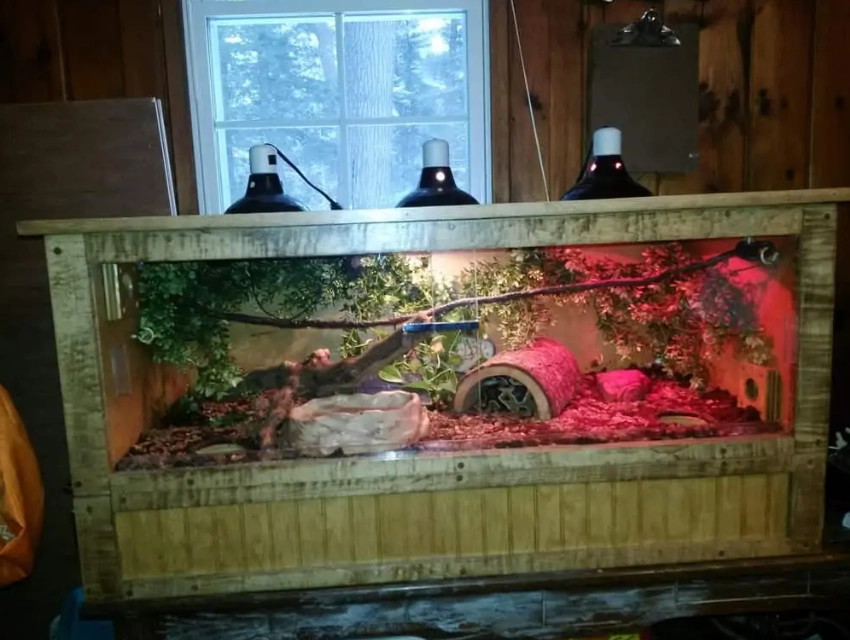
Daily: Glance at the thermometers. Is the lamp on? Touch-test the enclosure near heaters. Look for any chewed cords (if you have mammals roaming free).
Monthly: Unplug everything. Dust off bulbs and ceramic emitters (cooled down, please). Check for cracks in bulbs or damage to heat mats. Ensure thermostat probes are still securely placed. Wipe down power strips. This 10-minute routine prevents 90% of failures.
Heat bulbs, especially halogens, lose their intensity over time. Even if they haven't blown, replace basking bulbs every 6-9 months to ensure proper heat output.
Your DIY Heating Questions, Answered
My heat mat doesn't feel very warm to the touch, even on the thermostat. Is it broken?
Can I use a human heating pad or a human lamp dimmer for my reptile?
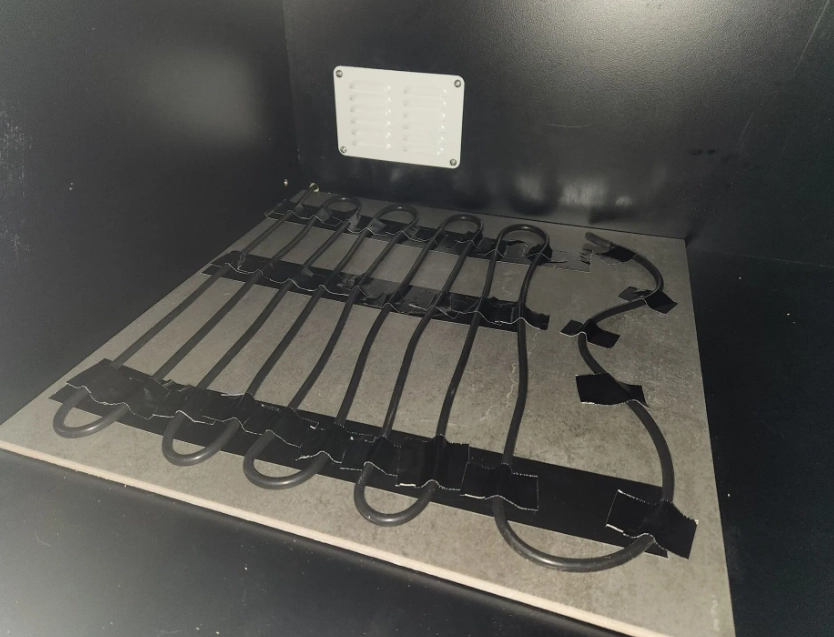 How do I heat a large PVC or wood enclosure DIY-style?
My room gets cold in winter. My thermostat is maxed out but can't hit the right temperature.
Building your own reptile heating setup is deeply satisfying. It lets you tailor the environment precisely to your pet's needs. Start with the right parts—a quality heat source, a reliable thermostat, and accurate thermometers. Take your time with the installation and testing. Observe your reptile. A happy, active animal that moves between its warm and cool zones is the ultimate sign you've built it right.



Join the Conversation