Your Quick Guide
- Why Bother with FFF? It's More Than Just Looks
- Breaking Down the Three F's: A Closer Look
- Which Dog Breeds Have FFF? (It's Not Just a Fancy Terrier Thing)
- The Step-by-Step Guide: How to Groom and Maintain FFF
- Common FFF Grooming Mistakes (And How to Avoid Them)
- FFF in the Show Ring vs. The Pet Home
- Frequently Asked Questions About FFF
- Final Thoughts: Embracing the FFF
If you've ever found yourself scratching your head, asking "What does FFF mean in dog grooming?", you're definitely not alone. I remember the first time I heard the term tossed around in a grooming salon. I was new, holding a pair of shears, and trying to look like I knew what I was doing. Someone said, "Don't forget the FFF on that Cocker Spaniel," and I just nodded, hoping no one would ask me to elaborate. Spoiler alert: they did. And I fumbled.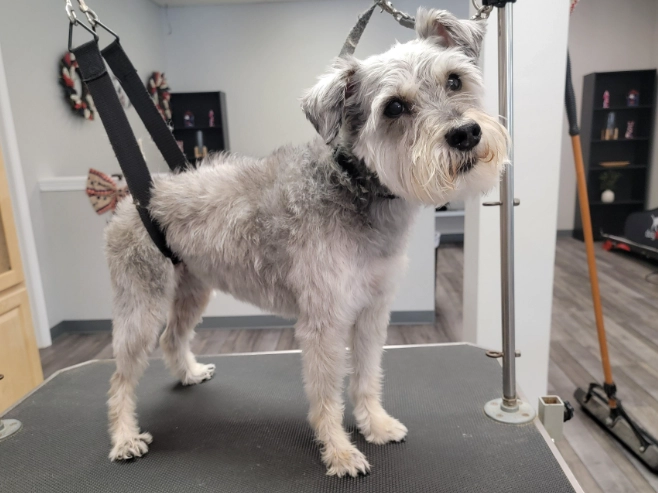
Let's be real. Grooming a dog isn't just about making them look cute (though that's a great bonus). It's about health, comfort, and respecting the unique blueprint of each breed. That's where understanding terms like FFF becomes non-negotiable. So, let's break it down in plain English, without the jargon overload.
Think of it as the dog's natural adornment. It's the flowing skirt on a Yorkshire Terrier's belly, the elegant plumes on the back of a Setter's legs, and the glorious beard on a Schnauzer's face. This hair isn't just for show—it served practical purposes for many working breeds, like protection from brambles or water. Today, maintaining proper FFF is a cornerstone of correct breed presentation and overall coat health.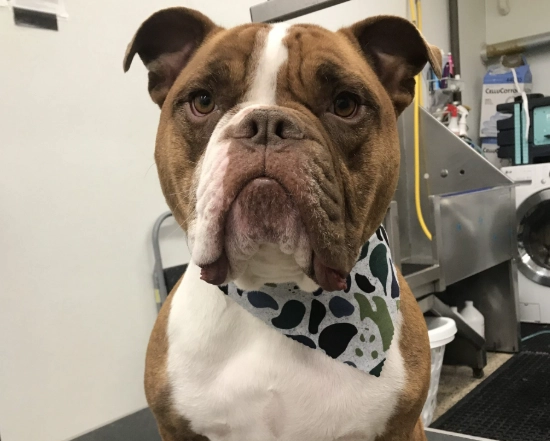
Why Bother with FFF? It's More Than Just Looks
You might wonder why groomers make such a big deal about it. I used to think it was just fancy show-dog stuff, until I saw the problems that come from ignoring it. Matted furnishings are a nightmare—painful for the dog, frustrating for the owner, and a time-consuming chore for the groomer.
Properly cared-for FFF does a few critical things:
- Prevents Matting: This long, fine hair is a magnet for tangles. Regular, correct brushing and combing through the furnishings stops mats from forming close to the skin, which can pull and cause sores.
- Defines Breed Type: For many breeds, their furnishings are a key part of their silhouette. A trimmed-down Irish Water Spaniel loses its distinctive look. Maintaining the FFF preserves what makes that breed visually unique.
- Protects the Skin: On legs and underbellies, longer feathering can help deflect dirt, moisture, and minor irritants.
- Ensures Comfort: A mat-free coat is a comfortable coat. It allows for proper air circulation and doesn't restrict movement.
Ignoring the question of "what does FFF mean in dog grooming" and just clipping everything short might seem easier, but it can actually lead to coat texture changes over time and doesn't address the specific needs of these hair types.
Breaking Down the Three F's: A Closer Look
Okay, so we know FFF is important. But what does each "F" actually refer to? Here’s the detailed breakdown that most quick guides skip.
Furnishings (The First F)
This refers to the longer, often wiry or soft hair on specific areas of the head and body. It's not the dog's primary topcoat or undercoat. It's the decorative stuff. Key areas include:
- Beard and Eyebrows (Furnishings): Think Schnauzers, Scottish Terriers, Wire Fox Terriers. That distinctive facial hair isn't an accident.
- Legs and Skirt (Furnishings): The longer hair on the legs and the apron of hair hanging from the belly on breeds like the Yorkshire Terrier, Shih Tzu, and many terriers.
This hair often grows continuously, unlike the body coat which may have a growth cycle. That means it requires consistent care.
Feathering (The Middle F)
Feathering is a specific type of longer hair. It's usually softer and silkier than furnishings, and it grows in distinct fringes or "feathers." You'll find it most prominently:
- On the Backs of Legs: The classic "pants" or "culottes" on breeds like Cockers, Springers, and Setters.
- On the Ears: The long, silky strands hanging from the ears of a Cavalier King Charles Spaniel or a Setter.
- On the Tail: The plume on a Golden Retriever or Setter's tail.
Feathering is beautiful but notoriously good at collecting burrs, seeds, and moisture. It tangles if you just look at it wrong.
Furnishings (The Last F)
Yes, it's the same word again. This repetition in the acronym is what causes confusion. In practice, when a groomer says "FFF," they are generally referring to the entire package of this specialized decorative hair—the furnishings on the body/face and the feathering on the legs/ears/tail. It's a shorthand for all of it.
So, when you're searching for "what does FFF mean in dog grooming," you're really asking about the care and maintenance of all these distinct but related coat features.
Which Dog Breeds Have FFF? (It's Not Just a Fancy Terrier Thing)
This is where a table helps visualize it. A lot of articles list breeds, but seeing the specific FFF features side-by-side clarifies why the technique matters for each one.
| Breed Group | Example Breeds | Primary FFF Locations | Coat Texture Notes |
|---|---|---|---|
| Terriers | Scottish, Cairn, West Highland White, Wire Fox Terrier, Airedale | Beard, eyebrows, legs, skirt (belly). | Typically wiry, harsh furnishings. Requires hand-stripping for show rings, but often clipped for pets. |
| Spaniels & Setters | Cocker Spaniel, English Springer Spaniel, Irish Setter, Gordon Setter | Ears, backs of legs (feathering), chest, belly, tail plume. | Silky, soft feathering that mats easily. Requires daily combing. |
| Companion/Toy Breeds | Shih Tzu, Lhasa Apso, Yorkshire Terrier, Maltese | Full body skirt, leg hair, facial hair (beard/mustache). | Long, fine, silky hair that grows continuously. High-maintenance FFF. |
| Herding Breeds | Old English Sheepdog, Bearded Collie, Briard | Profuse facial furnishings (beard), heavy leg feathering, overall long coat. | Dense, often double-coated with long furnishings. Prone to felting if not maintained. |
| Utility Breeds | Schnauzer (Miniature, Standard, Giant), Poodle (in certain clips) | Distinctive beard and eyebrows, leg furnishings. | Wiry, harsh furnishings. Often trimmed to a specific pattern. |
If your dog is on this list, understanding what does FFF mean in dog grooming is crucial for your at-home care routine between professional grooms.
The Step-by-Step Guide: How to Groom and Maintain FFF
Here's the practical part. How do you actually deal with this hair? Whether you're a pet owner or an aspiring groomer, these steps are universal. I've learned this the hard way through trial and error (and a few frustrated dogs).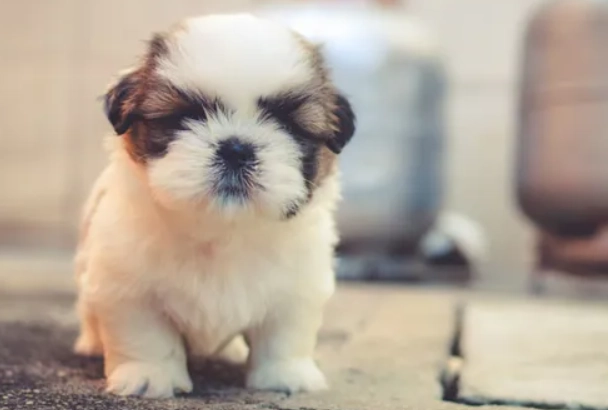
Step 1: The Right Tools for the Job
You can't fight tangles with the wrong weapon. Here’s my go-to kit for FFF maintenance:
- A High-Quality Slicker Brush: Not all slickers are equal. Get one with fine, bent pins. The Chris Christensen brand is a gold standard among pros for a reason—their pins are polished and don't scratch the skin. A cheap slicker can do more harm than good.
- A Long-Pinned Metal Comb: This is your truth-teller. The brush might make the top look smooth, but the comb finds the mats hiding at the base. A comb with both wide and fine teeth is perfect.
- Detangling Spray or Conditioner: A light, leave-in conditioning spray is a lifesaver. It provides slip and reduces breakage. I'm not a fan of heavy, greasy sprays—they attract dirt.
- Thinning Shears & Blending Shears: For professional shaping. Thinning shears remove bulk without a harsh line; blending shears soften edges.
- Sharp Straight Shears or Clippers with Guard Combs: For trimming and maintaining length.
Step 2: The De-Matting & Detangling Process (The Most Important Step)
This is where patience is a virtue. Never, ever take scissors to a mat against the skin. It's incredibly dangerous.
- Spray Liberally: Apply your detangling spray to the section you're working on.
- Finger-Separate First: Use your fingers to gently pull apart the biggest tangles. Feel for the skin.
- Work from the Tips Up: Hold the hair at the base, near the skin, to prevent pulling. Start combing the very tips of the hair with your metal comb. Work inward, a tiny bit at a time, until the comb glides from skin to tip.
- Use the Slicker: Once a section is combed through, use the slicker brush to smooth and fluff. Always brush in the direction of hair growth.
Step 3: Shaping and Trimming the FFF
Now for the artistic part. The goal is to enhance the natural shape, not fight it.
- Leg Furnishings/Feathering: Comb all hair downward. Trim any stragglers that break the clean line, usually from the back and sides. You want a rounded, natural column of hair. Use thinning shears to blend away any choppy edges.
- Beard and Eyebrows: Comb forward. Trim to the desired length, typically just past the nose for beards. Round the corners of the beard for a neat look. For eyebrows, trim carefully to maintain expression—you don't want to blind the dog!
- Skirt (Belly Furnishings): The length is often a matter of owner preference and lifestyle. A shorter skirt is more practical for an active dog. Trim evenly, following the body's contour.
The key is to step back and look at the dog as a whole. Does the FFF look balanced? Does it complement the dog's structure? That's the art of it.
Common FFF Grooming Mistakes (And How to Avoid Them)
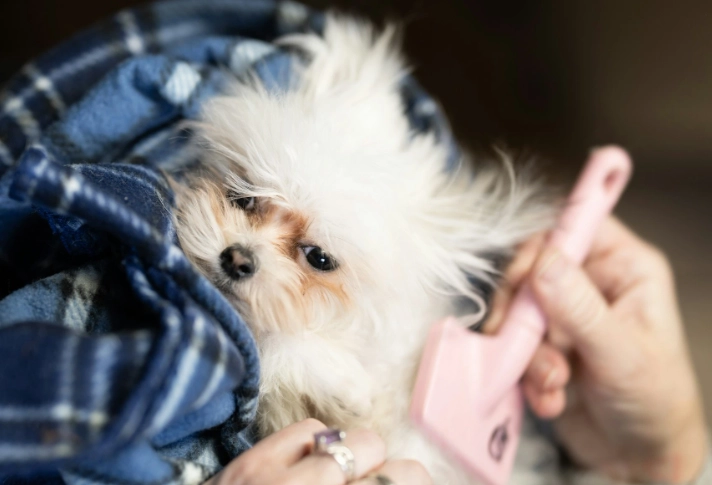
I've made most of these, so learn from my errors.
FFF in the Show Ring vs. The Pet Home
This is a huge point of confusion. The answer to "what does FFF mean in dog grooming" can differ slightly between contexts.
In the show ring, FFF is often preserved and sculpted to the exact specifications of the breed standard. For wire-haired terriers, that means hand-stripping (pulling dead hair out by the root) to maintain the correct harsh texture and color. It's meticulous, time-consuming work.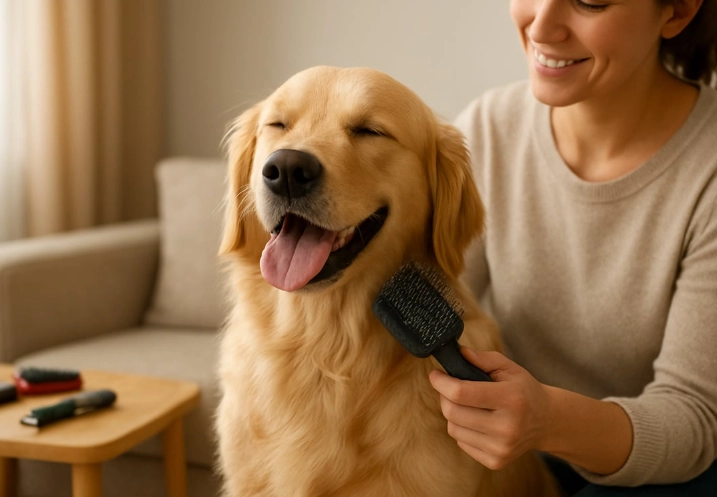
In the pet home, the primary goals are health, comfort, and manageable maintenance. Clipping is often perfectly acceptable and much more practical. A pet Schnauzer can have a neatly clipped beard and furnishings that are easy to wash and keep clean. The shape might be similar to the show cut, but the technique (clipping vs. stripping) and sometimes the length are adapted for real life.
Neither approach is "wrong" for its intended purpose. The show ring preserves tradition; the pet trim prioritizes the dog's and owner's lifestyle.
Frequently Asked Questions About FFF
Does my mixed-breed dog have FFF?
Possibly! If your mutt has longer hair on the ears, legs, or face, you can treat it as FFF for grooming purposes. The principles of detangling and maintenance are the same, even if there's no official breed standard to follow.
How often should I brush my dog's furnishings?
For breeds with long, silky FFF (like Yorkies or Cockers), daily brushing and combing is non-negotiable. For wiry-haired breeds with shorter furnishings, 2-3 times a week might suffice. The comb test is your guide: if a metal comb doesn't glide through easily to the skin, you're not brushing often enough.
Can I just shave off all the FFF to make it easier?
You can, but consider the consequences. On some breeds, it can alter the texture when it grows back (softer, patchier). It also removes the protective and breed-defining qualities. A better middle ground is to ask your groomer for a "practical trim"—keeping the furnishings neat but significantly shortened for easier upkeep.
What's the difference between FFF and just long hair?
FFF is a specific type of long hair that grows in genetically predetermined patterns on certain breeds. It often has a different texture (softer, silkier, or wirier) than the main body coat. "Long hair" is more general. All FFF is long hair, but not all long hair on a dog is considered FFF in the technical grooming sense.
My dog hates having his legs brushed. Any tips?
This is super common. Start by associating the brush and comb with high-value treats. Touch the tool to his leg, then treat. Progress to a single, gentle stroke, then treat. Keep sessions very short (under a minute). For stubborn dogs, a lick mat smeared with peanut butter can work wonders as a distraction. Patience and positive reinforcement are key—never turn it into a wrestling match.
Final Thoughts: Embracing the FFF
So, what does FFF mean in dog grooming? At its heart, it's about understanding and respecting a key part of many dogs' natural anatomy. It's not a random grooming style; it's caring for what's already there.
When you learn to maintain it properly, you're not just preventing mats—you're keeping your dog comfortable, healthy, and looking like the distinct individual they are. Yes, it requires effort. There will be days when you find a surprise tangle behind an ear. But seeing a dog with beautifully maintained, flowing furnishings trotting comfortably is incredibly rewarding.
Start with the right tools, master the comb, and be patient. Your dog will thank you for it. And the next time you hear someone ask, "What does FFF mean in dog grooming?", you'll be the one with the confident, detailed answer.


Join the Conversation