Let's cut to the chase. A reptile heating pad isn't just an accessory; it's a non-negotiable piece of life-support equipment for most captive reptiles. Get it wrong, and you're looking at a pet that won't eat, can't digest, and is at serious risk for illness. I've seen it happen too many times in my years of keeping everything from bearded dragons to ball pythons.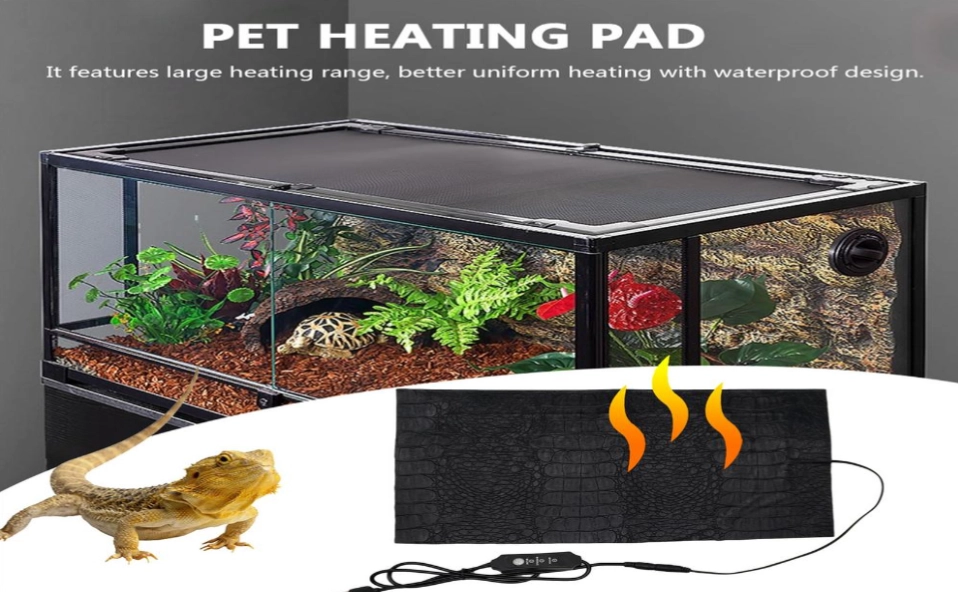
The goal isn't just to make the tank "warm." It's to create a precise thermal gradient—a warm spot for basking and digestion, and a cooler area for retreat. That's what thermoregulation is all about, and a heat mat is one of the most common tools to achieve it. But the devil is in the details.
What's Inside This Guide?
- Why Your Reptile Can't Live Without Proper Heat
- Types of Reptile Heating Pads
- Choosing the Right Heating Pad: Size, Wattage & Material
- Installation & Placement: The Make-or-Break Steps
- Safety Musts: Avoiding Burns and Failures
- Troubleshooting Common Heating Pad Issues
- Expert FAQ: Your Burning Questions Answered
Why Your Reptile Can't Live Without Proper Heat
Reptiles are ectotherms. They don't generate metabolic heat like we do. They rely entirely on their environment to regulate their body temperature. This isn't a minor preference; it's core to their biology.
Digestion, immune function, activity levels, and even mood are tied to temperature. A snake with a full stomach sitting in a cool tank isn't just uncomfortable—it's at risk for regurgitation and a nasty bacterial infection in its gut. A leopard gecko without a warm belly will simply stop eating.
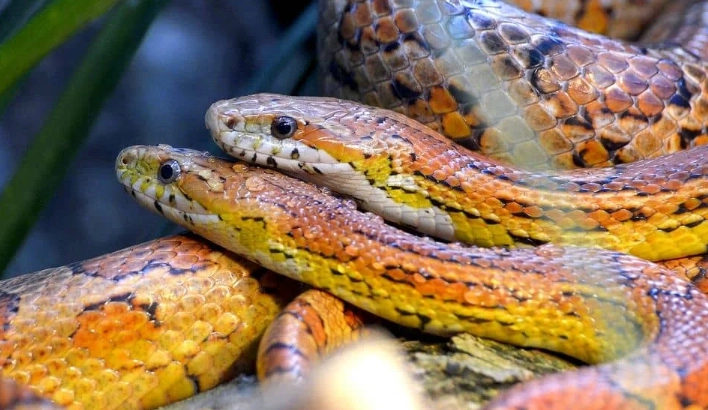
I remember helping a friend who couldn't figure out why his corn snake was refusing meals. The ambient room temp was fine, he said. But when we checked the temperature on the glass right above his under tank heater with an infrared thermometer, it was a tepid 78°F. For a corn snake's warm hide, you want that surface around 85-88°F. We upgraded the pad and paired it with a thermostat. Problem solved within a week.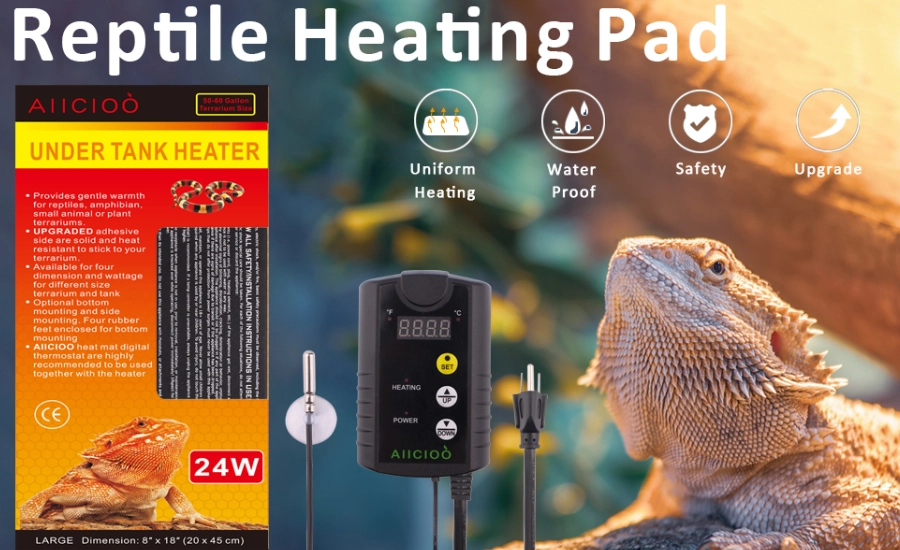
The Gradient is Key: Your enclosure should have a clear temperature range. For many common pet reptiles, aim for a basking/warm zone surface temperature of 85-95°F and a cool zone around 75-80°F. Always research the specific needs of your species. Resources like the Reptifiles care guides or veterinarian-reviewed sheets from associations like the Association of Reptilian and Amphibian Veterinarians (ARAV) are excellent starting points.
Types of Reptile Heating Pads
Not all heat mats are created equal. The main split is between pads designed to go under the tank and more flexible heating cables.
Under Tank Heaters (UTH)
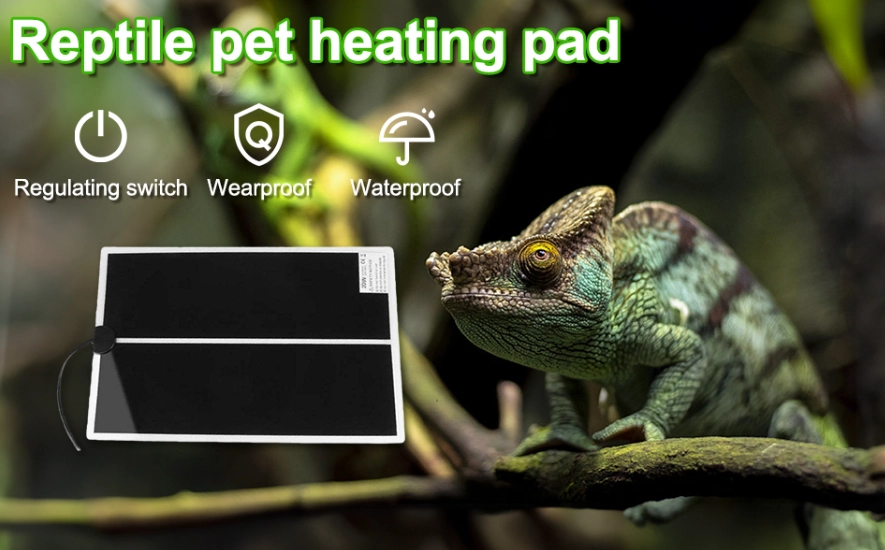
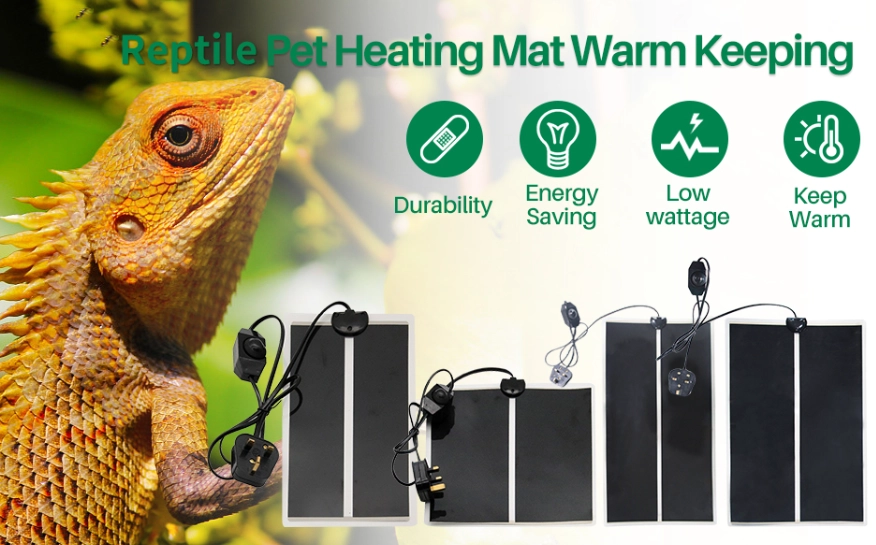
This is the classic reptile heating pad. It's a flat, waterproof sheet that adheres to the bottom outside glass or plastic of the enclosure. The heat radiates up through the substrate to create a warm floor.
What they're good for: Snakes, leopard geckos, crested geckos (on the side, not the bottom), and other reptiles that benefit from belly heat for digestion. They're generally low-profile and easy to hide.
The catch everyone misses: Their effectiveness is murdered by thick substrate. That 3-inch layer of coconut fiber acts as fantastic insulation, trapping the heat below and leaving your pet in the cold. For UTHs to work, you often need a very thin layer of substrate or even a bare-bottom hide box directly on the glass over the pad.
Heat Cables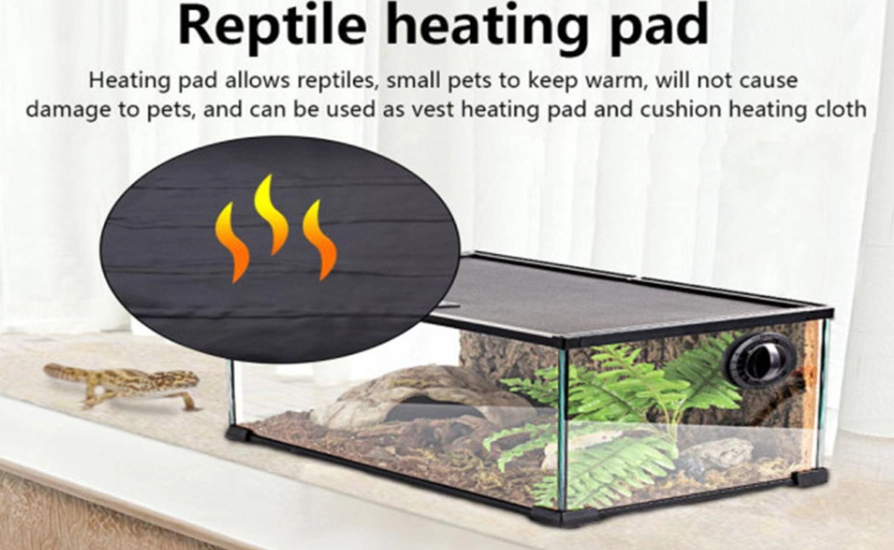
Think of these as flexible heating ropes. You can arrange them in loops or lines under or even inside the enclosure (if properly shielded).
What they're good for: Larger enclosures, custom-built wooden or PVC cages, or creating more evenly distributed warmth across a bigger area. They offer more flexibility in shaping your heat zone.
The downside: Installation can be trickier, and they often require more careful securing to avoid hot spots where cables cross.
| Heating Pad Type | Best For | Key Consideration |
|---|---|---|
| Under Tank Heater (UTH) | Providing focused "belly heat" for digestion; glass/plastic tanks. | Heat transfer blocked by thick substrate. Must be used with a thermostat. |
| Heat Cable / Tape | Larger or custom enclosures; creating wider warm zones. | Installation requires planning to avoid overlap and hot spots. |
Choosing the Right Heating Pad: Size, Wattage & Material
Grabbing the first pad you see is a recipe for failure. Here's how to pick.
Size: The pad should cover roughly 1/3 to 1/2 of the tank's floor space. This is what creates that essential gradient. A pad that's too small creates a tiny, insufficient hot spot. One that's too large can overheat the entire enclosure.
Wattage: Higher wattage doesn't mean "hotter" if you're using a thermostat (and you must). It means the pad can achieve the desired temperature more efficiently, especially in cooler rooms or larger tanks. For a standard 20-gallon tank in a 70°F room, an 8-16 watt pad is usually sufficient. In a cooler basement, you might need 20-30 watts. Check the manufacturer's guidelines.
Material & Build: Look for pads with a waterproof seal. Accidental spills happen. Also, consider if the adhesive is strong and permanent or allows for repositioning. Some cheaper models have thin wiring that can fail or overheat. Brands like Zoo Med and Fluker's have established reputations for reliability.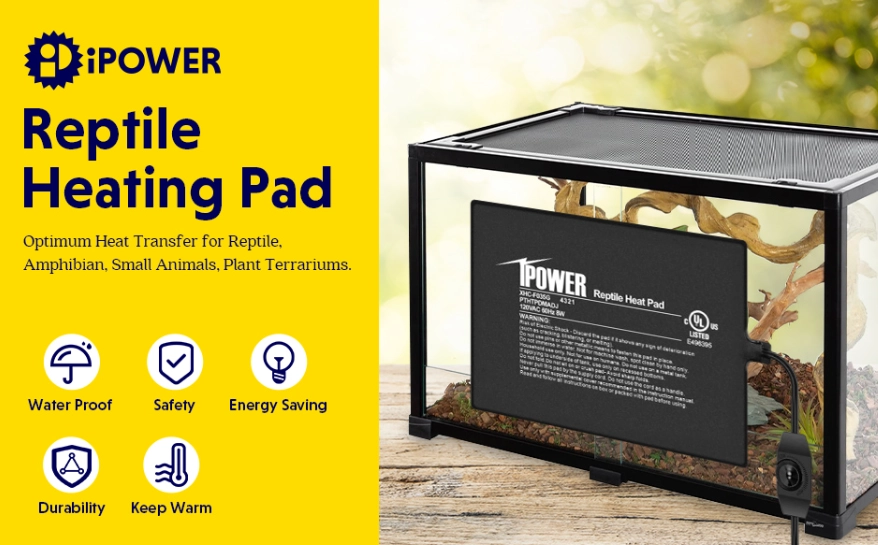
Critical Rule: Never place a heating pad inside the enclosure where your reptile can come into direct contact with it. Even "burrow-proof" pads can be dug up or malfunction, leading to severe thermal burns. Always mount them on the exterior.
Installation & Placement: The Make-or-Break Steps
This is where most mistakes happen. Let's walk through it.
1. Clean the Surface. Wipe the bottom or side glass with isopropyl alcohol and let it dry completely. Any dust or grease will weaken the adhesive.
2. Apply the Pad. Peel and stick it firmly, smoothing out any air bubbles. For UTHs, center it under one end of the tank, not the middle.
3. Create an Air Gap. This is non-negotiable and often overlooked. You must elevate the tank slightly so air can circulate under the heating pad. Use small rubber feet or thin blocks of wood at the tank's corners. Trapping the pad against a desk or shelf creates a fire hazard due to heat buildup.
4. Thermostat Probe Placement. This is the brains of the operation. The probe should be placed inside the tank, either buried in a thin layer of substrate or fixed with a dab of aquarium-safe silicone directly on the glass inside the warm hide. This measures the temperature your pet actually experiences. Do not let it dangle in the air.
5. Set the Thermostat. Plug the heating pad into the thermostat, and the thermostat into the wall. Set the desired temperature (e.g., 88°F). The thermostat will cycle the pad on and off to maintain that exact spot temperature.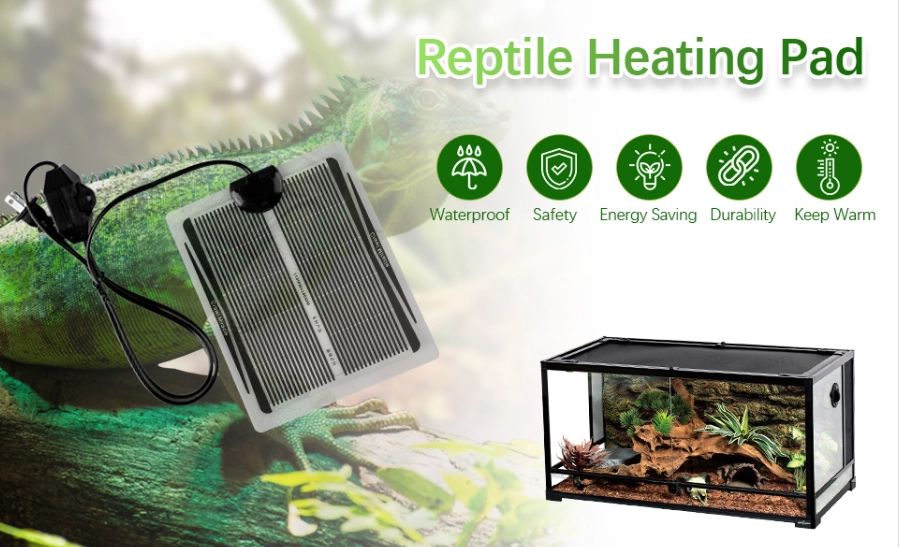
Safety Musts: Avoiding Burns and Failures
A heating pad without a thermostat is a ticking time bomb. Room temperatures fluctuate, and pads can get hotter over time. A $30 thermostat is the cheapest insurance you can buy for your pet's life.
Use a digital thermometer with a probe or an infrared temperature gun to regularly check surface temperatures. Don't trust the dial on a cheap pet store thermometer.
Feel the glass above the pad with the back of your hand periodically. If it feels uncomfortably hot to you, it's dangerously hot for your reptile.
Listen and smell. A buzzing sound or a faint plastic burning smell means turn it off immediately.
Troubleshooting Common Heating Pad Issues
- The pad feels cool to the touch. First, check the thermostat setting and outlet. Is it plugged in? Is the thermostat turned on? If those are fine, the pad may have failed. They do wear out after a few years.
- The pad is hot, but the tank isn't warming up. Your substrate is too thick. Reduce it over the warm area or place a flat stone/tile directly on the glass above the pad.
- The thermostat is constantly on (light never turns off). The wattage of the pad may be too low for the environmental conditions. It's struggling to reach the set temperature. You may need a higher-wattage pad or to insulate the back and sides of the enclosure with foam board.
- Uneven heating or a "hot spot." This is common with heat cables if they overlap or with a UTH that has a manufacturing defect. An infrared temp gun will pinpoint it. Redistribute cables or replace the faulty pad.
Expert FAQ: Your Burning Questions Answered
 My bearded dragon never sits on the warm side where the heat mat is. Is it broken?


Join the Conversation