You’re staring at the heat lamp glowing in your reptile's enclosure. It’s bedtime. A familiar doubt creeps in: "Should I turn this off?" The internet gives conflicting advice. Some forums scream it's a fire hazard. Others claim their lamps have run for years without issue. As someone who’s kept reptiles for over a decade and seen the aftermath of both overheated tanks and cold-stunned animals, I can give you the straight answer.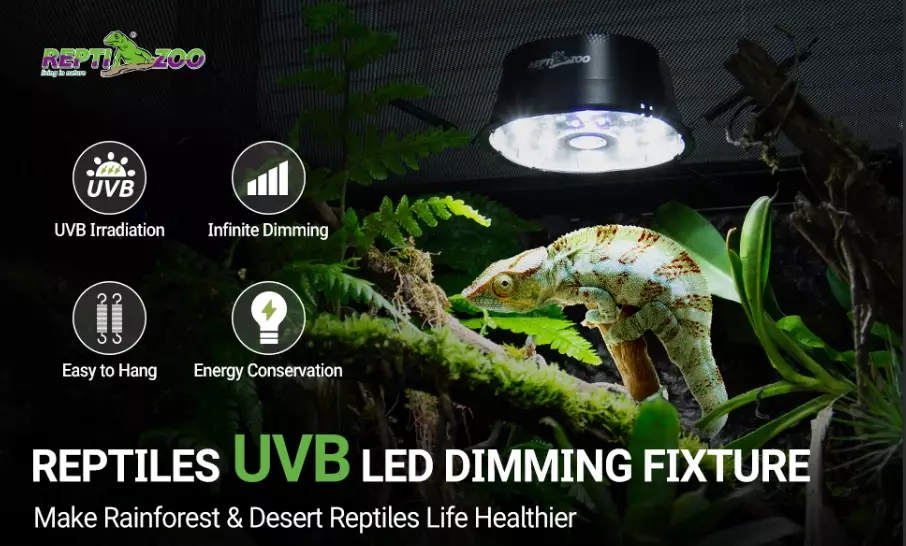
The short version: Leaving a reptile heat lamp on 24/7 is generally unsafe and biologically incorrect for most species. It’s a recipe for stress, dehydration, and potential disaster. But the real answer isn't a simple yes or no—it’s about how you manage it.
What’s Inside This Guide
The Real Risks of Running a Heat Lamp 24/7
Let’s be real: it’s a fire risk. Any electrical device running continuously faces wear. The socket, the plug, the fixture—they all heat up. I once had a cheap dome fixture’s plastic casing warp and nearly melt because it wasn’t rated for the wattage I was using. That was a wake-up call.
But beyond the obvious fire hazard, the biological risks to your reptile are more insidious.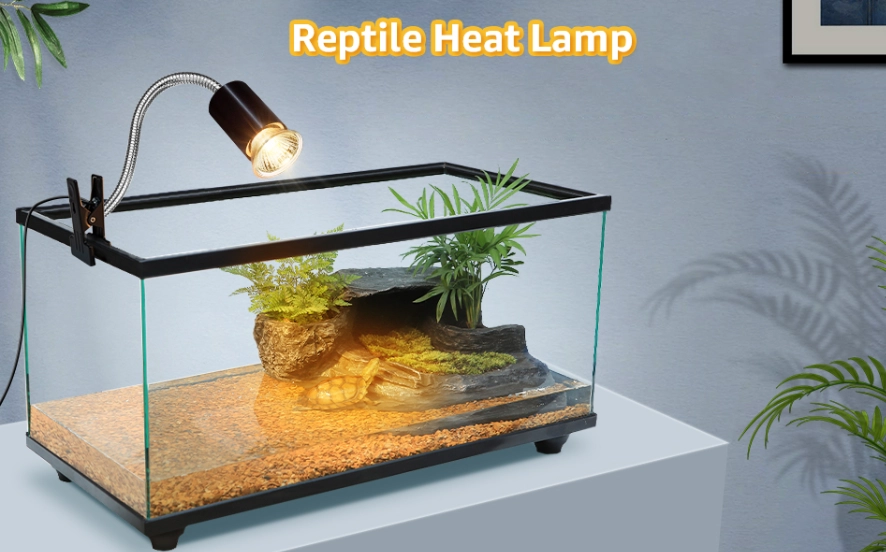
Think about it. Would you want a bright sun and 95°F (35°C) beaming down on you all night while you tried to sleep? Your reptile doesn't either. They need darkness and a temperature drop to regulate their circadian rhythms properly.
The lack of a temperature drop is a mistake I see new keepers make constantly.
Then there’s the enclosure itself. Substrate dries out too fast. Humidity plummets, making it impossible to maintain proper shedding conditions for species like ball pythons or crested geckos. You’re constantly fighting against the desiccating effect of the lamp.
Why a Thermostat Isn't Optional—It's Essential
If you take one thing from this article, let it be this: You must use a thermostat with any primary heat source. Not a dimmer, not a timer—a proper on/off or pulse-proportional thermostat. This is the single most important piece of safety equipment you can buy, more crucial than the lamp itself.
A thermostat acts as a brain. It has a probe you place at the basking spot. You set a maximum temperature (say, 100°F for a bearded dragon). When the probe reads 101°F, the thermostat cuts power to the lamp. When it cools to 99°F, it turns the lamp back on. It prevents cooking your animal if the room gets warmer or if the lamp drifts too close to the substrate.
| Thermostat Type | Best For | How It Works | Key Safety Benefit |
|---|---|---|---|
| On/Off Thermostat | Ceramic Heat Emitters, Heat Mats | Fully powers on/off to maintain temp. Can cause visible light bulbs to flicker. | Prevents overheating by complete power cutoff. Simple and reliable. |
| Pulse Proportional | Ceramic Heat Emitters, Radiant Heat Panels | Sends short pulses of power to finely control temperature. | Excellent for maintaining stable ambient heat without large swings. |
| Dimming Thermostat | Incandescent Basking Bulbs (that provide light) | Gradually dims the bulb's brightness up and down. | Allows for a natural sunrise/sunset effect and extends bulb life. Best for light-producing heat sources. |
Brands like Herpstat, Vivarium Electronics, or even the reliable Exo Terra 600W are industry standards. The initial cost (anywhere from $50 to $150) is nothing compared to replacing a pet or your home.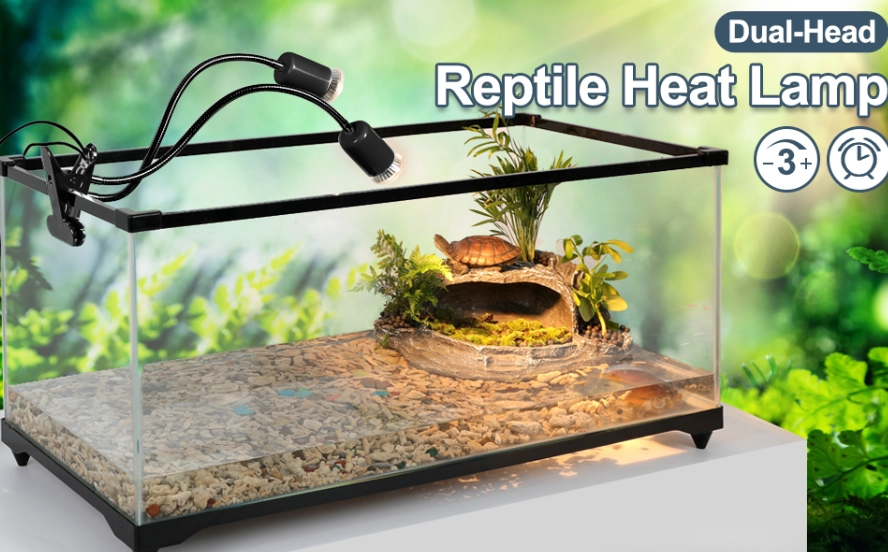
Creating the Perfect Day/Night Cycle & Thermal Gradient
Reptiles don't need constant, uniform heat. They need a thermal gradient and a photoperiod.
- Thermal Gradient: One end of the tank is warm (the basking zone), the opposite end is cool. This lets your animal self-regulate. A bearded dragon might digest its meal at 100°F, then wander over to the 75°F side to cool down.
- Photoperiod: A consistent cycle of light and dark, typically 12 hours on, 12 hours off, mimicking natural rhythms.
So, what happens at night? For most temperate and desert species (bearded dragons, corn snakes, leopard geckos), you need a temperature drop, but not a plunge into the cold. If your house stays above 65°F (18°C), you often don't need any supplemental night heat. The residual warmth in the enclosure is enough.
Here’s a practical setup for a common bearded dragon tank:
Day Cycle (12 hrs): Basking bulb (incandescent or halogen) on a dimming thermostat set to 100-105°F at the basking spot. A separate UVB tube light runs concurrently.
Night Cycle (12 hrs): All lights OFF. If room temp falls below 65°F, a Ceramic Heat Emitter on a separate on/off thermostat kicks in, set to maintain a background temp of around 70-75°F. The enclosure is dark and quiet.
The Biggest Mistake with Timers
People think a timer is enough. A timer turns things on and off at set times, but it doesn't know how hot the tank is. If your room gets unusually hot on a summer afternoon, the timer will still blast the heat lamp, potentially spiking the tank to dangerous levels. A timer manages the schedule; a thermostat manages the safety. You need both working together.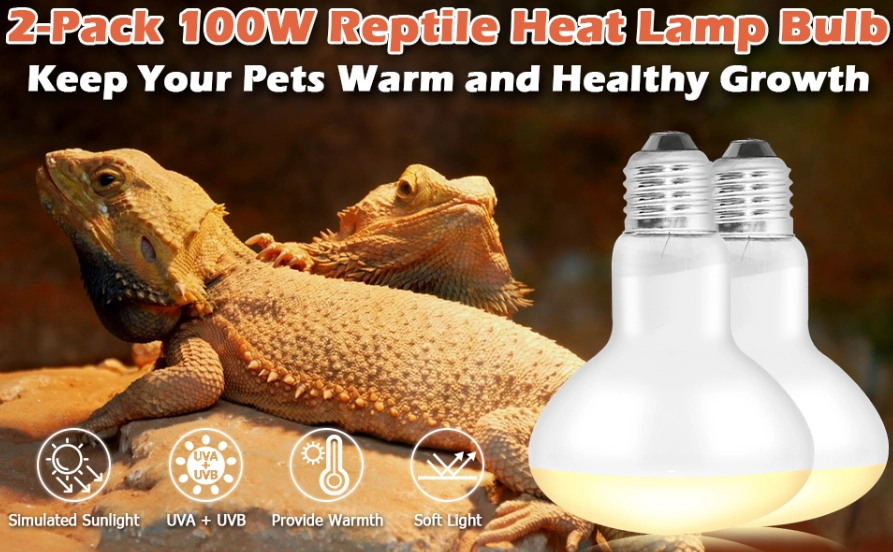
Heat Lamp Types: Which Ones Are "Safer" for Constant Use?
Not all heat lamps are created equal. Some are designed for longer, more stable operation than others.
Ceramic Heat Emitters (CHEs): These are my go-to for 24-hour heat when needed. They screw into a standard lamp fixture but produce only heat, no light. Because they have no filament to burn out quickly, they can handle being cycled on and off by a thermostat for years. Critical: They MUST be used in a ceramic socket fixture (not plastic) rated for higher wattages, as they get extremely hot.
Deep Heat Projectors (DHPs): A more advanced option. They emit infrared heat that penetrates reptile tissue more effectively, similar to the sun. They also produce no visible light and are excellent for 24-hour ambient heat. They require a pulse or dimming thermostat.
Incandescent/Halogen Basking Bulbs: These provide both heat and light. They are perfect for creating a sunny basking spot during the day. They are NOT suitable for 24/7 use. The light will disrupt the animal's cycle, and the filament has a much shorter lifespan if never turned off.
Under Tank Heaters (UTH) & Heat Tape: These are primarily for belly heat and are often left on 24/7 via a thermostat for species that require constant warm substrate (like many snakes). They pose a different set of risks (burns from below) but are generally safe when properly regulated.
Practical Fire Safety Checklist for Reptile Keepers
Beyond the thermostat, here’s your hands-on safety drill. Do this monthly.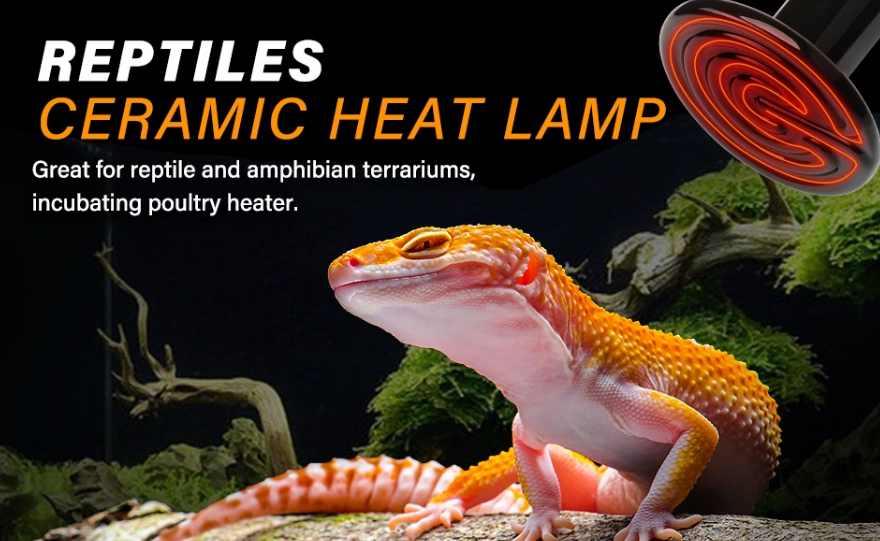
- Fixture Check: Is your lamp dome rated for the wattage you’re using? Is it ceramic or high-temp plastic? Metal mesh guards around the bulb are a smart addition.
- Secure Mounting: Is the lamp clamped or screwed securely? I’ve seen lamps fall into enclosures because a clamp slipped. Use the safety chain as a backup.
- Clearance: Maintain at least 6-8 inches between the bulb and any decor, substrate, or the reptile itself. Use a guard or elevate the fixture.
- Outlet Health: Plug your thermostat into a GFCI outlet if possible (common in bathrooms/kitchens). This cuts power if a short occurs. Avoid overloading power strips.
- Wire Management: Keep cords tidy and out of reach of curious pets. A bored iguana can chew through a power cord in seconds.
- Smoke Detector: Have a working one in the room where you keep your reptiles. It’s the last line of defense.
Your Heat Lamp Safety Questions Answered
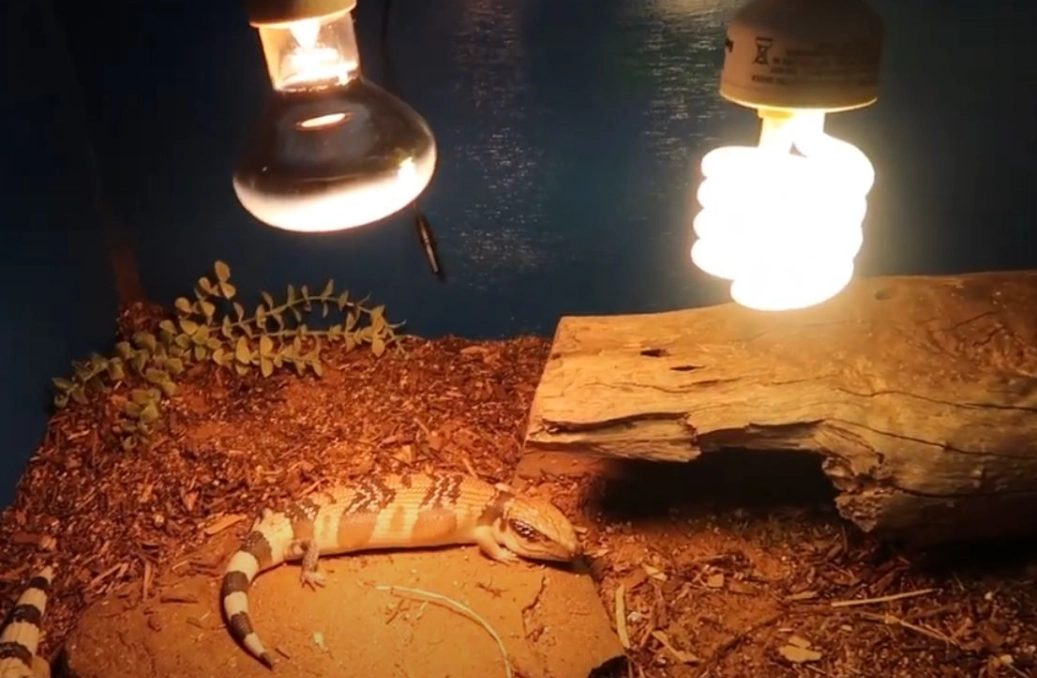 The bottom line is that reptile care is about replicating natural cycles, not convenience. Leaving a heat lamp on 24/7 is a shortcut that bypasses your animal's fundamental needs. With a reliable thermostat, the right type of lamp for the right time, and a simple timer, you create a safe, healthy environment that lets your reptile thrive on its own terms. You’ll sleep better too, knowing you’ve eliminated a major risk.


Join the Conversation