Let's cut to the chase. Figuring out snake feeding habits is the single most common stress point for new and even experienced keepers. It's not just about throwing a mouse in the tank. Get it wrong, and you're looking at a stressed snake, potential health issues, or a pet that just won't eat. I've seen it all in my years keeping various colubrids and pythons. This guide isn't a rehash of basic care sheets. We're going deep into the why behind the habits, the subtle mistakes everyone makes, and the practical steps to build a feeding routine that keeps your snake thriving, not just surviving.
What You'll Learn in This Guide
Understanding Natural Snake Feeding Habits
Snakes in the wild are opportunistic. They don't eat on a strict Tuesday/Thursday schedule. A large meal can sustain them for weeks or even months, depending on species and climate. Their metabolism is slow. The biggest mistake we make in captivity is projecting our mammalian need for frequent meals onto them. Overfeeding is rampant. It leads to obesity, fatty liver disease, and a shortened lifespan. I once consulted on a case of a stunningly fat ball python—the owner was feeding a large rat every week "because he seemed hungry." The snake was actually lethargic and at serious risk.
Their feeding response is also tied to environmental cues. Temperature drops can signal a seasonal fast. Stress from improper husbandry (wrong humidity, no hides) is the number one cause of refusal that I see, often overlooked by keepers who immediately jump to force-feeding.
How to Create a Snake Feeding Schedule
Forget one-size-fits-all. Your schedule depends on three things: the snake's species, its age, and its body condition. A hatchling corn snake and a mature blood python have wildly different needs.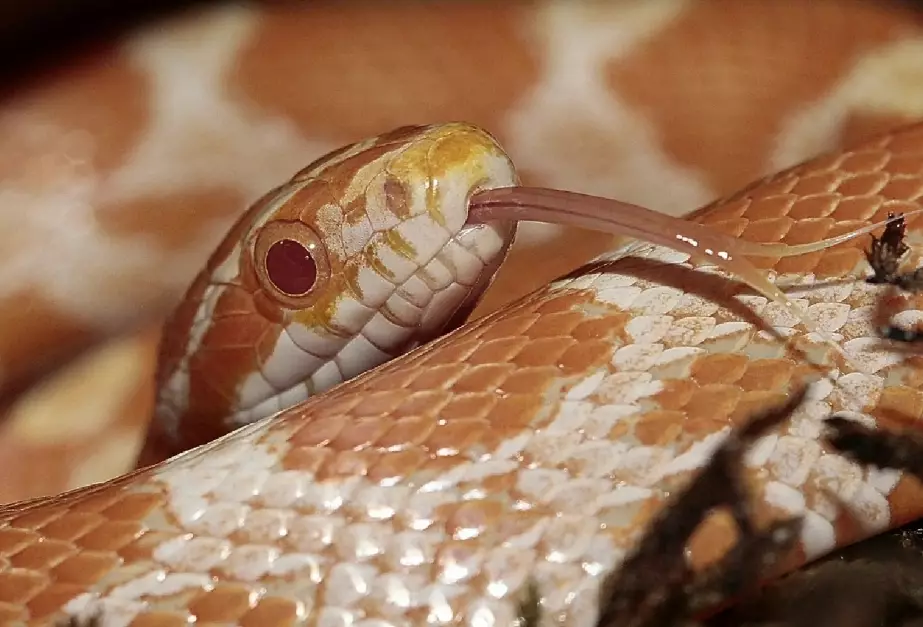
Here’s a practical framework I use and recommend. This is a starting point—you must adjust based on your individual snake's metabolism and body shape.
| Snake Life Stage & Type | General Feeding Frequency | Key Indicator to Watch |
|---|---|---|
| Hatchling/Juvenile (Fast growers like Corns, Kings, Milks) | Every 5-7 days | Should have a rounded, but not bulging, body shape after eating. |
| Sub-Adult | Every 7-10 days | Growth slows. Look for a slight taper from body to tail. |
| Adult (Most Colubrids, Ball Pythons) | Every 10-14 days | Body should be more rectangular than round. Ribs should not be visible, but a spine ridge is normal. |
| Adult Heavy-Bodied (Boas, large Pythons) | Every 3-6 weeks | These snakes store energy efficiently. Overfeeding is a severe risk. They can go months without food as adults. |
A common pitfall? Feeding based on "activity." A snake cruising its enclosure is often exploring or seeking better security, not necessarily food. Interpreting this as hunger leads to that overfeeding problem.
Pro Tip: Weigh your snake and its prey. For most adult snakes, a prey item weighing 10-15% of the snake's body weight is a solid target. For juveniles, it can be 15-20%. This is more accurate than eyeballing it.
Choosing the Correct Prey Size
Prey size is non-negotiable. Too small, and your snake isn't getting proper nutrition. Too large, and you risk regurgitation or injury. The old "width of the widest part of the snake" rule is a decent start, but it's flawed for oddly-shaped snakes.
Here’s my refined method. The prey should create a noticeable but not extreme lump in the snake's body. That lump should be mostly digested within 48 hours. If the lump is still prominent after three days, you're likely offering meals that are too big. For heavy-bodied snakes like ball pythons, the lump might be less pronounced but longer.
What About Prey Type?
Stick to what the species evolved to eat. Most common pet snakes eat rodents. Offering chicks or quail can be a nice variety for some species, but rodents should be the staple. Don't get creative with inappropriate food; it's a recipe for nutritional deficiencies or refusal.
Safe Feeding Methods: Live vs. Frozen/Thawed
This is a hot debate. My stance, formed after dealing with bite wounds and parasite infestations, is firmly in favor of frozen/thawed (F/T) prey. It's safer, more convenient, and humane for the prey animal. The risk of a live rodent injuring your snake is real—I've seen nasty face wounds that required vet care.
But I get it. Some snakes are stubborn and will only take live. If you must feed live, never leave the prey unattended. Supervise the entire process and be ready to intervene with tongs if the rodent bites. Remove it if uneaten after 15-20 minutes.
To convert a live-feeder to F/T, you need patience. Thaw the rodent completely in the fridge overnight, then warm it up with a hairdryer or in a bag placed in warm water. Make it hot (around 100°F/38°C) and dry. Wiggle it with long tongs to simulate life. Sometimes, braining the rodent (puncturing the skull) releases scents that trigger a feeding response. It can take months. Don't give up after two tries.
Critical Safety Note: Always use feeding tongs. Never offer food with your bare hands. A feeding snake strikes with incredible speed and force, and it cannot differentiate between your fingers and a warm rat. This is how "food mode" bites happen, and they are entirely preventable.
Solving the "Snake Not Eating" Problem
Your snake refusing food is worrying, but don't panic. Healthy adult snakes can go months without eating. The first step is diagnosis, not force-feeding.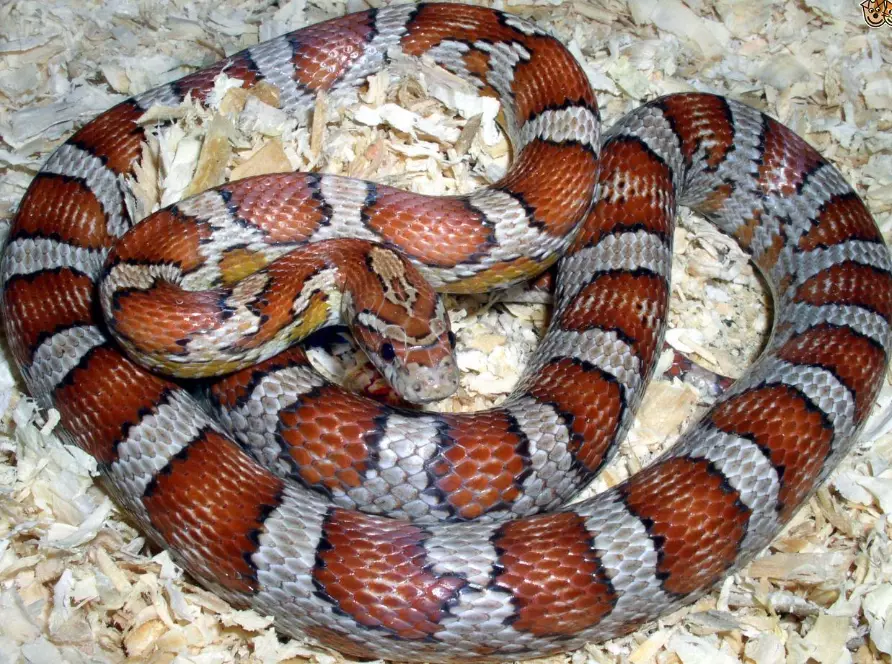
Run through this checklist:
- Husbandry: Are temperatures (especially the warm side/basking spot) correct? Is humidity in the species-specific range? Are there at least two snug hides? Incorrect husbandry is the root cause 80% of the time in my experience.
- Stress: Has the enclosure been moved? Too much handling? A new pet in the room? Give the snake a full week of complete privacy.
- Season: Many snakes, especially ball pythons and colubrids, fast during winter months even in captivity. It's normal.
- Shedding: Most snakes won't eat while in the "blue" phase (opaque eyes) of shedding.
If all checks out, try these tricks in order: switch from F/T to live (temporarily), try a different prey color (some snakes oddly prefer black vs. white mice), feed at night, or try a different prey type (e.g., a mouse instead of a rat, or vice versa).
Only consider assist-feeding or vet intervention if a young snake is losing significant body weight (over 10%) or an adult has fasted for more than 4-6 months without a clear seasonal reason.
Critical Post-Feeding Care & Mistakes to Avoid
What you do after the meal is as important as the meal itself. A snake's body is directing all energy to digestion.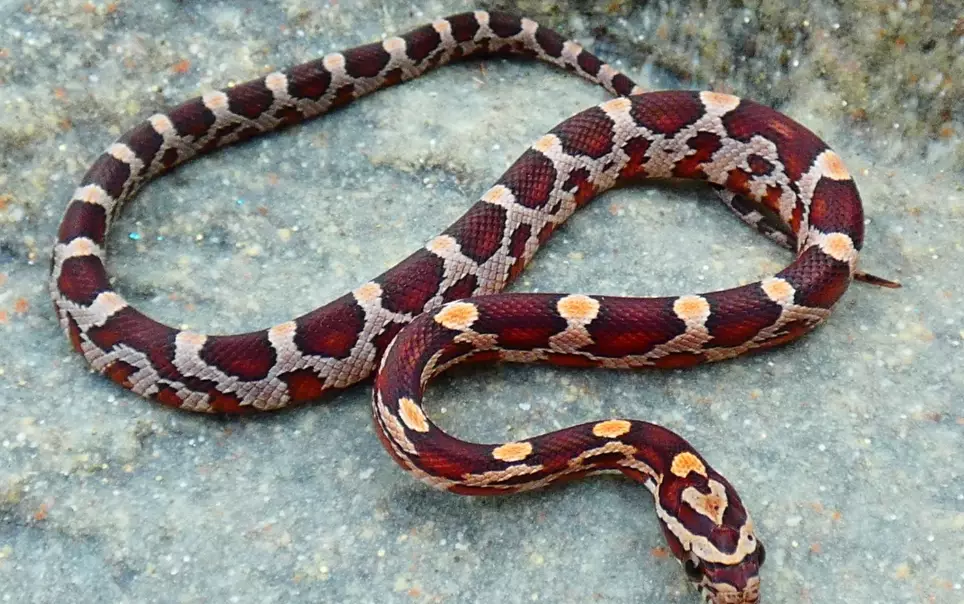
Do not handle your snake for at least 48 hours after feeding. I'd even recommend 72 hours for larger meals. Handling can cause stress and lead to regurgitation, which is traumatic and sets their nutrition back weeks.
Ensure the enclosure's warm spot is at the optimal temperature. Digestion requires heat. A snake that can't get warm enough may regurgitate.
Also, don't be alarmed if your snake seeks out the cool side after eating. This is sometimes a strategy to slow digestion and metabolize the meal over a longer period. It's not always a sign something is wrong.
Your Top Feeding Questions Answered
 My snake regurgitated its meal. What do I do now?




Join the Conversation