In This Guide
It hits you one morning. That faint, unmistakable smell. Or you find a little "present" behind the couch. Your heart sinks. Your perfectly litter-trained adult cat has decided the box is no longer the place to go. If you're frantically typing "How do I get my adult cat to use the litter box again?" into Google, take a deep breath. You're not alone, and it's almost never just your cat being "spiteful." This is a cry for help, a signal that something is off in their world.
I've been there. My own cat, Jasper, a usually fastidious gentleman, started favoring the bathmat over his pristine box. The frustration is real—cleaning up is a chore, and you worry about your pet. But through trial, error, and a lot of vet consultations, I learned this problem is almost always solvable. It just requires playing detective.
Why Did My Cat Stop? The Big Three Reasons
Before you can fix it, you need to understand the "why." Think of your cat's avoidance as a symptom. The causes generally fall into three buckets, and they often overlap.
1. Medical Problems (The Non-Negotiable Check)
Cats are masters at hiding pain and illness. Avoiding the litter box might be their only obvious sign that something hurts. Common culprits include:
- Urinary Tract Issues (FLUTD, Cystitis, Stones): This is a huge one. If it hurts to pee, your cat might associate that pain with the litter box itself. They'll then try peeing elsewhere, hoping for relief. This is an urgent medical issue. Organizations like the Cornell Feline Health Center have extensive resources on how common and serious these conditions are.
- Arthritis or Joint Pain: An older cat might find it painful to step over a high-sided box, squat, or even get to a box that's in a basement or up stairs.
- Diabetes, Kidney Disease, Hyperthyroidism: These can cause increased urination or accidents simply because your cat can't "hold it" long enough to get to the box.
- Gastrointestinal Problems: Diarrhea or constipation can create negative associations with the box.
2. Litter Box Disgust or Discomfort
Your cat's standards for their bathroom are much higher than you might think. What seems fine to us can be a deal-breaker for them.
The Litter Itself: A sudden switch to a new, perfumed litter? Too dusty? The granules might feel unpleasant on their paws. Some cats have a strong texture preference—they might hate the feel of crystals or pellets but love fine clumping clay.
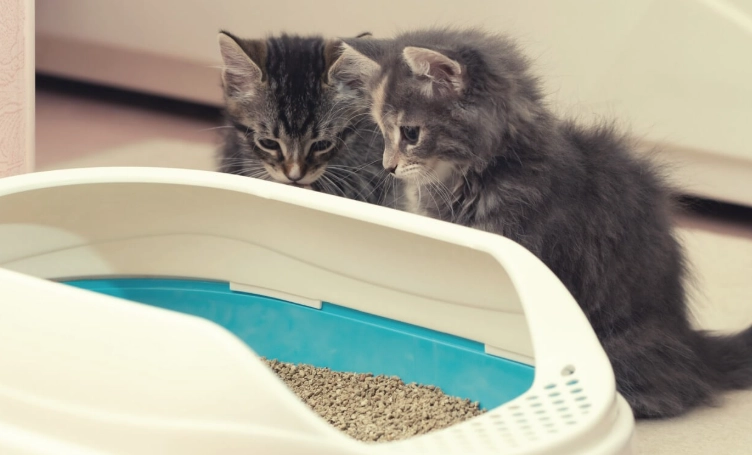
The Box Setup: Let's be honest, some litter box designs are just bad. Hooded boxes trap odors and make a cat feel vulnerable. Liners can get caught in claws. An automatic box that scared them once with a sudden noise is now a predator in their mind. Size matters, too. The general rule is a box should be at least 1.5 times the length of your cat from nose to tail base. Is your big Maine Coon trying to fit in a tiny corner box? No wonder.
The Cleanliness Factor: This is the big one for many cats. Would you use a filthy, smelly toilet? Cats are clean animals. If the box isn't scooped at least once a day (twice is better), and completely washed out regularly, they'll find a cleaner spot. That spot is often your nice, clean bathtub or a pile of laundry.
3. Stress and Environmental Anxiety
Cats are creatures of habit and control. Changes in their environment can make them feel insecure, and inappropriate elimination is a common way to self-soothe or mark their territory with their own scent. Common stressors include:
- A new pet (cat, dog, even a rabbit) in the house.
- A new baby or roommate.
- Construction noise, moving furniture, or remodelling.
- Conflict with another cat in the home (even if you don't see overt fighting).
- A stray cat outside that they can see or smell through a window.
- Changes in your daily routine (new work schedule, vacations).
The Action Plan: Step-by-Step Retraining
Alright, you've been to the vet and cleared any medical issues. Now it's time to answer the core question: how do I get my adult cat to use the litter box again? This isn't a quick fix, but a process of elimination and positive reinforcement.
Step 1: The Litter Box Audit and Overhaul
Start from scratch. Dump all old litter. Scrub the box with mild, unscented soap (no ammonia or strong cleaners, as they smell like urine to a cat). Rinse it extremely well.
Now, apply the "Goldilocks Rules" for litter boxes: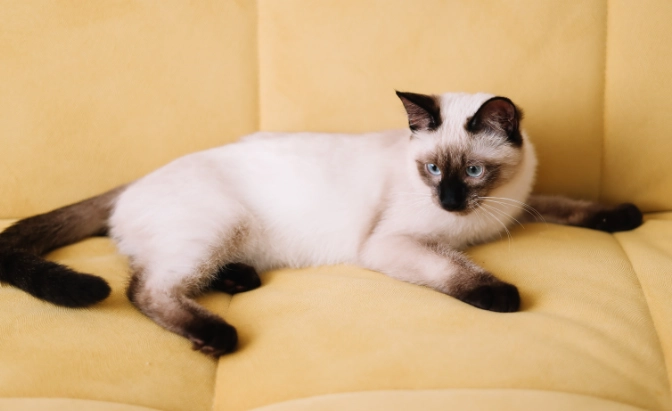
| Rule | What to Do | Why It Works |
|---|---|---|
| Number of Boxes | Have N+1 boxes (where N is the number of cats). One cat needs two boxes. Two cats need three. | Prevents resource guarding and gives choices. A cat that's bullied away from one box has another. |
| Location, Location, Location | Quiet, low-traffic, easy-to-access areas. Not next to a noisy washer/dryer or their food/water. Spread them out. | Cats need privacy and safety to eliminate. A corner where they can see the room is ideal. |
| Litter Type | If you recently changed, go back to the old one. Otherwise, try an unscented, fine-grained clumping litter. It's the most widely accepted. | Minimizes aversion. Fine sand-like texture is often most natural. Scents we like can overwhelm a cat's sensitive nose. |
| Box Size & Style | Bigger is almost always better. A large, shallow storage tote with a low-cut entrance is often a winner. Remove hoods. | Gives ample space to turn and dig. No hood means no trapped smells or feeling trapped. |
Step 2: Deep Clean the Accident Zones
You must completely eliminate the odor from accident spots. If a cat can still smell their urine there, they'll think it's an appropriate bathroom. Human cleaners often don't cut it. You need an enzymatic cleaner specifically designed for pet urine. These break down the uric acid crystals that cause the lingering smell. Soak the area thoroughly, let it dry. You might need multiple treatments. For carpets, a black light can help find all the spots.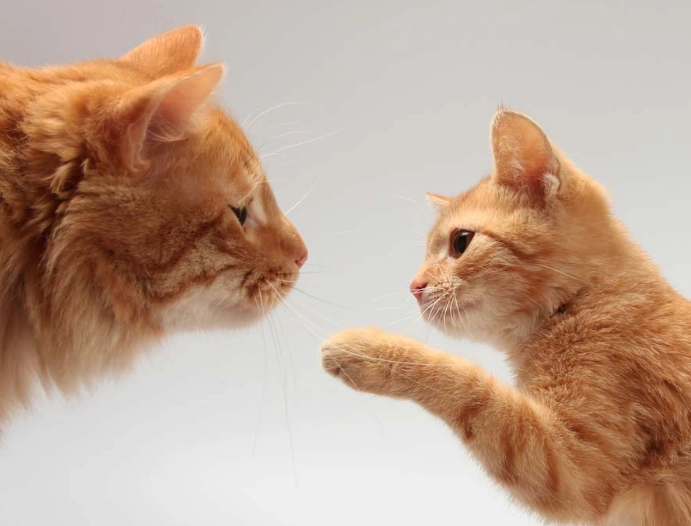
Step 3: Manage the Environment and Reduce Stress
This is about making your cat feel secure again. For multi-cat homes, this is crucial. Resources (food, water, high perches, beds, attention) should be plentiful and spread out so one cat doesn't monopolize them.
Consider using synthetic feline pheromone diffusers like Feliway. These mimic the "happy" facial pheromones cats use to mark safe spaces. They won't solve everything, but they can take the emotional edge off for some cats. The American Society for the Prevention of Cruelty to Animals (ASPCA) lists environmental stress as a primary cause of litter box issues, so addressing anxiety is key.
Create predictable routines. Feed, play, and offer affection at consistent times. Play is especially powerful—it burns energy and reduces stress. A tired, happy cat is less likely to have behavioral problems.
Step 4: The Retraining Process Itself
If the avoidance is severe, you may need to actively retrain. This involves a period of confinement and positive association.
- Confine to a Small Room: Set up a small, comfortable room (like a bathroom or spare bedroom) with all essentials: a fresh litter box (using the rules above), water, food, a bed, and toys. The space should be easy to clean.
- Observe Closely: Keep your cat in this room for several days to a week (with plenty of your company, of course). The goal is to rebuild the habit of using the box in a stress-free, controlled environment where accidents are nearly impossible.
- Praise and Reward: When you see them use the box correctly, offer calm, immediate praise and a high-value treat. Don't startle them. Just create a positive link.
- Gradual Freedom: Once they are consistently using the box in the small room for several days, gradually give them access to more of the house, one room at a time. Keep extra litter boxes in the new areas they access.
This method answers the question how do I get my adult cat to use the litter box again by stripping away variables and rebuilding the habit from the ground up.
Specific Scenarios and Solutions
Sometimes the problem has a specific pattern. Here's how to tackle common ones.
If Your Cat Pees on Soft Surfaces (Beds, Laundry, Couches)
This often points to a preference for a soft substrate, which can be linked to being taken from their mother too early, or it can signal a medical issue like a UTI. Ensure medical clearance first. Then, make the target surfaces less appealing (cover with plastic, keep laundry off the floor) and ensure the litter is soft and fine. Some cats do well with a layer of a soft, reusable litter mat or even a piece of old towel UNDER a layer of regular litter in one box as a transition.
If Your Cat Poops Outside the Box
This is frequently a cleanliness or location issue. The box might be too dirty, or it's in a place that feels unsafe (like a basement where the other cat ambushes them). Add more boxes in different, quiet locations. Scoop immediately after they poop if you can. Some cats are oddly fastidious about not stepping in their own waste.
The Multi-Cat Household Nightmare
This is the toughest scenario. You often don't know which cat is the culprit. You need to become a detective. Isolate cats temporarily to see if the accidents stop. Use a camera if needed. The core solution is always more resources. More boxes than you think you need, in more places than you think are necessary. Separate feeding stations. Multiple high perches and hiding spots. You're creating a territory where no cat feels the need to mark out of insecurity. The International Cat Care charity has excellent guides on managing multi-cat conflict, which is often at the root of these problems.
What NOT To Do
Some reactions will make the problem worse.
- Do NOT punish or rub their nose in it. This only teaches your cat to fear you and to eliminate in secret when you're not around. They don't connect the punishment to the act from hours ago.
- Do NOT use ammonia-based cleaners. Ammonia smells like urine to a cat and will attract them back to the spot.
- Do NOT suddenly confine them without the positive retraining steps. Just locking them in a room with a dirty box they already hate solves nothing.
- Do NOT give up too quickly. It can take weeks of consistent management for a new habit to form and for stress levels to go down.
Answers to Your Burning Questions
Let's tackle some of the specific things you're probably wondering.
Figuring out how do I get my adult cat to use the litter box again is a puzzle. It can feel overwhelming and messy. But by methodically ruling out medical causes, auditing your litter box setup, and addressing environmental stress, you can almost always find the key. It requires observation, patience, and a willingness to see your home from your cat's point of view. Start with the vet, then move to the litter box, and finally, look at the world around them. You and your cat can get back to a clean, happy coexistence.



Join the Conversation