Owning a dog is one of life's great joys, but let's be honest—it can feel overwhelming. Between conflicting advice online and the sheer volume of products, it's hard to know what's essential and what's just marketing. This guide cuts through the noise. It's not a list of generic tips; it's a practical, step-by-step framework built on experience. We'll cover what you need to do daily, weekly, and yearly to ensure your dog thrives, not just survives, at every stage of their life.
Your Quick Navigation Guide
The Foundation: Nutrition & Feeding
Food is fuel, but it's also the cornerstone of health. The biggest mistake I see? Owners choosing food based solely on brand popularity or price, without understanding their own dog's needs.
How to Choose the Right Food for Your Dog
Ignore the flashy packaging. Turn the bag over and read the AAFCO (Association of American Feed Control Officials) statement. It should say the food is "complete and balanced" for your dog's life stage (e.g., "for growth," "for adult maintenance," "for all life stages"). This is non-negotiable.
Next, look at the ingredients. The first three ingredients make up the bulk. You want a named animal protein (like "chicken," "salmon," "lamb meal") as the first item. Be wary of vague terms like "meat by-products" or "animal digest."
A Personal Note on Grain-Free: The trend scared many away from grains. Unless your dog has a diagnosed grain allergy (which is rare—more dogs are allergic to proteins like chicken or beef), high-quality grains like brown rice or oats are excellent energy sources. The FDA investigation into a potential link between certain grain-free diets and heart disease (DCM) is a reminder: don't follow fads, follow science and your vet's advice.
Portion Control and Feeding Schedule
The feeding guide on the bag is a starting point. Your dog's actual needs depend on activity level, metabolism, and whether they're spayed/neutered. A common pitfall is using the measuring cup that came with the food bag—they're notoriously inaccurate. Use a standard kitchen measuring cup.
Most adult dogs do well with two meals a day. This regulates energy, aids digestion, and helps with housetraining. Puppies need three to four smaller meals.
Let's be honest: most of us overfeed. A few extra kibbles each day adds up. If you can't easily feel your dog's ribs under a thin layer of fat, they're likely overweight. This isn't about looks; it's about preventing arthritis, diabetes, and shortening their lifespan.
Building a Bulletproof Daily Care Routine
Consistency is everything. A predictable routine reduces anxiety and makes care tasks feel natural, not like chores.
The 5-Minute Daily Health Check
- Eyes & Nose: Clear, with no unusual discharge. A little "sleep" is normal; green or yellow goop is not.
- Ears: Give them a sniff. They should smell clean, not yeasty or foul. Look for redness or excess wax.
- Teeth & Gums: Gums should be pink, not red or white. Check for tartar buildup or broken teeth.
- Coat & Skin: Run your hands over their body. Feel for lumps, bumps, hot spots, or fleas/"flea dirt" (little black specks).
- Paws: Check pads for cuts, cracks, or lodged debris (like pebbles or grass seeds).
This quick check isn't paranoia. It's how you catch small issues—an ear infection, a cracked paw pad, a new lump—before they become big, expensive problems. I found my dog's mast cell tumor this way when it was still tiny and easily removable.
Grooming & Hygiene: Beyond the Bath
Grooming isn't just for Poodles. Every dog needs it, and it's a powerful bonding tool.
Bathing: How Often is Too Often?
Unless your dog rolls in something foul, bathe them only when they're dirty or smelly. Over-bathing strips natural oils, leading to dry, itchy skin. For most dogs, every 4-8 weeks is plenty. Use a dog-specific shampoo—human shampoo is too harsh for their skin's pH.
The Most Overlooked Task: Brushing
Brushing does more than prevent mats. It distributes skin oils, stimulates blood flow, and gives you that all-important hands-on time to check their body. A slicker brush for most coats, an undercoat rake for heavy shedders like Huskies, and a fine-toothed comb for areas behind ears and under legs.
Nail Trims and Dental Care
If you hear clicking on the floor, the nails are too long. Long nails alter a dog's gait and can cause joint pain. Trim just the tip, avoiding the quick (the pink, sensitive part inside). If you're nervous, use a grinder or have your vet or groomer do it.
Dental disease is a silent epidemic. By age three, most dogs have some form of it. Brushing is gold standard. Start slow, use a dog toothpaste (never human—it contains xylitol, which is toxic), and aim for most days of the week. Dental chews and water additives can help, but they don't replace brushing.
Training & Mental Health Essentials
A well-behaved dog is a happy dog. Training isn't about control; it's about communication.
Non-Negiable Basic Commands
Focus on these: Recall (Come), Leave It, Drop It, and Loose-Leash Walking. These are safety commands. A solid "leave it" can stop your dog from eating chicken bones off the sidewalk. Positive reinforcement—rewarding the behavior you want—is the only method that builds trust and lasting results.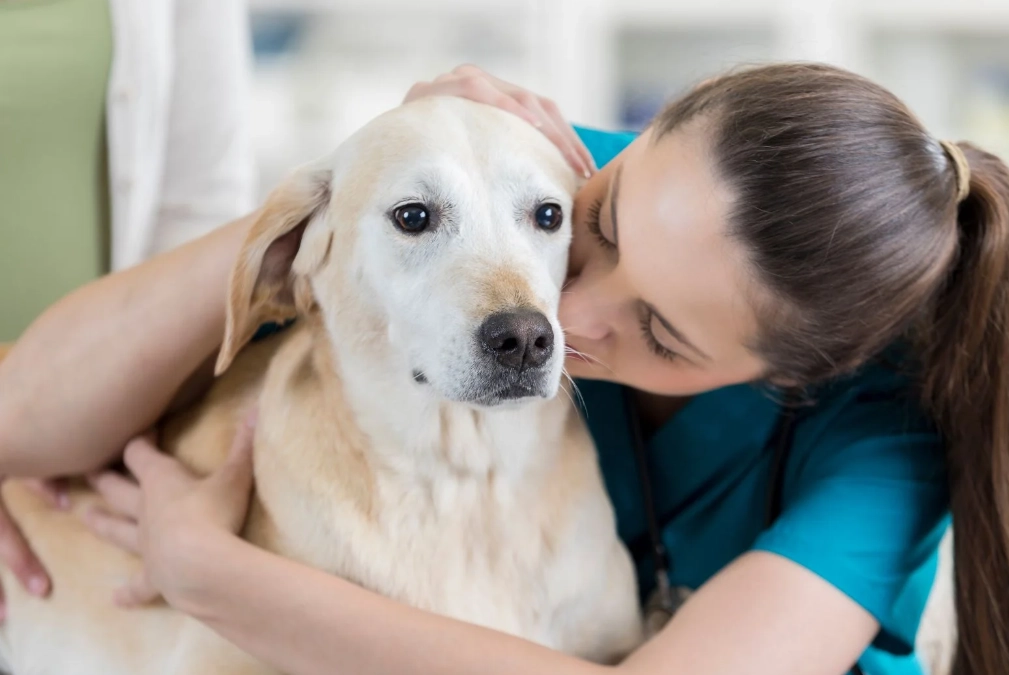
Combating Boredom and Anxiety
Destructive behavior is often just boredom. Mental exercise tires a dog out as much as physical exercise.
Puzzle feeders, snuffle mats, and training sessions work their brain. For dogs with separation anxiety (panting, drooling, destructive behavior when alone), gradual desensitization is key. Start by leaving for just 30 seconds, then a minute, and slowly build up. Never make a big deal out of arrivals and departures.
Consider this: a 20-minute sniffing walk is more enriching for your dog's brain than a 60-minute power walk where they're not allowed to stop and investigate.
Proactive Health & Veterinary Care
Don't wait for sickness. The goal is prevention.
Vaccinations and Parasite Prevention
Follow your vet's recommended vaccine schedule for core diseases like rabies, distemper, and parvovirus. For non-core vaccines (like Lyme or Bordetella), assess based on your dog's lifestyle and local risk.
Parasite prevention is a year-round commitment. Heartworm (transmitted by mosquitoes), fleas, and ticks aren't just nuisances; they cause serious diseases. Use vet-prescribed preventatives. Over-the-counter products can be less effective and sometimes unsafe.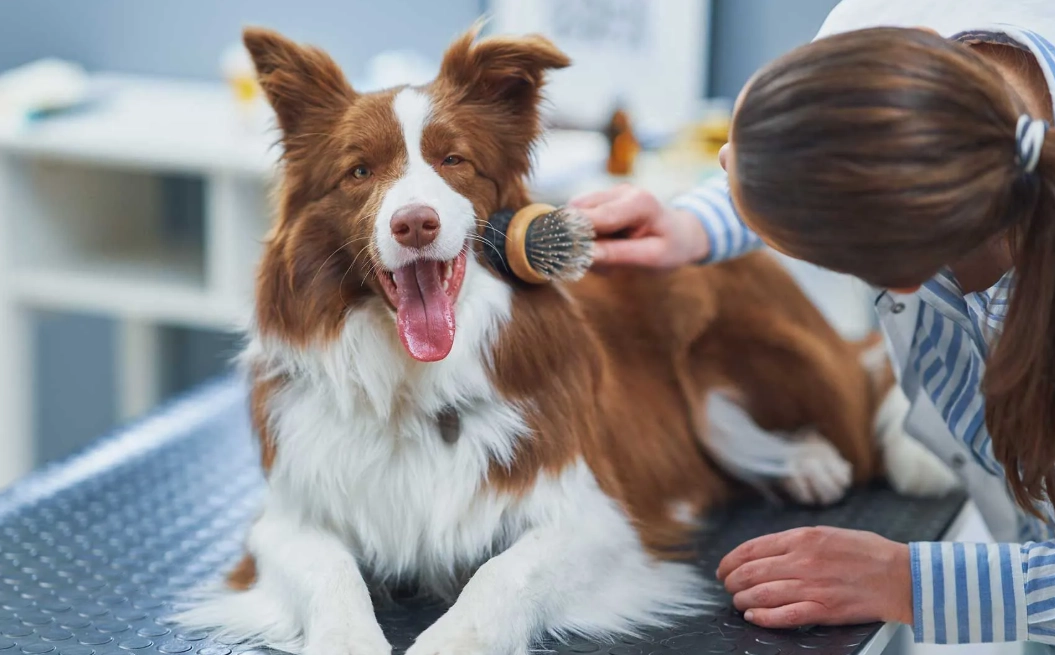
Understanding Your Dog's Vital Signs
Know what's normal for your dog:
| Vital Sign | Normal Range | How to Check |
|---|---|---|
| Temperature | 101.0°F to 102.5°F (38.3°C to 39.2°C) | Rectal thermometer (pet-specific). |
| Heart Rate | 70-120 beats per minute (smaller dogs are faster) | Place hand on chest behind left elbow. |
| Respiratory Rate | 15-30 breaths per minute (at rest) | Watch chest rise and fall. |
| Gum Color | Pink and moist | Lift lip to inspect. Pale, white, blue, or bright red gums are an emergency. |
Tailored Care for Every Life Stage
A puppy's needs are worlds apart from a senior's.
Puppies (0-1 year): This is about socialization (exposing them positively to people, places, sounds) and setting routines. They need frequent potty breaks, puppy-specific food, and gentle, short training sessions. Teething is real—provide plenty of appropriate chew toys.
Adults (1-7 years, varies by breed): Maintain consistency. This is the prime of life. Focus on weight management, continued mental stimulation, and annual vet check-ups to establish health baselines.
Seniors (7+ years): Shift to observation. They may need joint supplements, softer bedding, more frequent vet visits (every 6 months), and a diet formulated for seniors. Be patient—their hearing, sight, and cognitive function may decline. Adapt your home (e.g., use ramps for couches, provide night lights).
Your Dog Care Questions, Answered
My dog hates getting his nails trimmed and fights me. What's a better approach?
Forcing it creates a lifelong fear. Desensitize slowly over weeks. First, just touch his paw, give a treat. Next day, hold the paw, treat. Then, touch the paw with the clipper (no cutting), treat. Eventually, clip one nail, then throw a party with high-value treats. Do one nail a day if you have to. The goal is positive association, not a perfect manicure in one sitting. Consider a scratch board or having a professional handle it if the stress is too high for both of you.
How can I tell if my dog is in pain? They seem to hide it well.
Dogs are stoic. Look for subtle changes: reluctance to jump on furniture, taking longer to get up, licking a specific spot obsessively, a change in appetite, irritability, or panting when not hot. A tucked tail or hunched posture can signal abdominal pain. Any sudden change in normal behavior is your first clue that something's off.
 Is a raw food diet actually better for dogs?
It's a heated debate. Proponents claim shinier coats and cleaner teeth. The significant downsides are the risk of bacterial contamination (for you and your dog), nutritional imbalances if not formulated perfectly, and the potential for internal injuries from bones. The American Veterinary Medical Association (AVMA) discourages raw diets due to public health risks. If you're committed, consult a veterinary nutritionist to formulate a balanced diet—don't wing it from internet recipes.
My dog gets crazy "zoomies" every evening. Is this normal?
Absolutely normal, especially in younger dogs. Those frenetic bursts of energy are often a way to release pent-up energy or stress. It's usually harmless. Ensure they're getting enough physical and mental exercise during the day. Clear a safe space for them to run. If zoomies happen at inconvenient times (like right before bed), try incorporating a calming activity like a chew session or gentle training 30 minutes prior to help them settle.
Join the Conversation