Professional dog grooming isn't a luxury. It's a core part of preventative healthcare. A clean, well-maintained coat and trimmed nails do more than make your dog look good—they prevent painful mats, skin infections, and joint issues. But taking your dog to a pro every few weeks isn't always feasible. The good news? With the right knowledge and a dose of patience, you can achieve professional-level results at home. This guide cuts through the fluff and gives you the actionable, expert-backed techniques that actually work.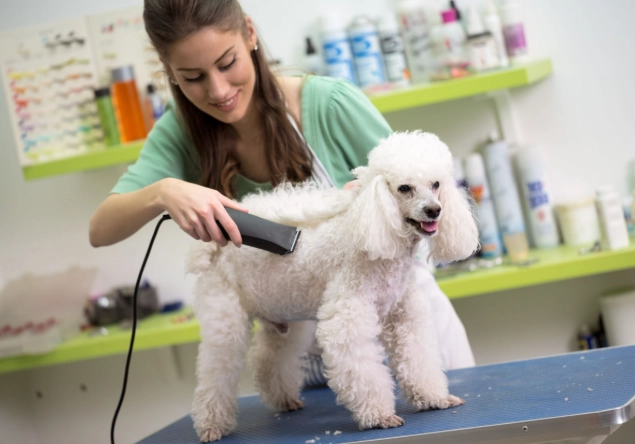
What You'll Learn in This Guide
The Non-Negotiable Grooming Toolkit
You can't do a professional job with amateur tools. Skipping the right brush is like trying to paint a wall with a toothbrush. Here’s what you actually need, based on coat type.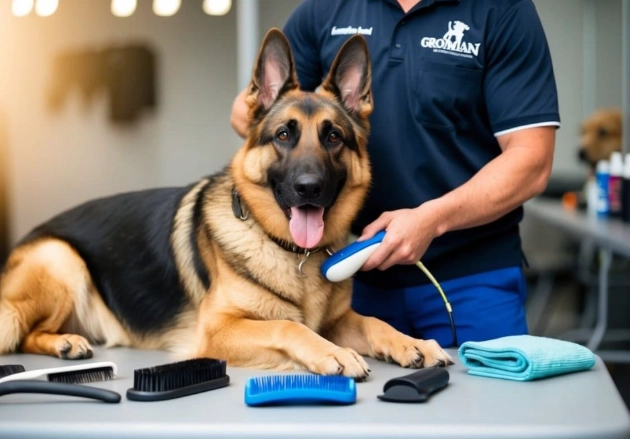
| Tool | Best For | Pro Tip (What Most Guides Miss) |
|---|---|---|
| Slicker Brush | All coat types to remove tangles & surface dirt. | Press too hard and you'll scratch the skin ("brush burn"). Glide it gently. If the pins don't fully penetrate the coat, you're not brushing effectively. |
| Undercoat Rake | Double-coated breeds (Huskies, Shepherds). | This is for removing dead undercoat, NOT for daily brushing. Use in the direction of hair growth in sections. Overuse can damage the healthy topcoat. |
| Greyhound Comb | Finishing tool for all coats, checking for mats. | After you think you're done brushing, run the comb from skin to tip. If it snags, you've found a hidden mat. This is the gold standard test. |
| Dog-Specific Clippers | Trimming fur on paws, sanitary areas, face. | Human clippers get hot and scare dogs. Dog clippers have finer blades and run cooler. A #10 blade is the safest, most versatile for beginners. |
| Scissor Types | Straight (trimming), Curved (shaping), Thinning (blending). | Dull scissors pull hair. Invest in one good pair of straight shears for safety trims. Thinning shears are advanced—misuse creates choppy, unnatural lines. |
I learned the hard way about cheap clippers. Trying to tidy my Poodle's face with a buzzing, hot, loud pair from a bargain bin was a disaster. He bolted, and I nearly nicked his lip. The right tools build confidence—for both of you.
How to Master the Professional-Grade Bath
Most at-home baths are ineffective or even harmful. The goal isn't just to get wet; it's to cleanse thoroughly without causing stress or skin problems.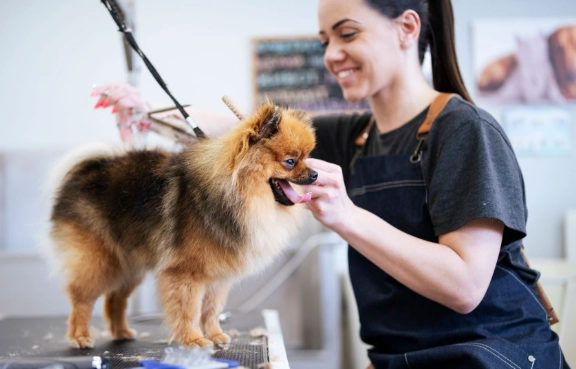
Pre-Bath Brushing: The Step Everyone Skips
Never, ever bathe a matted dog. Water tightens mats into cement-like pads against the skin, leading to hot spots and pain. Brush thoroughly with a slicker and confirm with your greyhound comb first.
The Wash Technique
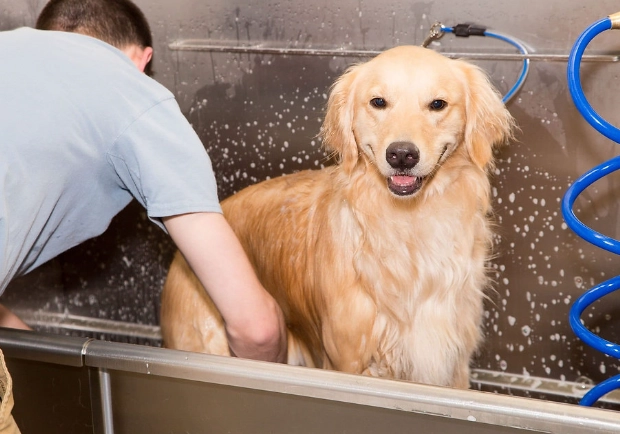
Lukewarm water is key. Too hot hurts, too cold is shocking. Use a handheld sprayer if possible. Wet the dog completely, down to the skin. Apply a dog-specific shampoo diluted according to the label. Human shampoo strips essential oils.
Start at the neck and work back, massaging in circles to create a rich lather. Don't forget the belly, armpits, and between the toes. Let the shampoo sit for 5-10 minutes if it's medicated (e.g., for itching).
Drying Like a Pro
Towel dry by blotting, not rubbing. For dogs that tolerate it, a force-dryer (not a human hair dryer) is fantastic. It blows water out of the undercoat and fluffs the hair. Keep the dryer moving and on a cool or warm setting. For double-coated breeds, drying with a high-velocity dryer while brushing is the ultimate de-shedding technique.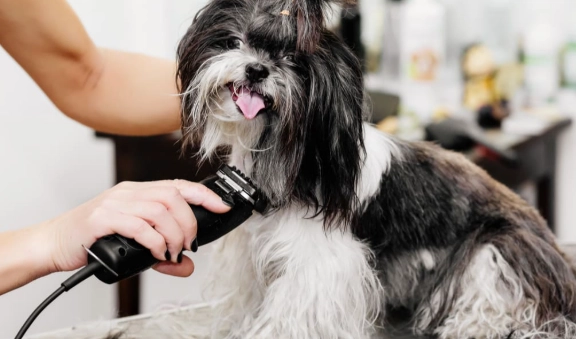
Nail Trimming Without the Drama
This is the biggest pain point for owners. The anxiety is usually yours, and your dog senses it.
First, find the quick. In light nails, it's the pink inner area. In black nails, it's invisible, so make small, conservative cuts from the underside and look for a whitish, chalky center. When you see a black dot in the center of the cut surface, stop—you're close to the quick.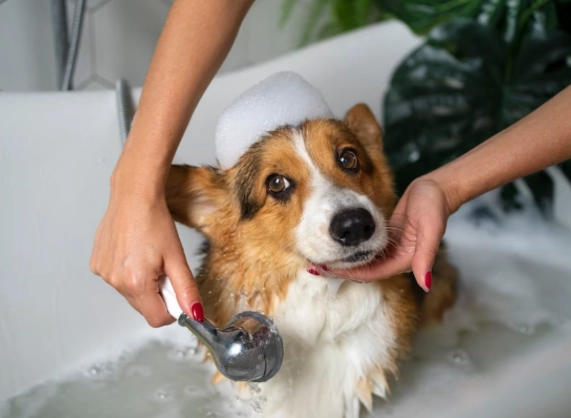
- Tool Choice: Guillotine trimmers work for small nails. Scissor-style or grinder tools offer more control for larger dogs. Grinders are great for rounding edges but can be scary due to noise and vibration.
- The Technique: Hold the paw firmly but gently. Make one confident, clean cut. Hesitating causes pinching. If you do nick the quick, stay calm. Use styptic powder or cornstarch with pressure. It stops. Don't make a huge fuss, or you'll teach your dog that bleeding gets a big reaction.
- Frequency: The "click-clack" test is your guide. Nails shouldn't touch the floor when standing. For most, that's every 2-4 weeks. More frequent, tiny trims help the quick recede.
Coat-Specific Strategies You Need to Know
Brushing a Poodle like a Labrador won't work. Tailor your approach.
Double Coats (Huskies, Retrievers): The cardinal rule? Do not shave them. Their coat is a natural insulator. Focus on relentless de-shedding with an undercoat rake and slicker brush, especially during seasonal "blows." Bathe with a de-shedding shampoo and conditioner, and blow dry while brushing.
Curly/Wiry Coats (Poodles, Terriers): These coats mat if you blink. They need frequent, line brushing. Part the hair and brush from the skin out in small sections. Many owners keep these coats clipped short for manageability. Professional grooming every 4-8 weeks is often necessary.
Long, Silky Coats (Yorkshire Terriers, Maltese): Daily brushing is non-negotiable. Use a detangling spray and a pin brush. Pay attention to high-friction areas: behind ears, armpits, under the collar. Keeping the hair tied up or trimmed around the eyes and mouth is both practical and safer.
Common Mistakes Even Experienced Owners Make
Let's be honest. We've all made errors. Recognizing them is the first step to better grooming.
1. Brushing Only the Top Layer. You create a false sense of security. A smooth top can hide a tangled undercoat. Always brush down to the skin.
2. Using Dull Blades or Scissors. A dull tool pulls hair, causing pain and creating a negative association. It also gives a jagged, unprofessional finish. Keep blades clean and sharp.
3. Grooming a Tired or Hyper Dog. Pick a calm time, after exercise. Trying to groom an overexcited puppy is a battle you'll lose.
4. Neglecting the "Sanitary Trim." Keeping hair short around the genitals and anus is crucial for hygiene and prevents messes. Use clippers with a #10 blade, carefully.
5. Not Checking Ears and Paws. Grooming isn't just hair. Clean ears weekly with a vet-approved solution. Check paw pads for cracks and trim excess hair between toes to improve traction and prevent matting.
Your Top Grooming Questions Answered
The journey to professional-level home grooming is about patience and precision, not perfection. Start with one skill—maybe just mastering the bath and dry—and build from there. Your dog's comfort and health are the ultimate metrics of success. When in doubt, there's no shame in consulting a professional groomer for a demonstration or tackling the tricky bits. A well-groomed dog is a visible sign of a deeply cared-for companion.


Join the Conversation