Getting the heat right in your reptile's tank isn't just about comfort—it's about survival. Reptiles are ectotherms. They rely on external heat to digest food, fight off illness, and have the energy to behave normally. A cold reptile is a sick reptile, and an improperly heated tank is one of the biggest reasons for vet visits. I've seen too many cases where a simple heating fix solved chronic health problems. Let's cut through the noise and get your setup dialed in perfectly.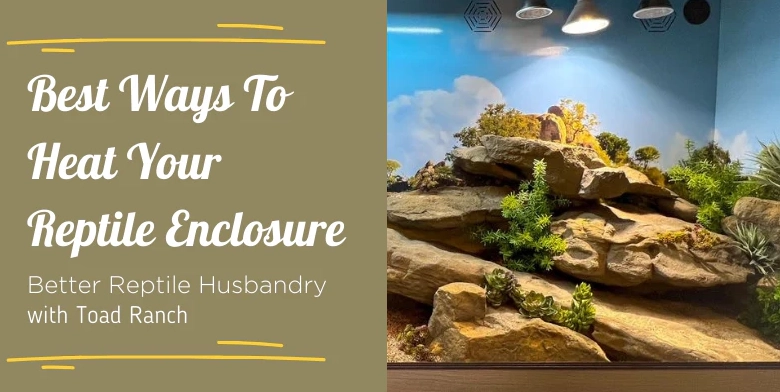
What You'll Learn in This Guide
Why Getting the Heat Right is Everything
Think of heat as your reptile's metabolic engine. Without it, everything slows down or stops. A basking spot that's off by just a few degrees can mean the difference between a thriving animal and one that's lethargic and refusing meals. I learned this the hard way years ago with a bearded dragon who became chronically constipated. Turns out, his basking spot was a cozy-looking 90°F, but he needed 105-110°F to properly digest his veggies and crickets. After fixing the temperature, he was a new dragon.
It's not just about one hot spot. You need to replicate the natural environment. In the wild, a reptile can move from full sun to dappled shade to a cool burrow. Your tank needs to offer that same choice. This is called a thermal gradient, and it's the single most important concept in reptile heating.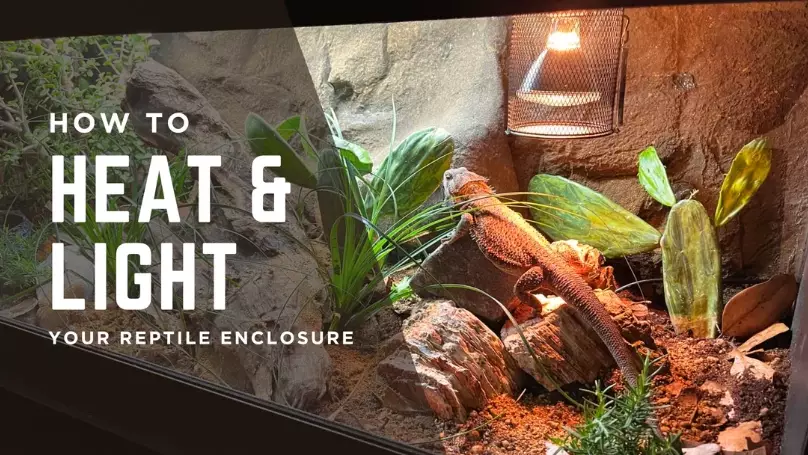
How to Create the Perfect Heat Gradient
Your goal is simple: one end warm, one end cool. The reptile self-regulates by moving. Here’s how to build it.
Step 1: Place Your Heat Source at One End
All heating equipment—lamps, ceramic emitters, heat panels—should be positioned over one end of the enclosure, not the middle. This instantly creates a warm zone directly below/next to the heater and a cool zone at the far end.
Step 2: Measure in Three Spots
Guessing is useless. You need digital thermometers with probes (the stick-on analog ones are notoriously inaccurate).
- Basking Surface Temperature: Place the probe right where your reptile will sit to bask (on the rock, branch, etc.). This is your hottest reading.
- Warm Ambient Temperature: Measure the air temperature in the warm end, a few inches away from the basking spot.
- Cool End Temperature: Measure the air at the far opposite end of the tank.
Step 3: Adjust Until You Hit the Targets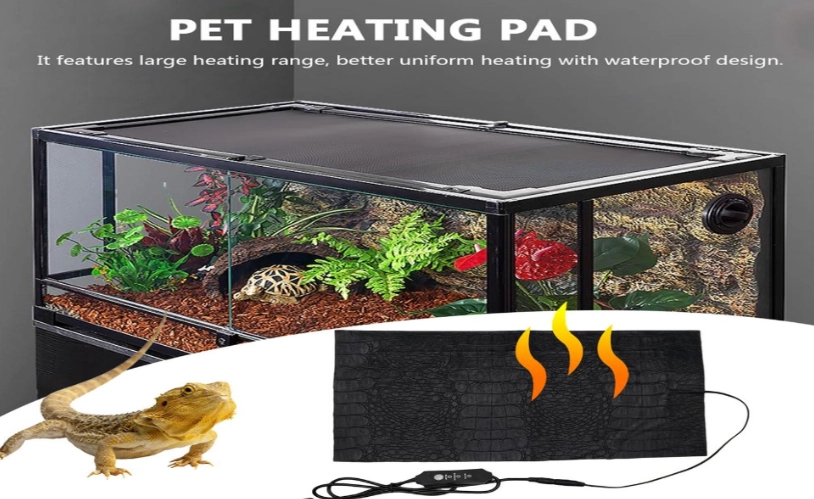
Use a thermostat (more on this critical tool next) to adjust the output of your heater. Raise or lower the heater if needed. The cool end should always be at least 10-15°F (5-8°C) cooler than the basking spot.
Here’s a visual of what you’re aiming for in a standard 4-foot enclosure:
[Imagine a rectangle representing a tank. The left third is shaded blue and labeled "Cool End: 75-80°F." The middle third is yellow and labeled "Mid-Gradient: 80-85°F." The right third is red with a sun icon and labeled "Basking Zone: Species-Specific (e.g., 95-105°F)."]
Choosing Your Heat Source: The Pros, Cons, and Best Uses
Not all heaters are created equal. The "best" one depends on your pet, your tank, and what you need the heat to do.
| Heat Source | Best For | Key Advantage | Major Drawback | My Personal Take |
|---|---|---|---|---|
| Ceramic Heat Emitter (CHE) | Providing ambient/background heat 24/7; nocturnal species. | No light emitted, great for night-time heat. | Only heats air, doesn't create a focused basking "sun." | My go-to for maintaining nighttime temps in snake tanks. Essential for ball pythons. |
| Deep Heat Projector (DHP) | Penetrating, naturalistic heat that mimics the sun. | Heats surfaces and air, more efficient than a CHE. | More expensive. Still needs a protective guard. | A fantastic modern option. I prefer this over CHEs for most applications now. |
| Incandescent/ Halogen Basking Lamp | Creating a hot, sunny basking spot for diurnal lizards. | Provides both heat and beneficial light in one. | Must be turned off at night, disturbing the day/night cycle. | Non-negotiable for bearded dragons, uromastyx, etc. It's their "sun." |
| Under Tank Heater (UTH) / Heat Mat | Supplemental belly heat for snakes; raising ambient temp in small tanks. | Inexpensive, simple. Good for creating a warm hide. | Dangerous if unregulated. Does not heat air well. Can cause thermal burns. | |
| Radiant Heat Panel (RHP) | Large enclosures, tall cages, or species that need even ambient warmth. | Safe, efficient, spreads heat evenly. Mounts on ceiling. | High upfront cost. Doesn't create a intense basking spot. | The premium, set-and-forget choice for bioactive setups or finicky species. |
The Thermostat: Your Most Important Purchase
If you buy one thing from this guide, make it a good thermostat. It's not an accessory; it's the brain of your heating system. A thermostat has a probe that measures temperature and turns your heater on or off to maintain your set point.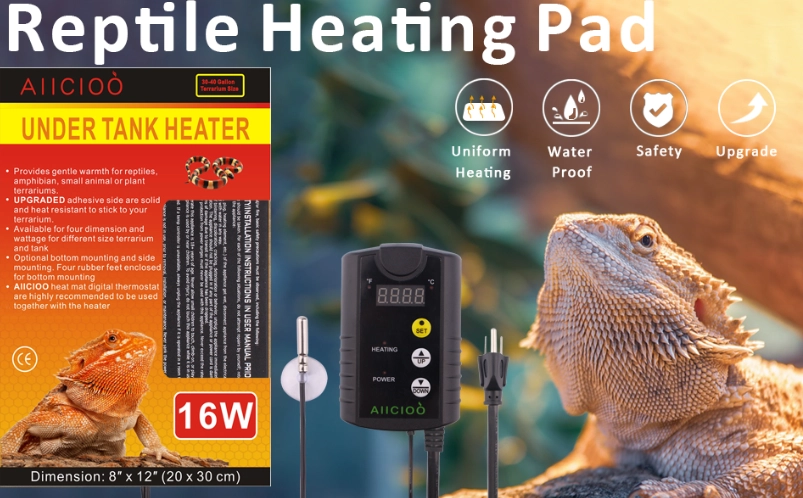
On/Off Thermostats are basic and cheap. They work like your home AC: heater goes full blast until it hits the temp, then shuts off completely. Fine for heat mats, not great for lamps (the constant on/off can shorten bulb life).
Pulse Proportional Thermostats are better for ceramic heaters and heat panels. They send quick pulses of power to finely control temperature.
Dimming Thermostats are the gold standard for basking lamps. They smoothly dim the bulb's intensity up and down, creating a perfectly stable basking temperature and mimicking the sun's natural rise and fall. Yes, they cost more. They're worth every penny for the welfare of light-and-heat-dependent species.
Set the thermostat probe securely at the exact location where you need to control the temperature—usually hanging an inch or two below the basking lamp or attached to the surface above a heat mat. Never let it dangle where the reptile can dislodge it or bask on it.
Heating Cheat Sheet for Popular Reptiles
General principles are great, but you need specifics. Here’s a quick reference. Remember, these are target basking surface temperatures. Always verify with your own thermometer.
- Bearded Dragon: Needs intense, localized heat. Use a halogen or basking lamp over a sturdy platform. Basking spot: 105-110°F. Cool end: 75-80°F. Nighttime temp can drop to 65-70°F. No night heat needed unless your house gets colder.
- Leopard Gecko: Lower heat requirements. An under-tank heater on one side of the tank, regulated by a thermostat, is the classic setup. Provide a warm hide directly over it. Basking surface: 88-92°F. Cool end: 70-75°F.
- Ball Python: No bright basking light needed. Focus on ambient warmth. A Deep Heat Projector or Ceramic Heat Emitter on a thermostat works well. Warm side ambient: 88-92°F. Cool side ambient: 75-80°F. A hide must be available in both zones.
- Crested Gecko: Room temperature is often sufficient (68-75°F). They thrive at cooler temps. If your room drops below 65°F, a low-wattage CHE on a thermostat can provide gentle heat. Avoid creating a hot basking area.
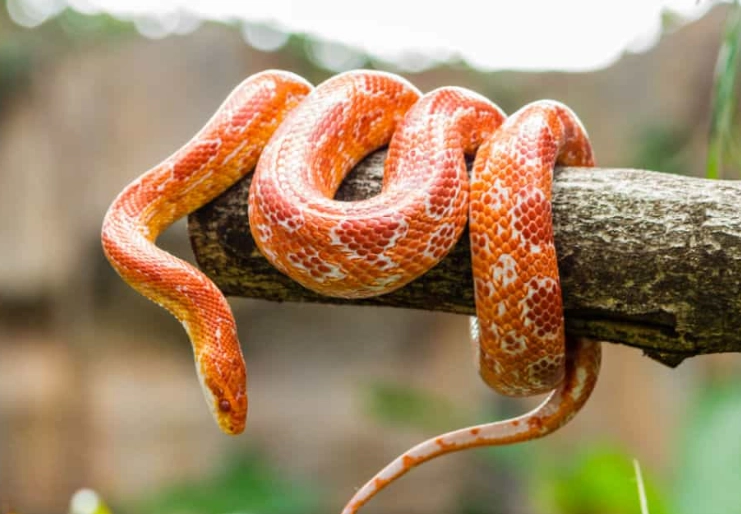
- Corn Snake: Similar to ball pythons but slightly cooler. Warm side: 85-88°F. Cool side: 70-75°F. A UTH or CHE works.
One nuance I rarely see mentioned: the wattage of your bulb doesn't matter as much as the distance from the basking surface and the thermostat controlling it. Start with a medium wattage (75-100W for a standard tank) and let the thermostat do the work. A 150W bulb on a dimming thermostat is safer and more stable than a 50W bulb running full-tilt trying to hit a number it can't reach.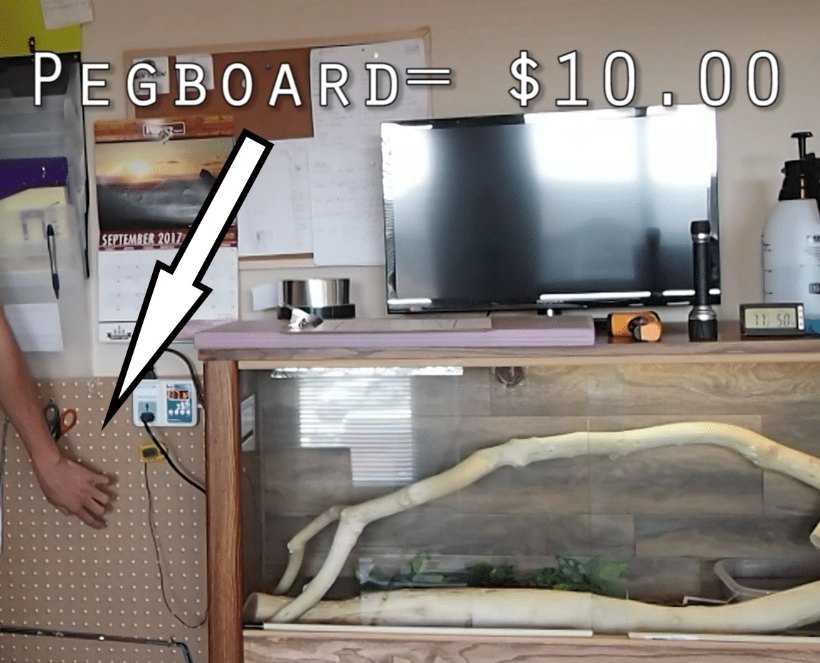
Troubleshooting Your Reptile Heating Setup
My heat mat feels barely warm to the touch. Is it broken?
My leopard gecko never uses his warm hide. He just stays in the cool side. What's wrong?
 Can I use a heat rock?
How do I heat a reptile tank at night without disturbing their cycle?
My room gets very cold in winter. My heat lamp can't get the tank warm enough.
Setting up proper heating is the foundation of good reptile keeping. It requires an initial investment in the right tools—digital thermometers, a reliable thermostat, and appropriate heaters. But once it's dialed in, it runs quietly in the background, giving you a healthy, active pet and peace of mind. Skip the shortcuts. Your reptile's health literally depends on the choices you make about its heat.


Join the Conversation