Quick Guide
- What Exactly Is a DIY Cat Toilet Training Kit?
- The Good, The Bad, and The Messy: Weighing Your Decision
- Building Your Own DIY Cat Toilet Training Kit: A Step-by-Step Blueprint
- Critical Safety and Behavioral Considerations
- Common Problems & Troubleshooting Your DIY Setup
- Was It Worth It? Final Thoughts from a Realistic Perspective
Look, I get it. The dream is powerful. No more dusty litter tracked across the kitchen floor. No more weekly trips hauling heavy, clumping clay. Just a flush, and it's all gone. The idea of a cat using the human toilet feels like the pinnacle of modern pet ownership. And when you see those pricey pre-made kits online, the thought pops up: "I could probably make that myself." A DIY cat toilet training kit seems like a clever, budget-friendly hack.
But here's the real talk from someone who's been down this road: it's not as simple as putting a bowl under the seat. It's a serious behavioral project with a high chance of failure if you rush in unprepared. This guide isn't here to sell you a fantasy. It's here to walk you through the gritty, practical details of whether you should attempt it, how to actually build a functional kit, and what to do when (not if) you hit a snag.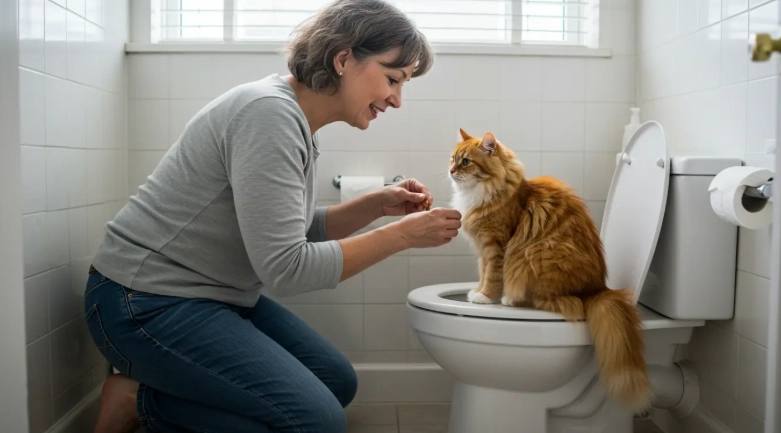
What Exactly Is a DIY Cat Toilet Training Kit?
At its core, a DIY cat toilet training kit is a series of temporary platforms you place inside your toilet bowl. The goal is to gradually transition your cat from a litter box on the floor, to a litter box over the toilet, to finally using the toilet itself. The "DIY" part means you're sourcing and assembling these transition stages yourself, rather than buying a commercial product like the Litter Kwitter or CitiKitty.
The basic principle is desensitization and incremental change. You're slowly getting your cat comfortable with the height, the sound, and the instability of the toilet while maintaining the substrate (litter) they know. Then, you slowly remove the litter and create a hole, until they're balancing on the seat and aiming into the water.
I tried a commercial kit years ago with my first cat, Whiskers. He was a bold, adaptable guy. We made it to the stage with the small hole before he just started refusing. He'd hop up, look at the tiny target, and meow loudly at me in protest. I realized I was pushing him too fast for my own convenience, not his comfort. We went back to a litter box, and he was much happier. That experience taught me more than any success story could.
The Good, The Bad, and The Messy: Weighing Your Decision
Before you raid the hardware store, let's break this down honestly.
The Potential Upsides
- Cost Savings: Obviously, the main appeal. A commercial kit can run $30-$50. A DIY version might cost you the price of a plastic tub and some zip ties.
- Customization: You can tailor the sizes and hole progression to your specific toilet bowl and your cat's size. A large Maine Coon needs a different setup than a petite Siamese.
- No Litter Costs/Waste: If successful, you eliminate ongoing litter purchases and reduce your environmental footprint from mining clay or disposing of used litter.
- Space Saving: Gets rid of the litter box footprint, great for tiny apartments.
The Definite Downsides & Risks
- High Failure Rate: Many cats find the process unnatural and stressful. Instinct tells them to dig and cover in a stable, private location. A toilet is none of those things.
- Potential for Accidents: Missed aims or outright refusal can lead to urine or feces on your bathroom floor, or worse, on your rugs.
- Multi-Cat Household Chaos: Nearly impossible if you have more than one cat. You'd need multiple toilets in training, or deal with territorial issues and regression.
- Accessibility Issues for Cats: Older cats, kittens, or cats with arthritis, mobility issues, or vision problems should never attempt this. The jump and balance required can be painful or dangerous.
- You Lose a Health Monitor: Litter box output is a primary way to spot health problems (blood in urine, diarrhea, changes in frequency). Flushing it away immediately means you might miss early warning signs.
- Inconvenience for Humans: During training, that bathroom toilet is largely out of commission for people. You'll be constantly setting up and taking down the training apparatus.
See what I mean? It's a big list of cons. A DIY cat toilet training kit project is a commitment. You have to ask yourself: is the potential payoff worth the risk of creating a litter box aversion or a stressed-out pet?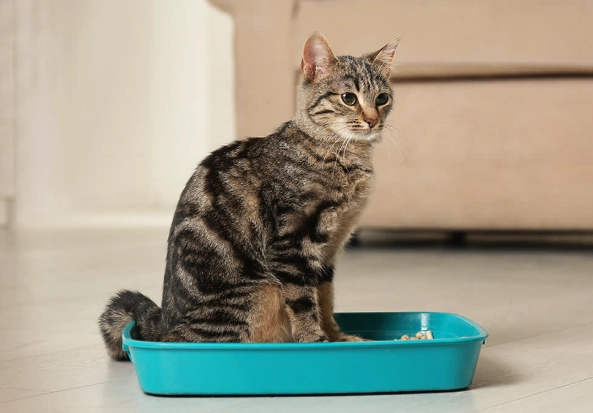
Building Your Own DIY Cat Toilet Training Kit: A Step-by-Step Blueprint
Alright, if you've read the cons and you're still determined to try, let's get into the nuts and bolts. Here's how to build the most common and effective version.
Materials You'll Need to Gather
You can find most of this at a dollar store or hardware shop.
| Item | Purpose & Notes | DIY Alternative/Note |
|---|---|---|
| Shallow, wide plastic tub or tray | This will be your base "litter box" that sits inside the toilet bowl. It MUST be sturdy and fit snugly. | An oil drip pan or a shallow storage bin often works. Measure your toilet bowl first! |
| Second, identical tub (or foam board) | This becomes your "platform" that raises the litter level. You'll cut holes in it. | Some people use layers of corrugated plastic or foam insulation board for lighter weight. |
| Strong duct tape or zip ties | To secure the base tub to the toilet bowl rim for stability. Critical for safety. | Velcro straps can also work for easier removal. |
| Utility knife or hole saw | For cutting progressively larger holes in the platform. | Take your time and make clean cuts to avoid sharp edges. |
| Sandpaper or file | To smooth any rough edges from cutting. | Don't skip this. Rough plastic can hurt your cat's paws. |
| Your cat's preferred litter | Start with what they know and love to encourage use. | Clumping litter is easier to clean from the trays initially. |
| Non-slip bath mat | To place in front of the toilet, giving your cat a secure landing pad. | This small addition boosts confidence immensely. |
The Training Stages: Patience is Not Optional
This is where most people fail. They move too fast. Each stage should last a minimum of one week, or until your cat is using it consistently and confidently without a single accident elsewhere. If there's an accident, you may need to go back a stage.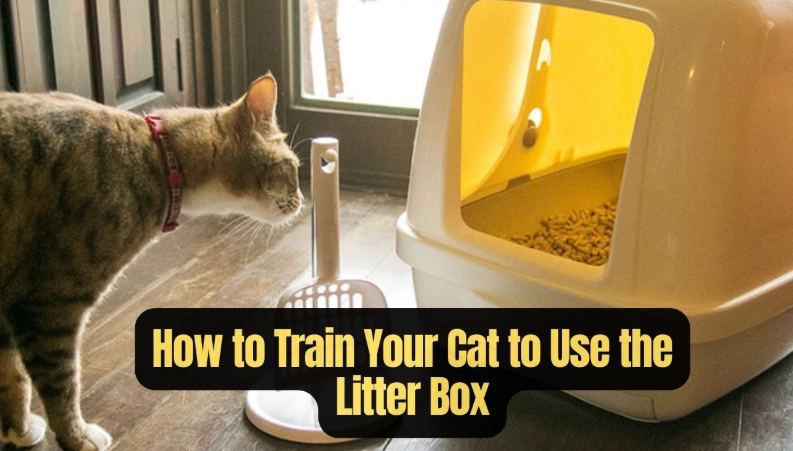
Stage 1: Location, Location, Location. Don't even use the toilet yet. Move your cat's current litter box right next to the toilet. Let them get used to doing their business in the bathroom. Once they're comfortable, start raising the litter box an inch or two every few days using books or a small stool, until it's level with the toilet seat. This gets them used to the jump.
Stage 2: The Toilet Transition. Remove the raised box. Secure your DIY base tub (the one without holes) snugly inside the toilet bowl. Fill it with a couple of inches of their usual litter. The seat should be up, and the tub should be very stable—test it with your hands. This is your first true DIY cat toilet training kit setup. Your cat now has to jump onto the seat and into the tub. Praise them lavishly when they do.
Stage 3: Introducing the Platform. Now, place your second tub (or foam platform) inside the first one. Initially, use it with NO hole. It just raises the litter surface closer to the seat. Let your cat adjust to the slightly different feel.
Stage 4: The Hole Progression. This is the critical phase. You will now cut holes in the platform.
- Start with a very small hole (1-2 inches) in the center of the platform.
- After a successful week, cut that hole to be about 3-4 inches wide.
- The next stage is a hole that takes up most of the platform, leaving just a 2-3 inch rim for them to stand on.
- Finally, remove the platform entirely, so they are just using the base tub. Now, start reducing the amount of litter in the base tub, a little each day, until there's just a sprinkling.
Stage 5: The Final Move. Remove the base tub completely. Your cat should now be aiming for the water in the toilet bowl. Leave the toilet seat up for them always, and consider a toilet seat insert with a softer closing mechanism to prevent scary slams.
Critical Safety and Behavioral Considerations
This isn't just about mechanics; it's about your cat's well-being.
Never force or punish. If your cat is hesitant, meowing, or having accidents, they are communicating. Pushing them will only create a negative association with the bathroom itself. The American Society for the Prevention of Cruelty to Animals (ASPCA) has great general resources on litter box problems and stress that apply here. The principles of positive reinforcement and identifying stressors are the same.
Water fears are real. Some cats are terrified of the sound of flushing or even the water in the bowl. You can try acclimating them by flushing only when they are not in the room, at first.
The senior cat and kitten rule. I'll say it again: don't try this with very young or old cats. Their bodies aren't built for the acrobatics. The International Association of Animal Behavior Consultants (IAABC) emphasizes that any training must consider the animal's physical capabilities first. The jump down from a toilet can be hard on joints.
Always have a backup plan. Keep a regular litter box accessible in another room during the entire months-long process. If your cat chooses it over the toilet, they are telling you they need it. Listen to them.
Common Problems & Troubleshooting Your DIY Setup
Things will go wrong. Here's how to handle the most common hiccups.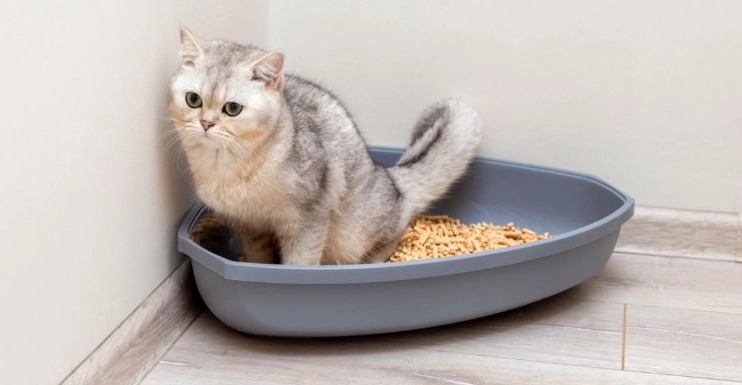
Q: My cat won't even jump onto the toilet seat. What now?
A: You went too fast. Go back to having the litter box right next to the toilet on the floor. Make the jump easier. Use treats and praise to encourage exploration of the seat when the toilet isn't involved. The goal is positive association, not coercion.
Q: She uses it to pee, but poops on the bathmat.
A: This is incredibly common. Pooping requires a more stable, secure posture. The feeling of the seat or the tub on the toilet might feel too precarious. This is a major sign your cat is uncomfortable. Consider if this is the right path, or at least pause and go back to a stage with a more solid surface (like the platform with a very small hole).
Q: The whole setup keeps sliding into the bowl! It's wobbly.
A: This is a design flaw and a safety hazard. Your base tub must be securely fastened to the toilet rim with strong tape or zip ties. A wobbling toilet training kit will destroy your cat's confidence. Reinforce it. Test its stability with firm pressure from all sides before letting your cat use it.
Q: My cat seems anxious and is hiding more since we started.
A: Stop immediately. This is the clearest sign that the process is causing harmful stress. Abandon the DIY cat toilet training kit project entirely and return to a traditional, low-sided litter box in a quiet, accessible location. Your cat's mental health is more important than a litter-free home.
Was It Worth It? Final Thoughts from a Realistic Perspective
After my experience with Whiskers and talking to other cat owners, my personal view on DIY toilet training kits is cautious. For the vast majority of people and cats, a well-maintained, large, open litter box with a cat-friendly litter is still the best, lowest-stress solution. The Humane Society of the United States outlines the core needs: cleanliness, accessibility, and the right substrate. A toilet often fails on two of those three points.
The allure of the DIY cat toilet training kit is strong—it feels like a clever life hack. And for a tiny subset of bold, adaptable cats owned by exceptionally patient and observant humans, it can work. But you have to go in with your eyes wide open. It's a months-long behavioral modification project with a high probability of failure or abandonment.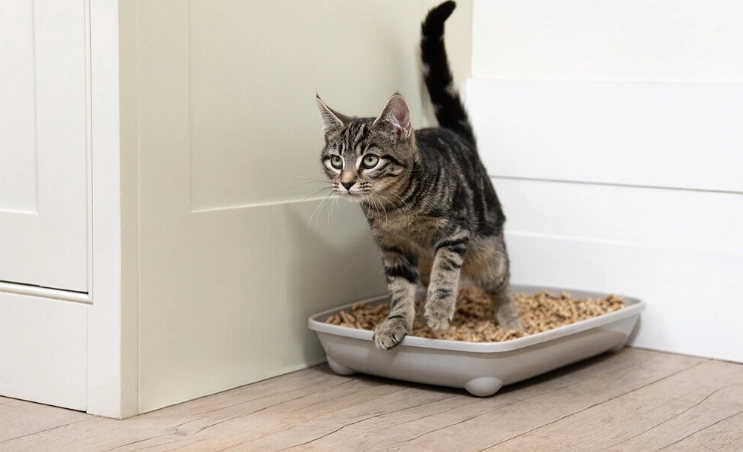
If you do try, let your cat set the pace. Celebrate the tiny victories. And be prepared to call it quits, without guilt, if it's just not working. A happy cat using a litter box is infinitely better than a stressed cat who starts peeing on your couch because you wanted a slightly more convenient bathroom routine. Your relationship with your pet is what matters most.
Good luck, and may the odds (and your cat's cooperation) be ever in your favor.


Join the Conversation