Quick Guide
- What Exactly IS a Cat Toilet Training Kit?
- The Good, The Bad, and The Messy: Weighing the Pros and Cons
- Is YOUR Cat a Good Candidate for Toilet Training?
- Getting Started: Your Pre-Training Checklist
- The Step-by-Step Training Process (The Nitty-Gritty)
- Common Problems & Troubleshooting (The "Oh No" Section)
- Beyond the Kit: Important Health & Behavioral Considerations
- The Final Flush: Making Your Decision
Let's be honest. The litter box is the worst part of having a cat. The smell, the tracking, the constant scooping... it's a chore nobody loves. A few years back, I saw those viral videos of cats flushing toilets on their own and thought, "That's it. That's the dream." So I dove headfirst into the world of the cat toilet training kit. I bought one, followed the instructions, and let me tell you, the journey was... educational. It wasn't the overnight miracle some ads promise, but it completely changed how I manage my home and my cat's bathroom habits.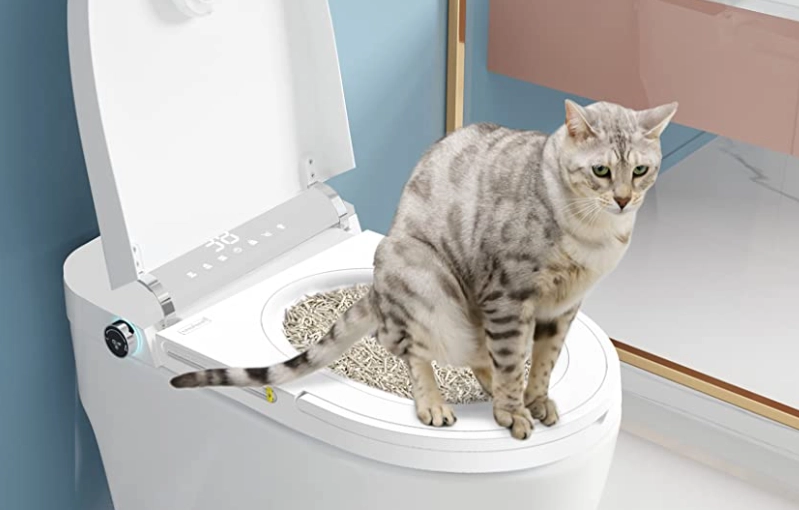
This isn't a sales pitch. This is a deep-dive from someone who's been through the process, made mistakes, and finally got it to work. We'll talk about the good, the bad, the messy, and whether a toilet training kit for cats is even right for your particular furry overlord.
What Exactly IS a Cat Toilet Training Kit?
It's not magic. At its core, a cat toilet training kit is a set of plastic rings or trays that you place under your toilet seat. The idea is brilliantly simple: you start with a tray that has a hole in the center, filled with a special litter that's flushable. Over several weeks, you swap in new trays from the kit where the hole gets progressively larger. Your cat gets used to balancing on the seat and doing their business over the water. Finally, you remove the tray altogether, and voilà – your cat is using the human toilet.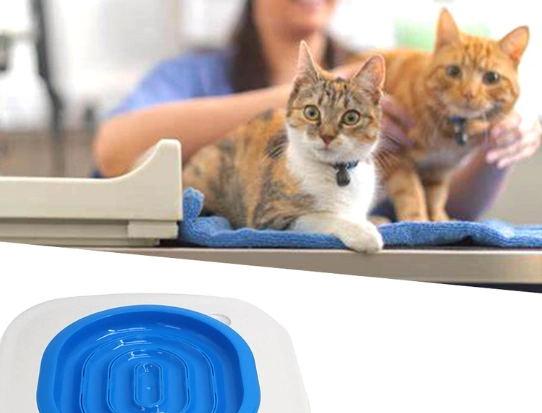
The theory is solid. Cats are creatures of habit and location. The kit works by gradually moving their "bathroom spot" and changing its texture under their paws until they're comfortable with the final setup. Most kits, like the popular Litter Kwitter or CitiKitty systems, operate on this same basic step-up principle.
The Good, The Bad, and The Messy: Weighing the Pros and Cons
Before you get excited and click "buy now," you need a serious reality check. This isn't for every cat or every human. Here’s the unfiltered breakdown.
| The Awesome Benefits (The "Why You'd Bother") | The Real Challenges & Drawbacks (The "Why You Might Quit") |
|---|---|
| No More Litter Costs & Mess: This is the big one. You say goodbye to buying bags of litter forever. No more gritty litter tracked all over your floors, beds, or sofas. Your home simply feels cleaner. | It's a Process, Not a Quick Fix: Training can take 4 to 8 weeks, sometimes longer. It requires consistent daily effort from you. If you travel a lot or have an inconsistent schedule, it will likely fail. |
| Eliminates Litter Box Odor: When a cat uses the toilet, the waste is in water, dramatically containing smells. Flush immediately, and the odor is gone. No more "litter box room" smell. | Not All Cats Are Candidates: Older cats, very young kittens, cats with arthritis or balance issues, and some just plain stubborn cats may never adapt. It can be a major source of stress for them. |
| Hygiene & Convenience: Just flush. That's it. No scooping, no bagging, no taking out a heavy, smelly bin. For small apartments or people with mobility issues, this can be a game-changer. | You Lose a Health Monitoring Tool: The litter box is a diagnostic tool. Changes in urine clump size, stool consistency, or frequency are early signs of illness. When your cat uses the toilet, you lose this vital visual check. |
| Great for Multi-Pet Homes: No more territorial issues over litter boxes. Each pet can have their own "bathroom time" on the same toilet. | Accidents & Balance Issues: Especially in the early stages, misses happen. A cat can slip, or their aim can be off. You might be cleaning the floor or the seat more often during training. |
| Space Saving: You reclaim the floor space taken up by one or more litter boxes. In a tiny home, this is valuable real estate. | It's Your Toilet Now Too: You have to remember to leave the seat up and the lid open for your cat. Forgetting means an accident on the floor or, worse, a stressed cat holding it in. |
See what I mean? The pros are incredibly tempting, but the cons are serious lifestyle and welfare considerations. The biggest mistake I made was not considering my cat's personality first.
Is YOUR Cat a Good Candidate for Toilet Training?
This is the most important question. Throwing a cat toilet training system at the wrong cat is a recipe for failure and frustration for both of you. Let's break it down.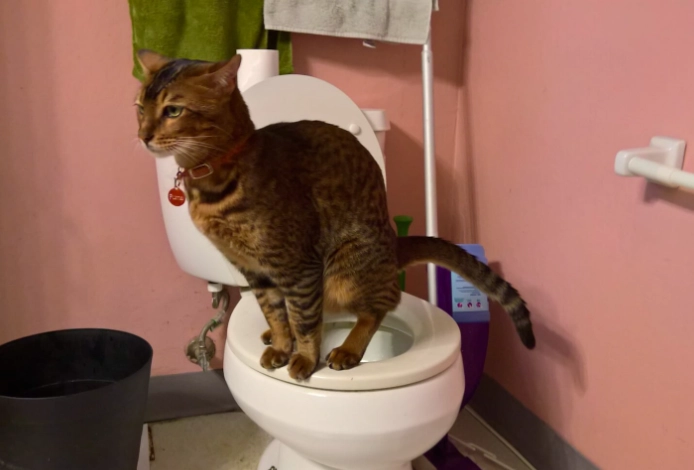
Probably a YES if your cat is:
- Confident and adaptable to change.
- Generally good with learning tricks or routines.
- Already shows curiosity about the bathroom or toilet.
- Agile and has good balance (no mobility issues).
- Between 6 months and 8 years old (the prime learning age).
Think Twice, or Probably a NO if your cat:
- Is elderly, has arthritis, or has any physical limitation.
- Is a very young kitten (under 6 months).
- Is extremely timid, anxious, or stresses easily.
- Has a history of urinary tract issues (the posture can be problematic).
- Is a "pawer" who digs excessively in litter (they need that digging sensation).
Jackson Galaxy, the well-known cat behaviorist, often discusses the importance of meeting a cat's natural instincts. For some cats, the act of digging and covering is a non-negotiable part of their elimination ritual. Taking that away via a toilet training kit can cause anxiety. It's crucial to observe your cat's existing litter box habits closely before deciding.
Getting Started: Your Pre-Training Checklist
Okay, you've weighed the pros and cons, looked at your cat, and decided to give it a shot. Don't just rip out the litter box yet. Preparation is 80% of success.
What You'll Need to Buy/Gather
- The Kit Itself: Research the main brands. Litter Kwitter is often seen as the more robust, multi-stage system. CitiKitty is a simpler, often more affordable design. Read reviews, not just on the sales site, but on independent forums and Reddit (like r/CatTraining).
- Flushable Cat Litter: This is NOT regular clay litter. You must use a litter made from materials like corn, wheat, paper, or pine that will safely dissolve in water and not clog your pipes. Brands like World's Best Cat Litter (corn-based) or Feline Pine are popular choices. Pro Tip: Mix a handful of their old litter into the new flushable kind for the first few days to ease the texture transition.
- Enzymatic Cleaner: You will have accidents. A cleaner like Nature's Miracle is essential to completely remove odors so your cat isn't tempted to go in the same spot again.
- Patience and a Sense of Humor: Seriously. Stock up.
Setting the Stage for Success
First, move your cat's current litter box. Don't laugh—this is the first critical step. Over the course of a week, move the litter box inch by inch until it's right next to the toilet you plan to use. This gets them used to the bathroom as the new "zone."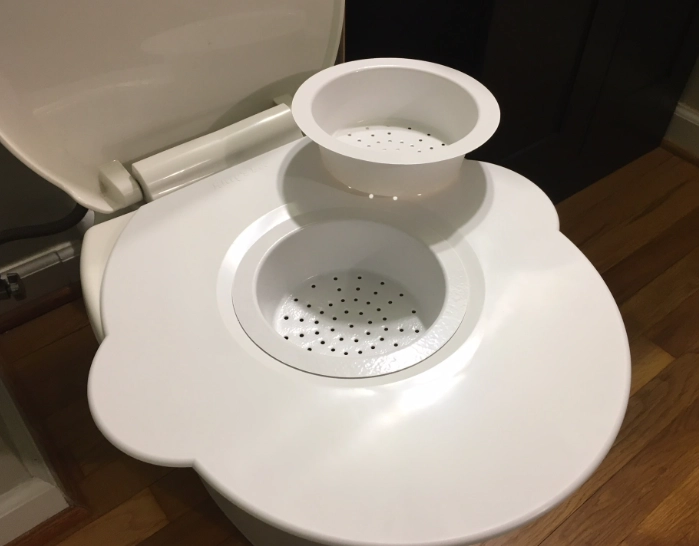
Next, raise it. Over another few days, stack old phone books or a stable platform under the box until the top of the litter is level with the toilet seat. This prepares them for the jump and the height.
Finally, ensure the toilet room is always accessible. The door must stay open, and the seat must stay up from now on. Inform everyone in the house. A closed door is the number one cause of training accidents.
The Step-by-Step Training Process (The Nitty-Gritty)
Now we get to the actual cat toilet training method. This is where most guides gloss over the details. I won't.
- Stage 1: The Box on the Toilet. Place the training kit's first tray (the one with the smallest hole) securely on the toilet bowl. Fill it with a couple inches of flushable litter. Remove the old litter box entirely. Your cat now has no choice but to use this new setup. This stage is about them accepting the location and the new litter. Give them at least 5-7 days, or until they are using it confidently with no accidents elsewhere.
- Stage 2: Introducing the Hole. Swap to the next tray in the kit, which has a slightly larger hole. The litter area is smaller. Your cat must now balance more precisely. This is often where you'll see hesitation or some creative squatting. Be patient. Keep the area immaculately clean. This stage might also take a week.
- Stage 3: Progressively Larger Holes. Continue moving through the kit's stages, each time increasing the hole size and decreasing the litter area. The pace is set by your cat. Don't rush. If they seem stressed or start having accidents, go back a stage for a few more days. The goal is to build confidence, not fear.
- Stage 4: The Final Tray (The "O-Ring"). Most kits end with a thin ring or a tray that's mostly hole with just a tiny lip for litter. This is the last step before the open toilet. The cat is now essentially balancing on the seat and aiming into a very small target. You'll use very little litter here, just enough to give a hint of texture.
- The Grand Finale: Removing the Kit. One day, after your cat is a pro with the final ring, just take it away. Leave the toilet seat up. They should hop up and use the open toilet. The first time you see it happen, it feels like you've won a gold medal. Celebrate with treats!
But is it really that simple? Of course not. Here's what they don't tell you in the manual.
Common Problems & Troubleshooting (The "Oh No" Section)
You will hit snags. Here’s how to handle them.
Problem: My cat refuses to jump on the toilet with the kit installed.
Solution: You moved too fast. Go back to having the litter box right next to the toilet on the floor. Use high-value treats (chicken, tuna) to lure them onto the closed toilet lid, then onto the seat (with the kit off). Make it a positive place. Then reintroduce the kit.
Problem: My cat uses the kit but also pees on the bathmat/floor.
Solution: This is a clear sign of stress or a dislike of the setup. First, rule out a medical issue with a vet visit (UTIs can cause this). If they're healthy, you may be advancing stages too quickly. Go back a stage. Also, the bathmat smell might be inviting—wash it thoroughly with enzymatic cleaner and remove it from the room entirely during training.
Problem: My cat balances on the seat but their rear end is pointed outside the bowl!
Solution: A classic. It means the hole isn't centered for them. You may need to physically adjust the tray's position on the bowl. Some cats also need to be "guided"—gently (and I mean gently) repositioning them while they're on the toilet to face the correct direction, followed by massive praise and treats when they finish in the right spot.
Problem: What about poop? My cat pees fine but poops on the floor.
Solution: The posture for defecation is different and can feel less secure. Ensure the training tray is rock-solid with no wobble. Sometimes, keeping a tiny bit more litter in the tray for the poop stage provides the secure feeling they need. Patience is key here.
Beyond the Kit: Important Health & Behavioral Considerations
This isn't just about convenience. It's about your cat's wellbeing.
The posture for using a toilet isn't natural for a cat. In a natural squat, their hindquarters are low, allowing for full bladder emptying. On a toilet seat, they are in a semi-squat, which for some cats, especially males, might not allow complete voiding. This could potentially contribute to urinary issues. This is a debated topic, but it's a risk to be aware of. The International Cat Care organisation emphasises the importance of providing an environment that meets all of a cat's behavioural needs, and for some cats, a litter substrate is a core part of that.
You also lose the ability to monitor output. How do you check for health problems? You have to be extra vigilant. Watch for changes in frequency (trips to the toilet), listen for unusual sounds (straining), and notice any changes in behavior around the bathroom. Weigh your cat regularly. When in doubt, a vet visit is crucial.
What if you have multiple cats? You need multiple toilets, or you need to train them all to use the same one but ensure it's kept scrupulously clean. A dirty toilet will deter a cat just like a dirty litter box. The rule of "one box per cat plus one extra" translates loosely to accessibility. If you have two cats and one toilet, you must be religious about flushing immediately.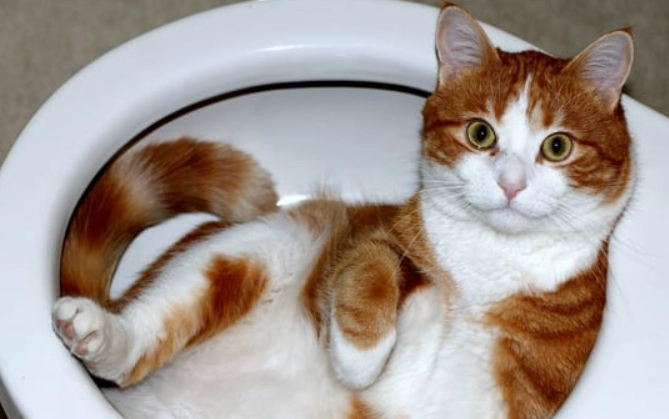
The Final Flush: Making Your Decision
So, after all this, is a cat toilet training kit worth it?
For me, with my specific, adventurous, and healthy cat, it absolutely was. The freedom from litter is incredible. But I went into it with my eyes open, ready for a two-month project, and prepared to abandon it if my cat showed any significant stress.
It's not a decision to make lightly. It's a significant behavioral modification. It requires you to be more attentive to your cat's health in other ways. It changes the dynamics of your bathroom.
If your primary motivation is just to avoid scooping litter, maybe look at a high-quality self-cleaning litter box first. It's a less invasive solution. But if you're ready for the commitment, have a suitable cat, and dream of a litter-free existence, then a toilet training kit for your cat can be one of the most rewarding pet projects you'll ever undertake.
Start by observing your cat. Do they follow you into the bathroom? Are they unbothered by change? If you see that spark of adaptability, then maybe, just maybe, you can teach an old (or young) cat new tricks.

Join the Conversation