Quick Guide Highlights
- Is Your Cat Even a Candidate for Outdoor Potty Training?
- Step-by-Step: How to Train Your Cat to Poop Outside Without a Litter Box
- Indoor Litter Box vs. Outdoor Potty: The Honest Breakdown
- Safety and Health: The Non-Negotiables
- Answering Your Big Questions (FAQs)
- Wrapping It Up: Is It Worth The Effort?
Let's be honest, dealing with a litter box is nobody's favorite part of having a cat. The smell, the tracking, the constant scooping... it's a chore. So the idea of your cat just taking care of business outside, like a dog, sounds like a dream, right? I thought so too. A few years back, I decided to see if I could figure out how to train my cat to poop outside without a litter box. It wasn't an overnight success, and honestly, it's not for every cat or every situation. But if you're determined, patient, and your circumstances are right, it can be done. This guide is everything I learned the hard way, plus a lot of research to fill in my gaps.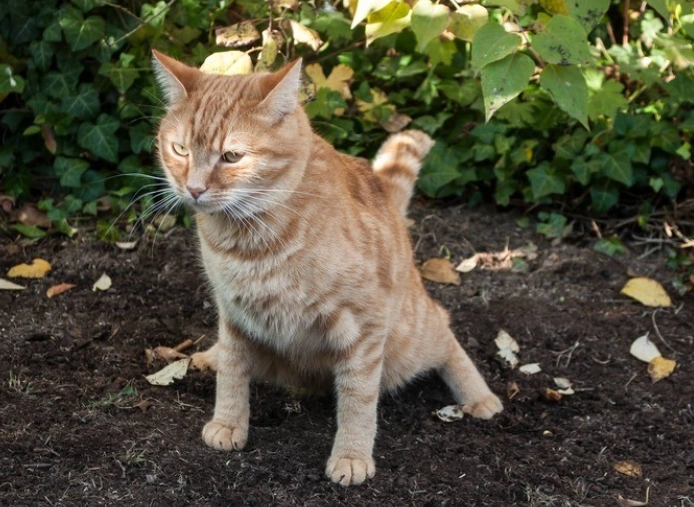
The first thing you need to wrap your head around is that cats aren't dogs. You can't just shove them out the door and expect them to know what to do. Their bathroom habits are deeply tied to safety, substrate (the stuff they go on), and routine. Messing with that without a solid plan is asking for trouble—like your favorite rug becoming the new “spot.” So we're going to move slow, think like a cat, and set everyone up for success.
Is Your Cat Even a Candidate for Outdoor Potty Training?
Before you buy a single treat or pick a spot in the garden, you have to be brutally honest. This whole project hinges on your cat's personality and your living setup.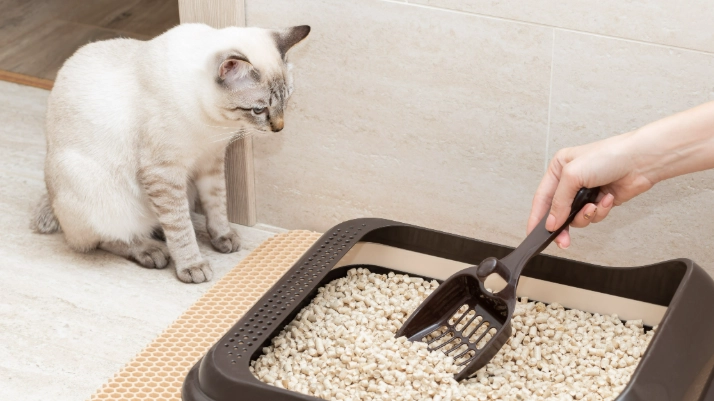
The Ideal Candidate Checklist
- Confident Temperament: Does your cat explore new things or hide? A confident cat is key.
- Good Litter Box History: No history of inappropriate elimination (peeing/pooping outside the box). If there are issues, solve those with a vet first.
- Access to a Safe Outdoor Space: This is non-negotiable. A fully fenced yard (with cat-proof fencing that curves inward at the top), a catio, or a balcony with secure netting.
- You Have Time and Patience: This is a weeks-long process, not a weekend project.
- You Live in a Suitable Climate: Think about rain, snow, and extreme heat. Will your cat go out in a drizzle? You might need a hybrid system.
Step-by-Step: How to Train Your Cat to Poop Outside Without a Litter Box
Okay, if you've ticked the boxes above, let's get into the actual training. The core principle is gradual transition and positive association. We're not removing the litter box on day one. We're slowly moving it, and the cat's preference, towards the great outdoors.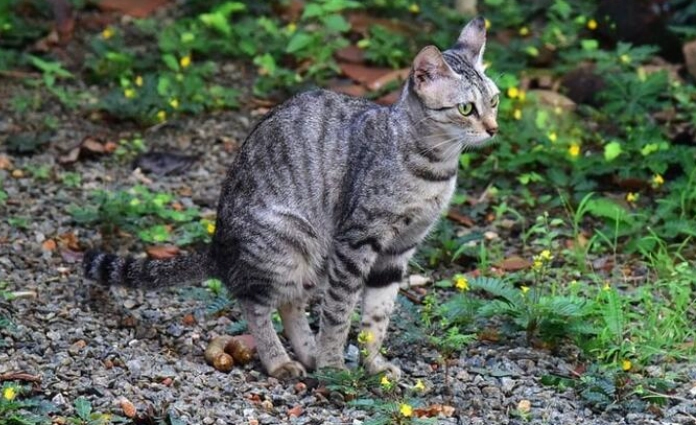
Phase 1: Preparation and Setup (The Boring But Essential Week)
Don't skip this. Rushing leads to setbacks.
1. Choose and Prepare the Outdoor “Bathroom.” Pick a quiet, low-traffic corner of your secure yard or catio. Cats like privacy. Loosen the soil in a small area. Some people bury a shallow, sand-filled tray. The goal is to create a substrate that feels somewhat familiar—soft and diggable. Remove any feces from other animals immediately; cats are fastidious.
2. Gear Up. You'll need:
- High-value treats your cat goes nuts for (freeze-dried chicken, tuna flakes).
- A dedicated “potty” command word or phrase. (“Go potty,” “Do your business,” whatever. Be consistent.)
- A harness and leash if your cat isn't already free in the secure space. Never use a collar for this.
- A garden trowel for occasional clean-up.
Phase 2: The Gradual Move (This is Where the Patience Comes In)
Step 1: Move the litter box closer to the exit door. Start by moving it just a few feet every couple of days. If your cat stops using it, you're moving too fast. Go back a step. The goal is to get the box right by the door they'll use to go out.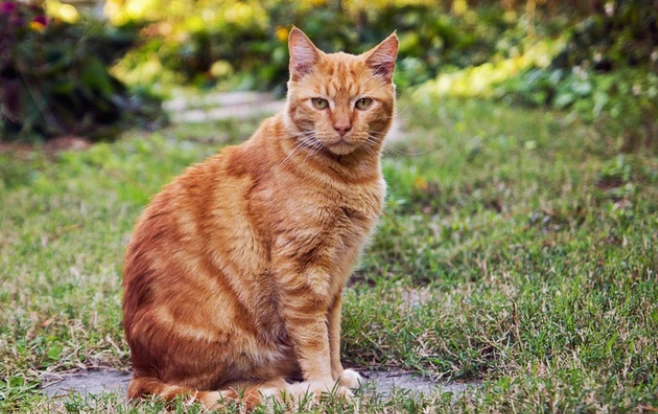
Step 2: Introduce the outdoor spot on leash/harness or in the secure area. At a calm time of day (often after a nap or meal), take your cat to the prepared outdoor spot. Use your command phrase. Let them sniff, explore, dig. Don't force it. Just hang out for 5-10 minutes. If they even sniff the area, give a treat and praise. If they do nothing, that's fine. Go back inside. The goal is a positive, pressure-free association.
Step 3: The big switch—from litter to outdoor soil. Once the box is by the door and the cat is comfy visiting the outdoor spot, it's time to change the box's contents. Mix some of the outdoor soil or sand into their clean litter. Gradually increase the soil-to-litter ratio over a week until it's mostly just the outdoor substrate. This gets their paws used to the new feeling.
Phase 3: Encouraging the First Outdoor Success
This is the moment of truth. You've moved the box to the door, it's filled with similar soil, and your cat knows the outdoor spot.
One day, after you see your cat showing pre-potty signs (sniffing, scratching near the door), take them out. Use your command. Be patient. Wait. If they go, have a celebration party right there! Treats, happy voice, pets—make it the best thing that happened all day. This positive reinforcement is the glue that holds the whole how to train your cat to poop outside without a litter box plan together.
If they don't go after 10-15 minutes, take them back inside. Don't scold. Just try again later. They might use the box by the door, and that's okay. You're not failing.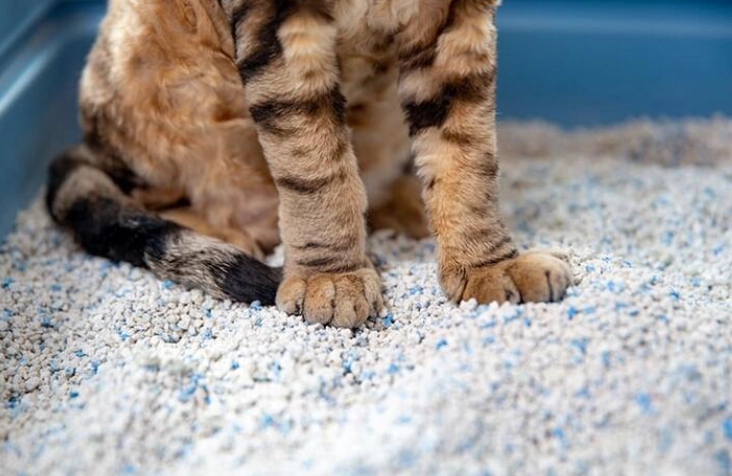
Phase 4: Phasing Out the Indoor Box
After a few consistent outdoor successes, you can try removing the indoor box entirely. But be prepared to backtrack. Some cats need the security of knowing an indoor option is there for a while longer. You can try removing it during the day when you're home to monitor and putting it back at night initially.
The key is observation and flexibility.
Once your cat is reliably going outside, you can start to make the indoor box less appealing (keep it very clean, but the outdoor spot more appealing with loose soil). Eventually, you can remove it. Always keep one emergency indoor station (even just a small tray) during extreme weather or if you'll be away for long hours.
Indoor Litter Box vs. Outdoor Potty: The Honest Breakdown
Let's lay it all out. This isn't a perfect solution for everyone, and it's good to know what you're signing up for.
| Aspect | Traditional Indoor Litter Box | Trained Outdoor Potty |
|---|---|---|
| Odor Control | Contained indoors; requires daily scooping and frequent litter changes to manage smell. | Odor is dispersed outside; no indoor litter smell. Minimal clean-up (burying or occasional scoop). |
| Convenience & Cost | High convenience for cat (always available). Recurring cost for litter, liners, deodorizers. | Lower convenience for cat (must be let out). Inconvenient in bad weather or at night. Almost zero ongoing cost. |
| Cleanliness | Tracking litter through the house. Constant scooping chore. | No indoor tracking. Your home feels cleaner. |
| Cat's Preference | Safe, private, climate-controlled. Meets instinct to dig and cover. | Can be more natural, but depends on cat's personality. Exposure to elements can be a negative. |
| Health Monitoring | Easy to monitor urine clump size, stool consistency, and frequency—key for spotting early illness. | Very difficult to monitor. Changes in health can be missed entirely, which is a significant veterinary concern. |
| Safety | Maximum safety. No external threats. | Dependent on environment. Risks from other animals, toxins, parasites, and escape unless in a perfectly secure catio. |
See that health monitoring point? That's a big one vets talk about. The Cornell Feline Health Center emphasizes that the litter box is a primary tool for noticing urinary tract issues, constipation, or other problems. If your cat poops outside, you might not see that they've had diarrhea for three days.
Safety and Health: The Non-Negotiables
Training your cat for an outdoor toilet isn't just about behavior; it's about their long-term wellbeing.
- Parasite Prevention: Outdoor exposure increases risk of worms, fleas, and ticks. A strict, vet-recommended preventive regimen is mandatory.
- Vaccinations: Ensure all core vaccinations (like FVRCP and rabies) are up-to-date.
- Toxic Hazards: Your outdoor area must be free of toxic plants (lilies, azaleas, etc.), antifreeze puddles, pesticides, and rodent poison. The ASPCA Animal Poison Control Center has comprehensive lists.
- Predators & Other Cats: Even in a fenced yard, birds of prey, roaming dogs, or aggressive neighborhood cats can cause stress or injury. A catio is the safest solution.
- The Microchip: If there's any chance of escape, your cat must be microchipped with your current contact info.
Answering Your Big Questions (FAQs)
- Installing a covered, sheltered area over the outdoor spot.
- Reintroducing a litter box indoors just for inclement weather (many cats will happily use both).
- Using pet-safe paving or gravel that doesn't turn to mud.
- Scoop the outdoor area regularly (at least every other day).
- Never use the area where the cat goes as a vegetable garden.
- Bury waste deep or dispose of it in a sealed bag in the trash.
- Keep children's sandboxes covered.
Wrapping It Up: Is It Worth The Effort?
So, after all this, is figuring out how to train your cat to poop outside without a litter box worth it?
For me, with Jasper in our secure backyard, it was. The lack of litter tracking and indoor smell is fantastic. He seems to enjoy the ritual. But it came with caveats: the upfront time investment, the need for constant vigilance about safety and weather, and the loss of that easy health check the litter box provided.
It's not a magic bullet. It's a lifestyle choice that requires the right cat, the right environment, and the right commitment from you. If you have those things, the step-by-step process outlined here can work. If you don't, you're better off focusing on perfecting the indoor litter box experience—finding the right box, the best litter, and a cleaning schedule that keeps everyone happy. There's no shame in that at all. The goal is a happy, healthy cat and a home you both enjoy, whether the bathroom is inside or out.
Good luck, and remember to be patient with your feline friend.



Join the Conversation