Let's be honest. The dream of cat ownership often includes a perfectly trained feline who uses the litter box flawlessly. The reality? Sometimes it's a mess—literally. Maybe you just brought home a kitten who has no idea what that box of sand is for. Perhaps your older cat has suddenly decided the laundry basket is a better option. I've been there, and it's frustrating.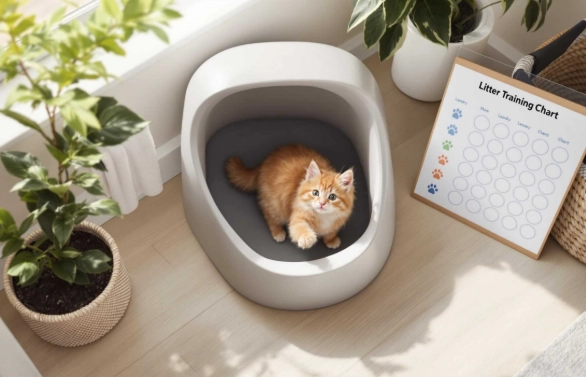
The good news is that for most cats, using a litter box is a natural instinct waiting to be guided. The secret isn't in complex tricks, but in setting up the stage correctly and understanding your cat's language. When you get the fundamentals right, training becomes less of a "training" session and more of a simple introduction.
What's Inside This Guide
The Litter Box Setup: More Than Just a Box
Think of the litter box as your cat's private bathroom. You wouldn't want to use a dirty, cramped, hard-to-find bathroom, right? Cats feel the same way. Most litter box problems stem from a setup failure, not a cat being "spiteful." Let's break down the non-negotiable elements.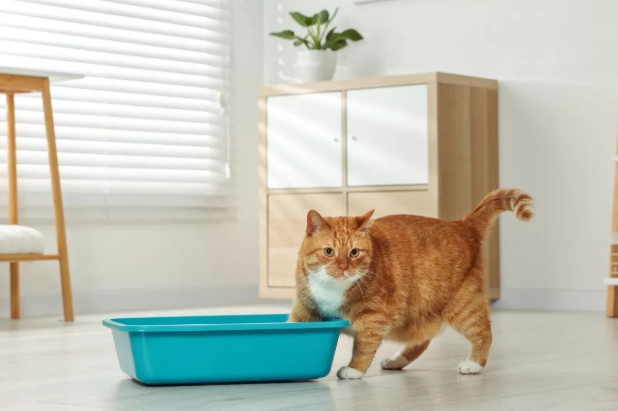
Location, Location, Location
This is huge. Put the box in a noisy, high-traffic laundry room next to a rumbling dryer, and you're asking for trouble. Cats need to feel safe and undisturbed.
- Quiet and Low-Traffic: A spare bathroom, a quiet corner of a home office, or a section of a finished basement are ideal. Avoid places where people (especially kids) or dogs constantly run through.
- Easy Access, Easy Escape: Don't tuck it into a tight closet or behind furniture where the cat could feel cornered. They need a clear view of their surroundings and multiple exit routes to feel secure.
- Away from Food and Water: Instinct tells cats to keep their elimination area separate from where they eat and drink. Place the box as far from their bowls as your home layout reasonably allows.
The Box Itself: Size and Style Matter
Here's a common mistake I see: using a box that's too small. Most commercial boxes are cramped for an average-sized cat.
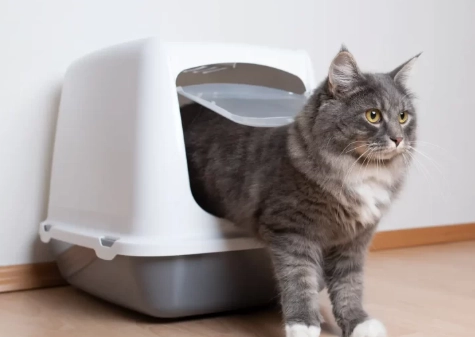
When it comes to covered vs. uncovered boxes, consider your cat's preference. Covers can provide privacy and contain litter scatter, but they also trap odors inside (which is unpleasant for the cat) and can make a larger cat feel cramped. If you use a cover, make sure it's the largest size available and clean it even more frequently.
Choosing the Right Litter
Cats have sensitive paws. The texture of the litter is a big deal.
- Unscented Clumping Clay: This is the gold standard for a reason. It's soft, familiar, and easy to scoop. Cats generally prefer unscented litter—those floral or "fresh" smells are for us, not them, and can be overpowering.
- Fine-Grained: Many cats dislike the feeling of large, coarse pellets under their feet. Stick with finer textures.
- Consistency is Key: Once you find a litter your cat reliably uses, stick with it. A sudden switch can cause avoidance.
The Training Process: Patience is Key
For kittens or cats new to your home, this is your roadmap. For cats who are having issues, it's a good reset.
Step 1: The Introduction. As soon as you bring your cat home, gently place them in the clean litter box. Let them sniff and explore. Don't force them to stay; just let them know where it is. Do this after they wake up, after meals, and after play sessions—times when they're likely to need to go.
Step 2: Positive Association. Never scold or punish your cat for mistakes. If you catch them eliminating outside the box, calmly interrupt them (a soft "oops!" or clap can work) and gently place them in the litter box. If they finish in the box, offer praise and a treat. You want them to think "Litter box = good things happen."
Step 3: Clean Up Accidents Thoroughly. Use an enzymatic cleaner specifically designed for pet stains (like Nature's Miracle or Simple Solution). Regular cleaners won't remove the biological markers that tell your cat "this is a bathroom spot." Clean the area completely to remove the scent.
Troubleshooting Common Litter Box Problems
So you've got the setup right, but problems persist. Here's how to think like a detective.
"My cat is peeing/pooping right next to the box."
This is often a sign the box is too dirty for their standards. It could also mean the box is too small, or the sides are too high for them to enter comfortably (common in older cats with arthritis). Increase scooping to twice daily, do a full litter change more often, and consider a box with lower sides.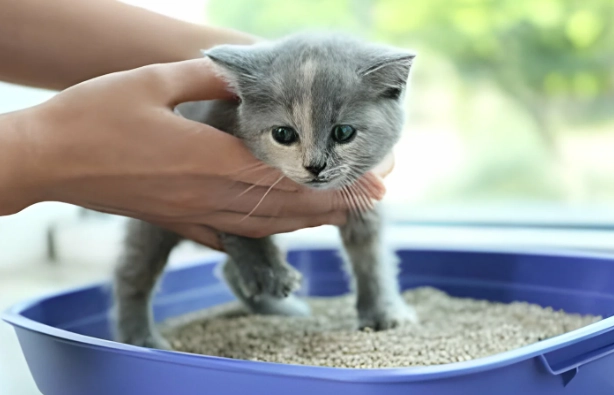
"My cat suddenly stopped using the box after years."
This is the most critical sign. Sudden changes in litter box habits are very often medical. A cat with a urinary tract infection (UTI), bladder stones, or arthritis associates the pain of elimination with the litter box itself and starts avoiding it. Your first step is always a veterinary checkup to rule out pain or illness. The American College of Veterinary Behaviorists emphasizes this as the first course of action.
"I have multiple cats, and one is avoiding the box."
The rule of thumb is one litter box per cat, plus one extra. So for two cats, you need three boxes. Place them in different locations. A more timid cat might be intimidated by a more dominant cat blocking access to the only box. This gives everyone options and reduces stress-related elimination problems.
Managing Litter Tracking and Dust
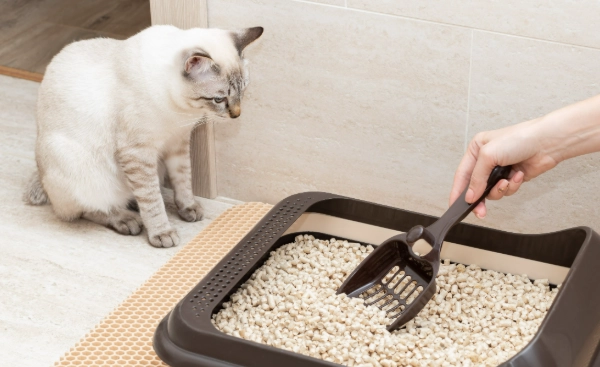
Even with the best litter, some tracking happens. Place a large, textured litter mat outside the box to catch particles from their paws. For dust, look for low-dust formulas and pour the litter slowly to minimize cloud formation. If dust is a major concern for you or your cat (especially those with asthma), consider a dust-free paper or grass-based litter, but introduce it mixed with their old litter to gauge acceptance.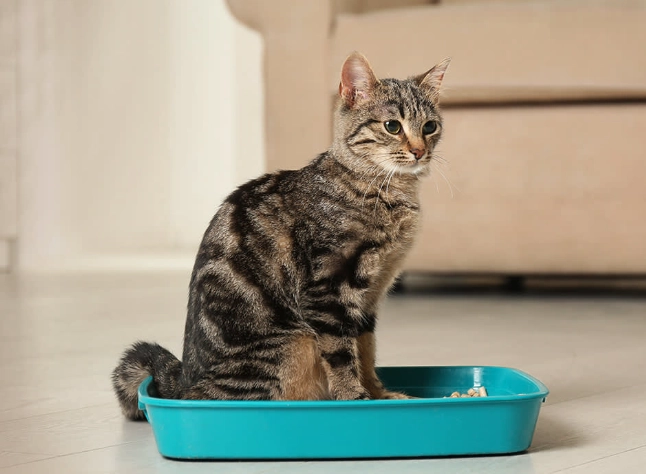
Your Top Litter Box Questions Answered
Ultimately, successful litter box training boils down to empathy. See the world from your cat's perspective. Provide a clean, safe, comfortable, and accessible bathroom. Pay attention to their signals, and always, always rule out health problems first with your vet. When you get these fundamentals right, you build a foundation of trust and prevent most common issues before they even start. It's not about dominance or tricks; it's about creating an environment where your cat's natural instincts can work for both of you.






Join the Conversation