Quick Guide
Let's be honest, one of the scariest parts of being a rabbit owner is the fear of feeding them something wrong. You're chopping veggies for dinner, your bunny hops over with those hopeful eyes, and you have that split-second panic—"Wait, can they eat this?" I've been there. I remember early on, almost giving my first rabbit, Mochi, a tiny piece of avocado before a quick Google search sent me into a full-blown panic. It's a minefield out there.
The problem is, a rabbit's digestive system is a finely tuned, somewhat delicate engine. It's not like a dog's. What's a harmless treat for us or another pet can be a serious, even deadly, mistake for them. And the internet is full of conflicting, vague, or just plain wrong advice. My goal here isn't to just give you a boring list. I want to walk you through the why behind the dangers, the sneaky places unsafe food for rabbits hides, and what to actually do if the worst happens. Consider this your go-to reference, the one you bookmark and come back to.
The Most Common (and Dangerous) Unsafe Foods for Rabbits
We'll start with the big hitters—the items that are outright toxic and should never, ever be near your bunny's mouth. These are the ones where even a small amount can lead to an emergency vet visit.
Foods from Your Kitchen That Are Straight-Up Poisonous
Your kitchen is ground zero for dangers. It's where we relax, so our guard is down. But many staples for us are catastrophic for rabbits.
Avocado: This one tops my personal danger list. Every part—the flesh, skin, pit, and leaves—contains persin, a fungicidal toxin. For rabbits, it can cause severe respiratory distress, heart failure, and death. There's no "safe amount." Just don't.
Chocolate & Caffeine: Theobromine and caffeine. These methylxanthines are a double whammy. They overstimulate a rabbit's nervous system and heart. Think rapid heart rate, seizures, internal bleeding. Dark chocolate is the worst, but all forms are unsafe food for rabbits. That means coffee grounds, tea bags, energy drinks—keep it all locked away.
Allium Vegetables: This family includes onions, garlic, leeks, chives, and shallots. They contain compounds that can cause oxidative damage to red blood cells, leading to hemolytic anemia. This is a sneaky one because the damage might not show for a few days. It doesn't matter if they're raw, cooked, or powdered (like garlic powder in a snack).
Iceberg Lettuce: You'll see this on every list, and for good reason. It's not "toxic" in the classic sense, but it contains lactucarium, a milky sap that can be a sedative in large amounts. The bigger issue? It's mostly water and has virtually no nutritional value. It can give your rabbit diarrhea, which for a bunny is a serious health risk due to the risk of dehydration and GI stasis. There are so many better leafy greens (romaine, green leaf, red leaf) that this one just isn't worth the risk.
The Problem with Seeds, Pits, and Certain Plants
Fruit itself can be a sugary treat in tiny amounts, but the other parts? Hazardous.
Apple Seeds, Peach Pits, Apricot Pits, Cherry Pits: These contain amygdalin, which breaks down into cyanide when chewed. While a rabbit would have to consume a fair number of seeds to be acutely poisoned, why take the chance? Always core apples and remove all pits from stone fruits before offering a tiny piece of the flesh.
Rhubarb Leaves: The stalks are the edible part for humans; the leaves are poisonous to many animals, including rabbits. They contain oxalic acid and other toxins that can cause a rapid drop in calcium, leading to kidney failure and tremors.
I think a table helps here to visualize the level of danger and the specific culprit. It's one thing to read a list, another to see it organized by how much trouble it can cause.
| Food Item | Toxic Component | Potential Symptoms | Danger Level |
|---|---|---|---|
| Avocado | Persin | Difficulty breathing, heart failure, sudden death | EXTREME |
| Chocolate | Theobromine, Caffeine | Hyperactivity, tremors, seizures, high body temperature | EXTREME |
| Onions & Garlic | N-propyl disulfide | Weakness, pale gums, red/brown urine, rapid breathing | HIGH (can be delayed) |
| Iceberg Lettuce | Lactucarium (low nutrient/high water) | Diarrhea, lethargy, risk of GI stasis | MODERATE-HIGH (due to consequences) |
| Fruit Seeds/Pits (Apple, Cherry, etc.) | Amygdalin (cyanide precursor) | Dilated pupils, difficulty breathing, shock | MODERATE (dose-dependent) |
| Rhubarb Leaves | Oxalic Acid & Anthraquinones | Drooling, tremors, kidney failure | EXTREME |
The Sneaky Stuff: Accidental Dangers and Hidden Killers
Okay, so you're vigilant about avocado and chocolate. Great. But the world of unsafe food for rabbits extends beyond the obviously poisonous. These are the items that might seem harmless, or are given with good intentions, but slowly cause problems.
"Healthy" Human Snacks That Aren't Healthy for Bunnies
Nuts and Seeds (as snacks): A common misconception. While not toxic, nuts (almonds, walnuts, peanuts) and many seeds (sunflower, pumpkin seeds from the bag) are extremely high in fat and protein. A rabbit's digestive system is designed for high-fiber, low-fat, low-protein food. Feeding nuts/seeds regularly can lead to obesity, fatty liver disease, and digestive upset. They're a choking hazard too. The tiny seeds in strawberries or raspberries are fine because they're consumed within the fibrous fruit.
Bread, Crackers, Pasta, Cereal: Any processed grains or cereals. Rabbits do not process carbohydrates like this well. These foods can cause a catastrophic overgrowth of harmful bacteria in the cecum (their fermentation chamber), leading to enterotoxemia—a severe, often fatal diarrhea. They also contribute to obesity and dental problems because they lack the abrasive fiber of hay.
Yogurt Drops or "Treats" from Pet Stores: This is a personal pet peeve. Many commercial "rabbit treats" are absolute junk food. Yogurt drops are the prime example. Rabbits are strict herbivores and are lactose intolerant after weaning. Dairy products like yogurt can cause severe digestive upset. These treats are also packed with sugar, leading to all the same problems as other sugary foods. Always read ingredients. If sugar, yogurt, or seeds are in the top three, skip it.
Garden Plants and Flowers: Beautiful but Deadly
If your rabbit has any outdoor access (even on a balcony), this is critical. So many common ornamental plants are toxic.
- Bulb Plants: Daffodils, tulips, hyacinths, iris. The bulbs are the most toxic part, but all parts can cause severe salivation, vomiting (though rabbits can't vomit, they'll try), diarrhea, and heart problems.
- Nightshades: Potatoes (the green parts and sprouts), tomatoes (the leaves and vines), eggplant leaves. These contain solanine and other glycoalkaloids.
- Other Common Toxins: Azalea, rhododendron, lily of the valley, oleander, foxglove, ivy, buttercups. The list is long.
The safest bet? Assume any plant you didn't specifically plant as rabbit-safe is dangerous. The ASPCA Animal Poison Control Center maintains a comprehensive, searchable database of toxic and non-toxic plants. Bookmark it. It's an invaluable resource.
What Happens If Your Rabbit Eats Something Unsafe?
Panic is the worst first step, but it's a natural one. Let's talk action, not anxiety.
Step 1: Identify and Isolate. Try to figure out what they ate and how much. Remove any remaining unsafe food for rabbits from the area. Don't try to induce vomiting—rabbits are physically incapable of it, and you could cause more harm.
Step 2: Call for Help Immediately. This is non-negotiable. Do not wait for symptoms. Time is critical in poisoning cases.
- Call your veterinarian or the nearest emergency vet clinic immediately.
- If your vet is closed, call the ASPCA Animal Poison Control Center at (888) 426-4435 or the Pet Poison Helpline at (855) 764-7661. These are fee-based services, but the advice from veterinary toxicologists is worth every penny and can guide your vet.
Step 3: Provide Information. Be ready to tell them:
- Your rabbit's approximate weight.
- The exact name of the substance/food.
- The approximate amount ingested.
- The time since ingestion.
- Any symptoms you're observing (hiding, lethargy, changes in eating/pooping, drooling).
Step 4: Follow Instructions & Transport Safely. They may tell you to come in immediately or to monitor. If going to the vet, bring a sample of the suspected poison and any vomit (if another pet produced it) or stool. Keep your rabbit warm, quiet, and in a secure carrier.
Look, I know calling a helpline can seem like an overreaction. It's not. Rabbits are prey animals and hide illness brilliantly. By the time they show obvious distress, the situation is often advanced. Early intervention is the single biggest factor in a positive outcome.
Building a Safe Feeding Foundation: What SHOULD They Eat?
Focusing only on the negative is stressful. Let's flip it and talk about the rock-solid foundation that makes the concept of unsafe food for rabbits less terrifying. A well-fed rabbit on a proper diet is less likely to seek out strange foods out of nutritional boredom or deficiency.
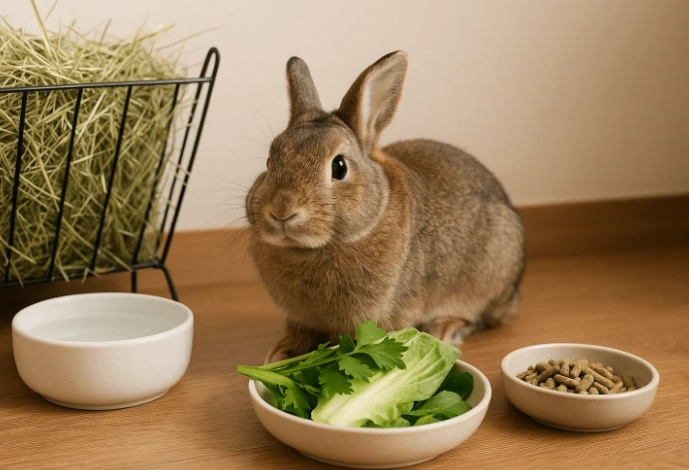
80% Unlimited Grass Hay: Timothy, Orchard, Meadow, Oat. This is non-negotiable. It wears down teeth, keeps the gut moving, and is their main food source. Alfalfa hay is for young kits and underweight adults only—it's too rich in calcium and protein for most adults.
10% Fresh Leafy Greens: A packed cup per 2 lbs of body weight daily. Romaine, green/red leaf lettuce, kale (in rotation, not daily due to oxalates), cilantro, parsley, dandelion greens (unsprayed), mint, basil.
10% Pellets & Treats: A very limited amount of high-quality, timothy-based pellets (about 1/4 cup per 5 lbs). Treats like a blueberry or a 1-inch slice of banana should be tiny, rare, and considered part of this 10%.
This framework, backed by organizations like the House Rabbit Society and many veterinary nutritionists, creates a balanced diet. When their core needs are met with hay and greens, the temptation to nibble on unsafe items diminishes.
Your Questions Answered: Rabbit Food Safety FAQ
"My rabbit ate a tiny piece of chocolate. Will they be okay?"
You must contact a vet or poison helpline immediately, even for a tiny piece. Do not wait. Theobromine toxicity is dose-dependent based on weight, and rabbits are small. A "tiny piece" for you could be a significant dose for them. Let a professional assess the risk based on your rabbit's weight and the type/amount of chocolate.
"Are carrots actually bad for rabbits?"
This is a great question that highlights the nuance. Carrots are not toxic. However, the orange root is very high in sugar and should be treated as a treat, not a daily vegetable. Think of it as candy for rabbits. The carrot tops (the green leafy part) are fantastic and can be fed regularly as part of their greens. It's a classic case of misunderstanding what part of a plant is appropriate.
"What about herbs and spices?"
Most common culinary fresh herbs are excellent in moderation: basil, cilantro, dill, mint, oregano, parsley, rosemary, sage, thyme. Dried herbs from your spice rack are generally safe but can be very potent; a tiny sprinkle is plenty. Avoid any spice mixes that contain onion/garlic powder or salt. Never feed hot peppers or anything spicy.
"How do I stop my rabbit from eating houseplants/my cables?"
This is about management, not training out a natural instinct to chew. Provide a massive abundance of safe chewing alternatives: apple, willow, or pear wood sticks, hay cubes, cardboard castles. Then, ruthlessly bunny-proof. Use cord protectors, block access to rooms with plants, or hang plants from the ceiling. A bored rabbit with nothing good to chew will find something bad. The American Veterinary Medical Association (AVMA) emphasizes environmental management for pet safety.
"Is it okay if my rabbit doesn't eat hay?"
No. This is a major red flag. Hay is essential for dental and gastrointestinal health. A rabbit refusing hay needs a vet check for dental issues (painful overgrown teeth) and a strategy reset. Try different types of hay (3rd cut timothy is softer, orchard grass is sweet), put hay in toys, sprinkle dried herbs on it, offer it in different locations. This is a hill to die on—their health depends on it.
Navigating the world of unsafe food for rabbits feels overwhelming at first. But it boils down to a few key principles: stick to the known safe list (hay, specific greens, limited pellets), treat everything else as suspect until proven safe by a reliable source (like the ASPCA database), and never hesitate to seek professional advice if they ingest something unknown. Your rabbit's quirky, wonderful digestive system is a marvel of evolution, but it's not built for our modern pantry. By being a vigilant, informed owner, you're giving them the best shot at a long and healthy life, full of binkies and nose bonks—not emergency vet visits.
It's a learning process. I still double-check things sometimes. And that's perfectly okay. The fact that you're reading this means you're on the right track.

Join the Conversation